Alan C. Carey – författare
Visar alla böcker från författaren Alan C. Carey. Handla med fri frakt och snabb leverans.
4 produkter
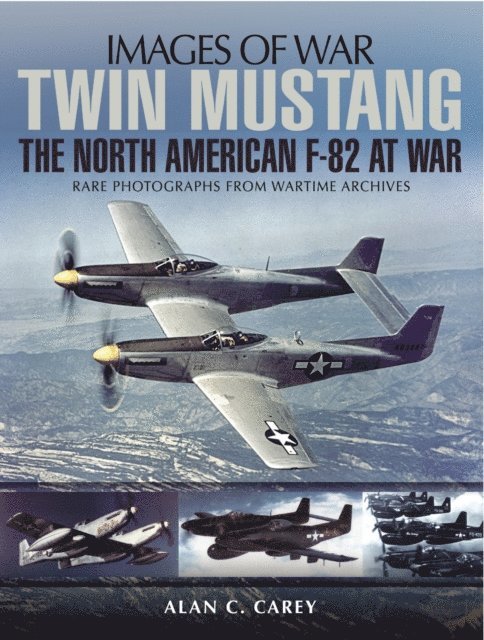
Twin Mustang
The North American F-82 at War
E-bok, 2014
146 kr
Lägg i varukorg
"A comprehensive look at the 272-plane F-82 fleet . . . This is a fine addition to Carey''s body of work and to anyone''s aviation library."—HistoryNet One of the most unusual and remarkable American fighter aircraft, the F-82 Twin Mustang was the last mass production propeller-driven fighter …
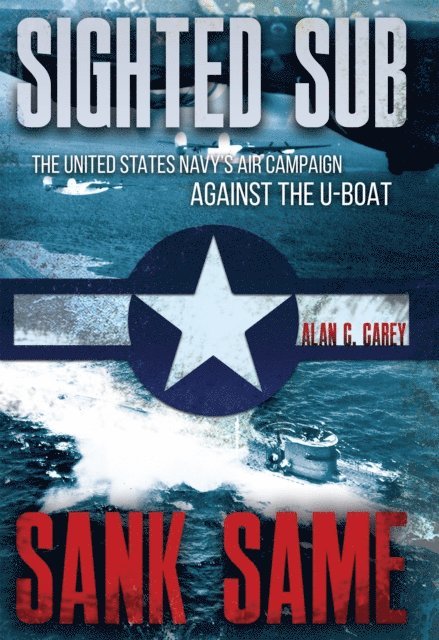
Sighted Sub, Sank Same
The United States Navy''s Air Campaign against the U-Boat
E-bok, 2019
153 kr
Lägg i varukorg
A historian examines the U.S. Navy''s efforts to stop Axis forces from attacking Allied merchant ships providing supplies during World War II. During the Second World War, a battle was waged to cut the lifeline of food and armaments sailing across the Atlantic from North America. It evolved into a …
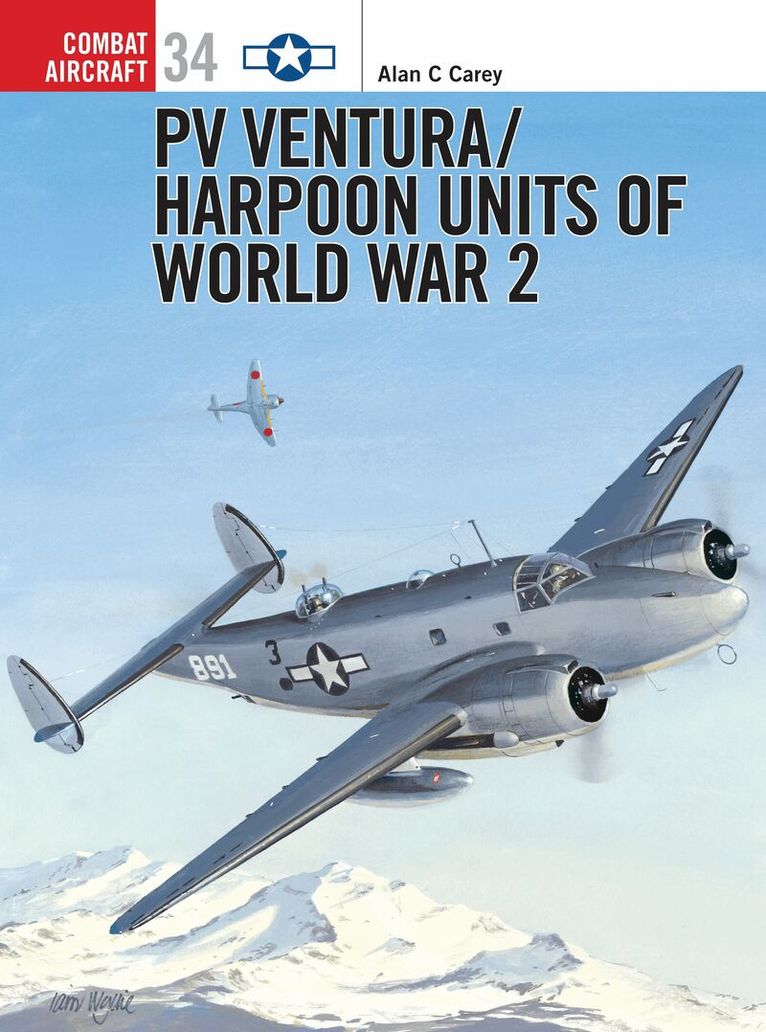
PV Ventura/Harpoon Units of World War 2
Av Alan C Carey
Häftad, 2002
209 kr
Lägg i varukorg
A development of the successful Lockheed ‘medium twins’ of the late 1930s, the PV Ventura/Harpoon family of patrol bombers saw widespread service with both the US Navy/Marine Corps and the TAF and Commonwealth from October 1942 onwards.The USAAF also used surplus Venturas originally ordered by the …
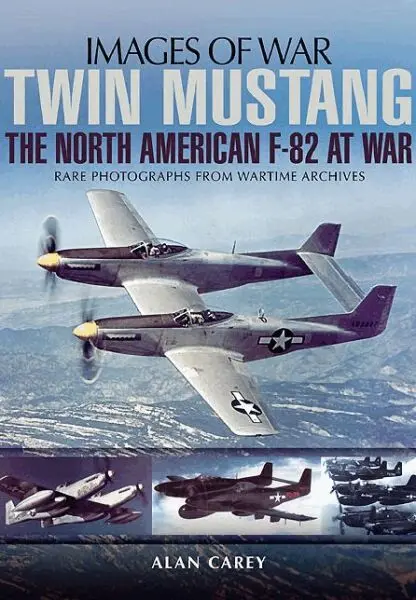
Twin Mustang: The North American F-82 at War
Häftad, 2014
162 kr
Tillfälligt slut
One of the most unusual and remarkable American fighter aircraft, the F-82 Twin Mustang was the last mass production propeller-driven fighter acquired by the U.S. Air Force. Originally intended as a very long-range fighter escort for the Boeing B-29 Superfortress during World War II, it arrived too …