Alan D. Gaff - Böcker
Visar alla böcker från författaren Alan D. Gaff. Handla med fri frakt och snabb leverans.
9 produkter
9 produkter
296 kr
Skickas inom 10-15 vardagar
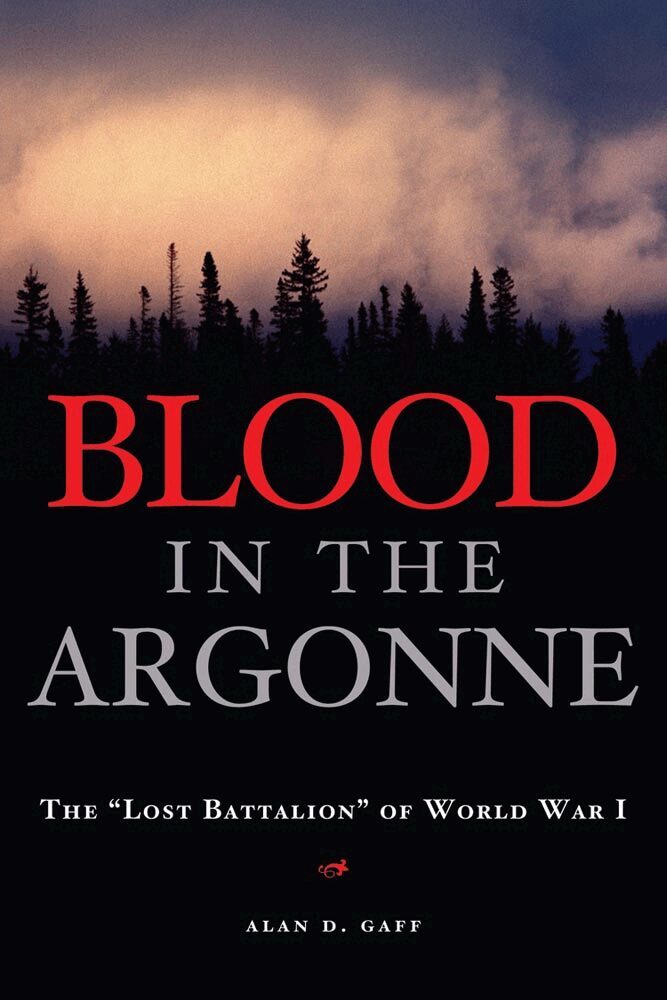
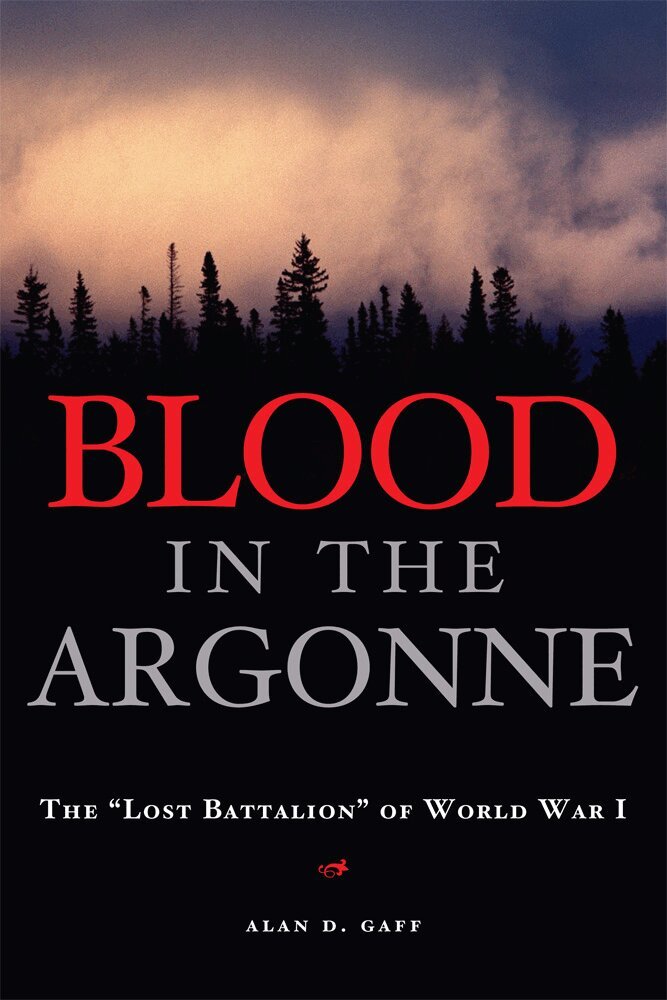
In this unique history of the ""Lost Battalion"" of World War I, Alan D. Gaff tells for the first time the story of the 77th Division from the perspective of the soldiers in the ranks.On October 2, 1918, Maj. Charles W. Whittlesey led the 77th Division in a successful attack on German defenses in the Argonne Forest of northeastern France. His unit, comprised of men of a wide mix of ethnic backgrounds from New York City and the western states, was not a battalion nor was it ever ""lost,"" but once a newspaper editor applied the term ""lost battalion"" to the episode, it stuck.Gaff draws from new, unimpeachable sources - such as sworn testimony by soldiers who survived the ordeal - to correct the myths and legends and to reveal what really happened in the Argonne Forest during early October 1918.
350 kr
Skickas inom 10-15 vardagar
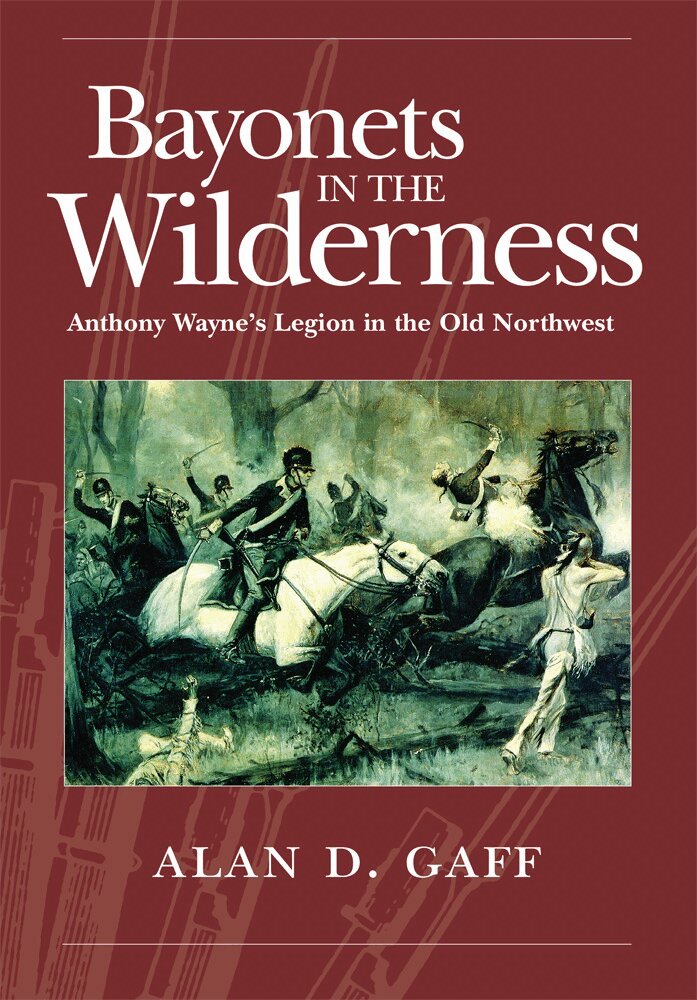
In Bayonets in the Wilderness, Alan D. Gaff explores a long-neglected period in American history to tell the complete story of how the U.S. Army conquered the first American frontier, the Northwest Territory. Wayne's successful campaign led to the creation of a standing army for the country and set the standard for future conflicts and treaties with American Indians. Countering the popular impression of Wayne as ""mad,"" Gaff depicts him as a thoughtful, resolute, and diplomatic officer whose masterfully organized campaign brought an end in 1794 to forty years of border fighting.Gaff's account brings to light alliances between Indian forces and the British military, demonstrating that British troops still conducted operations on American soil long after the supposed end of the American Revolution.
460 kr
Skickas inom 10-15 vardagar
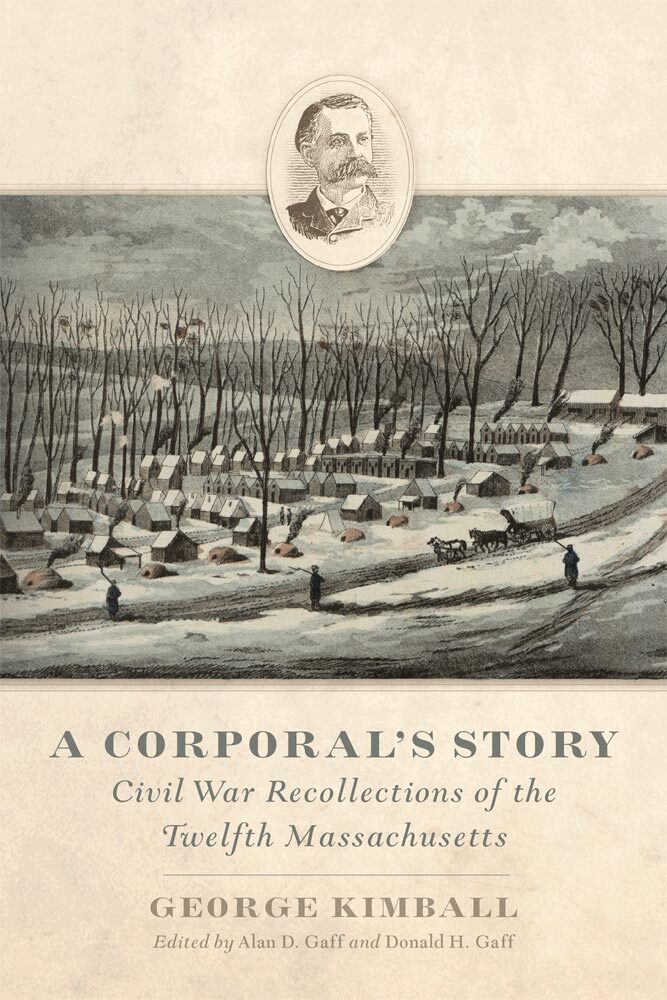
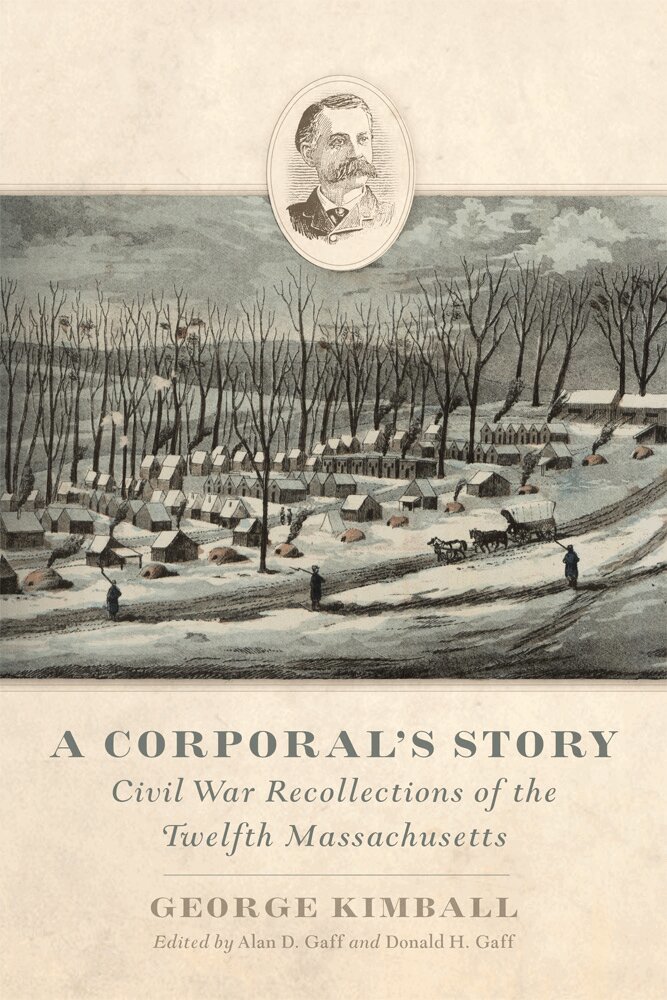
When George Kimball (1840-1916) joined the Twelfth Massachusetts in 1861, he'd been in the newspaper trade for five years. When he mustered out three years later, having been wounded at Fredericksburg and again at Gettysburg (mortally, it was mistakenly assumed at the time), he returned to newspaper life. There he remained, working for the Boston Journal for the next four decades. A natural storyteller, Kimball wrote often about his military service, always with a newspaperman's eye for detail and respect for the facts, relating only what he'd witnessed firsthand and recalled with remarkable clarity. Collected in A Corporal's Story, Kimball's writings form a unique narrative of one man's experience in the Civil War, viewed through a perspective enhanced by time and reflection.With the Twelfth Massachusetts, Kimball saw action at many of the most critical and ferocious battles in the eastern theater of the war, such as Second Bull Run, Antietam, Gettysburg, the Wilderness, Spotsylvania, and Petersburg - engagements he vividly renders from the infantry soldier's point of view. Aware that his readers might not be familiar with what he and comrades had gone through, he also describes many aspects of army life, from the most mundane to the most dramatic. In his accounts of the desperate action and immediate horrors of war, Kimball clearly conveys to readers the cost of preserving the Union. Never vindictive toward Confederates, he embodies instead the late nineteenth-century's spirit of reconciliation.Editors Alan D. Gaff and Donald H. Gaff have added an introduction and explanatory notes, as well as maps and illustrations, to provide further context and clarity, making George Kimball's memoir one of the most complete and interesting accounts of what it was to fight in the Civil War - and what that experience looked like through the lens of time.
Del 8 - Campaigns and Commanders Series
Blood in the Argonne Volume 8
The "Lost Battalion" of World War I
Häftad, Engelska, 2025
268 kr
Skickas inom 10-15 vardagar
In this unique history of the "Lost Battalion" of World War I, Alan D. Gaff tells for the first time the story of the 77th Division from the perspective of the soldiers in the ranks. On October 2, 1918, Maj. Charles W. Whittlesey led the 77th Division in a successful attack on German defenses in the Argonne Forest of northeastern France. His unit, comprised of men of a wide mix of ethnic backgrounds from New York City and the western states, was not a battalion nor was it ever "lost," but once a newspaper editor applied the term "lost battalion" to the episode, it stuck.Gaff draws from new, unimpeachable sources—such as sworn testimony by soldiers who survived the ordeal—to correct the myths and legends and to reveal what really happened in the Argonne Forest during early October 1918.
328 kr
Skickas inom 7-10 vardagar
When George Kimball (1840–1916) joined the Twelfth Massachusetts in 1861, he’d been in the newspaper trade for five years. When he mustered out three years later, having been wounded at Fredericksburg and again at Gettysburg (mortally, it was mistakenly assumed at the time), he returned to newspaper life. There he remained, working for the Boston Journal for the next four decades. A natural storyteller, Kimball wrote often about his military service, always with a newspaperman’s eye for detail and respect for the facts, relating only what he’d witnessed firsthand and recalled with remarkable clarity. Collected in A Corporal’s Story, Kimball’s writings form a unique narrative of one man’s experience in the Civil War, viewed through a perspective enhanced by time and reflection. With the Twelfth Massachusetts, Kimball saw action at many of the most critical and ferocious battles in the eastern theater of the war, such as Second Bull Run, Antietam, Gettysburg, the Wilderness, Spotsylvania, and Petersburg—engagements he vividly renders from the infantry soldier’s point of view. Aware that his readers might not be familiar with what he and comrades had gone through, he also describes many aspects of army life, from the most mundane to the most dramatic. In his accounts of the desperate action and immediate horrors of war, Kimball clearly conveys to readers the cost of preserving the Union. Never vindictive toward Confederates, he embodies instead the late nineteenth-century’s spirit of reconciliation. Editors Alan D. Gaff and Donald H. Gaff have added an introduction and explanatory notes, as well as maps and illustrations, to provide further context and clarity, making George Kimball’s memoir one of the most complete and interesting accounts of what it was to fight in the Civil War—and what that experience looked like through the lens of time.
370 kr
Skickas inom 7-10 vardagar
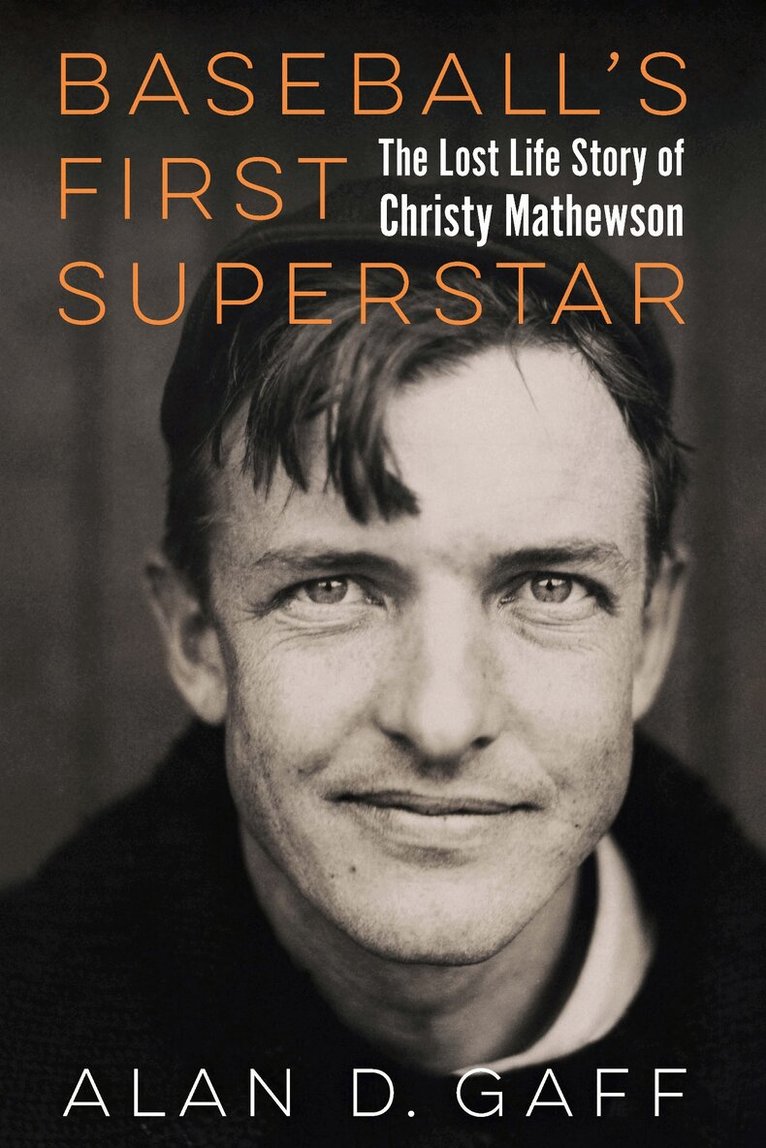
If there was a first face of baseball, it was arguably Christopher “Christy” Mathewson. At the opening of the twentieth century, baseball was considered an undignified game played by ruffians for gamblers’ benefit. Mathewson changed all that. When he signed with the Giants in 1900, his contract stated he wouldn’t pitch on Sundays, and he was known for his honesty, integrity, and good looks.In his first fourteen seasons, as a pitcher for the Giants, Mathewson never won fewer than twenty games in a season, and he almost single-handedly won the 1905 World Series. In 1918, though age thirty-eight and exempt from military service, he enlisted for World War I, where he exposed himself to nearly lethal amounts of mustard gas as he taught soldiers how to put on gas masks. When he returned home, he was diagnosed with lung problems and tuberculosis, which led to his untimely death at the age of forty-five.After Mathewson’s death, his eulogies were many, but it was impossible to catch the essence of his life in a single newspaper column. Jane Mathewson, his widow, was determined to provide the reading public with a more intimate portrait of her husband and approached prominent sportswriter Bozeman Bulger, who had known Mathewson for twenty years. Bulger wrote a series of articles titled “The Life Story of Christy Mathewson.” His portraits about the player were amplified by original accounts from Jane, and several unpublished chapters from Mathewson himself, which had been discovered among his papers. These combined accounts allow readers to hear from Mathewson and those who knew him best.A superstar long before that term was coined, Mathewson became an icon of sportsmanship. He was posthumously elected to the Baseball Hall of Fame at its first induction ceremony in 1936. In Baseball’s First Superstar Alan D. Gaff brings Mathewson to life through Mathewson’s own writings and those of others, largely lost to history until now.
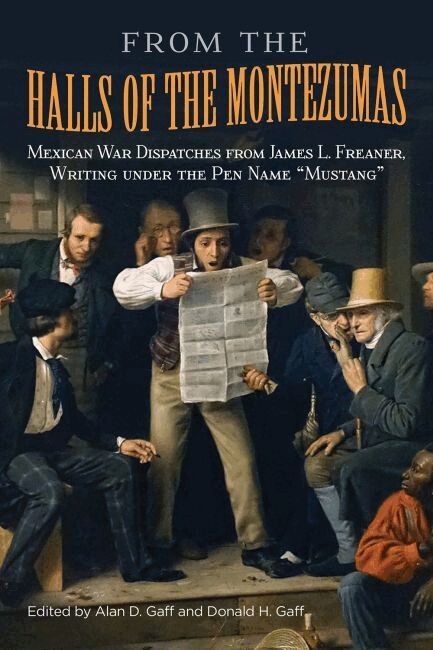
From the Halls of the Montezumas
Mexican War Dispatches from James L. Freaner, Writing Under the Pen Name "Mustang
Inbunden, Engelska, 2019
441 kr
Skickas inom 7-10 vardagar
James L. Freaner is one of the most important unknown Americans in our nation's history. Freaner gained fame throughout the country during the Mexican War while covering General Winfield Scott's campaign. As one of America's first war correspondents, Freaner's letters appeared in newspapers under the byline "Mustang," and his reports from the front included information unavailable elsewhere. Among Freaner's scoops were the publication of complete casualty lists (long before official reports became public), detailed battle descriptions, and observations on postwar Mexico.Despite his widespread fame as a reporter, Freaner's greatest contribution to the United States came during a conversation with Nicholas P. Trist, negotiator of the peace treaty with Mexico. After Trist had passed along an outrageous proposal from the Mexican commissioners, he was recalled, but Freaner convinced Trist to ignore the order and begin a new round of negotiations. Trist resumed, concluded the war, and added California, Nevada, Utah, and other territory to a growing country. This acquisition was second in size only to the Louisiana Purchase and was a direct result of James Freaner persuading Trist to brazenly conclude a treaty when he had no authority to do so.From the Halls of the Montezumas is a complete compilation of Freaner's Mexican War reporting. Editors Alan D. Gaff and Donald H. Gaff have annotated the text with footnotes identifying people, places, and events, and also have added illustrations of key figures and maps. They supplement Freaner's dispatches with biographical information that ranges from his early career to his journey to the gold fields of California and his untimely death at the hands of Indians in California in 1852.
307 kr
Kommande
247 kr
Skickas inom 3-6 vardagar