
Alan Klima – författare
Visar alla böcker från författaren Alan Klima. Handla med fri frakt och snabb leverans.
3 produkter
3 produkter
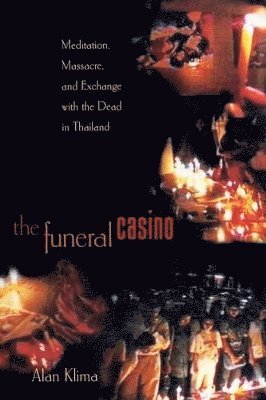
Häftad, Engelska, 2002
476 kr
Skickas inom 5-8 vardagar
The Funeral Casino is a heretical ethnography of the global age. Setting his book within Thailand's pro-democracy movement and the street massacres that accompanied it, Alan Klima offers a strikingly original interpretation of mass-mediated violence through a study of funeral gambling and Buddhist meditation on death. The fieldwork for the book began in 1992, when a freewheeling market of illegal "massacre-imagery" videos blossomed in Bangkok on the very site where, days earlier, for the third time in two decades, a military-controlled government had killed scores of unarmed pro-democracy protesters. Such killings and their subsequent representation have lent force to Thailand's transition from military control to a "media-financial complex." Probing the ways in which death is marketed, visualized, and remembered through practices both local and global, Klima inverts conventional relationships between ethnography and theory through a compelling narrative that reveals a surprising new direction available to anthropology and critical theory. Ethnography here engages with the philosophy of activism and the politics of memory, media representation of violence, and globalization.In focusing on the particular array of tactics in Thai Buddhism and protest politics for connecting death and life, past and present, this book unveils a vivid and haunting picture of community, responsibility, and accountability in the new world order.
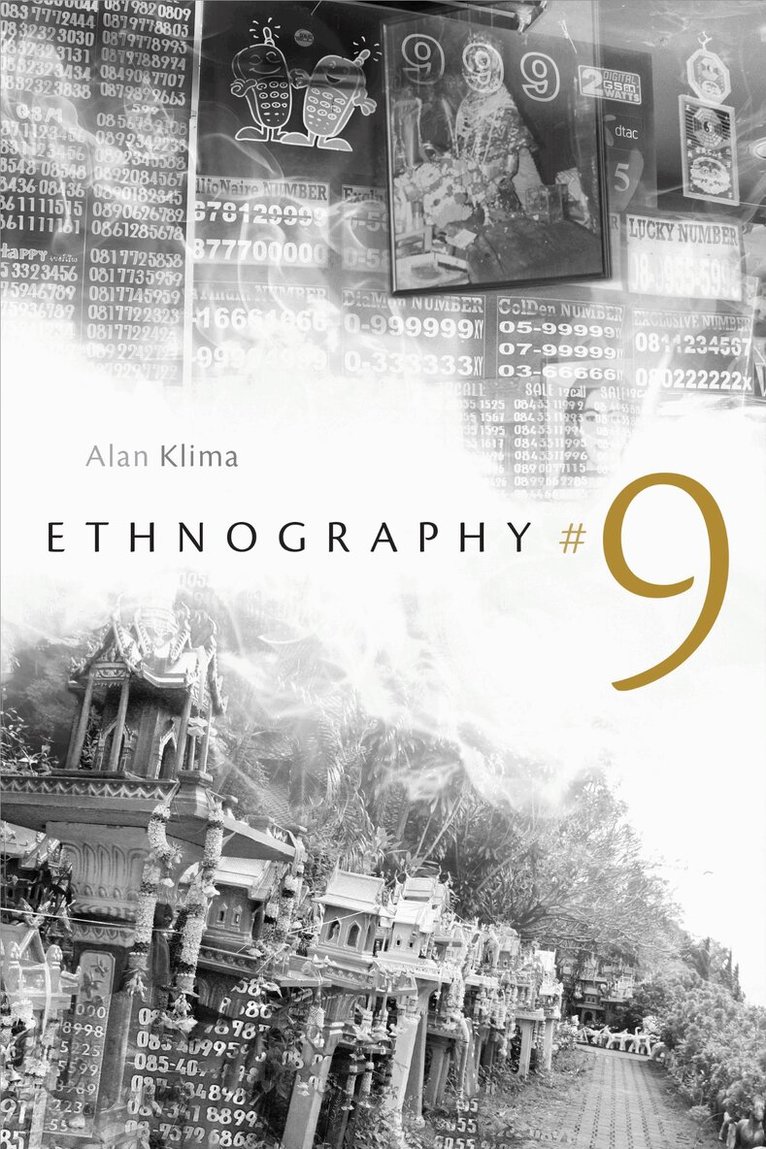
Inbunden, Engelska, 2019
1 366 kr
Skickas inom 5-8 vardagar
As Alan Klima writes in Ethnography #9, “there are other possible starting places than the earnest realism of anthropological discourse as a method of critical thought.” In this experimental ethnography of capitalism, ghosts, and numbers in mid- and late-twentieth-century Thailand, Klima uses this provocation to deconstruct naive faith in the “real” and in the material in academic discourse that does not recognize that it is, itself, writing. Klima also twists the common narrative that increasing financial abstractions in economic culture are a kind of real horror story, entangling it with other modes of abstraction commonly seen as less “real,” such as spirit consultations, ghost stories, and haunted gambling. His unconventional, distinctive, and literary form of storytelling uses multiple voices, from ethnographic modes to a first-person narrative in which he channels Northern Thai ghostly tales and the story of a young Thai spirit. This genre alchemy creates strange yet compelling new relations between being and not being, presence and absence, fiction and nonfiction, fantasy and reality. In embracing the speculative as a writing form, Klima summons unorthodox possibilities for truth in contemporary anthropology.
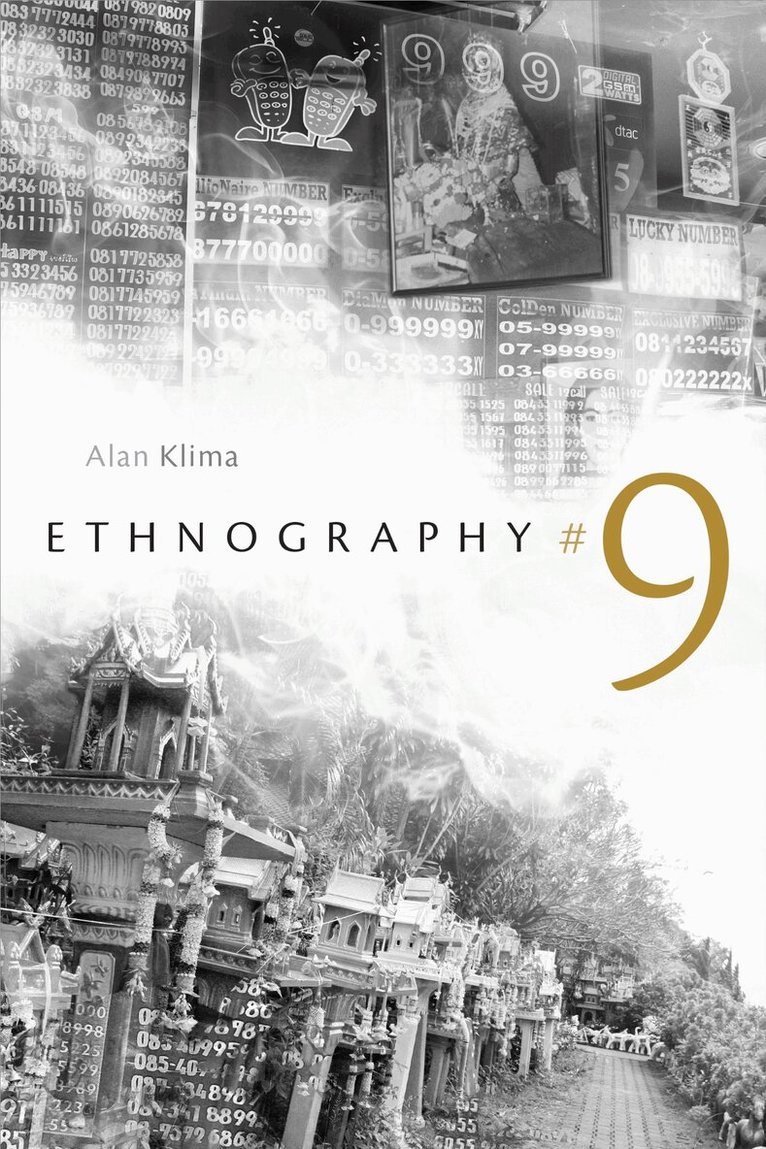
Häftad, Engelska, 2019
337 kr
Skickas inom 5-8 vardagar
As Alan Klima writes in Ethnography #9, “there are other possible starting places than the earnest realism of anthropological discourse as a method of critical thought.” In this experimental ethnography of capitalism, ghosts, and numbers in mid- and late-twentieth-century Thailand, Klima uses this provocation to deconstruct naive faith in the “real” and in the material in academic discourse that does not recognize that it is, itself, writing. Klima also twists the common narrative that increasing financial abstractions in economic culture are a kind of real horror story, entangling it with other modes of abstraction commonly seen as less “real,” such as spirit consultations, ghost stories, and haunted gambling. His unconventional, distinctive, and literary form of storytelling uses multiple voices, from ethnographic modes to a first-person narrative in which he channels Northern Thai ghostly tales and the story of a young Thai spirit. This genre alchemy creates strange yet compelling new relations between being and not being, presence and absence, fiction and nonfiction, fantasy and reality. In embracing the speculative as a writing form, Klima summons unorthodox possibilities for truth in contemporary anthropology.