Alan M. Ball - Böcker
Visar alla böcker från författaren Alan M. Ball. Handla med fri frakt och snabb leverans.
3 produkter
3 produkter
259 kr
Skickas inom 7-10 vardagar
In 1921 Lenin surprised foreign observers and many in his own Party, by calling for the legalization of private trade and manufacturing. Within a matter of months, this New Economic Policy (NEP) spawned many thousands of private entrepreneurs, dubbed Nepmen. After delineating this political background, Alan Ball turns his attention to the Nepmen themselves, examining where they came from, how they fared in competition with the socialist sector of the economy, their importance in the Soviet economy, and the consequences of their "liquidation" at the end of the 1920s. Alan Ball's history of this experiment with capitalism is strikingly relevant to current efforts toward economic reform in the USSR.

334 kr
Skickas
Warfare, epidemics, and famine left millions of Soviet children homeless during the 1920s. Many became beggars, prostitutes, and thieves, and were denizens of both secluded underworld haunts and bustling train stations. Alan Ball's study of these abandoned children examines their lives and the strategies the government used to remove them from the streets lest they threaten plans to mold a new socialist generation. The "rehabilitation" of these youths and the results years later are an important lesson in Soviet history.
892 kr
Skickas inom 5-8 vardagar
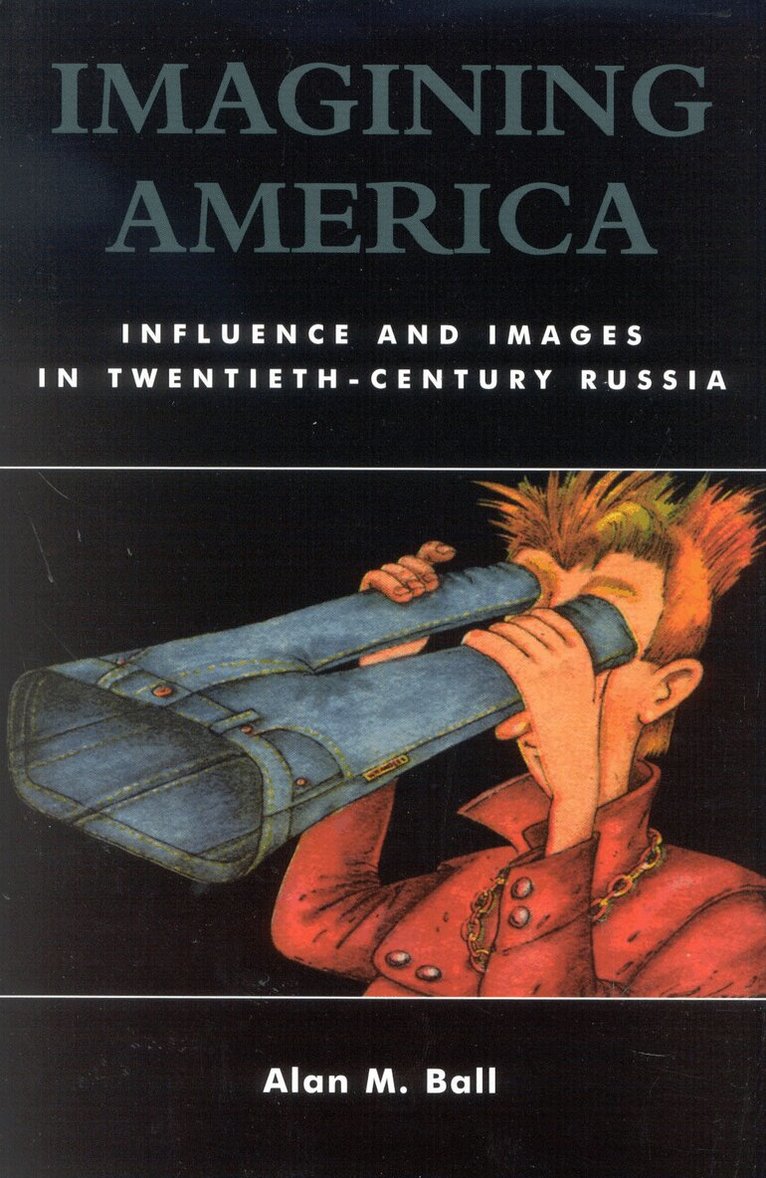
In Imagining America, historian Alan M. Ball explores American influence in two newborn Russian states: the young Soviet Union and the modern Russian Republic. Ball deftly illustrates how in each era Russians have approached the United States with a conflicting mix of ideas—as a land to admire from afar, to shun at all costs, to emulate as quickly as possible, or to surpass on the way to a superior society. Drawing on a wide variety of sources including contemporary journals, newspapers, films, and popular songs, Ball traces the shifting Russian perceptions of American cultural, social, and political life. As he clearly demonstrates, throughout their history Russian imaginations featured a United States that political figures and intellectuals might embrace, exploit, or attack, but could not ignore.