Alan O'Leary - Böcker
Visar alla böcker från författaren Alan O'Leary. Handla med fri frakt och snabb leverans.
3 produkter
3 produkter
Del 3 - imlr books
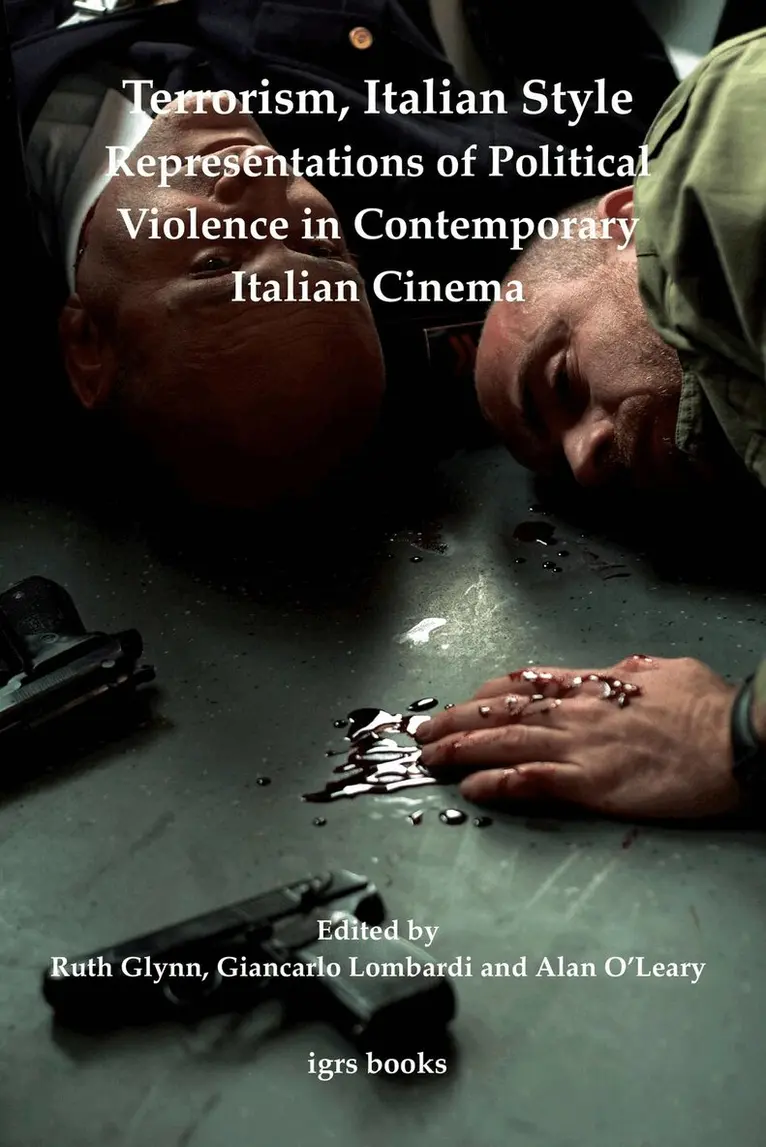
Terrorism, Italian Style: Representations of Political Violence in Contemporary Italian Cinema
Häftad, Engelska, 2012
460 kr
Skickas inom 5-8 vardagar
Del 9 - Italian Modernities
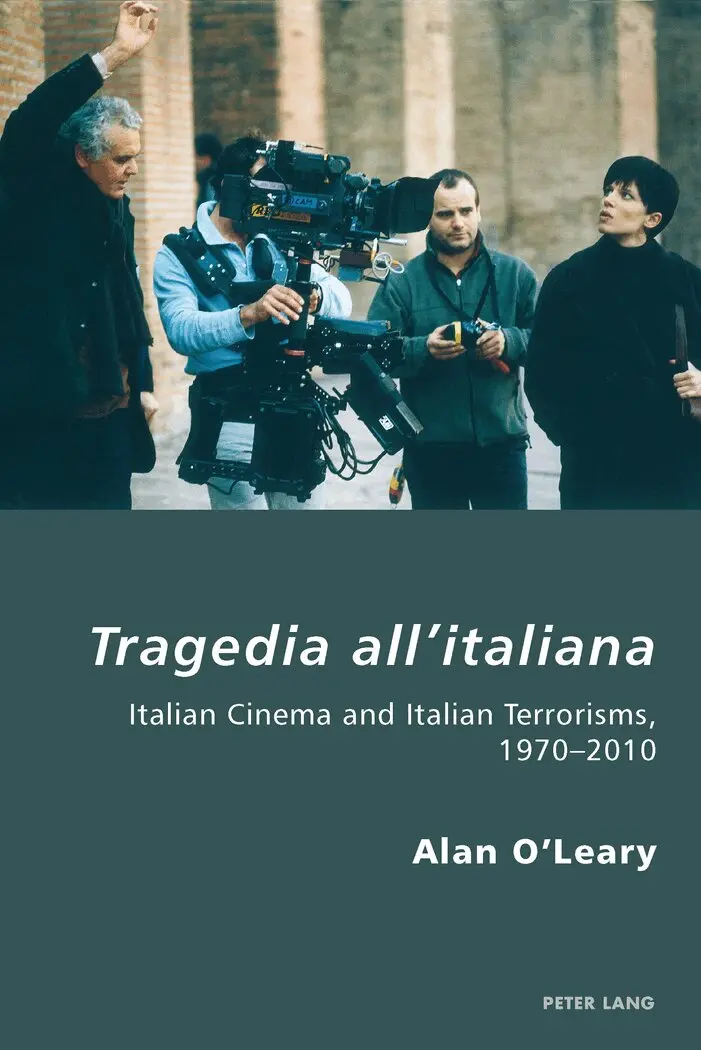
Tragedia all’italiana
Italian Cinema and Italian Terrorisms, 1970-2010
Häftad, Engelska, 2011
912 kr
Skickas inom 5-8 vardagar
Cinema has played a key role in articulating the impact and legacies of the so-called anni di piombo in Italy, the years of intra-national political terrorism that lasted from 1969 until well into the 1980s. Tragedia all’italiana offers an analytical exploration of Italian cinema’s representation and refraction of those years, showing how a substantial and still growing corpus of films has shaped the ways in which Italians have assimilated and remembered the events of this period.This is the first monograph in English on terrorism and film in Italy, a topic that is attracting the interest of a wide range of scholars of film, cultural studies and critical terrorism studies. It provides novel analytical categories for an intriguing corpus of films and offers careful accounts of works and genres as diverse as La meglio gioventú, Buongiorno, notte, the poliziottesco (cop film) and the commedia all’italiana. The author argues that fiction film can provide an effective frame for the elaboration of historical experience but that the cinema is symptomatic both of its time and of the codes of the medium itself – in terms of its elisions, omissions and evasions as well as its emphases. The book is a study of a body of films that has elaborated the experience of terrorism as a fascinating and even essential part of the heritage of modern Italy.
295 kr
Tillfälligt slut
The Battle of Algiers is a figure for liberation and it can still communicate a sense of euphoria to those who experience and study it. The purpose of this book is to account for this power in terms of the film’s complexity and ambivalence – in terms, that is, of the film’s ‘impure’ means. Building on a large body of scholarship, the book focuses on the key themes of location, address and temporality. What is the precise role of the city of Algiers in the film? What are the consequences of its address to multiple audiences, including those in the old colonizing North? What are the effects of the fi lm’s activity of reenactment and what can these tell us about revolutionary agency? Ultimately, the account here of the power of The Battle of Algiers is intended to shed light on the means and capacities of historical and political cinema as such.