Alan Siegel - Böcker
Visar alla böcker från författaren Alan Siegel. Handla med fri frakt och snabb leverans.
4 produkter
4 produkter
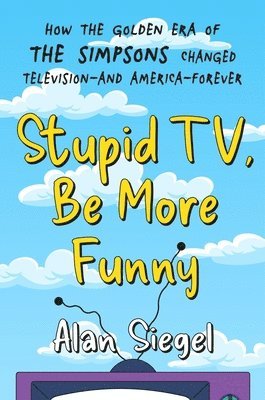
Stupid TV, Be More Funny
How the Golden Era of The Simpsons Changed TV-and American-Forever
Inbunden, Engelska, 2025
259 kr
Skickas inom 7-10 vardagar
This comprehensive account of the meteoric rise of The Simpsons combines incisive pop culture criticism and interviews with the show's creative team that take readers inside the making of an American phenomenon during its most influential decade, the 1990s.The Simpsons is an American institution. But its status as an occasionally sharp yet ultimately safe sitcom that's still going after 33 years on the air undercuts its revolutionary origins. The early years of the animated series didn't just impact Hollywood, they changed popular culture. It wasn't a watercooler show; it was a show that altered the way we talked around the watercooler, in school hallways, and on the campaign trail, by bridging generations with its comedic sensibility and prescient cultural commentary.In STUPID TV, BE MORE FUNNY, writer Alan Siegel reveals how the first decade of the show laid the groundwork for the series' true influence. He explores how the show's rise from 1990 to 1998 intertwined with the supposedly ascendent post-Cold War America, turning Fox into the juggernaut we know today, simultaneously shaking its head at America's culture wars while finding itself in the middle of them. By packing the book with anecdotes from icons like Conan O'Brien and Yeardley Smith, Siegel also provides readers with an unparalleled look inside the making of the show.Through interviews with the show's legendary staff and whip-smart analysis, Siegel charts how The Simpsons developed its singular sensibility throughout the '90s, one that was at once groundbreakingly subversive for a primetime cartoon and shocking wholesome. The result is a definitive history of The Simpsons' most essential decade.
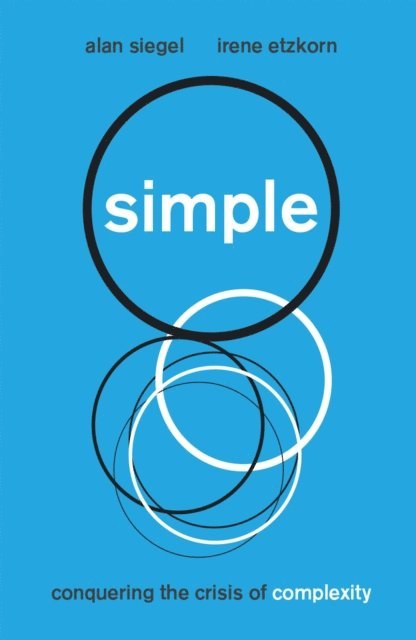
219 kr
Skickas inom 5-8 vardagar
406 kr
Skickas inom 3-6 vardagar
266 kr
Kommande
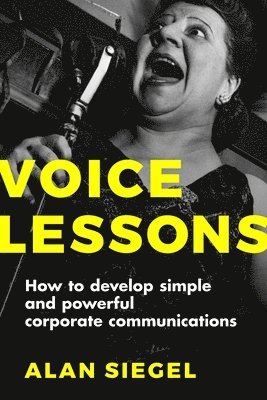
Join one of the best-known figures in branding on a journey of how to develop your brand voice in the digital age.Sadly, the majority of brand messages fail to achieve the most essential tasks of communication. They lack clarity. They pose conflicting messages. They often don’t even pay lip service to integrated themes. The most effective brand voice is the result of a singular and powerful vision that is nurtured in environments that encourage innovation and excellence in communication. Over the last twenty years, the digital revolution has raised the din of marketing communications exponentially, radically altering the messaging environment with its speed, novelty and noise. Every marketer needs to recalibrate their brand voice to find the right pitch and tone, and the ideal volume to be heard. A fully developed voice drives all communications to project a distinct personality that reinforces customer interactions. It’s a “red thread” running through every touch-point, beyond advertising and media to embrace reputation and crisis management.Nearly four decades ago, Alan Siegel made a presentation that captured the attention of the marketing and advertising community. The subject was Brand Voice. All too often, Brand Voice is watered down to a single page of overused words—innovative, human, and collaborative—that are supposed to drive the tone and character of the communications. So it’s not surprising that most brand Voices are predictable, uninspired, generic and often incoherent. This is especially relevant today as the focus shifts from what brands communicate to how brands communicate.Voice Lessons explores Voice in the context of the global marketplace, focusing on how social media and the Internet make it more challenging to develop a distinctive Voice.For corporations, political parties, candidates, doctors, or individuals, navigating the complexity of the exploding media landscape is extremely challenging. Brands must deal with massive fragmentation across the proliferation of mobile, social media platforms, pay TV services, etc.Virtually all voice programs today are structured around three or four words that provide direction for the tone of the text in communications programs. What is needed for organizations, professions and individuals is a more robust approach to building a voice that projects identity —fusing purpose, positioning, messaging, customer interactions and visual style. The essence of an effective voice addresses WHAT you say and how you BEHAVE, not merely how you speak.In Voice Lessons, brand expert Alan Siegel teaches that your voice is the vehicle that defines and drives how you project your organizational identity and personality, conveys your messages and follow through—whether a corporation, physician, or student writing an essay for your college application.