Alan Spree - Böcker
Visar alla böcker från författaren Alan Spree. Handla med fri frakt och snabb leverans.
13 produkter
13 produkter
178 kr
Skickas inom 11-20 vardagar
Nottingham was established as a settlement even before the Normans built their castle there, but the castle became an important stronghold and the medieval town grew around both it and the original settlement in today’s Lace Market area. The castle was later rebuilt but some remains of medieval Nottingham can still be found today, including two of the oldest public houses in the country, Ye Olde Salutation Inn and Ye Olde Trip to Jerusalem. Lacemaking and other industries later left their mark on the city, and the nineteenth century and early twentieth century was an era of great civic pride in the city as the Council House was built, major railway stations and theatres opened and the city expanded its boundaries.In Nottingham: The Postcard Collection author Alan Spree has drawn on a remarkable selection of old postcards to give a pictorial record of life in Nottingham from the late nineteenth century to the early 1950s. Although much of Nottingham has changed over the years, many landmarks have remained and will be familiar today. The postcards show the changes to Nottingham’s fabric and its community adapting and changing over the course of this period. This fascinating collection of images will be of interest to those who have lived in Nottingham or know it well.
178 kr
Skickas
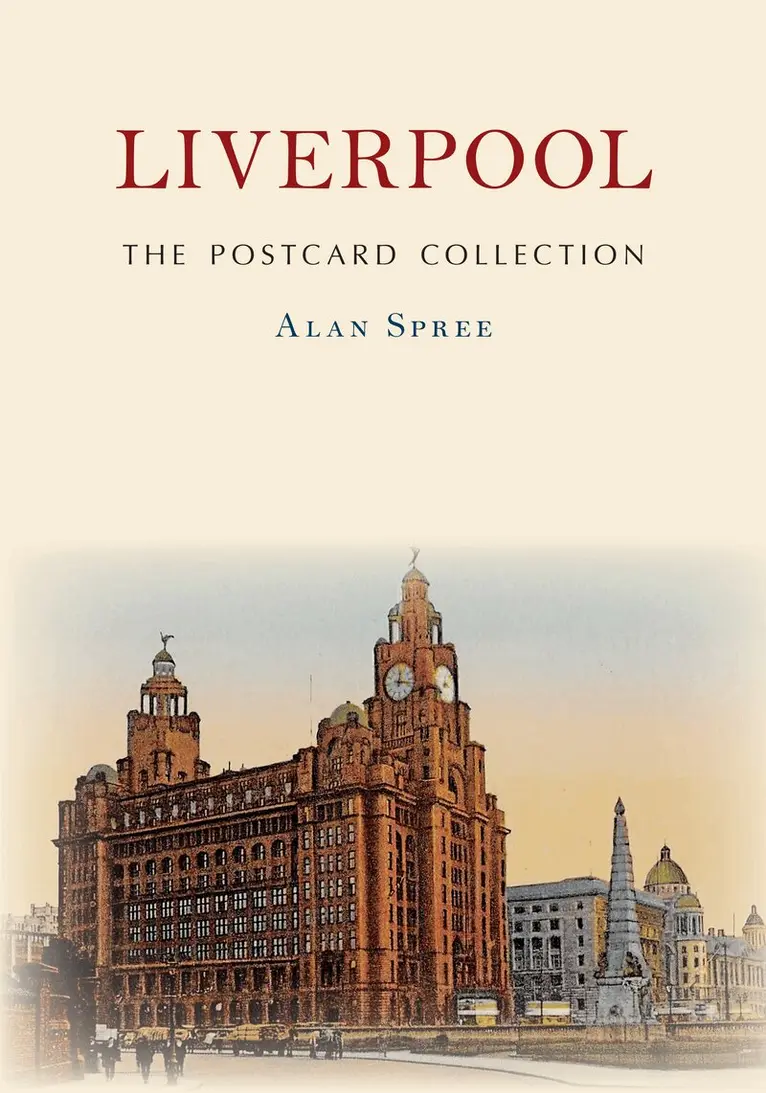
Liverpool was a small port on the River Mersey in the medieval period, but started to grow rapidly in the eighteenth century, benefitting from the expanding transatlantic trade. Wealthy merchants built large houses and invested in the city. During the Victorian age, Liverpool was the second largest city in England and there was a massive programme of civic building to demonstrate Liverpool’s standing. The city drew in people from around Britain and further afield and although it suffered heavily during the Second World War, when it was targeted for aerial bombardment by the Luftwaffe because of the importance of its docks and associated industries, and then in the post-war decades as docks declined, it is today a culturally vibrant city. Although much of old Liverpool was lost in the destruction of war and in the attempts to modernise the city post-war, it is once again a thriving commercial centre that is proud of its heritage.Liverpool: The Postcard Collection takes the reader on an evocative journey into Liverpool’s past through a selection of old postcards from the late nineteenth century to the 1940s, which offer a fascinating window into the history of this dynamic city.
178 kr
Skickas
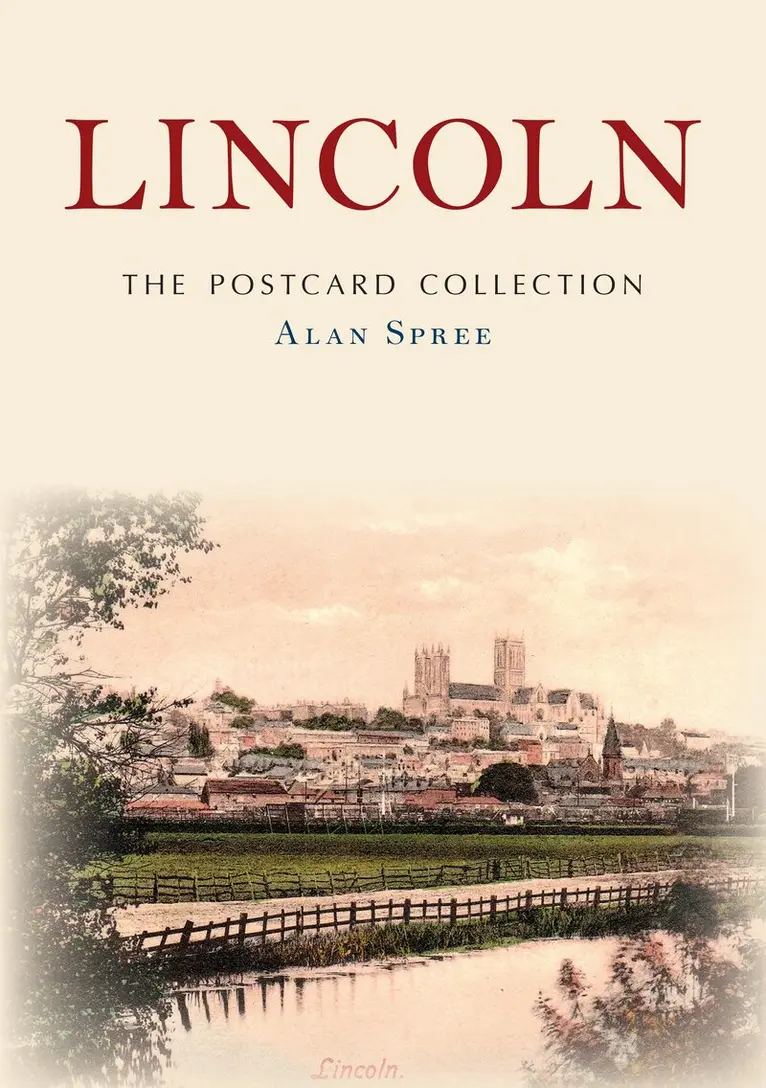
Lincoln can trace its history back to an Iron Age settlement by the River Witham, subsequently a Roman and Viking town. The Norman castle and medieval cathedral, built on a ridge, still dominate the city today, with the suburbs spread out below the hill. Medieval Lincoln was one of the wealthiest towns in the country and many buildings from this period survive today. The city experienced another boom during the Industrial Revolution and manufacturing is still an important part of the city today.In Lincoln: The Postcard Collection author Alan Spree has drawn on a remarkable selection of old postcards to give a pictorial record of life in Lincoln in the past. Although much of Lincoln has changed over the years, many landmarks have remained and will be familiar today. The postcards show the changes to Lincoln’s fabric and its community adapting and changing over the course of this period. This fascinating collection of images will be of interest to those who have lived in Lincoln or know it well.
178 kr
Skickas inom 11-20 vardagar
Leicester has long been an important city in the East Midlands. Remains of Roman Leicester can still be seen today, as well as many buildings from the Middle Ages, not least being the resting place of Richard III at the end of the Wars of the Roses. Leicester grew rapidly during industrialisation, led by industries such as textiles, clothing, footwear and engineering. It was granted city status in 1919 after its industries had played a key role in the First World War and St Martin’s Church was consecrated as the cathedral in 1927. The last 100 years have seen sweeping changes to Leicester as the city has extended and rebuilt itself.In Leicester: The Postcard Collection author Alan Spree has drawn on a remarkable selection of old postcards to give a pictorial record of life in Leicester in the past, from c. 1900 to the 1950s. Although some of the historical Leicester seen in these views has been lost, many landmarks have remained and will be familiar today. The postcards show the changes in Leicester’s fabric and how its community has adapted to and changed over the course of this period. This fascinating collection of images will be of interest to those who have lived in Leicester or know it well.
173 kr
Skickas
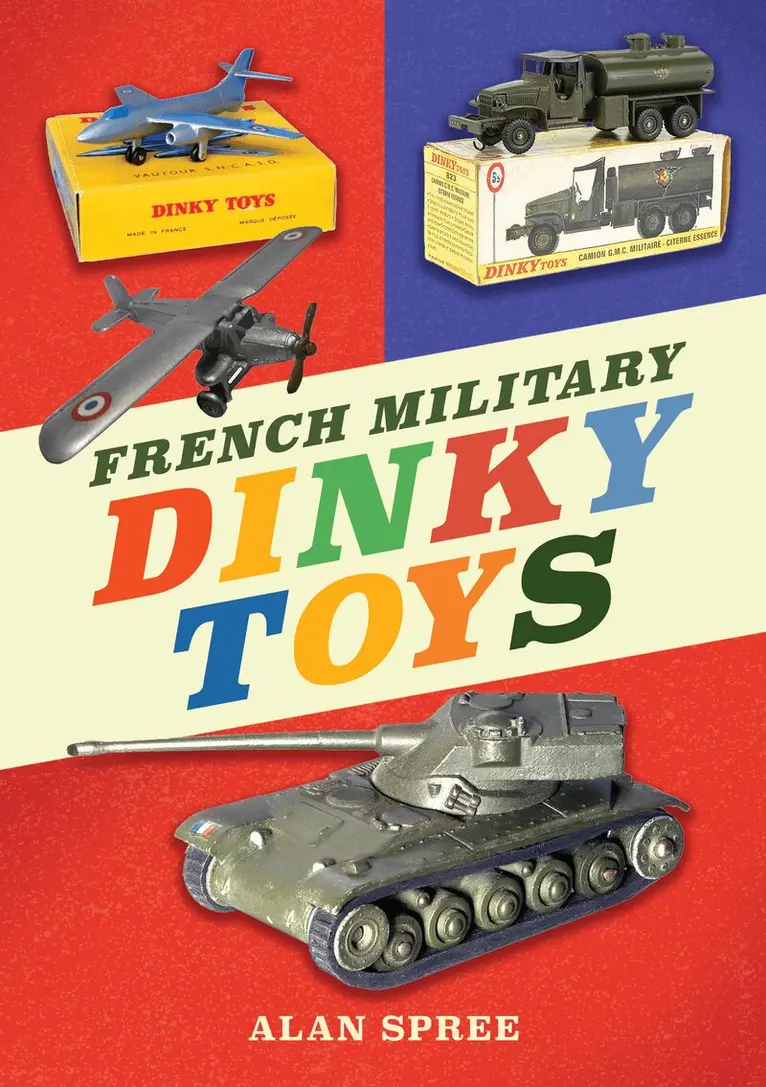
French Military Dinky Toys are very collectable and make an excellent standalone collection or addition to a collection of their British counterparts.This book details the Army, Navy and Air Force Dinky Toys made or issued in France with examples given of each model and its box where applicable. It includes a list of the models and some relevant extracts from French catalogues.Alan Spree gives an overall view of each model produced, including information on details such as hub types, axle sizes, casting differences, with or without a driver, baseplate markings, with or without windows and different tyre types. The models are shown in the original numerical order.
178 kr
Skickas
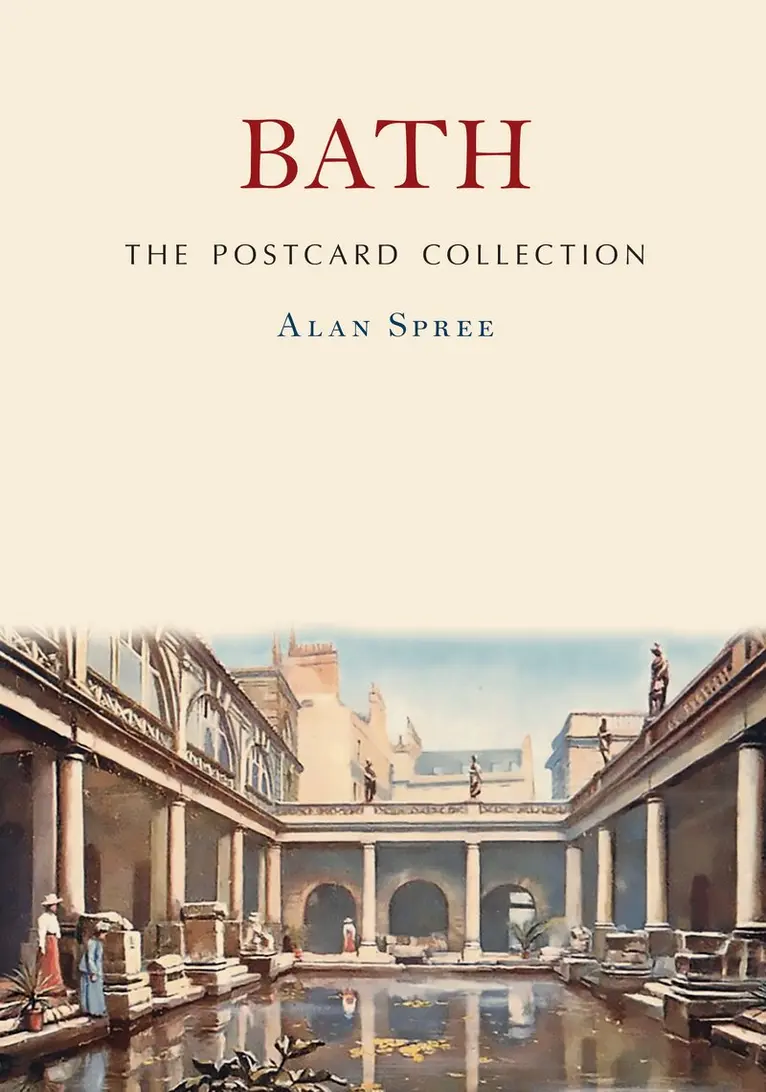
The spa town of Bath has drawn visitors since the Roman’s built baths and a temple at the site of hot springs in the Avon valley. Bath Abbey was founded in the seventh century but it was in the eighteenth century that the town became the fashion centre of England. Bath’s Georgian architecture is one of its chief glories today but the city has seen many changes in the intervening years, not least the destruction caused by aerial bombardment during the Second World War. Post-war years saw new housing and commercial redevelopment in the city, museums opened, fresh industries established and the expansion of its two universities.In Bath: The Postcard Collection author Alan Spree has drawn on a remarkable selection of old postcards to give a pictorial record of life in Bath in the past. Although some of historical Bath seen in these views has been lost, many landmarks have remained and will be familiar today. This fascinating collection of images will be of interest to those who have lived in Bath or know it well.
178 kr
Skickas
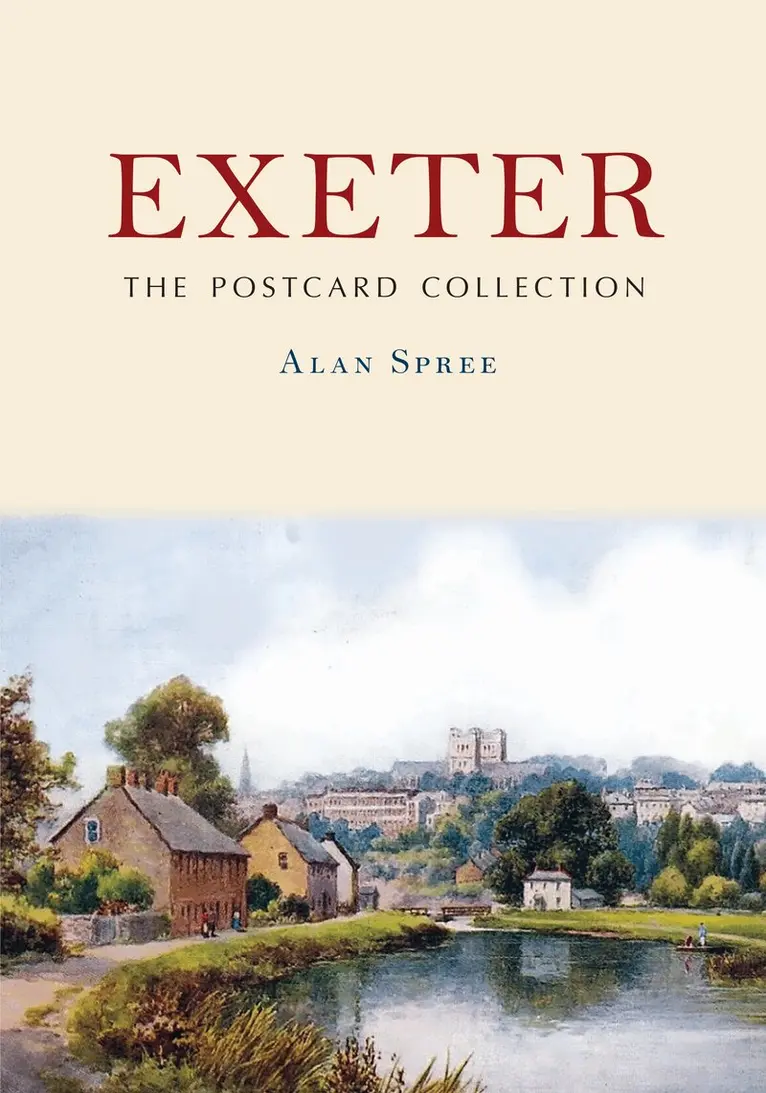
Exeter has long been an important city in Devon, centred around its medieval cathedral. Much of the historic city centre was lost during the Second World War and subsequent redevelopment, but some scenes of Exeter from the past would still be recognisable today. Historic buildings stand next to redeveloped commercial centres, though many landmarks of old Exeter were lost and even the street plan was altered in places. In Exeter: The Postcard Collection author Alan Spree has drawn on a remarkable selection of old postcards to give a pictorial record of life in this city’s past. Although some of the historic Exeter seen in these views has been lost, many landmarks have remained and will be familiar today. The postcards show how Exeter’s fabric and community have adapted and changed over the years. This fascinating collection of images will be of interest to those who have lived in Exeter or know it well.
178 kr
Kommande
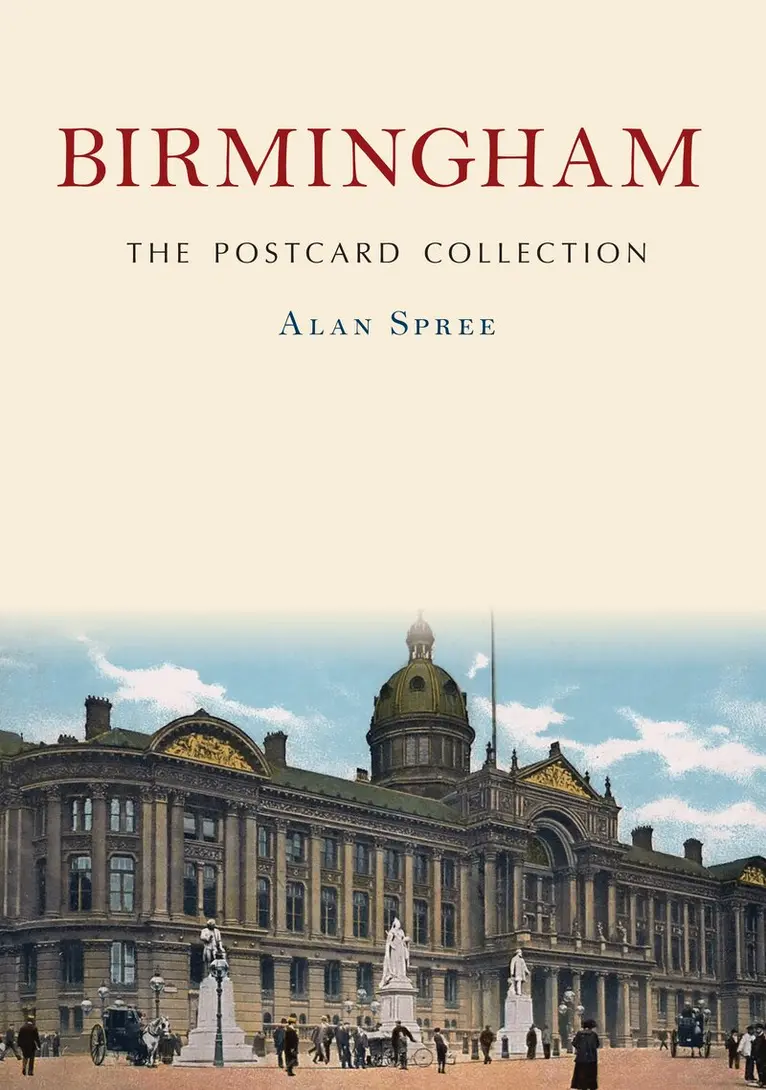
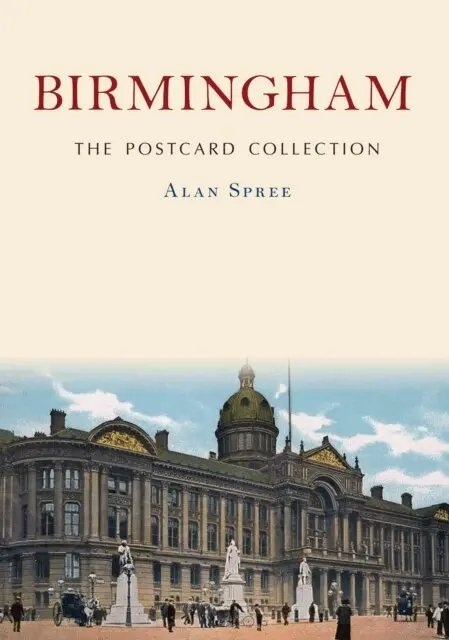
Birmingham expanded massively in the eighteenth and nineteenth centuries, becoming the second-largest city in Britain. It led the way in new technology and manufacturing during the Industrial Revolution, as well as being the cultural centre of the Midlands. Although the centre was severely damaged in aerial bombardment in the Second World War, and subsequently rebuilt in modern style in the post-war era, much of historical Birmingham remains alongside the city’s new buildings and streets, criss-crossed by its distinctive canal network.In Birmingham: The Postcard Collection author Alan Spree has drawn on a remarkable selection of old postcards to give a pictorial record of life in the city’s past. Although some of the historical Birmingham seen in these views has been lost, many landmarks have remained and will be familiar today. This fascinating collection of images will be of interest to those who have lived in Birmingham or know it well.
173 kr
Skickas
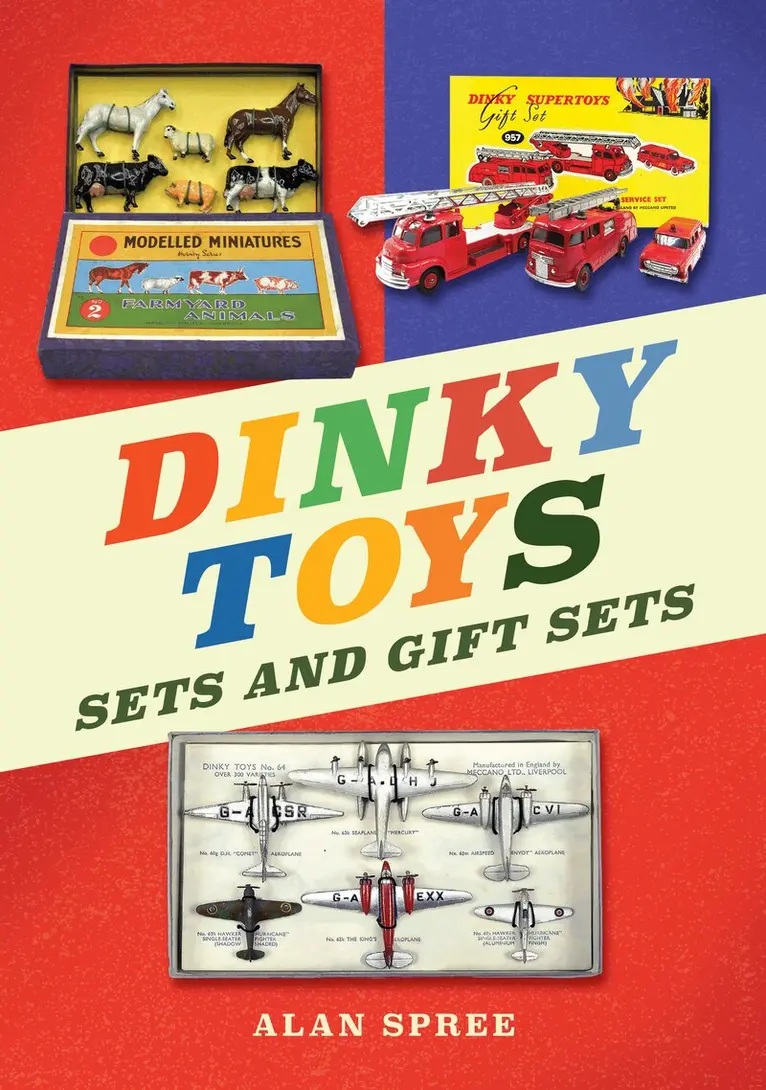
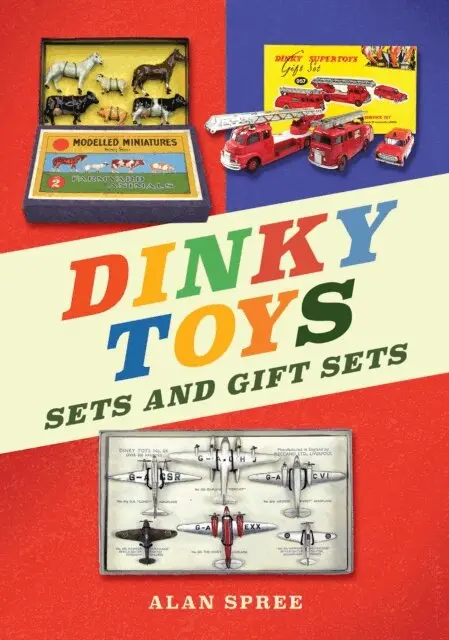
Frank Hornby established Meccano in 1901 to make metal erector construction sets and produced these at the Binns Road factory in Liverpool, and later also produced Hornby Train sets and accessories named Modelled Miniatures, which later became Dinky Toys in December 1933. The Binns Road factory closed in November 1979 which signalled the end of the ‘proper’ Dinky Toy. This book features, in numerical order, the sets issued by Meccano Ltd as Dinky Toys or earlier as Modelled Miniatures. The sets cover the majority of the range of models produced, including aeroplanes, model figures, trains, army vehicles, commercial vehicles, railway signals, road signs, racing cars, emergency vehicles, Star Wars spaceships, motor cars, television vehicles and even doll’s-house furniture. Many of the boxes that the models were originally sold in are also pictured and captions detail wherever possible the dates of production, length or height of the model as relevant, particular features, price at the time of issue and reissuing number information.Packed with rare and interesting examples, this is an essential read for both enthusiasts and those who are nostalgic for the Dinky Toys of their youth.
168 kr
Skickas inom 11-20 vardagar
The city of Nottingham has long been one of Britain’s most important cities. As Nottinghamshire grew in prosperity during the Middle Ages the city became the heart of a prosperous local centre of trade and business. Later, during the Industrial Revolution parts of the county were transformed by the new industries and the city played an important role in the textile industry as an internationally renowned lace-manufacturing area. Today, Nottingham is a thriving commercial city in the East Midlands, and the area attracts numerous visitors for its modern amenities as well as its historical and cultural heritage.In this fascinating collection of images from around the end of the Edwardian era to the start of the 1930s, author Alan Spree has collected the work of one photographer, John Henry Spree, who produced commercial postcards of Nottingham and the surrounding area of Nottinghamshire. These photographs show many of the well-known landmarks of Nottingham and surrounding towns and villages but also how much these places and the life of their inhabitants have changed in the last century. John Henry Spree’s Nottinghamshire provides something for everyone, be they long-time residents or first-time visitors.
168 kr
Skickas inom 11-20 vardagar
The town of Hastings, on the coast of East Sussex, was one of the medieval Cinque Ports on the south-east coast of England, benefitting from trade with Continental Europe. As the town developed into a seaside resort in the nineteenth century with the arrival of the railway, the adjoining settlement of St Leonards was built as an elegant new town to attract wealthy incomers. Hastings still operates a fishing fleet today and has grown into a large, culturally diverse town that welcomes many visitors to its ancient streets, historic old town and beaches.In Hastings & St Leonards: The Postcard Collection author Alan Spree has drawn on a remarkable selection of old postcards to give a pictorial record of life in these towns in the past, from the Edwardian period to the end of the First World War. Although many landmarks have remained the same over the years, there have also been many changes in Hastings and St Leonards and the photographs show the towns and their communities adapting and changing over the course of this period. This fascinating collection of images will be of interest to those who have lived in Hastings and St Leonards or know them well.
173 kr
Skickas
This book on British-produced Military Dinky Toys takes a detailed look at the popular Army, Naval and Aircraft models produced from 1933 until the closure of the Binns Road factory in 1977.The book includes sections on the history of the British-produced military models and on the different scales used. The book is intended to give an overall view of each model produced. The models are shown in numerical rather than chronological order.There is an image of each model with captions showing dates of production, scale of the model where applicable, particular features, information about whether it is a reissued model, and relevant dimensions. In many cases the issue price and the date of its first appearance in Meccano Magazineare shown. Most of the images show the boxes that the models were originally sold in and, where possible, the variants on the box.Packed with rare and interesting examples, this is an essential read both for enthusiasts and those who would simply like to be reminded of the Dinky toys of their youth.
178 kr
Skickas inom 11-20 vardagar
The city of Portsmouth, on the Hampshire coast, has been an important naval base for centuries and is still home to much of the Royal Navy’s fleet today. The town has grown around its dockyards, spreading down to include the resort of Southsea on the southern point of Portsea Island in the nineteenth century. At the turn of the twentieth century Portsmouth was regarded as the world’s greatest port, with a large proportion of the town working in the dockyards, particularly refitting ships during the First World War. Portsmouth became a city in 1926 and, as a major naval base and embarkation centre for the troops for D-Day, it was a target for heavy aerial bombardment during the Blitz, which left much of the old city and the surrounding areas destroyed.In Portsmouth The Postcard Collection the author has drawn on a remarkable selection of old postcards to give a pictorial record of life in Portsmouth in the past, from c. 1900 to the end of the Second World War. Although much of historical Portsmouth was lost during the Second World War, some landmarks have remained and will be familiar today. The postcards show the changes to Portsmouth’s fabric and its community adapting and changing over the course of this period, and will be of interest to those who have lived in Portsmouth or know it well.