Alana Jelinek - Böcker
Visar alla böcker från författaren Alana Jelinek. Handla med fri frakt och snabb leverans.
5 produkter
5 produkter
1 142 kr
Skickas inom 10-15 vardagar
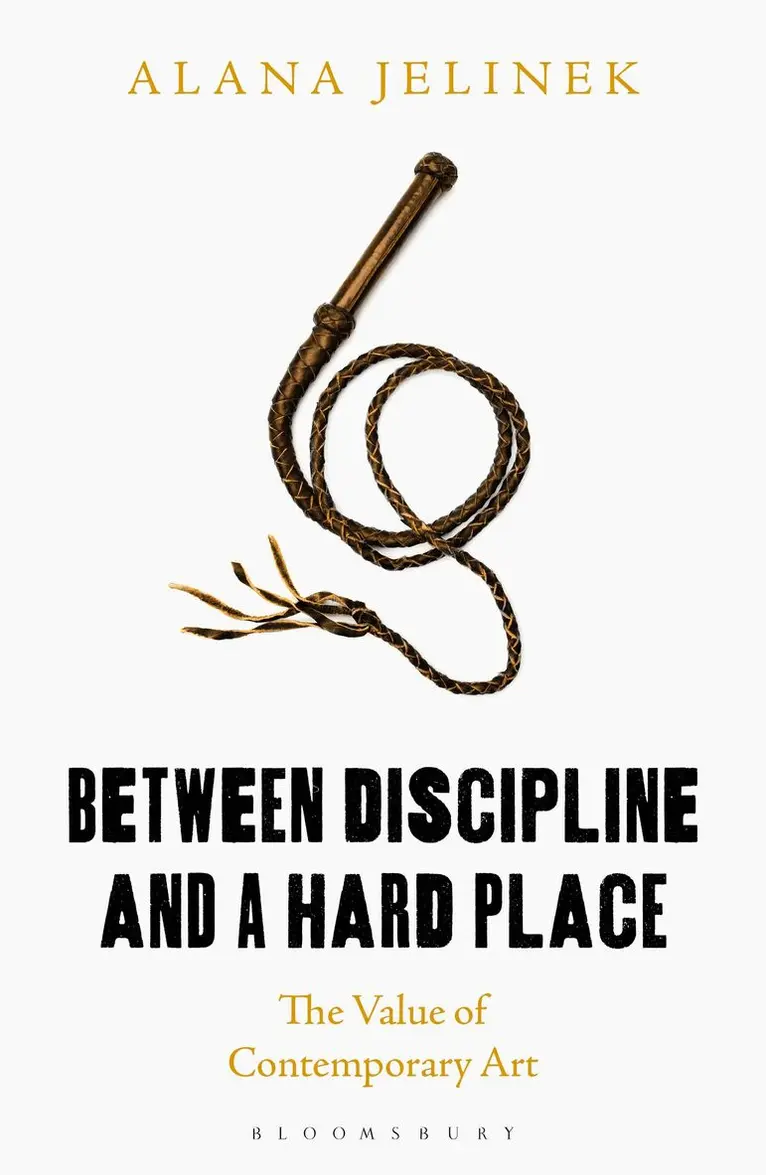
Written from the perspective of a practising artist, this book proposes that, against a groundswell of historians, museums and commentators claiming to speak on behalf of art, it is artists alone who may define what art really is.Jelinek contends that while there are objects called ‘art’ in museums from deep into human history and from around the globe - from Hans Sloane's collection, which became the foundation of the British Museum, to Alfred Barr’s inclusion of ‘primitive art’ within the walls of MoMA, the Museum of Modern Art - only those that have been made with the knowledge and discipline of art should rightly be termed as such. Policing the definition of art in this way is not to entrench it as an elitist occupation, but in order to focus on its liberal democratic potential.Between Discipline and a Hard Place describes the value of art outside the current preoccupation with economic considerations yet without resorting to a range of stereotypical and ultimately instrumentalist political or social goods, such as social inclusion or education. A wider argument is also made for disciplinarity, as Jelinek discusses the great potential as well as the pitfalls of interdisciplinary and multidisciplinary working, particularly with the so-called ‘creative’ arts.A passionate treatise arguing for a new way of understanding art that forefronts the role of the artist and the importance of inclusion within both the concept of art and the art world.
341 kr
Skickas inom 10-15 vardagar
Written from the perspective of a practising artist, this book proposes that, against a groundswell of historians, museums and commentators claiming to speak on behalf of art, it is artists alone who may define what art really is.Jelinek contends that while there are objects called ‘art’ in museums from deep into human history and from around the globe - from Hans Sloane's collection, which became the foundation of the British Museum, to Alfred Barr’s inclusion of ‘primitive art’ within the walls of MoMA, the Museum of Modern Art - only those that have been made with the knowledge and discipline of art should rightly be termed as such. Policing the definition of art in this way is not to entrench it as an elitist occupation, but in order to focus on its liberal democratic potential.Between Discipline and a Hard Place describes the value of art outside the current preoccupation with economic considerations yet without resorting to a range of stereotypical and ultimately instrumentalist political or social goods, such as social inclusion or education. A wider argument is also made for disciplinarity, as Jelinek discusses the great potential as well as the pitfalls of interdisciplinary and multidisciplinary working, particularly with the so-called ‘creative’ arts.A passionate treatise arguing for a new way of understanding art that forefronts the role of the artist and the importance of inclusion within both the concept of art and the art world.
351 kr
Skickas inom 10-15 vardagar
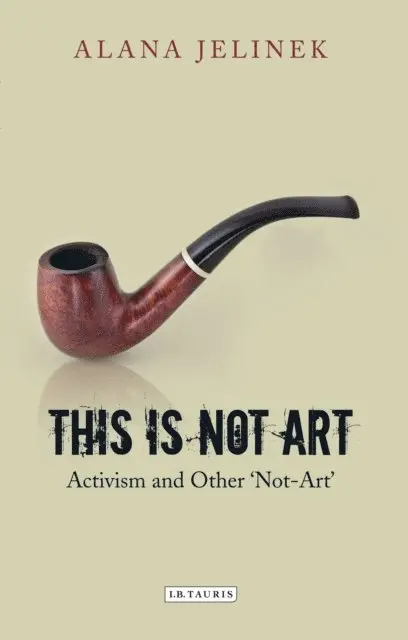
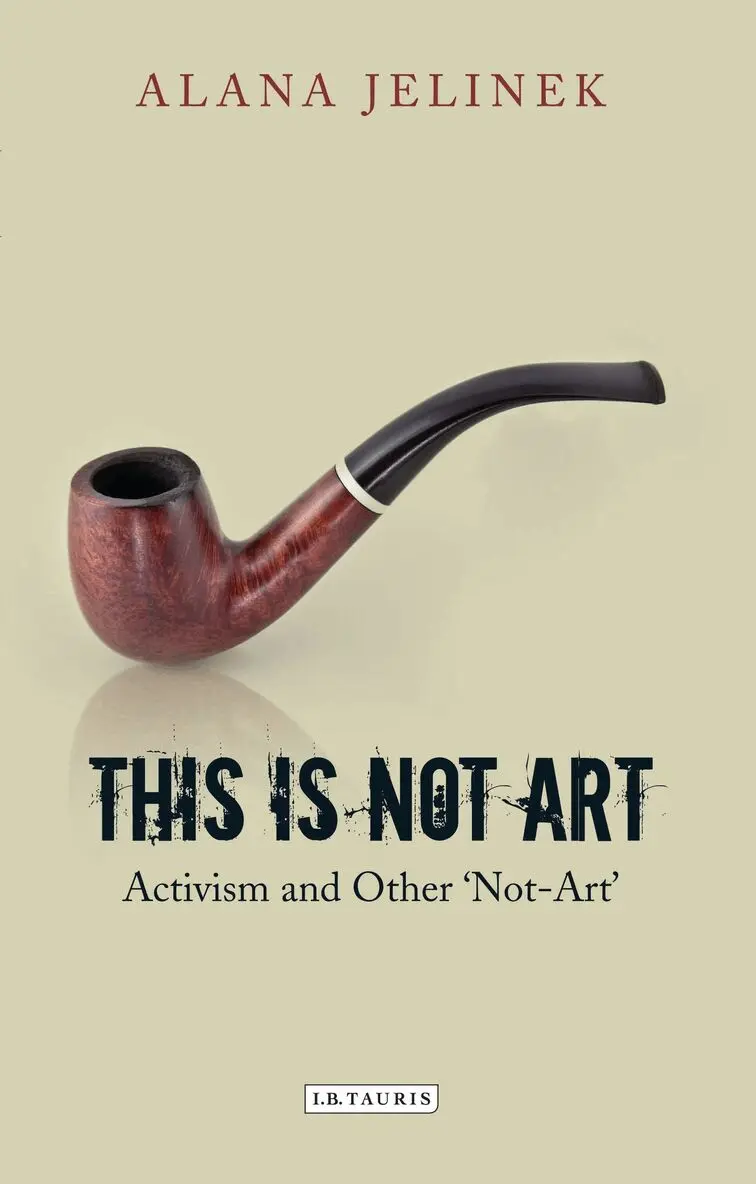
Art is not political action. Art is not education. Art does not exist to make society stronger, or the world a better place. Art disrupts and resists the comfortable, the stiflingly familiar and the status quo, or it only serves to deaden a disenfranchised society further. So argues This Is Not Art, a radical and vigorous critique that debunks myths about art in order to celebrate its real and unique importance. With the postmodern deconstruction of now-outdated shibboleths such as 'genius', 'authenticity' and 'beauty', new and neoliberal myths about art have arisen to take their place: that art's value is primarily monetary as a prized and marketable commodity, or that art is important because it ameliorates social problems. These ideas are not only the province of art-dealers and power-brokers, but pervade the part of the artworld that defines itself as radical, political or ethical too. Highlighting the social mechanisms of legitimisation and dissemination that exclude the genuinely disruptive or defiant, This Is Not Art draws on Foucault and Marx to uncover an artworld obsessed with profit and from which diversity, individuality and freedom have been erased.In the search for a new way to understand art's urgent importance, Alana Jelinek returns to the question of 'what is art?', retelling the history of art practice for our contemporary moment and exposing the ways in which neoliberal norms and values have seeped into every aspect of our lives. From the author's unique perspective as a practicing artist and theoretician, This Is Not Art offers not just a searing criticism of the artworld as it is, but a vision of a new way of understanding and practicing art - as the embodiment of power and agency within us, the possibility of thinking and acting differently, of finding new stories to tell.
722 kr
Tillfälligt slut
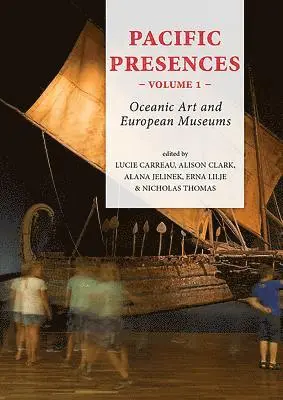
The vast and extraordinary collections from the Pacific, collected from the late eighteenth century onwards, that are dispersed across ethnographic and other museums in Europe amount to hundreds of thousands of artefacts, ranging from seemingly quotidian and utilitarian baskets and fish-hooks to great sculptures of divinities, architectural forms and canoes. Alongside the works themselves are rich archives of documents, drawings by early travellers, and often vast photographic collections, as well as historic catalogues and object inventories. These collections constitute a rich and remarkable resource for understanding society and history across Indigenous Oceania, cross-cultural encounters since the voyages of Captain Cook and his contemporaries, and the colonial transformations of the nineteenth century onwards. These are also collections of profound importance for Islanders today, who have varied responses to their displaced heritage, and renewed interest in understanding ancestral forms and practices.This book, in two volumes, not only enlarges understanding of Oceanic art history and Oceanic collections in important ways, but also enables new reflections upon museums and ways of undertaking work in and around them. It exemplifies a growing commitment on the part of curators and researchers, not merely to consult, but to initiate and undertake research, conservation, acquisition, exhibition, outreach and publication projects collaboratively and responsively.Volume one focuses on the historical formation of ethnographic museums within Europe and the development of Pacific collections within these institutions.
1 571 kr
Skickas inom 11-20 vardagar
The vast and extraordinary collections from the Pacific, collected from the late eighteenth century onwards, that are dispersed across ethnographic and other museums in Europe amount to hundreds of thousands of artefacts, ranging from seemingly quotidian and utilitarian baskets and fish-hooks to great sculptures of divinities, architectural forms and canoes. Alongside the works themselves are rich archives of documents, drawings by early travellers, and often vast photographic collections, as well as historic catalogues and object inventories. These collections constitute a rich and remarkable resource for understanding society and history across Indigenous Oceania, cross-cultural encounters since the voyages of Captain Cook and his contemporaries, and the colonial transformations of the nineteenth century onwards. These are also collections of profound importance for Islanders today, who have varied responses to their displaced heritage, and renewed interest in understanding ancestral forms and practices.This book, in two volumes, not only enlarges understanding of Oceanic art history and Oceanic collections in important ways, but also enables new reflections upon museums and ways of undertaking work in and around them. It exemplifies a growing commitment on the part of curators and researchers, not merely to consult, but to initiate and undertake research, conservation, acquisition, exhibition, outreach and publication projects collaboratively and responsively.Volume two presents the scope of research activities of the project, with chapters focused around the following themes: materialities, collection histories and exhibitions, legacies of empire, contemporary activations.