Alasdair Forbes - Böcker
Visar alla böcker från författaren Alasdair Forbes. Handla med fri frakt och snabb leverans.
3 produkter
3 produkter
1 223 kr
Skickas inom 7-10 vardagar
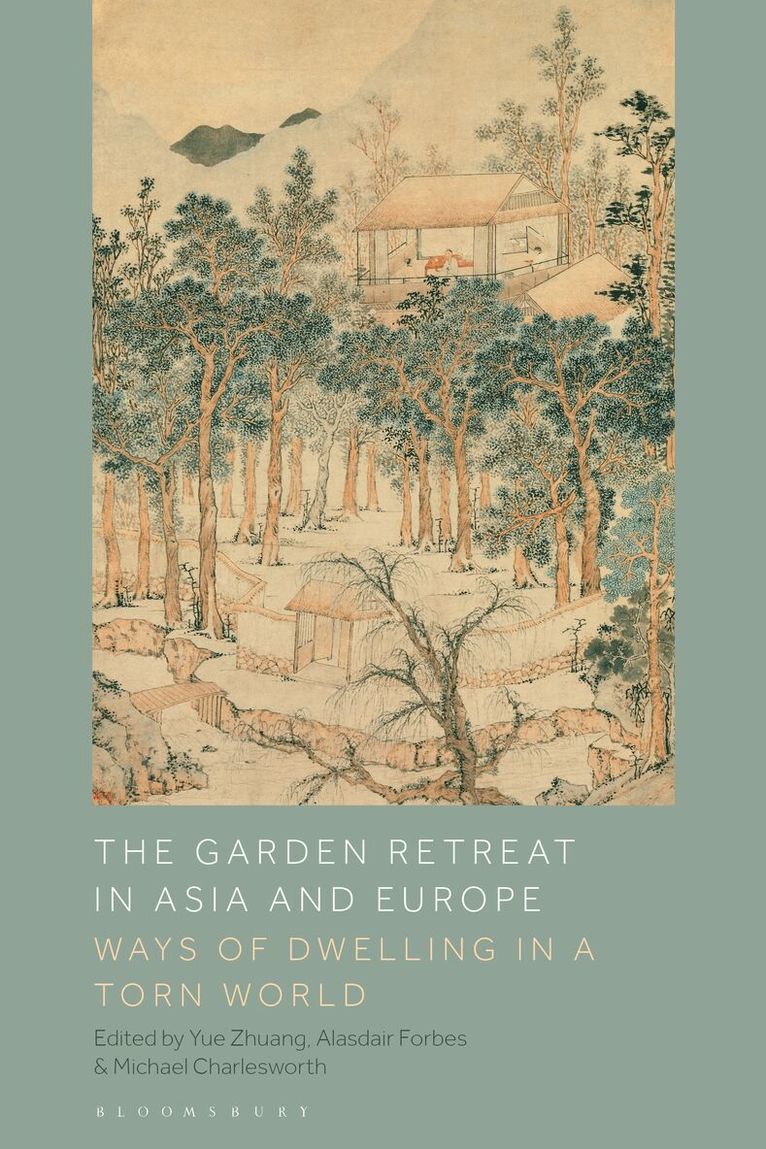
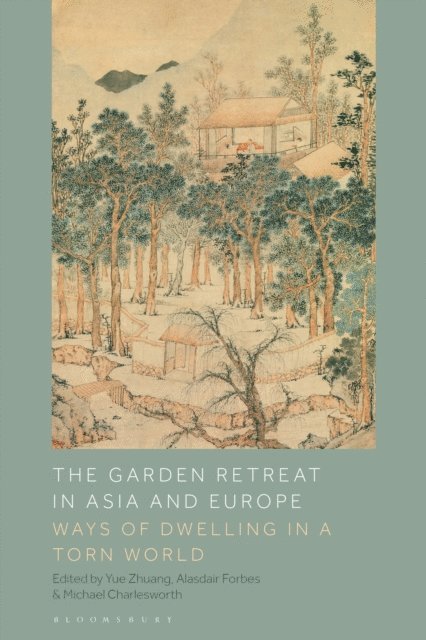
The Garden Retreat in Asia and Europe explores the meaning of gardens and designed landscapes as places of retreat and refuge in times of need or emergency. In the current times of war, pandemic, climate change, and global anxiety, the value of the garden as a sanctuary, a space where we can find refuge in a natural environment, has taken on new and poignant meanings and has attracted increasing academic interest. Multidisciplinary and multicultural in scope, this book explores the meaning of gardens and designed landscapes as places of retreat and refuge in times of need or emergency. Examining perspectives from scholars including art historians, architects, philosophers, landscape architects and garden practitioners, it reassess the restorative impact of the garden, whether understood from an individual, cultural or environmental point of view.Ranging widely across Asia and Europe, its chapters examine ideas, narratives and practices from the 4th-century Chinese poet Tao Yuanming, to the 12th century Iranian polymath Omar Khayyam, through to the late 20th-century British artist and film-maker Derek Jarman. Drawing upon traditional Asian philosophies like Buddhism, Daoism and Sufism and combining these with more recent western philosophies, the aim is to question how the unique virtues of gardens and designed landscapes can help to poise, educate, and possibly transform attitudes and behaviours in a time of personal, environmental, or cultural crisis.At once poetic, scholarly, and rigorous, this book provides insightful reading for students and researchers in landscape architecture, garden history, architectural history, art history, and cultural history.
482 kr
Kommande
The Garden Retreat in Asia and Europe explores the meaning of gardens and designed landscapes as places of retreat and refuge in times of need or emergency. In the current times of war, pandemic, climate change, and global anxiety, the value of the garden as a sanctuary, a space where we can find refuge in a natural environment, has taken on new and poignant meanings and has attracted increasing academic interest. Multidisciplinary and multicultural in scope, this book explores the meaning of gardens and designed landscapes as places of retreat and refuge in times of need or emergency. Examining perspectives from scholars including art historians, architects, philosophers, landscape architects and garden practitioners, it reassess the restorative impact of the garden, whether understood from an individual, cultural or environmental point of view.Ranging widely across Asia and Europe, its chapters examine ideas, narratives and practices from the 4th-century Chinese poet Tao Yuanming, to the 12th century Iranian polymath Omar Khayyam, through to the late 20th-century British artist and film-maker Derek Jarman. Drawing upon traditional Asian philosophies like Buddhism, Daoism and Sufism and combining these with more recent western philosophies, the aim is to question how the unique virtues of gardens and designed landscapes can help to poise, educate, and possibly transform attitudes and behaviours in a time of personal, environmental, or cultural crisis.At once poetic, scholarly, and rigorous, this book provides insightful reading for students and researchers in landscape architecture, garden history, architectural history, art history, and cultural history.
523 kr
Tillfälligt slut
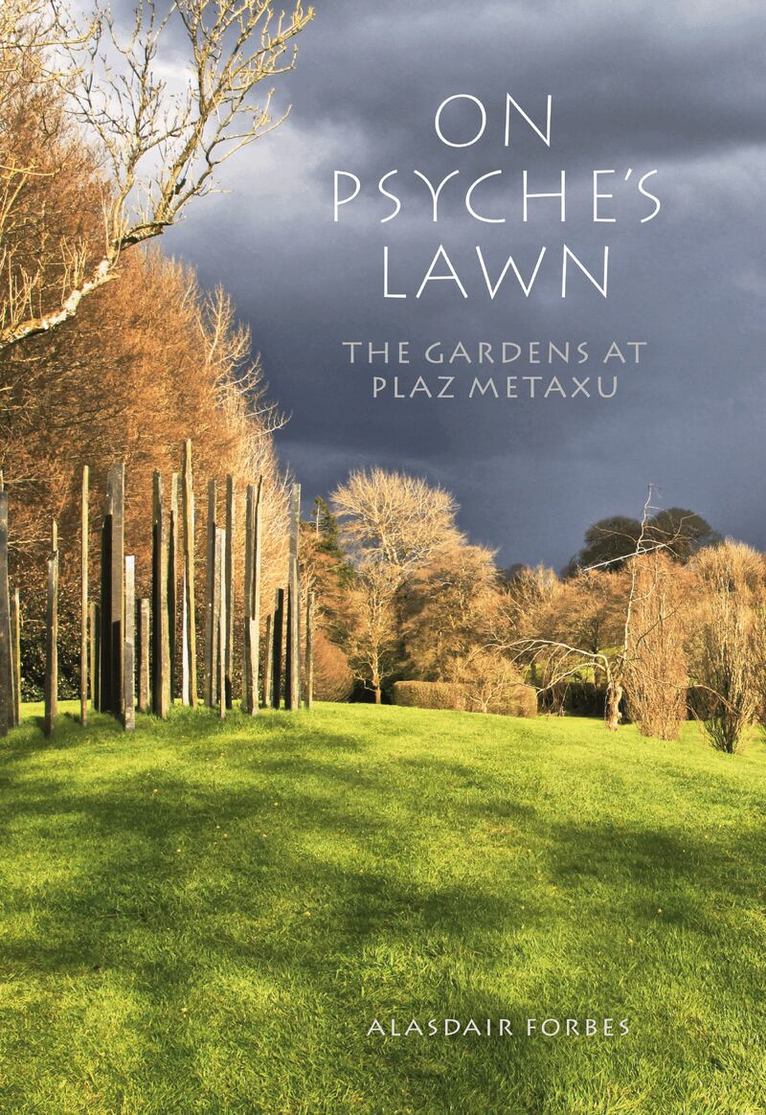
Alasdair Forbes has been developing his innovative and beautiful garden, Plaz Metaxu, in Devon, for the past thirty years. The thirty-two acre garden has been internationally acclaimed both as an unusually ambitious contemporary example of the making of place and for its poetic and psychological insights.Trained as an art historian, Alasdair always wanted his garden to be open to the worlds of myth, literature and the other arts, while remaining keenly aware of the strengths, vulnerabilities and delights a garden has to offer in its own right. He has been the only full-time gardener at Plaz Metaxu from its beginning until the present day, though invaluable part-time assistance has been provided by Cyril Harris (who is not a professional gardener either). The whole garden, with its lawns and fritillary meadows and hedges, its bowers, groves and woods, its lake and its courtyards, its 'carousel beds', and its landscaped walks to far horizons, is entirely the creation of these two men.This beautiful, richly illustrated book is Alasdair's own account of how and why the garden was made. He writes of its many inspirations, from Psyche herself to poets, painters and the mysterious paredros . . . not forgetting the valley landscape, with its noble precedent at Studley Royal, and its wise mentors from the Far East. In everything he has done, Alasdair has been the pupil of the spaces that surround him; his rare gift has been to become their ventriloquist, in finding out how they themselves want to 'speak'.