Yue Zhuang - Böcker
Visar alla böcker från författaren Yue Zhuang. Handla med fri frakt och snabb leverans.
3 produkter
3 produkter
1 226 kr
Skickas inom 7-10 vardagar
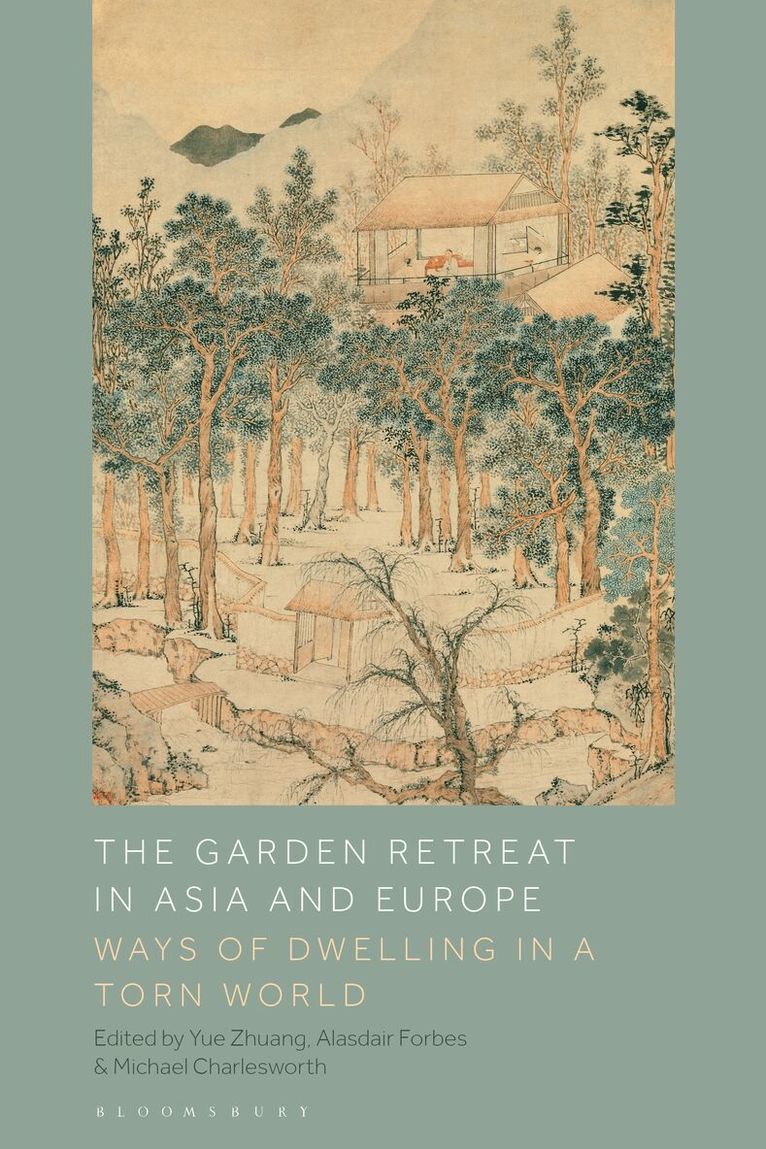
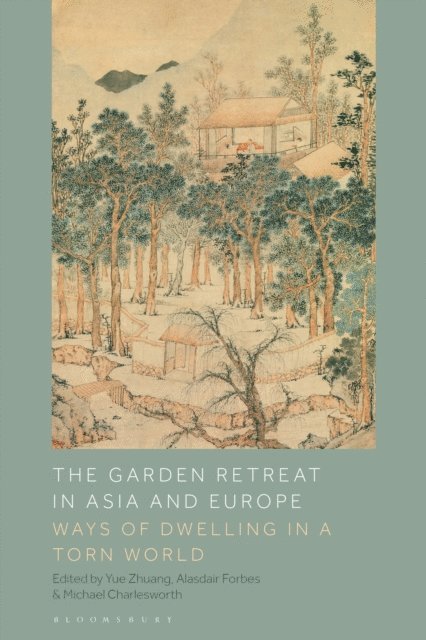
The Garden Retreat in Asia and Europe explores the meaning of gardens and designed landscapes as places of retreat and refuge in times of need or emergency. In the current times of war, pandemic, climate change, and global anxiety, the value of the garden as a sanctuary, a space where we can find refuge in a natural environment, has taken on new and poignant meanings and has attracted increasing academic interest. Multidisciplinary and multicultural in scope, this book explores the meaning of gardens and designed landscapes as places of retreat and refuge in times of need or emergency. Examining perspectives from scholars including art historians, architects, philosophers, landscape architects and garden practitioners, it reassess the restorative impact of the garden, whether understood from an individual, cultural or environmental point of view.Ranging widely across Asia and Europe, its chapters examine ideas, narratives and practices from the 4th-century Chinese poet Tao Yuanming, to the 12th century Iranian polymath Omar Khayyam, through to the late 20th-century British artist and film-maker Derek Jarman. Drawing upon traditional Asian philosophies like Buddhism, Daoism and Sufism and combining these with more recent western philosophies, the aim is to question how the unique virtues of gardens and designed landscapes can help to poise, educate, and possibly transform attitudes and behaviours in a time of personal, environmental, or cultural crisis.At once poetic, scholarly, and rigorous, this book provides insightful reading for students and researchers in landscape architecture, garden history, architectural history, art history, and cultural history.
482 kr
Kommande
The Garden Retreat in Asia and Europe explores the meaning of gardens and designed landscapes as places of retreat and refuge in times of need or emergency. In the current times of war, pandemic, climate change, and global anxiety, the value of the garden as a sanctuary, a space where we can find refuge in a natural environment, has taken on new and poignant meanings and has attracted increasing academic interest. Multidisciplinary and multicultural in scope, this book explores the meaning of gardens and designed landscapes as places of retreat and refuge in times of need or emergency. Examining perspectives from scholars including art historians, architects, philosophers, landscape architects and garden practitioners, it reassess the restorative impact of the garden, whether understood from an individual, cultural or environmental point of view.Ranging widely across Asia and Europe, its chapters examine ideas, narratives and practices from the 4th-century Chinese poet Tao Yuanming, to the 12th century Iranian polymath Omar Khayyam, through to the late 20th-century British artist and film-maker Derek Jarman. Drawing upon traditional Asian philosophies like Buddhism, Daoism and Sufism and combining these with more recent western philosophies, the aim is to question how the unique virtues of gardens and designed landscapes can help to poise, educate, and possibly transform attitudes and behaviours in a time of personal, environmental, or cultural crisis.At once poetic, scholarly, and rigorous, this book provides insightful reading for students and researchers in landscape architecture, garden history, architectural history, art history, and cultural history.
400 kr
Skickas inom 7-10 vardagar
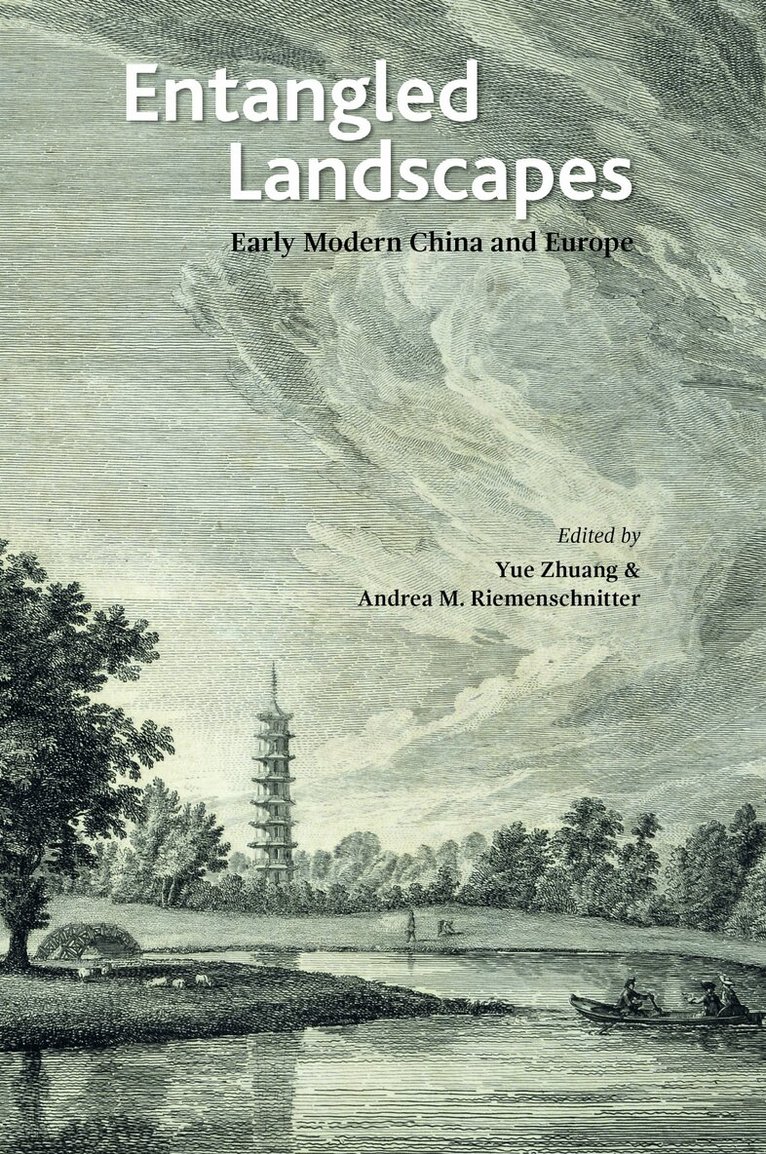
China and Europe have had a storied, and at times stormy, relationship. Yet their relationship is hardly one of a simple, binary exchange. Instead, their roles are best described as entangled. This exchange has a physical manifestation in the world of garden design, as artists on both continents engaged in complex processes of appropriation, crossover, and transformation.Entangled Landscapes focuses on the exchange of ideas of landscape practice between Europe and China in the sixteenth, seventeenth, and eighteenth centuries. Yue Zhuang and Andrea M. Riemenschnitter explore this through three themes – empire-building, mediators’ constraints, and aesthetic negotiations. They challenge our assumptions about how China and Europe influenced one another and go beyond well-documented outcomes like the jardin anglo-chinois and Européenerie styles. Interdisciplinary and revisionist, this brings the critical spirit of postcolonial studies to art history and will appeal to scholars in fields such as comparative literature and visual culture, history, and human geography.