Alberto Vannucci – författare
Visar alla böcker från författaren Alberto Vannucci. Handla med fri frakt och snabb leverans.
12 produkter
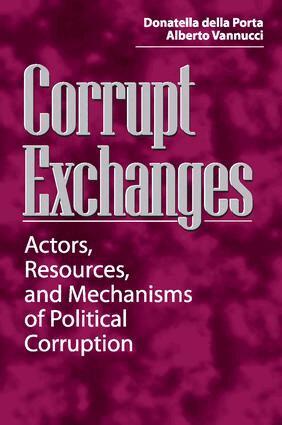
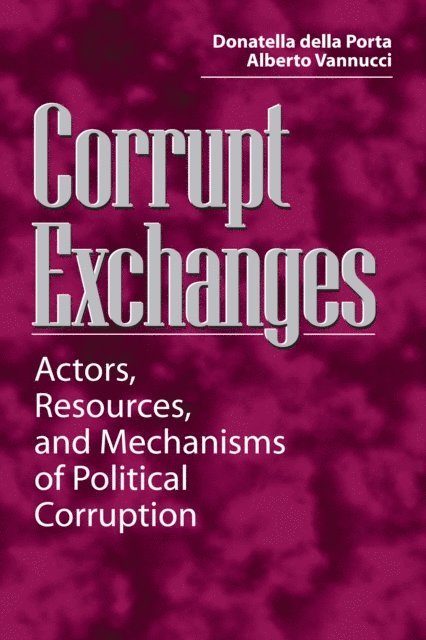
Corrupt Exchanges
Actors, Resources, and Mechanisms of Political Corruption
Av Donatella della Porta, Alberto Vannucci
Häftad, 1999
793 kr
Lägg i varukorg
Political corruption has traditionally been presented as a phenomenon characteristic of developing countries, authoritarian regimes, or societies in which the value system favored tacit patrimony and clientelism. Recently, however, the thesis of an inverse correlation between corruption and …
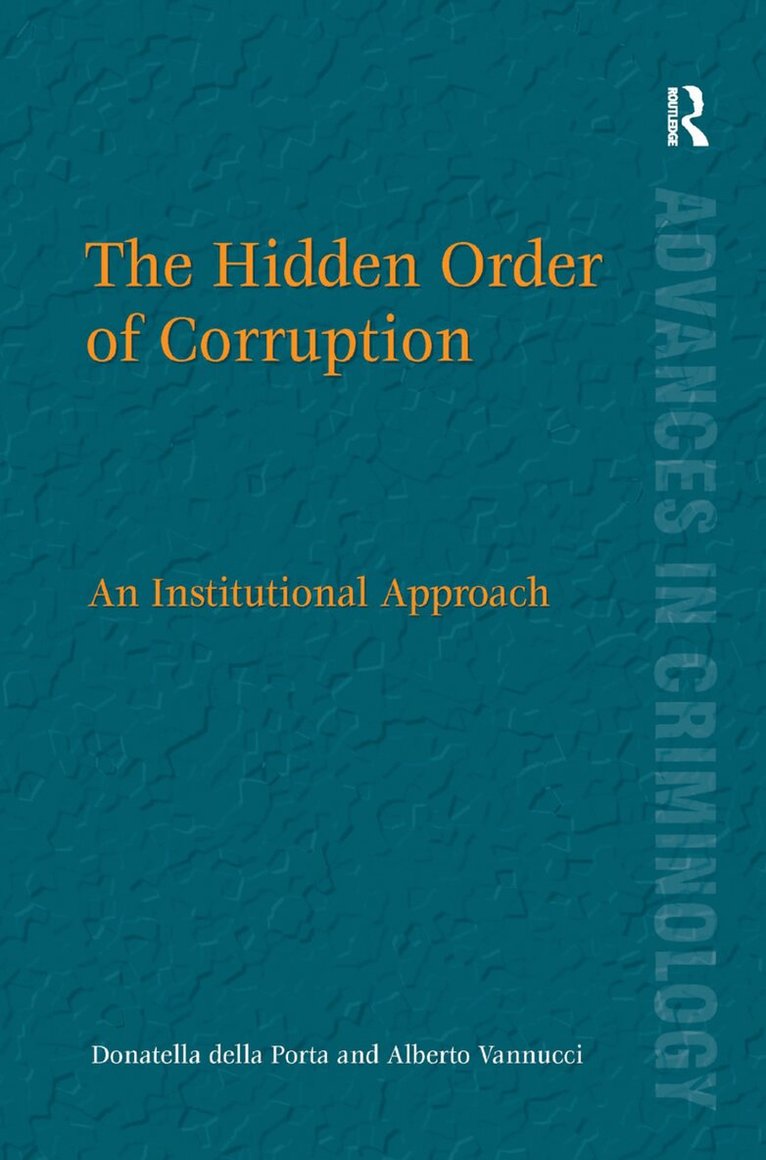
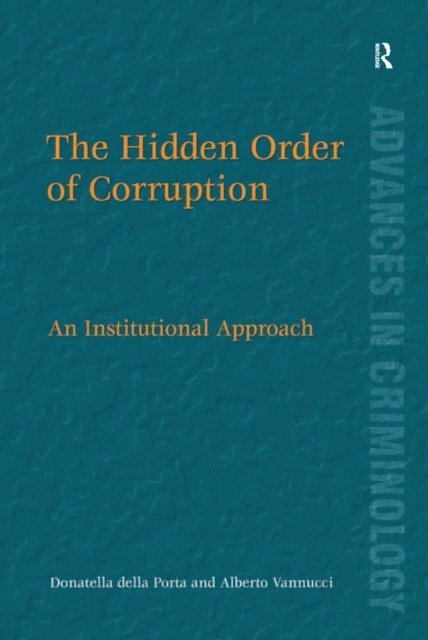
Hidden Order of Corruption
An Institutional Approach
Av Donatella della Porta, Alberto Vannucci
Inbunden, 2011
2513 kr
Lägg i varukorg
When corruption is exposed, unknown aspects are revealed which allow us to better understand its structures and informal norms. This book investigates the hidden order of corruption, looking at the invisible codes and mechanisms that govern and stabilize the links between corrupters and corruptees. …
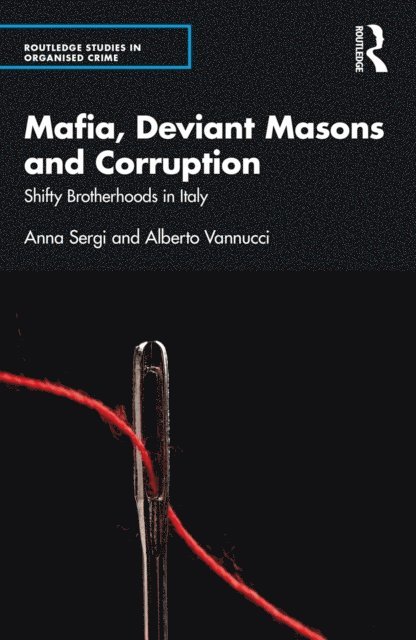
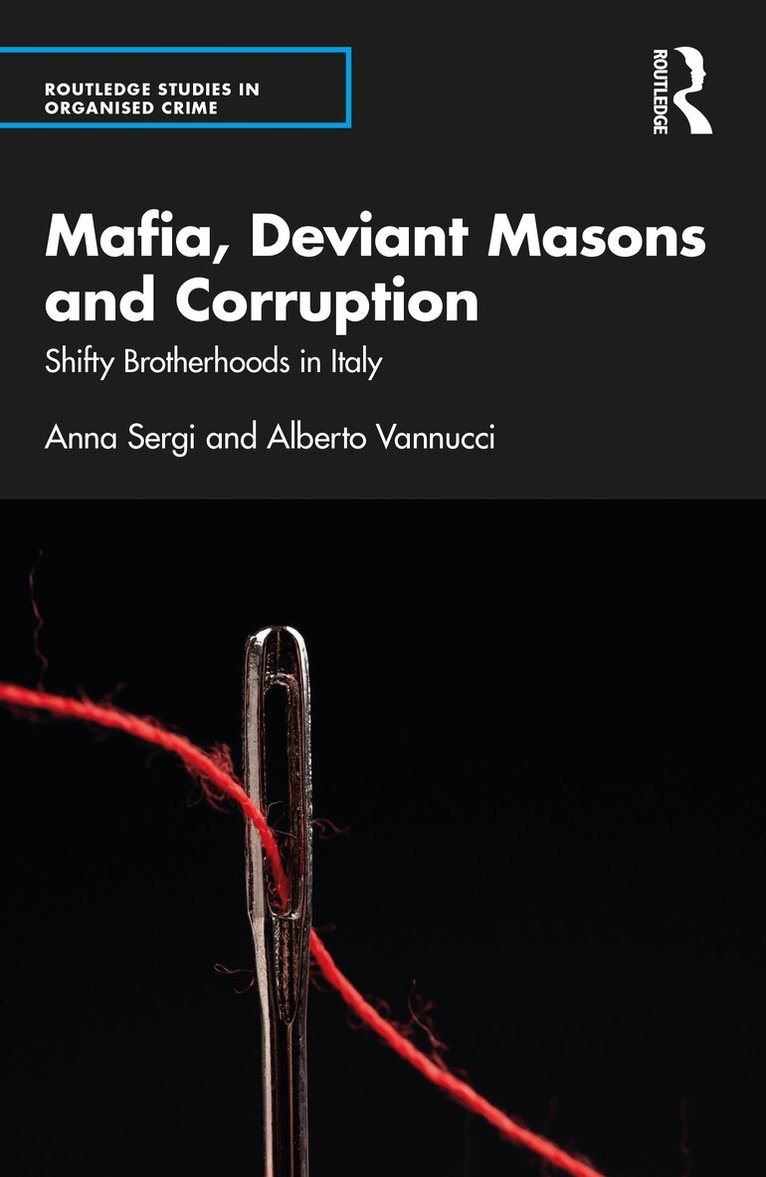
Mafia, Deviant Masons and Corruption
Shifty Brotherhoods in Italy
Av Alberto Vannucci, Anna Sergi
E-bok, 2023
745 kr
Lägg i varukorg
This book is the first to consider the intersection between mafia power and deviant masonic lodges within the political sphere of the contemporary Italian state. At its core, it offers an analysis of the shifting interactions across powerful actors and the ways in which they balance reciprocal …
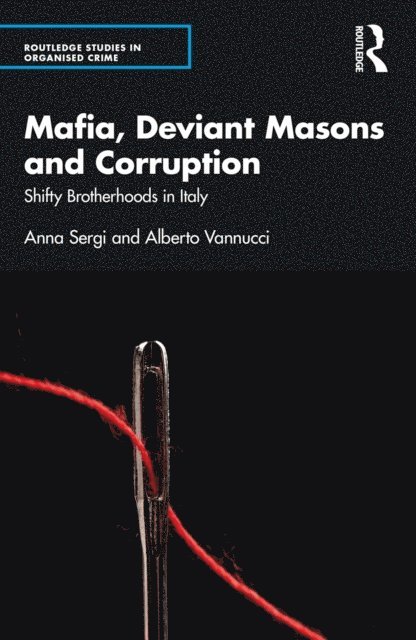
Mafia, Deviant Masons and Corruption
Shifty Brotherhoods in Italy
Av Alberto Vannucci, Anna Sergi
E-bok, 2023
745 kr
Lägg i varukorg
This book is the first to consider the intersection between mafia power and deviant masonic lodges within the political sphere of the contemporary Italian state. At its core, it offers an analysis of the shifting interactions across powerful actors and the ways in which they balance reciprocal …
Mafia, Deviant Masons and Corruption
Shifty Brotherhoods in Italy
Av Anna Sergi, Alberto Vannucci
Häftad, 2023
633 kr
Lägg i varukorg
This book is the first to consider the intersection between mafia power and deviant masonic lodges within the political sphere of the contemporary Italian state. At its core, it offers an analysis of the shifting interactions across powerful actors and the ways in which they balance reciprocal …
Mafia, Deviant Masons and Corruption
Shifty Brotherhoods in Italy
Av Anna Sergi, Alberto Vannucci
Inbunden, 2023
2510 kr
Lägg i varukorg
This book is the first to consider the intersection between mafia power and deviant masonic lodges within the political sphere of the contemporary Italian state. At its core, it offers an analysis of the shifting interactions across powerful actors and the ways in which they balance reciprocal …
Hidden Order of Corruption
An Institutional Approach
Av Donatella della Porta, Alberto Vannucci
Häftad, 2016
903 kr
Lägg i varukorg
When corruption is exposed, unknown aspects are revealed which allow us to better understand its structures and informal norms. This book investigates the hidden order of corruption, looking at the invisible codes and mechanisms that govern and stabilize the links between corrupters and corruptees. …
Hidden Order of Corruption
An Institutional Approach
Av Alberto Vannucci, Donatella della Porta
E-bok, 2016
975 kr
Lägg i varukorg
When corruption is exposed, unknown aspects are revealed which allow us to better understand its structures and informal norms. This book investigates the hidden order of corruption, looking at the invisible codes and mechanisms that govern and stabilize the links between corrupters and corruptees. …
Hidden Order of Corruption
An Institutional Approach
Av Alberto Vannucci, Donatella della Porta
E-bok, 2016
1004 kr
Lägg i varukorg
When corruption is exposed, unknown aspects are revealed which allow us to better understand its structures and informal norms. This book investigates the hidden order of corruption, looking at the invisible codes and mechanisms that govern and stabilize the links between corrupters and corruptees. …
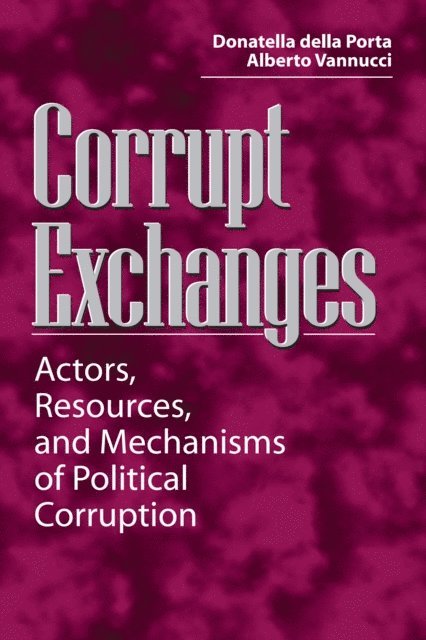
Corrupt Exchanges
Actors, Resources, and Mechanisms of Political Corruption
Av Alberto Vannucci, Donatella della Porta
E-bok, 2017
935 kr
Lägg i varukorg
Political corruption has traditionally been presented as a phenomenon characteristic of developing countries, authoritarian regimes, or societies in which the value system favored tacit patrimony and clientelism. Recently, however, the thesis of an inverse correlation between corruption and …
Corrupt Exchanges
Actors, Resources, and Mechanisms of Political Corruption
Av Alberto Vannucci, Donatella della Porta
E-bok, 2017
935 kr
Lägg i varukorg
Political corruption has traditionally been presented as a phenomenon characteristic of developing countries, authoritarian regimes, or societies in which the value system favored tacit patrimony and clientelism. Recently, however, the thesis of an inverse correlation between corruption and …
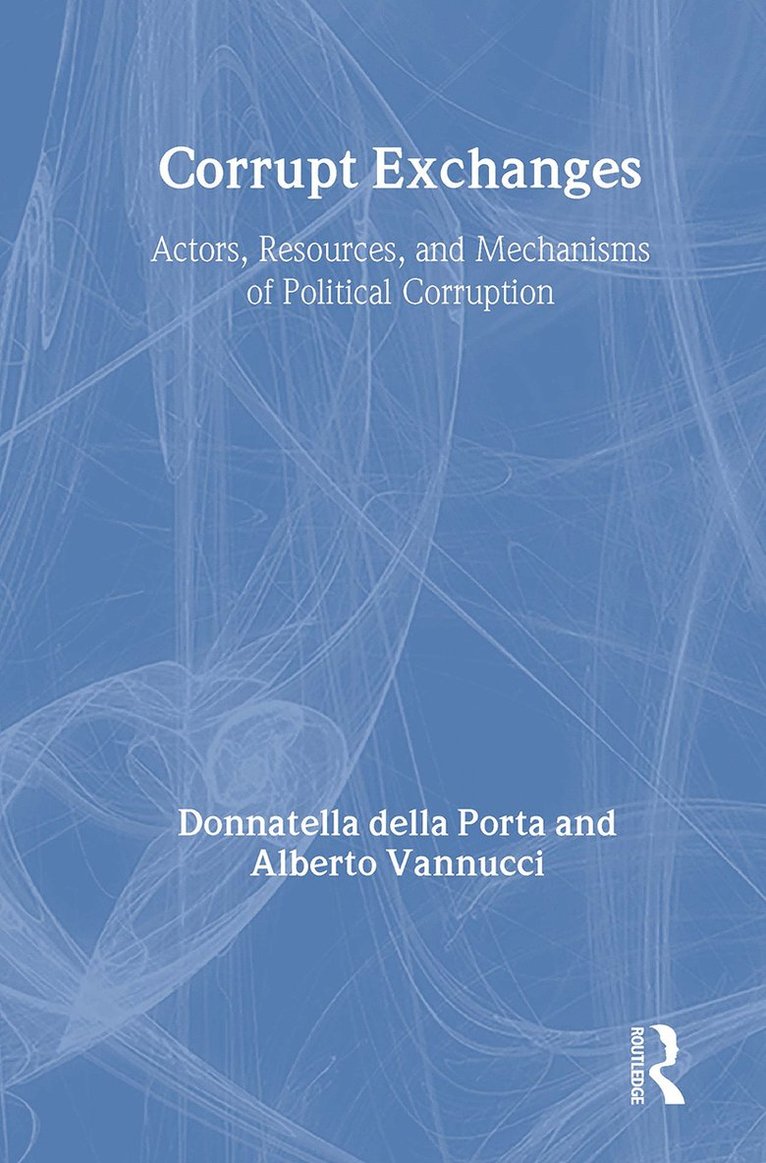
Corrupt Exchanges
Actors, Resources, and Mechanisms of Political Corruption
Av Donatella della Porta, Alberto Vannucci
Inbunden, 1999
1115 kr
Tillfälligt slut
Political corruption has traditionally been presented as a phenomenon characteristic of developing countries, authoritarian regimes, or societies in which the value system favored tacit patrimony and clientelism. Recently, however, the thesis of an inverse correlation between corruption and …