Alec Cairncross – författare
Visar alla böcker från författaren Alec Cairncross. Handla med fri frakt och snabb leverans.
33 produkter
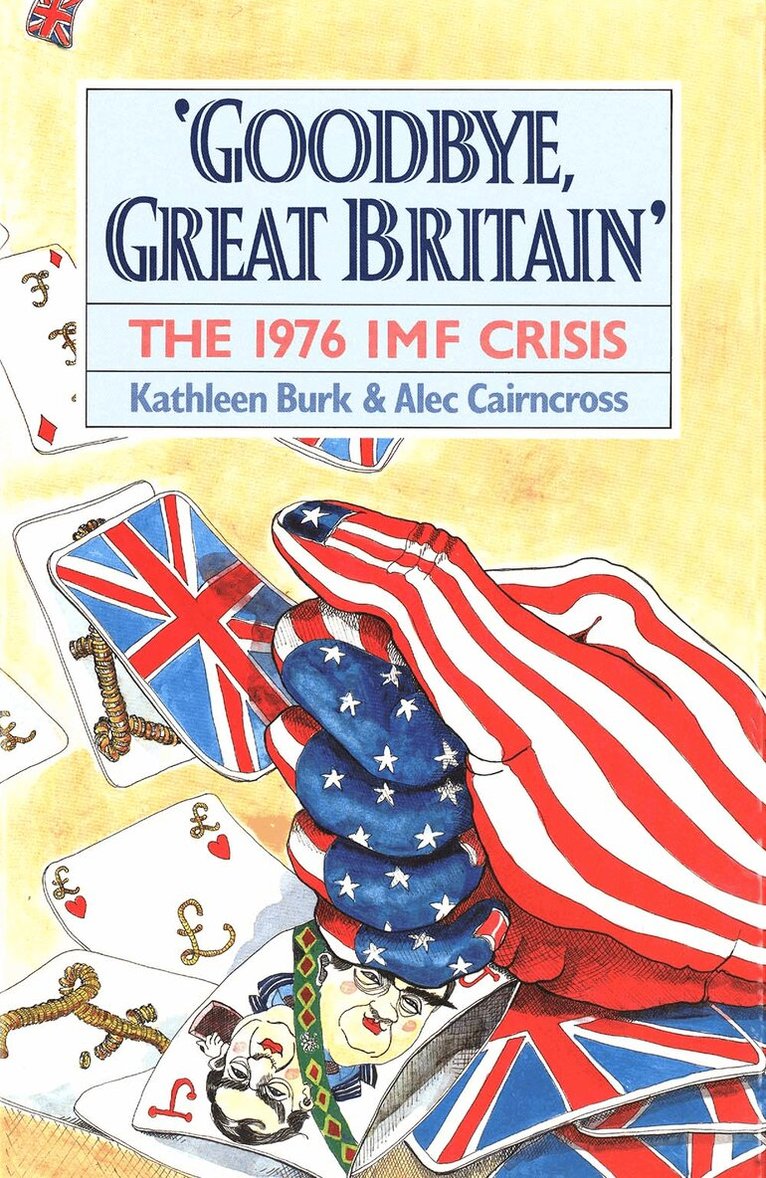
Goodbye, Great Britain
The 1976 IMF Crisis
Av Kathleen Burk, Alec Cairncross
Inbunden, 1992
884 kr
Lägg i varukorg
In this authoritative and gripping book—the first full account of the 1976 International Monetary Fund crisis—Kathleen Burk and Alec Cairncross peel back the surface of the most searing economic crisis of postwar Britain to reveal its historical roots and contemporary context. During the spring of …
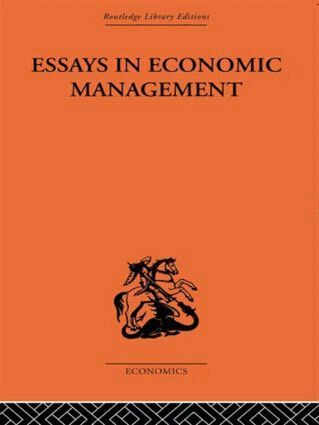
Essays in Economic Management
Inbunden, 2003
4728 kr
Lägg i varukorg
The papers in this volume cover the following areas:* Government and Industry* The Managed Economy* Monetary Policy* Fiscal Policy* Economic Forecasting and Economic Planning* Economists in Government
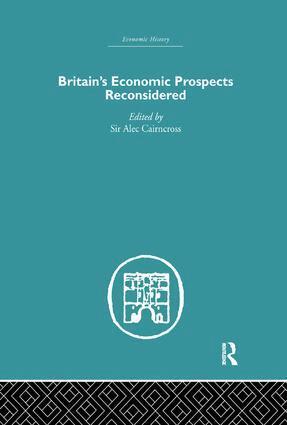
Britain's Economic Prospects Reconsidered
Inbunden, 2005
3154 kr
Lägg i varukorg
This book is a sequal to Britain's Economic Prospects, the report issued in 1968 by the Brookings Institution and universally accepted as the most thorough and comprehensive study of the British Economy to have ever appeared. Two years later, just after the British General election, six fo the …
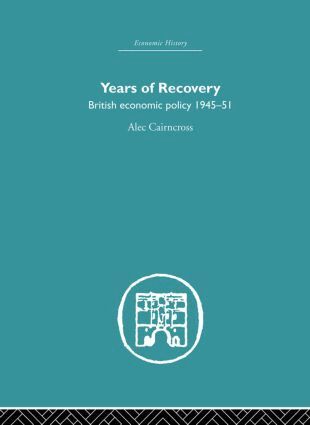
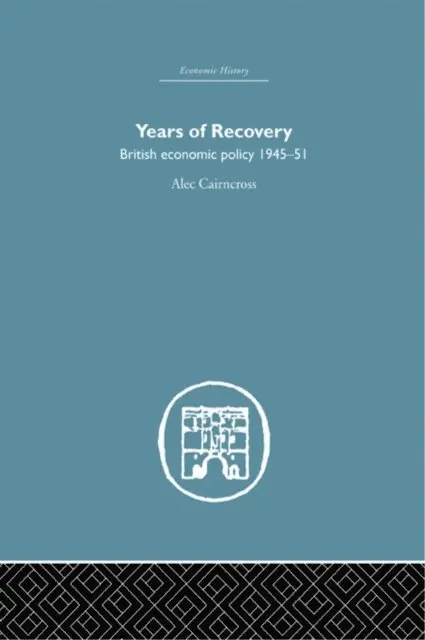
Years of Recovery
British Economic Policy 1945-51
Inbunden, 2005
3154 kr
Lägg i varukorg
Years of Recovery was the first comprehensive study of the transition from war to peace in the British economy under the Labour government of 1945–51. It includes a full account of the successive crises and turning-points in those hectic years – the coal and convertibility crises of 1947, …
Essays in Economic Management
Häftad, 2010
711 kr
Lägg i varukorg
The papers in this volume cover the following areas:* Government and Industry* The Managed Economy* Monetary Policy* Fiscal Policy* Economic Forecasting and Economic Planning* Economists in Government
Robert Hall Diaries 1947-1953 (Routledge Revivals)
Häftad, 2015
795 kr
Lägg i varukorg
Lord Roberthall was economic adviser to a succession of Labour and Conservative governments from 1947 to 1961. During that time, he served under eight Chancellors and exercised more influence on economic policy than perhaps any other official. Fortunately – though it was contrary to Civil Service …
Robert Hall Diaries 1954-1961 (Routledge Revivals)
Häftad, 2015
502 kr
Lägg i varukorg
Lord Roberthall was economic adviser to a succession of Labour and Conservative governments from 1947 to 1961. During that time, he served under eight Chancellors and exercised more influence on economic policy than perhaps any other official. Fortunately – though it was contrary to Civil Service …
Robert Hall Diaries 1947-1953 (Routledge Revivals)
Inbunden, 2013
3251 kr
Lägg i varukorg
Lord Roberthall was economic adviser to a succession of Labour and Conservative governments from 1947 to 1961. During that time, he served under eight Chancellors and exercised more influence on economic policy than perhaps any other official. Fortunately – though it was contrary to Civil Service …
Robert Hall Diaries 1954-1961 (Routledge Revivals)
Inbunden, 2013
2131 kr
Lägg i varukorg
Lord Roberthall was economic adviser to a succession of Labour and Conservative governments from 1947 to 1961. During that time, he served under eight Chancellors and exercised more influence on economic policy than perhaps any other official. Fortunately – though it was contrary to Civil Service …
Years of Recovery
British Economic Policy 1945-51
Häftad, 2013
771 kr
Lägg i varukorg
Years of Recovery was the first comprehensive study of the transition from war to peace in the British economy under the Labour government of 1945–51. It includes a full account of the successive crises and turning-points in those hectic years – the coal and convertibility crises of 1947, …
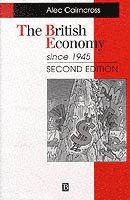
British Economy Since 1945
Economic Policy and Performance 1945 - 1995
Häftad, 1995
683 kr
Lägg i varukorg
In this fully revised and updated second edition, Sir Alec Cairncross provides a lucid overview and analysis of British economic policy and performance from 1945 to the present. The author takes a chronological approach, introducing the events of the period with an account of changing ideas on …
Economic Section 1939-1961
A Study In Economic Advising
Av Nita Watts, Alec Cairncross
E-bok, 2022
660 kr
Lägg i varukorg
First published in 1989, The Economic Section 1939-1961 is a rare study of economic policymaking as seen from the inside. The Economic Section, formed in 1939-1940, was the first group of professional economists to operate full-time at the centre of government in the United Kingdom and its views on …
Economic Section 1939-1961
A Study In Economic Advising
Av Nita Watts, Alec Cairncross
E-bok, 2022
660 kr
Lägg i varukorg
First published in 1989, The Economic Section 1939-1961 is a rare study of economic policymaking as seen from the inside. The Economic Section, formed in 1939-1940, was the first group of professional economists to operate full-time at the centre of government in the United Kingdom and its views on …
Economic Section 1939-1961
A Study In Economic Advising
Av Alec Cairncross, Nita Watts
Inbunden, 2021
2195 kr
Lägg i varukorg
First published in 1989, The Economic Section 1939-1961 is a rare study of economic policymaking as seen from the inside. The Economic Section, formed in 1939-1940, was the first group of professional economists to operate full-time at the centre of government in the United Kingdom and its views on …
Economic Section 1939-1961
A Study In Economic Advising
Av Alec Cairncross, Nita Watts
Häftad, 2024
562 kr
Lägg i varukorg
First published in 1989, The Economic Section 1939-1961 is a rare study of economic policymaking as seen from the inside. The Economic Section, formed in 1939-1940, was the first group of professional economists to operate full-time at the centre of government in the United Kingdom and its views on …
Essays in Economic Management
E-bok, 2013
838 kr
Lägg i varukorg
The papers in this volume cover the following areas:* Government and Industry* The Managed Economy* Monetary Policy* Fiscal Policy* Economic Forecasting and Economic Planning* Economists in Government
Essays in Economic Management
E-bok, 2013
838 kr
Lägg i varukorg
The papers in this volume cover the following areas:* Government and Industry* The Managed Economy* Monetary Policy* Fiscal Policy* Economic Forecasting and Economic Planning* Economists in Government
Britain's Economic Prospects Reconsidered
E-bok, 2013
910 kr
Lägg i varukorg
This book is a sequal to Britain''s Economic Prospects, the report issued in 1968 by the Brookings Institution and universally accepted as the most thorough and comprehensive study of the British Economy to have ever appeared. Two years later, just after the British General election, six fo the …
Britain's Economic Prospects Reconsidered
E-bok, 2013
890 kr
Lägg i varukorg
This book is a sequal to Britain''s Economic Prospects, the report issued in 1968 by the Brookings Institution and universally accepted as the most thorough and comprehensive study of the British Economy to have ever appeared. Two years later, just after the British General election, six fo the …
Years of Recovery
British Economic Policy 1945-51
E-bok, 2013
910 kr
Lägg i varukorg
Years of Recovery was the first comprehensive study of the transition from war to peace in the British economy under the Labour government of 1945–51. It includes a full account of the successive crises and turning-points in those hectic years – the coal and convertibility crises of 1947, …
Years of Recovery
British Economic Policy 1945-51
E-bok, 2013
910 kr
Lägg i varukorg
Years of Recovery was the first comprehensive study of the transition from war to peace in the British economy under the Labour government of 1945–51. It includes a full account of the successive crises and turning-points in those hectic years – the coal and convertibility crises of 1947, …
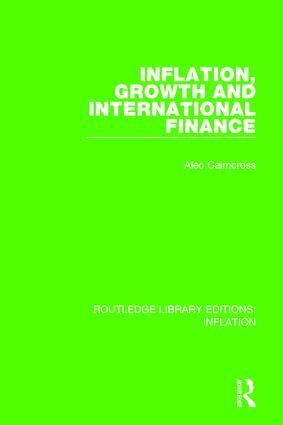
Inflation, Growth and International Finance
Inbunden, 2016
1880 kr
Lägg i varukorg
This book, originally published in 1975, deals with the sources of economic growth, inflation and the prospects of bringing it under control, floating exchange rates and restrictions on international capital movements. Although aimed at the non-specialist, professional economists willa slo find the …
Inflation, Growth and International Finance
Häftad, 2018
577 kr
Lägg i varukorg
This book, originally published in 1975, deals with the sources of economic growth, inflation and the prospects of bringing it under control, floating exchange rates and restrictions on international capital movements. Although aimed at the non-specialist, professional economists willa slo find the …
Britain's Economic Prospects Reconsidered
Häftad, 2015
771 kr
Lägg i varukorg
This book is a sequal to Britain's Economic Prospects, the report issued in 1968 by the Brookings Institution and universally accepted as the most thorough and comprehensive study of the British Economy to have ever appeared. Two years later, just after the British General election, six fo the …
Inflation, Growth and International Finance
E-bok, 2016
658 kr
Lägg i varukorg
This book, originally published in 1975, deals with the sources of economic growth, inflation and the prospects of bringing it under control, floating exchange rates and restrictions on international capital movements. Although aimed at the non-specialist, professional economists willa slo find the …
Inflation, Growth and International Finance
E-bok, 2016
678 kr
Lägg i varukorg
This book, originally published in 1975, deals with the sources of economic growth, inflation and the prospects of bringing it under control, floating exchange rates and restrictions on international capital movements. Although aimed at the non-specialist, professional economists willa slo find the …
Robert Hall Diaries 1954-1961 (Routledge Revivals)
E-bok, 2014
576 kr
Lägg i varukorg
Lord Roberthall was economic adviser to a succession of Labour and Conservative governments from 1947 to 1961. During that time, he served under eight Chancellors and exercised more influence on economic policy than perhaps any other official. Fortunately – though it was contrary to Civil Service …
Robert Hall Diaries 1954-1961 (Routledge Revivals)
E-bok, 2014
589 kr
Lägg i varukorg
Lord Roberthall was economic adviser to a succession of Labour and Conservative governments from 1947 to 1961. During that time, he served under eight Chancellors and exercised more influence on economic policy than perhaps any other official. Fortunately – though it was contrary to Civil Service …
Robert Hall Diaries 1947-1953 (Routledge Revivals)
E-bok, 2014
938 kr
Lägg i varukorg
Lord Roberthall was economic adviser to a succession of Labour and Conservative governments from 1947 to 1961. During that time, he served under eight Chancellors and exercised more influence on economic policy than perhaps any other official. Fortunately – though it was contrary to Civil Service …
Robert Hall Diaries 1947-1953 (Routledge Revivals)
E-bok, 2014
917 kr
Lägg i varukorg
Lord Roberthall was economic adviser to a succession of Labour and Conservative governments from 1947 to 1961. During that time, he served under eight Chancellors and exercised more influence on economic policy than perhaps any other official. Fortunately – though it was contrary to Civil Service …