
Alecia Y Jackson – författare
Visar alla böcker från författaren Alecia Y Jackson. Handla med fri frakt och snabb leverans.
6 produkter
6 produkter
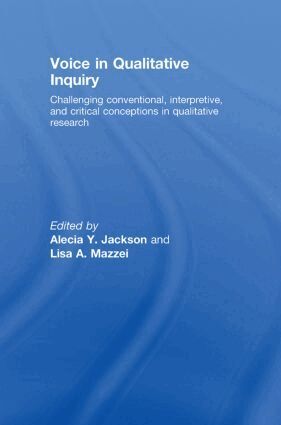
Voice in Qualitative Inquiry
Challenging conventional, interpretive, and critical conceptions in qualitative research
Inbunden, Engelska, 2008
2 571 kr
Skickas inom 10-15 vardagar
Voice in Qualitative Inquiry is a critical response to conventional, interpretive, and critical conceptions of voice in qualitative inquiry. A select group of contributors focus collectively on the question, "What does it mean to work the limits of voice?" from theoretical, methodological, and interpretative positions, and the result is an innovative challenge to traditional notions of voice. The thought-provoking book will shift qualitative inquiry away from uproblematically engaging in practices and interpretations that limit what "counts" as voice and therefore data. The loss and betrayal of comfort and authority when qualitative researchers work the limits of voice will lead to new disruptions and irruptions in making meaning from data and, in turn, will add inventive and critical dialogue to the conversation about voice in qualitative inquiry. Toward this end, the book will specifically address the following objectives: To promote an examination of how voice functions to communicate in qualitative research To expose the excesses and instabilities of voice in qualitative research To present theoretical, methodological, and interpretative implications that result in a problematizing of voice To provide working examples of how qualitative methodologists are engaging the multiple layers of voice and meaning To deconstruct the epistemological limits of voice that circumscribe our view of the world and the ways in which we make meaning as researchersThis compelling collection will challenge those who conduct qualitative inquiry to think differently about how they collect, analyze, and represent meaning using the voices of others, as well as their own.
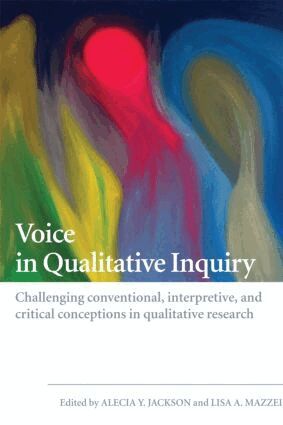
Voice in Qualitative Inquiry
Challenging conventional, interpretive, and critical conceptions in qualitative research
Häftad, Engelska, 2008
682 kr
Skickas inom 10-15 vardagar
Voice in Qualitative Inquiry is a critical response to conventional, interpretive, and critical conceptions of voice in qualitative inquiry. A select group of contributors focus collectively on the question, "What does it mean to work the limits of voice?" from theoretical, methodological, and interpretative positions, and the result is an innovative challenge to traditional notions of voice. The thought-provoking book will shift qualitative inquiry away from uproblematically engaging in practices and interpretations that limit what "counts" as voice and therefore data. The loss and betrayal of comfort and authority when qualitative researchers work the limits of voice will lead to new disruptions and irruptions in making meaning from data and, in turn, will add inventive and critical dialogue to the conversation about voice in qualitative inquiry. Toward this end, the book will specifically address the following objectives: To promote an examination of how voice functions to communicate in qualitative research To expose the excesses and instabilities of voice in qualitative research To present theoretical, methodological, and interpretative implications that result in a problematizing of voice To provide working examples of how qualitative methodologists are engaging the multiple layers of voice and meaning To deconstruct the epistemological limits of voice that circumscribe our view of the world and the ways in which we make meaning as researchersThis compelling collection will challenge those who conduct qualitative inquiry to think differently about how they collect, analyze, and represent meaning using the voices of others, as well as their own.
1 992 kr
Skickas inom 10-15 vardagar
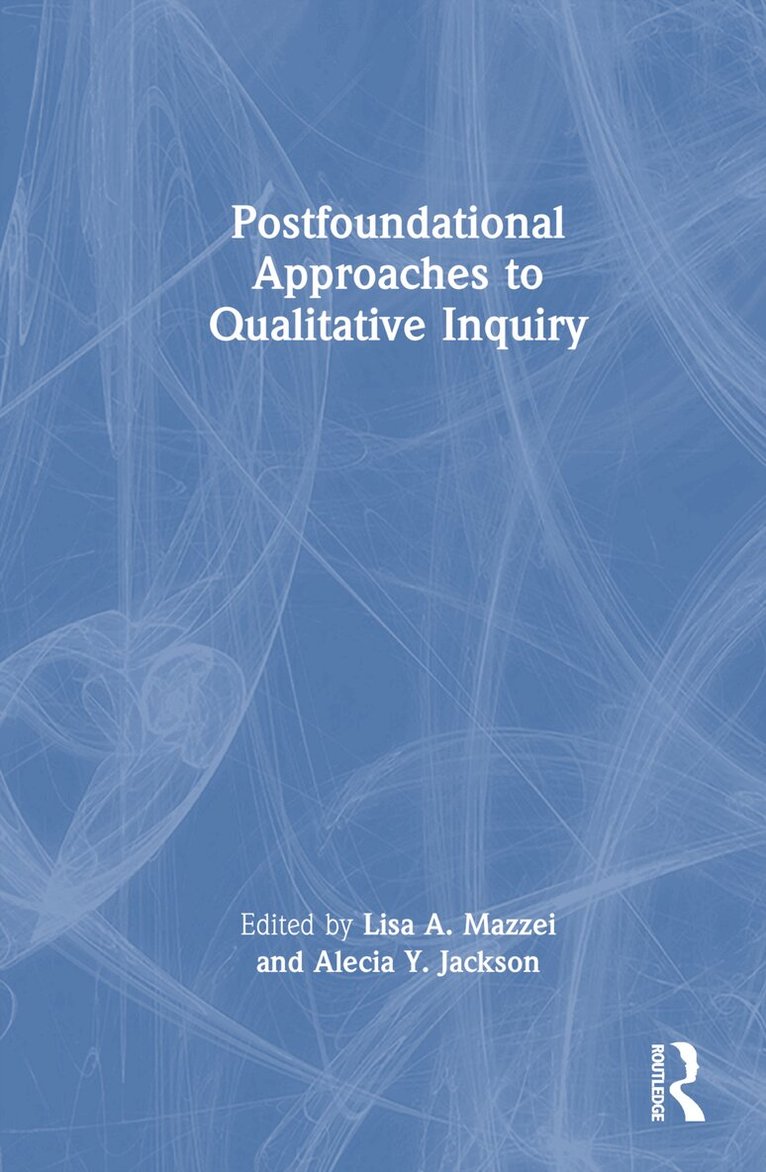
Postfoundational Approaches to Qualitative Inquiry is an edited collection that aims to move beyond a critique and deconstruction of method in order to present an engagement with various postfoundational frameworks and approaches that produce new concepts and enactments. What makes this book innovative is the singular focus on postfoundational paradigms, borrowed from the humanities and sciences, that are enveloped in what is referred to as the ontological turn, the new empiricisms, and the new materialisms. Postfoundational inquiry is conceived by the editors as emergent, relational, responsive, involuntary, and inventive. While the editors name the facets of these contingent approaches and explain how they work, they do so not in order to fix a new method, but to spur new connectives. In this collection, authors take up a range of postfoundational theories such as poststructuralism, posthumanism, postcolonialism, feminist new materialism, speculative/ new empiricism, agential realism, immanent ontologies, and affect theory. Provoked by a series of reorienting questions, chapters in the book offer enactments as a way of unfurling what is unthought, not yet, and becoming. The chapters are organized according to four Openings: Atmospheres, Affects, and Hauntings; Archives, Worldings, and Sketchings; Escaping Tradition, Beginning Elsewhere, and the Politics of Doing Otherwise; Pre-personal Agencies and Thought Taking Flight. This book can be used as a standalone text in advanced qualitative inquiry courses, or as a supplementary text in courses that examine the use of theory in research.
582 kr
Skickas inom 10-15 vardagar
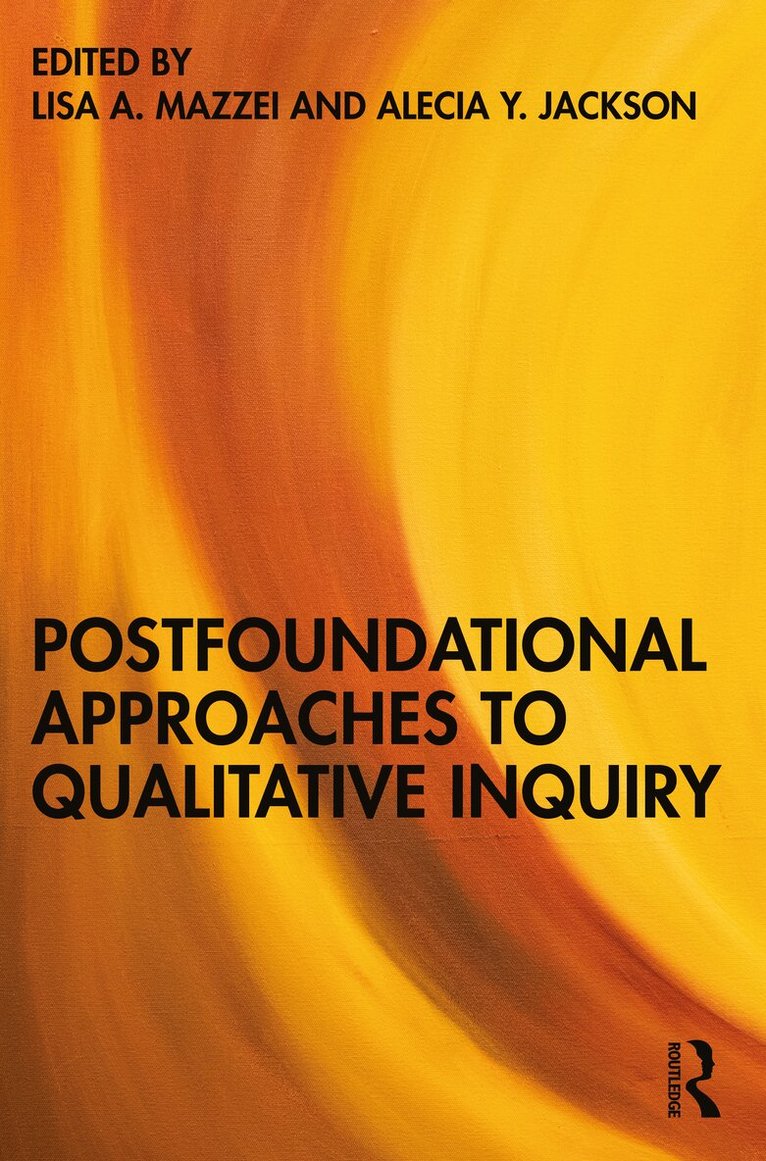
Postfoundational Approaches to Qualitative Inquiry is an edited collection that aims to move beyond a critique and deconstruction of method in order to present an engagement with various postfoundational frameworks and approaches that produce new concepts and enactments. What makes this book innovative is the singular focus on postfoundational paradigms, borrowed from the humanities and sciences, that are enveloped in what is referred to as the ontological turn, the new empiricisms, and the new materialisms. Postfoundational inquiry is conceived by the editors as emergent, relational, responsive, involuntary, and inventive. While the editors name the facets of these contingent approaches and explain how they work, they do so not in order to fix a new method, but to spur new connectives. In this collection, authors take up a range of postfoundational theories such as poststructuralism, posthumanism, postcolonialism, feminist new materialism, speculative/ new empiricism, agential realism, immanent ontologies, and affect theory. Provoked by a series of reorienting questions, chapters in the book offer enactments as a way of unfurling what is unthought, not yet, and becoming. The chapters are organized according to four Openings: Atmospheres, Affects, and Hauntings; Archives, Worldings, and Sketchings; Escaping Tradition, Beginning Elsewhere, and the Politics of Doing Otherwise; Pre-personal Agencies and Thought Taking Flight. This book can be used as a standalone text in advanced qualitative inquiry courses, or as a supplementary text in courses that examine the use of theory in research.

2 069 kr
Skickas inom 10-15 vardagar
Thinking with Theory in Qualitative Research: Second Edition demonstrates how to enact various philosophical concepts in practices of inquiry, effectively opening up the process of thought in qualitative studies.Thinking with Theory in Qualitative Research functions as a refusal of pregiven method, intensifying creativity, experimentation, and newness. Readers are invited into the threshold of theory to traverse philosophers and their concepts, reorienting conventional approaches to inquiry. Each chapter presents a thinking with process as a way of reading intensively through plugging in performative accounts of two first-generation academic women to philosophical concepts from Derrida, Spivak, Foucault, Butler, Barad, and Deleuze and Guattari. This book is a deliberate attempt to unsettle what is expected to be represented or recognized in terms of both meaning and method in traditional practices of qualitative research, which become unproductive and untenable in this different image of thought.New to this editionFully revised and rewritten Chapter 1 that introduces the technique of plugging in as contingent, strategic movements of thought. Also new to Chapter 1 is a shift in language away from traditional practices in qualitative research (data and analysis) to performative accounts and becoming-questionsFully revised "Thinking with intra-action" chapter, which focuses on Karen Barad’s ontoepistemological framework of agential realism, and the concepts of posthumanist performativity and entangled agenciesFully revised and rewritten Chapter 8 that presents plugging in and thinking with as ontologicalFurther development of and new material on the "plugging in" techniqueSchematic cues updated and extended for all of the InterludesIn the ten years since the first edition was published, Thinking with Theory in Qualitative Research has become a vanguard text in the field of postfoundational inquiry for its accessible but thorough introductions to philosophically informed inquiry. This book is for experienced and novice researchers, and students in introductory, general, and advanced qualitative inquiry courses, who may also be first-time readers of philosophy. This text will function as an entry into techniques of thinking with a new theoretical vocabulary.
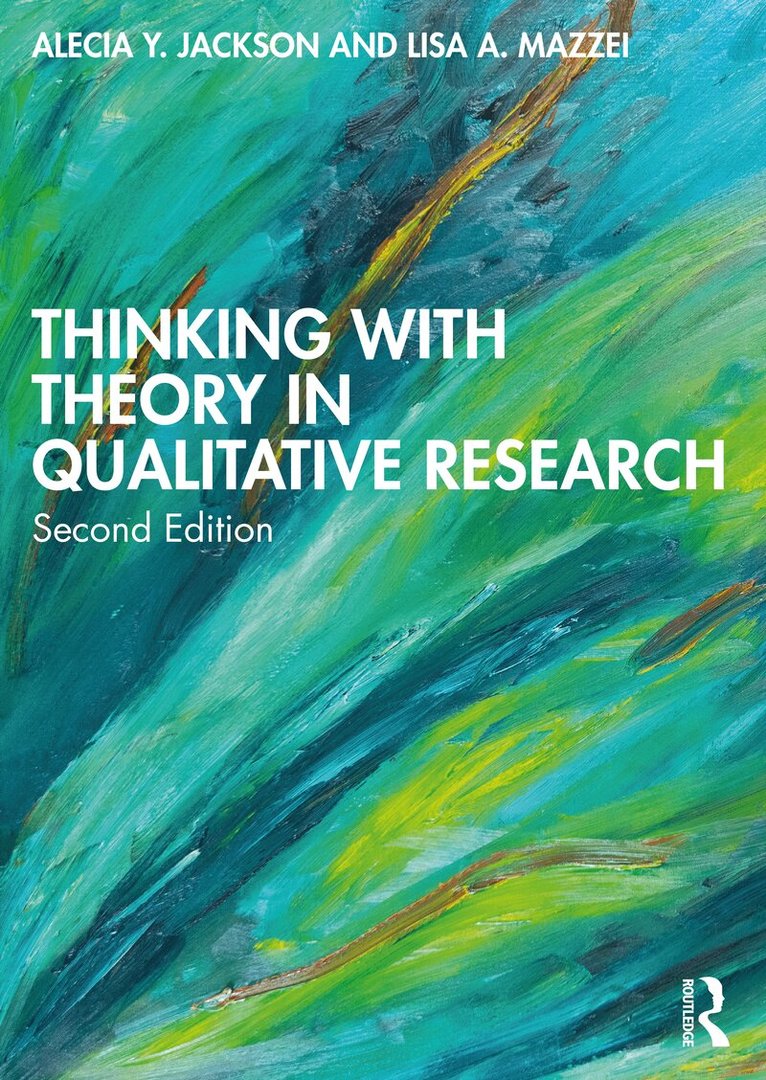
637 kr
Skickas inom 10-15 vardagar
Thinking with Theory in Qualitative Research: Second Edition demonstrates how to enact various philosophical concepts in practices of inquiry, effectively opening up the process of thought in qualitative studies.Thinking with Theory in Qualitative Research functions as a refusal of pregiven method, intensifying creativity, experimentation, and newness. Readers are invited into the threshold of theory to traverse philosophers and their concepts, reorienting conventional approaches to inquiry. Each chapter presents a thinking with process as a way of reading intensively through plugging in performative accounts of two first-generation academic women to philosophical concepts from Derrida, Spivak, Foucault, Butler, Barad, and Deleuze and Guattari. This book is a deliberate attempt to unsettle what is expected to be represented or recognized in terms of both meaning and method in traditional practices of qualitative research, which become unproductive and untenable in this different image of thought.New to this editionFully revised and rewritten Chapter 1 that introduces the technique of plugging in as contingent, strategic movements of thought. Also new to Chapter 1 is a shift in language away from traditional practices in qualitative research (data and analysis) to performative accounts and becoming-questionsFully revised "Thinking with intra-action" chapter, which focuses on Karen Barad’s ontoepistemological framework of agential realism, and the concepts of posthumanist performativity and entangled agenciesFully revised and rewritten Chapter 8 that presents plugging in and thinking with as ontologicalFurther development of and new material on the "plugging in" techniqueSchematic cues updated and extended for all of the InterludesIn the ten years since the first edition was published, Thinking with Theory in Qualitative Research has become a vanguard text in the field of postfoundational inquiry for its accessible but thorough introductions to philosophically informed inquiry. This book is for experienced and novice researchers, and students in introductory, general, and advanced qualitative inquiry courses, who may also be first-time readers of philosophy. This text will function as an entry into techniques of thinking with a new theoretical vocabulary.