Alessandro Cigno – författare
Visar alla böcker från författaren Alessandro Cigno. Handla med fri frakt och snabb leverans.
5 produkter
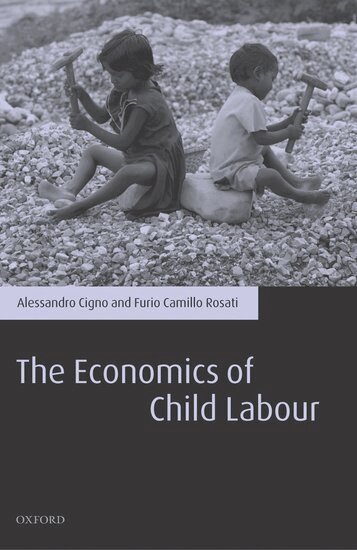
Economics of Child Labour
Av Furio Camillo Rosati, Alessandro Cigno
E-bok, 2005
1613 kr
Lägg i varukorg
Children throughout the world are engaged in a great number of activities classifiable as work. These range from relatively harmless, even laudable, activities like helping parents in their domestic chores, to morally and physically dangerous ones like soldiering and prostitution. If we leave out …
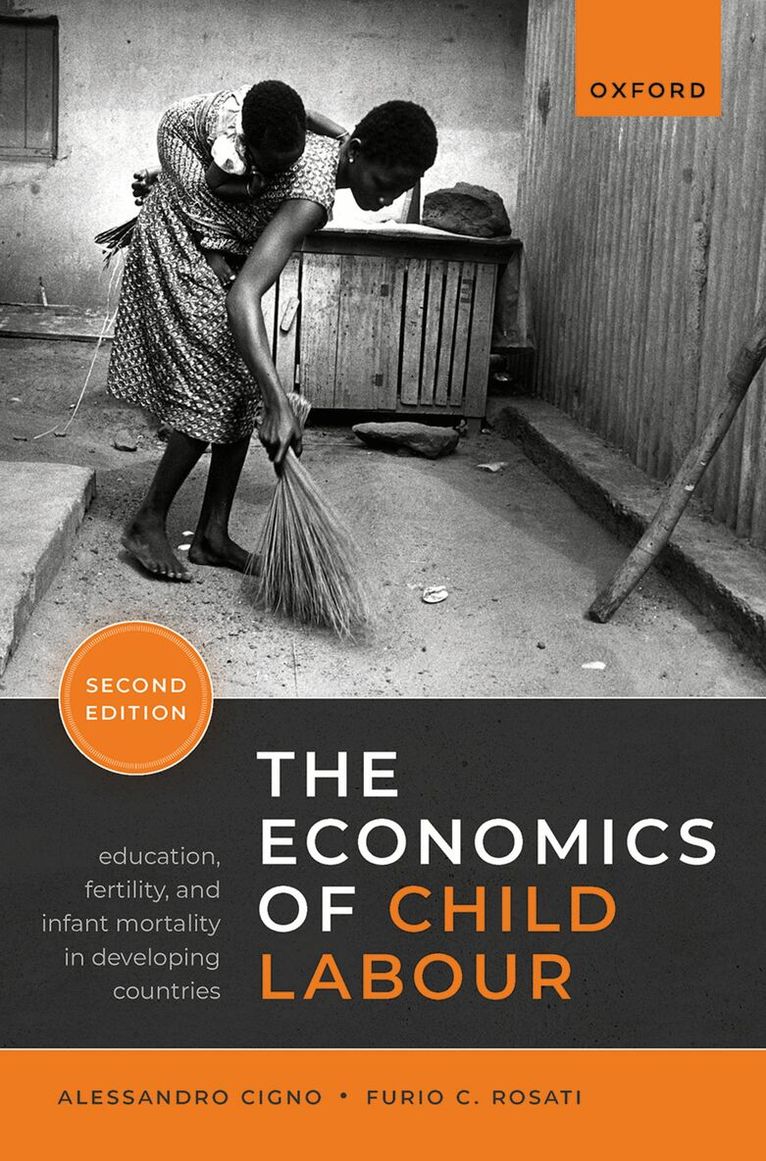
The Economics of Child Labour
Education, Fertility, and Infant Mortality in Developing Countries
Av Alessandro Cigno, Furio C. Rosati
Häftad, 2024
544 kr
Lägg i varukorg
Children throughout the world are engaged in a variety of activities classifiable as work. These range from relatively harmless, even laudable, activities like helping parents in the home, to morally or physically dangerous ones. Many forms of child labour have valuable learning-by-doing elements, …
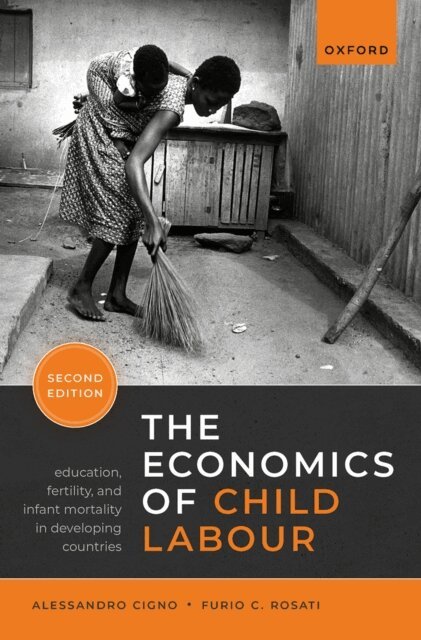
Economics of Child Labour
Education, Fertility, and Infant Mortality in Developing Countries
Av Furio C. Rosati, Alessandro Cigno
E-bok, 2024
416 kr
Lägg i varukorg
Children throughout the world are engaged in a variety of activities classifiable as work. These range from relatively harmless, even laudable, activities like helping parents in the home, to morally or physically dangerous ones. Many forms of child labour have valuable learning-by-doing elements, …
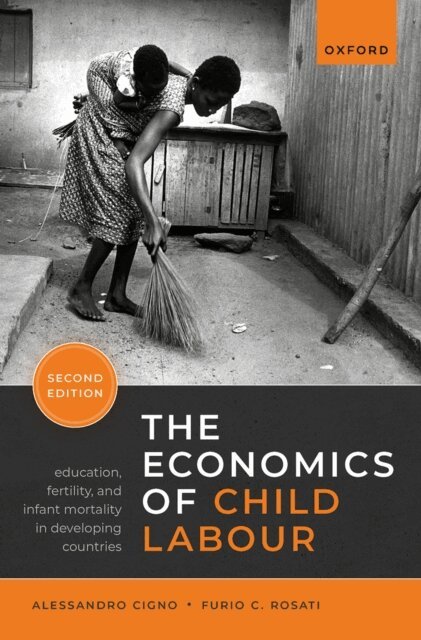
Economics of Child Labour
Education, Fertility, and Infant Mortality in Developing Countries
Av Furio C. Rosati, Alessandro Cigno
E-bok, 2024
416 kr
Lägg i varukorg
Children throughout the world are engaged in a variety of activities classifiable as work. These range from relatively harmless, even laudable, activities like helping parents in the home, to morally or physically dangerous ones. Many forms of child labour have valuable learning-by-doing elements, …
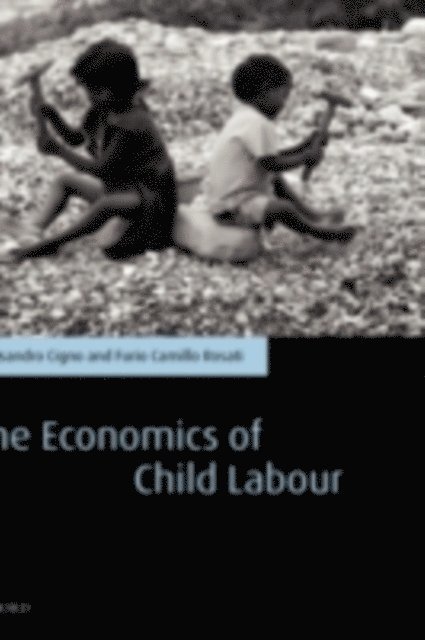
The Economics of Child Labour
Av Alessandro Cigno, Furio Camillo Rosati
Inbunden, 2005
2856 kr
Lägg i varukorg
Children throughout the world are engaged in a great number of activities classifiable as work. These range from relatively harmless, even laudable, activities like helping parents in their domestic chores, to morally and physically dangerous ones like soldiering and prostitution. If we leave out …