Alex Mallett - Böcker
Visar alla böcker från författaren Alex Mallett. Handla med fri frakt och snabb leverans.
5 produkter
5 produkter
649 kr
Skickas inom 10-15 vardagar
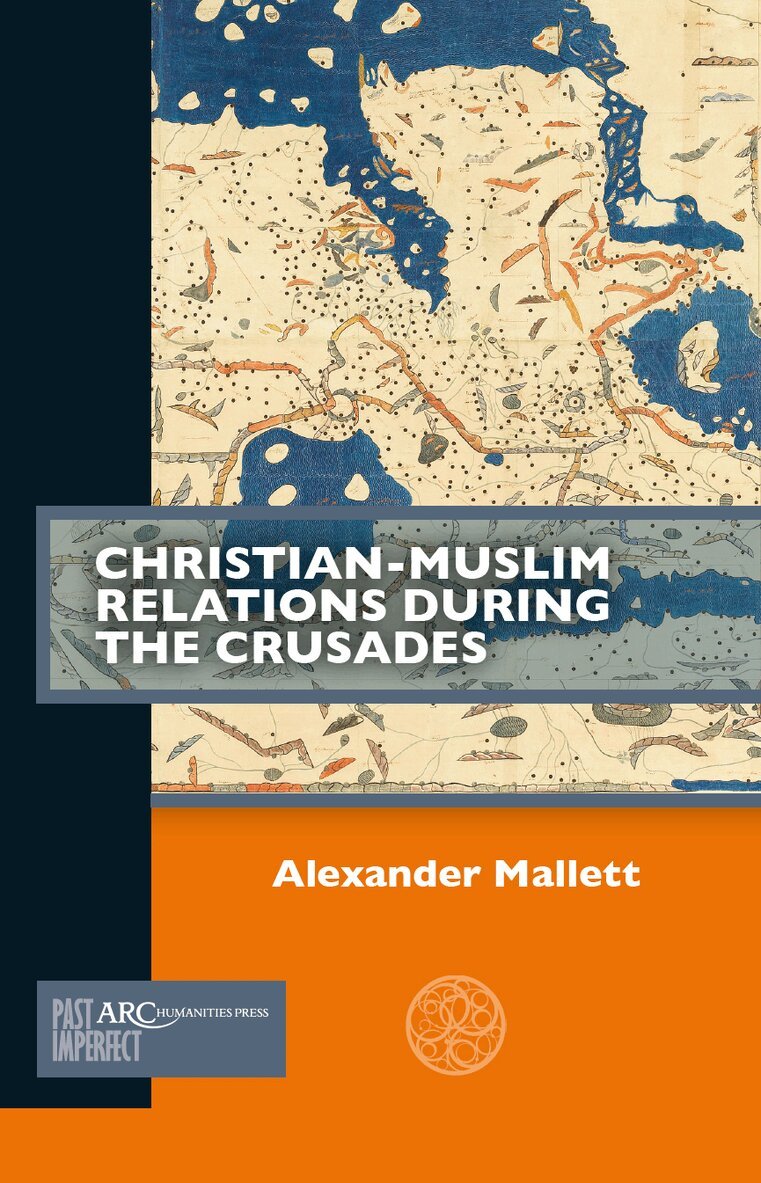
The issue of Muslim reactions to the Franks has been an important part of studies of both the Crusades and Islamic History, but rarely the main focus. This book examines the reactions of the Muslims of the Levant to the arrival and presence of the Franks in the crusading period, 1097-1291, focussing on those outside the politico-military and religious elites. It provides a thematic overview of the various ways in which these 'non-elites' of Muslim society, both inside and outside of the Latin states, reacted to the Franks, arguing that it was they, as much as the more famous Muslim rulers, who were initiators of resistance to the Franks. This study challenges existing views of the Muslim reaction to the crusaders as rather slow and demonstrates that jihad against the Franks started as soon as they arrived. It further demonstrates the difference between the concepts of jihad and of Counter-Crusade, and highlights two distinct phases in the jihad against the Franks: the 'unofficial jihad' - that which occurred before uniting of religious and political classes - and the 'official jihad' - which happened after and due to this unification, and which has formed the basis of modern discussions. Finally, the study also argues that the Muslim non-elites who encountered the Franks did not always resist them, but at various times either helped or were unresisting to them, thus focussing attention away from conflict and onto cooperation. In considering Muslim reactions to the Franks in the context of wider discourses, this study also highlights aspects of the nature of Islamic society in Egypt and Syria in the medieval period, particularly the non-elite section of society, which is often ignored. The main conclusions also shed light on discourses of collaboration and resistance which are currently focussed almost exclusively on the modern period or the medieval west.
2 230 kr
Skickas inom 10-15 vardagar
The issue of Muslim reactions to the Franks has been an important part of studies of both the Crusades and Islamic History, but rarely the main focus. This book examines the reactions of the Muslims of the Levant to the arrival and presence of the Franks in the crusading period, 1097-1291, focussing on those outside the politico-military and religious elites. It provides a thematic overview of the various ways in which these 'non-elites' of Muslim society, both inside and outside of the Latin states, reacted to the Franks, arguing that it was they, as much as the more famous Muslim rulers, who were initiators of resistance to the Franks. This study challenges existing views of the Muslim reaction to the crusaders as rather slow and demonstrates that jihad against the Franks started as soon as they arrived. It further demonstrates the difference between the concepts of jihad and of Counter-Crusade, and highlights two distinct phases in the jihad against the Franks: the 'unofficial jihad' - that which occurred before uniting of religious and political classes - and the 'official jihad' - which happened after and due to this unification, and which has formed the basis of modern discussions. Finally, the study also argues that the Muslim non-elites who encountered the Franks did not always resist them, but at various times either helped or were unresisting to them, thus focussing attention away from conflict and onto cooperation. In considering Muslim reactions to the Franks in the context of wider discourses, this study also highlights aspects of the nature of Islamic society in Egypt and Syria in the medieval period, particularly the non-elite section of society, which is often ignored. The main conclusions also shed light on discourses of collaboration and resistance which are currently focussed almost exclusively on the modern period or the medieval west.
275 kr
Skickas inom 7-10 vardagar
The popular view of the Crusades is that of two zealous armies ranged against each other in a state of practically permanent warfare, lacking mutual respect, understanding, or co-operation. Scholars long ago replaced such ideas with a much more nuanced understanding, in which rulers from both sides could work together for mutual benefit, even while pretending to ascribe to the principles of crusade and jihad. This perspective, however, focused almost exclusively on the actions of the elites; the attitudes of those who made up the vast majority of the society in the Levant have been all but ignored.In a clear and accessible form, this book explores everyday relations and interactions between Christians and Muslims in the Levant during the Crusades, demonstrating that it was usually practicality rather than religious scruples that dictated their responses to the religious other.
1 247 kr
Skickas inom 5-8 vardagar
727 kr
Skickas inom 3-6 vardagar
In Medieval Muslim Historians and the Franks in the Levant seven leading scholars examine the historical writings of seven medieval Muslim historians whose works provide the core chronographical texts for reconstructing the events of the crusading period, 1097-1291.Each chapter examines the life of and influences on each historian, their overall writings, and their historical works related to the Crusades. Each historical text is examined for the current state of modern research, the sources and working method of the author, and its use and relevance for crusader studies and other fields of research. This volume will be of use to anyone studying the events of the Crusades, of Islamic History, or of Arabic Historiography in the medieval period.Contributors include: Frédéric Bauden, Niall Christie, Anne-Marie Eddé, Konrad Hirschler, Alex Mallett, and Françoise Micheau, Lutz Richter-Bernburg