Alex Soojung-Kim Pang – författare
Visar alla böcker från författaren Alex Soojung-Kim Pang. Handla med fri frakt och snabb leverans.
10 produkter
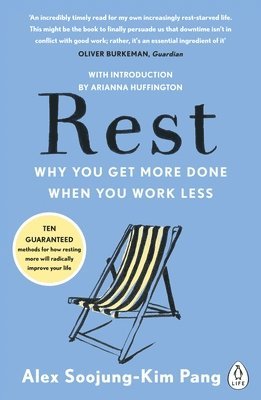
Rest
Why You Get More Done When You Work Less
Häftad, 2018
129 kr
Lägg i varukorg
LEARN HOW TO REST BETTER WITH THIS ESSENTIAL BOOKDo you regularly find yourself too tired after a long day to do anything other than binge TV?Do you go on holiday and still compulsively check your email?Do you work through your lunch-break, often not even leaving your desk and getting some fresh …
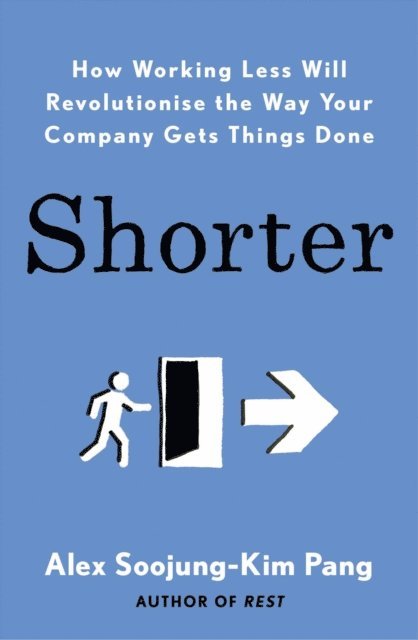
Shorter
How smart companies work less, embrace flexibility and boost productivity
E-bok, 2020
170 kr
Lägg i varukorg
Long-listed for the CMI Management Book of the Year 2021 'One of the most hopeful books I have read about the state of modern work' Brigid Schulte, bestselling author of Overwhelmed Forget the old concept of the 9-5. Companies around the world are redesigning the work week to increase efficiency, …
Work Less, Do More
Designing the 4-Day Week
Häftad, 2023
129 kr
Lägg i varukorg
'A must read for anyone interested in the 4-day week' - Heejung Chung, professor at the University of Kent and author of The Flexibility Paradox'This invaluable book offers a clear way forward: we don't need to burn ourselves out, we can work less and get more done' - Rebecca Seal, author of SOLO: …
Work Less, Do More
Designing the 4-Day Week
E-bok, 2023
108 kr
Lägg i varukorg
'A must read for anyone interested in the 4-day week' - Heejung Chung, professor at the University of Kent and author of The Flexibility Paradox'This invaluable book offers a clear way forward: we don't need to burn ourselves out, we can work less and get more done' - Rebecca Seal, author of SOLO: …
Rest
Why You Get More Done When You Work Less
E-bok, 2016
108 kr
Lägg i varukorg
LEARN HOW TO REST BETTER WITH THIS ESSENTIAL BOOKDo you regularly find yourself too tired after a long day to do anything other than binge TV?Do you go on holiday and still compulsively check your email?Do you work through your lunch-break, often not even leaving your desk and getting some fresh …
Rest
Why You Get More Done When You Work Less
Ljudbok, 2017
124 kr
Lägg i varukorg
Penguin presents the complete unabridged, downloadable audiobook edition of Rest by Alex Soojung-Kim Pang, read by Adam Sims. For most of us, overwork is the new normal. Resting means late-night TV binges or hours spent on social media. We never truly recharge. In this revelatory book, Silicon …
Shorter
How smart companies work less, embrace flexibility and boost productivity
Ljudbok, 2020
156 kr
Lägg i varukorg
Brought to you by Penguin. Forget the old concept of the 9-5. Companies around the world are redesigning the work week to increase efficiency, health and happiness in their workers. A growing number of businesses are shortening their working week to address problems with low productivity, poor …
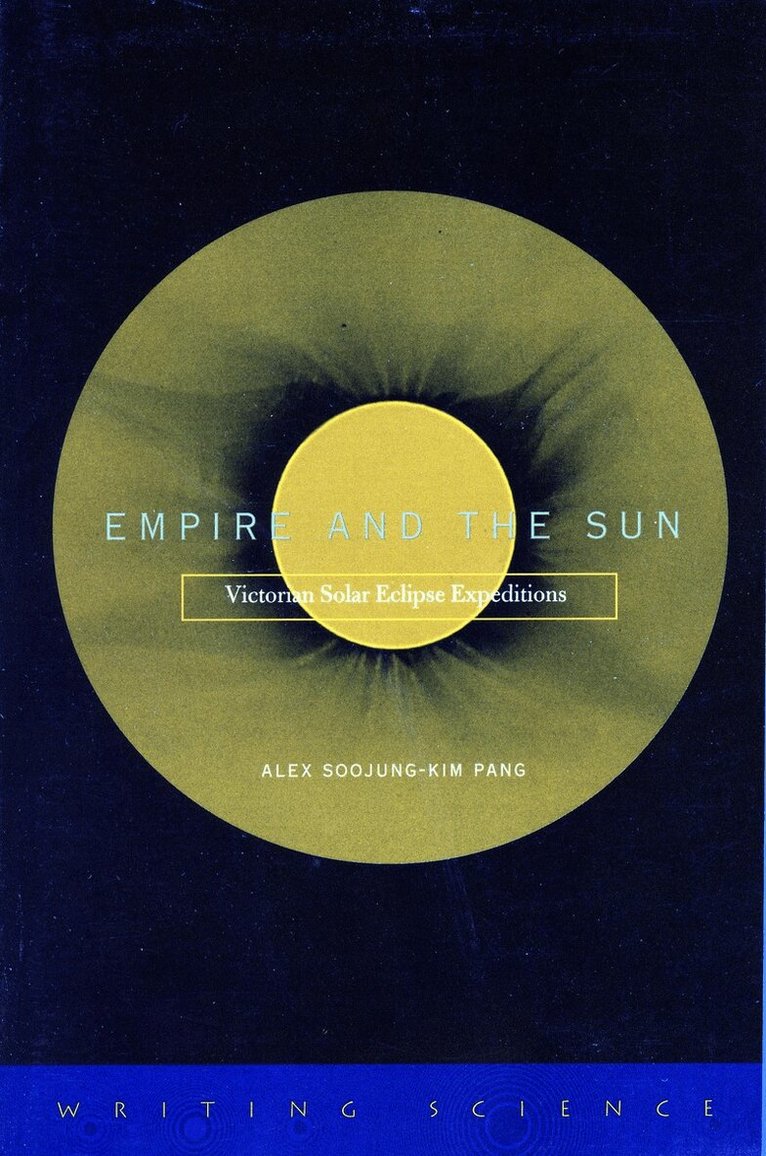
Empire and the Sun
Victorian Solar Eclipse Expeditions
Inbunden, 2002
1408 kr
Lägg i varukorg
Astronomy was a popular and important part of Victorian science, and British astronomers carried telescopes and spectroscopes to remote areas of India, the Great Plains of North America, and islands in the Caribbean and Pacific to watch the sun eclipsed by the moon. Examining the rich interplay …
Empire and the Sun
Victorian Solar Eclipse Expeditions
Häftad, 2002
340 kr
Lägg i varukorg
Astronomy was a popular and important part of Victorian science, and British astronomers carried telescopes and spectroscopes to remote areas of India, the Great Plains of North America, and islands in the Caribbean and Pacific to watch the sun eclipsed by the moon. Examining the rich interplay …
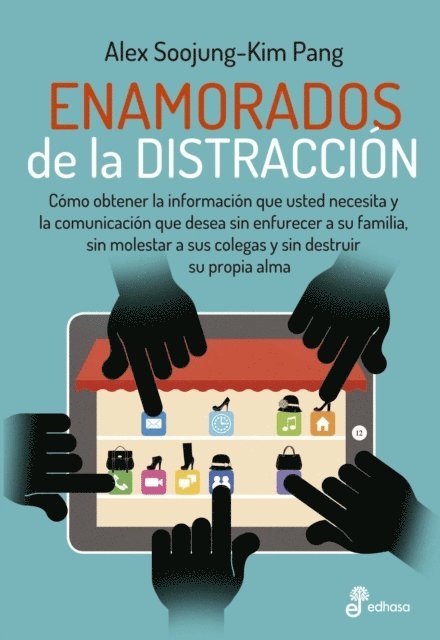
Enamorados de la distracción
Cómo obtener la información que usted necesita y la comunicación que desea sin enfurecer a su familia, sin molestar a sus colegas y sin destruir su propia alma
E-bok, 2023
119 kr
Lägg i varukorg
"Divertido y constructivo, Enamorados de la distracción es un examen atento de los peligros de nuestras sobredosis de Internet. Y una visión histórica de cómo los avances tecnológicos cambian la conciencia" (Washington Post). "Enamorados de la distracción es un enfoque atento a la tecnología …