Alexander Bloom – författare
Visar alla böcker från författaren Alexander Bloom. Handla med fri frakt och snabb leverans.
12 produkter
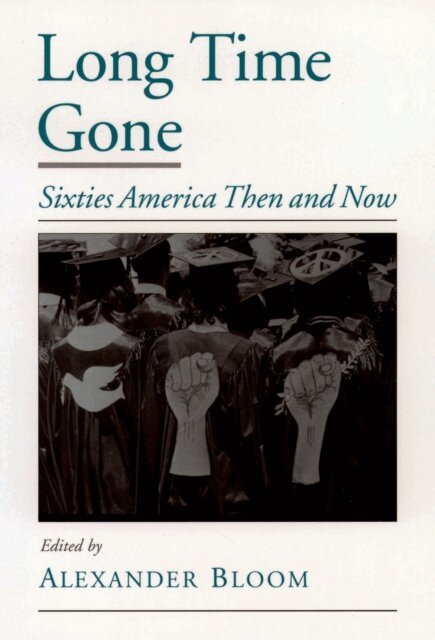
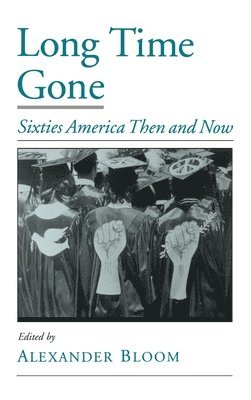
Long Time Gone
Sixties America Then and Now
E-bok, 2001
548 kr
Lägg i varukorg
With remarkable speed, the Sixties have gone from lived history to mythology. They remain alive in our culture in a manner different from any previous era. At the dawn of a new century, we are still debating the issues that emerged during that decade, still living in the conscious aftermath of its …
Prodigal Sons
The New York Intellectuals and Their World
Inbunden, 1987
760 kr
Lägg i varukorg
"A herd of independent minds," Harold Roseberg once labelled his fellow intellectuals. They were, and are, as this book shows, a special and fascinating group, including literary critics like Lionel Trilling, Alfred Kazin, Irving Howe, Leslie Fiedler, Philip Rahv, and William Phillips; social …
Prodigal Sons
The New York Intellectuals and Their World
Häftad, 1987
535 kr
Lägg i varukorg
"A herd of independent minds," Harold Rosenberg once labelled his fellow intellectuals. They were, and are, as this book shows, a special and fascinating group, including literary critics Lionel Trilling, Alfred Kazin, Irving Howe, Leslie Fiedler, Philip Rahv and William Phillips; social scientists …
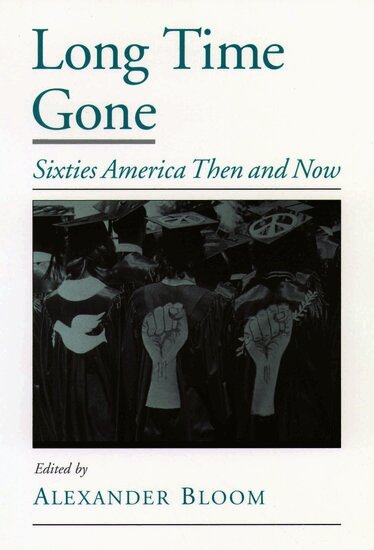
Long Time Gone
Sixties America Then and Now
Inbunden, 2001
3017 kr
Lägg i varukorg
This book examines the gulf between the history and mythology that has grown up around different aspects of the Sixties, ranging from the counterculture to gay rights to the student and women's movements to the Johnson presidency. One of the volumes launching the Viewpoints of American Culture …
Long Time Gone
Sixties America Then and Now
Häftad, 2001
827 kr
Lägg i varukorg
This book examines the gulf between the history and mythology that has grown up around different aspects of the Sixties, ranging from the counterculture to gay rights to the student and women's movements to the Johnson presidency. One of the volumes launching the Viewpoints of American Culture …
Prodigal Sons
The New York Intellectuals and Their World
E-bok, 1986
202 kr
Lägg i varukorg
"A herd of independent minds," Harold Roseberg once labelled his fellow intellectuals. They were, and are, as this book shows, a special and fascinating group, including literary critics like Lionel Trilling, Alfred Kazin, Irving Howe, Leslie Fiedler, Philip Rahv, and William Phillips; social …
1968
The Year the World Shook
Inbunden, 2026
290 kr
Lägg i varukorg
It has been called the year that changed everything, the postwar watershed in which the forces that shaped public and private life erupted, everywhere and all at once--New York, Paris, Prague, Mexico City. Beginning with the Tet Offensive in Vietnam in January and continuing through the …
1968
The Year the World Shook
E-bok, 2026
280 kr
Lägg i varukorg
It has been called the year that changed everything, the postwar watershed in which the forces that shaped public and private life erupted, everywhere and all at once--New York, Paris, Prague, Mexico City. Beginning with the Tet Offensive in Vietnam in January and continuing through the …
1968
The Year the World Shook
E-bok, 2026
280 kr
Lägg i varukorg
It has been called the year that changed everything, the postwar watershed in which the forces that shaped public and private life erupted, everywhere and all at once--New York, Paris, Prague, Mexico City. Beginning with the Tet Offensive in Vietnam in January and continuing through the …
Long Time Gone
Sixties America Then and Now
E-bok, 2001
548 kr
Lägg i varukorg
With remarkable speed, the Sixties have gone from lived history to mythology. They remain alive in our culture in a manner different from any previous era. At the dawn of a new century, we are still debating the issues that emerged during that decade, still living in the conscious aftermath of its …