Alexander Burry - Böcker
Visar alla böcker från författaren Alexander Burry. Handla med fri frakt och snabb leverans.
5 produkter
5 produkter
1 235 kr
Skickas inom 10-15 vardagar
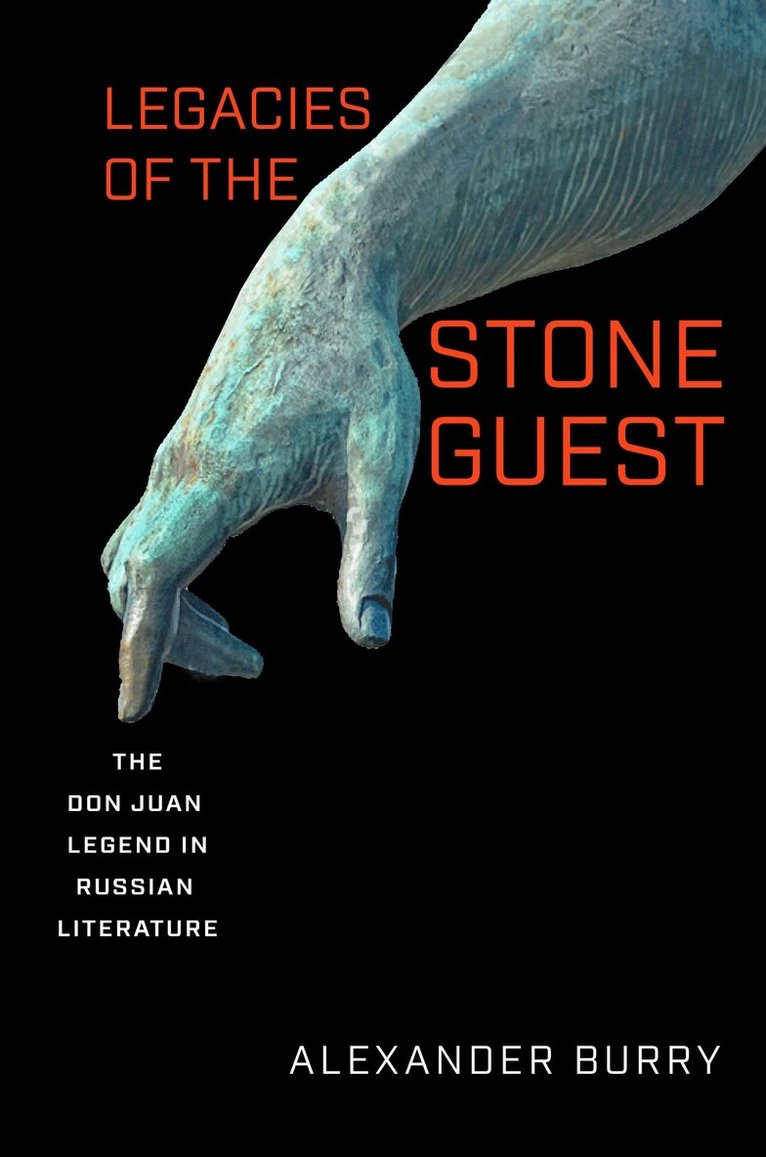
The story of Don Juan first appeared in writing in seventeenth-century Spain, reaching Russia about a century later. Its real impact, however, was delayed until Russia’s most famous poet, Alexander Pushkin, put his own, unique, and uniquely inspirational, spin on the tale. Published in 1830, TheStone Guest is now recognized, with other Pushkin masterpieces, as part of the Russian literary canon. Alexander Burry traces the influence of Pushkin’s brilliant innovations to the legend, which he shows have proven repeatedly fruitful through successive ages of Russian literature, from the Realist to the Silver Age, Soviet, and contemporary periods. Burry shows that, rather than creating a simple retelling of an originally religious tale about a sinful, consummate seducer, Pushkin offered open-ended scenes, re-envisioned and complicated characters, and new motifs that became recursive and productive parts of Russian literature, in ways that even Pushkin himself could never have predicted.
1 343 kr
Skickas inom 7-10 vardagar
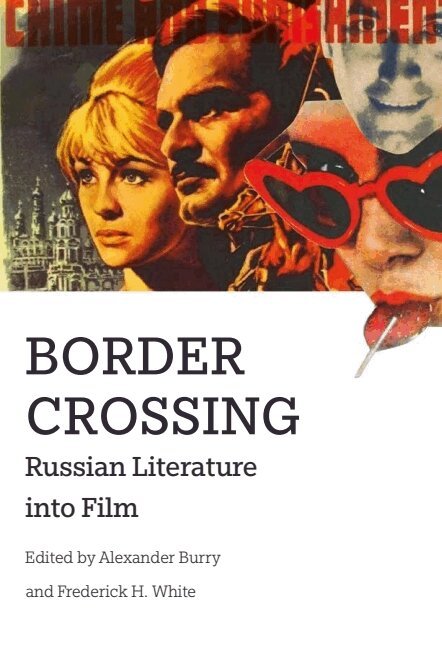
Each time a border is crossed there are cultural, political, and social issues to be considered. Applying the metaphor of the ‘border crossing’ from one temporal or spatial territory into another, Border Crossing: Russian Literature into Film examines the way classic Russian texts have been altered to suit new cinematic environments.In these essays, international scholars examine how political and economic circumstances, from a shifting Soviet political landscape to the perceived demands of American and European markets, have played a crucial role in dictating how filmmakers transpose their cinematic hypertext into a new environment. Rather than focus on the degree of accuracy or fidelity with which these films address their originating texts, this innovative collection explores the role of ideological, political, and other cultural pressures that can affect the transformation of literary narratives into cinematic offerings.
378 kr
Skickas inom 11-20 vardagar
Applying the metaphor of the `border crossing from one temporal or spatial territory into another, Border Crossing: Russian Literature into Film examines the way classic Russian texts have been altered to suit new cinematic environments.
1 097 kr
Skickas inom 7-10 vardagar
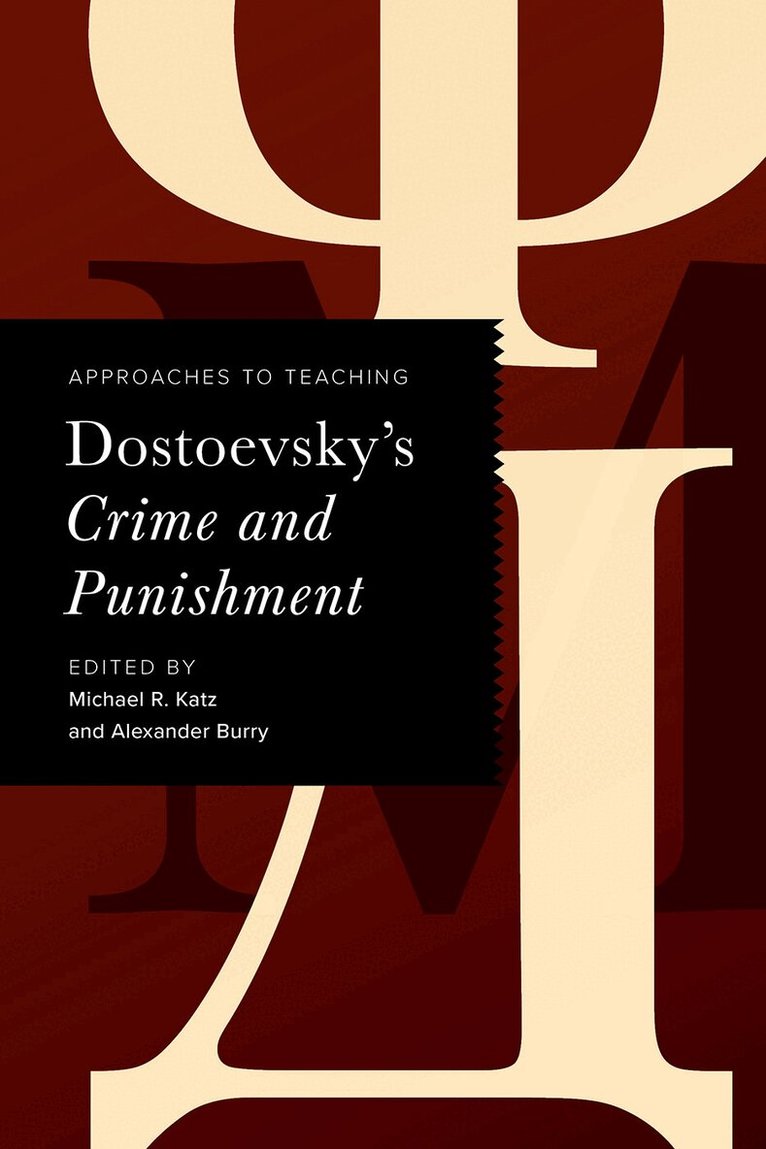
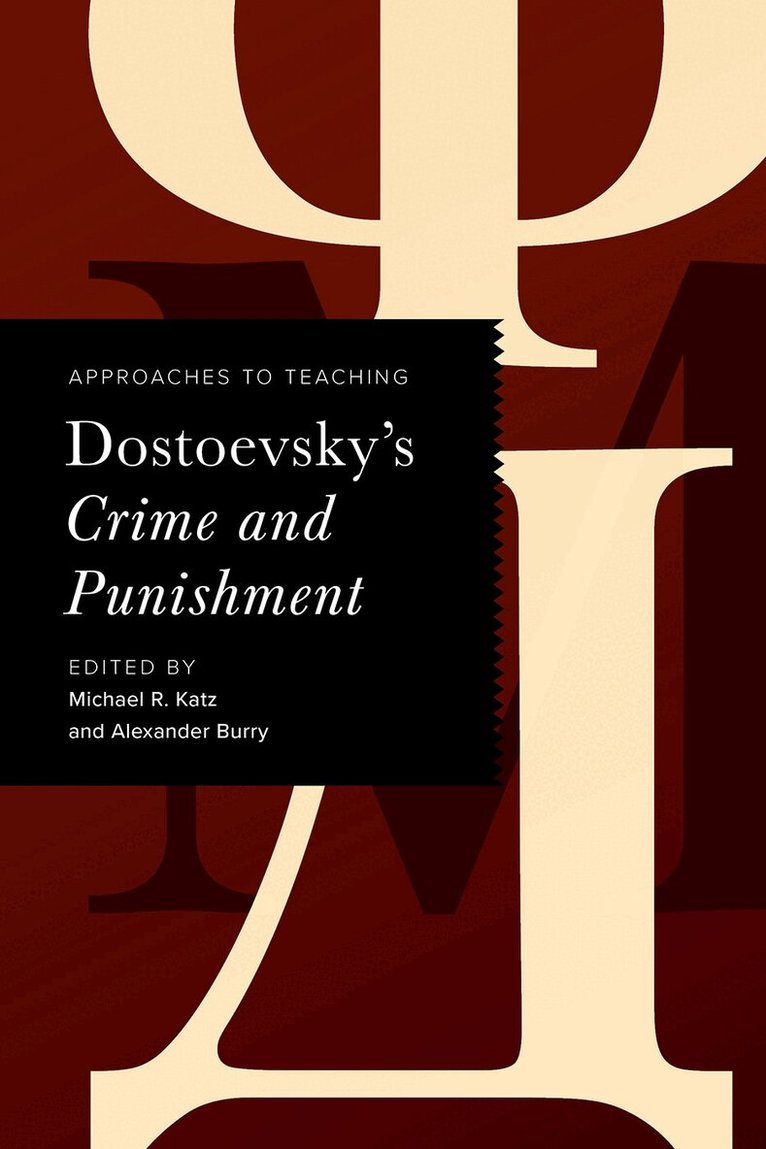
Recounting the murder of an elderly woman by a student expelled from university, Crime and Punishment is a psychological and political novel that portrays the strains on Russian society in the middle of the nineteenth century. Its protagonist, Raskolnikov, moves in a world of dire poverty, disillusionment, radicalism, and nihilism interwoven with religious faith and utopianism. In Dostoevsky's innovative style, which he called fantastic realism, the narrator frequently reports from within the protagonist's mind. The depiction of the desperate lives of tradespeople, students, alcoholics, prostitutes, and criminals gives readers insight into the urban society of St. Petersburg at the time.The first part of this book offers instructors guidance on Russian editions and English translations, a map of St. Petersburg showing locations mentioned in the novel, a list of characters and an explanation of the Russian naming system, analysis of key scenes, and selected critical works on the novel. In the second part, essays address many of Dostoevsky's themes and consider the role of ethics, gender, money, Orthodox Christianity, and social justice in the narrative. The volume concludes with essays on digital media and film adaptations.
477 kr
Skickas inom 7-10 vardagar
Recounting the murder of an elderly woman by a student expelled from university, Crime and Punishment is a psychological and political novel that portrays the strains on Russian society in the middle of the nineteenth century. Its protagonist, Raskolnikov, moves in a world of dire poverty, disillusionment, radicalism, and nihilism interwoven with religious faith and utopianism. In Dostoevsky's innovative style, which he called fantastic realism, the narrator frequently reports from within the protagonist's mind. The depiction of the desperate lives of tradespeople, students, alcoholics, prostitutes, and criminals gives readers insight into the urban society of St. Petersburg at the time.The first part of this book offers instructors guidance on Russian editions and English translations, a map of St. Petersburg showing locations mentioned in the novel, a list of characters and an explanation of the Russian naming system, analysis of key scenes, and selected critical works on the novel. In the second part, essays address many of Dostoevsky's themes and consider the role of ethics, gender, money, Orthodox Christianity, and social justice in the narrative. The volume concludes with essays on digital media and film adaptations.