Alexander Daniel Beihammer – författare
Visar alla böcker från författaren Alexander Daniel Beihammer. Handla med fri frakt och snabb leverans.
5 produkter
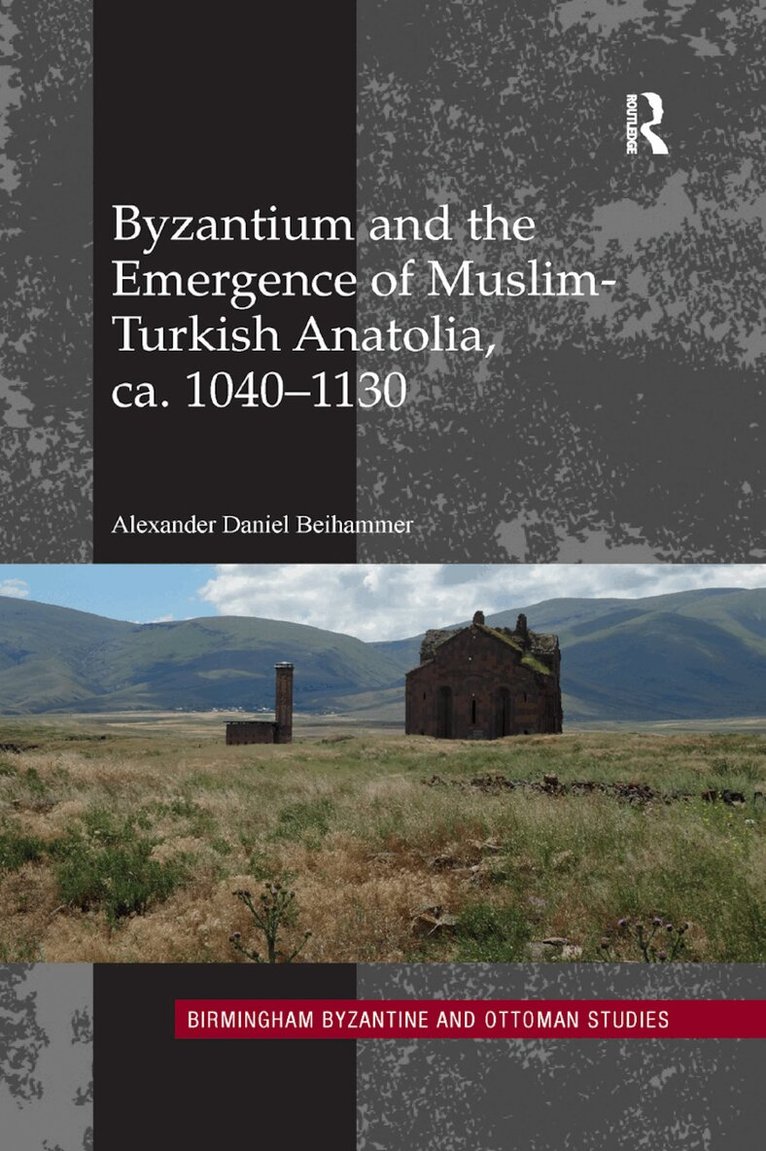
Byzantium and the Emergence of Muslim-Turkish Anatolia, ca. 1040-1130
Häftad, 2019
725 kr
Lägg i varukorg
The arrival of the Seljuk Turks in Anatolia forms an indispensable part of modern Turkish discourse on national identity, but Western scholars, by contrast, have rarely included the Anatolian Turks in their discussions about the formation of European nations or the transformation of the Near East. …
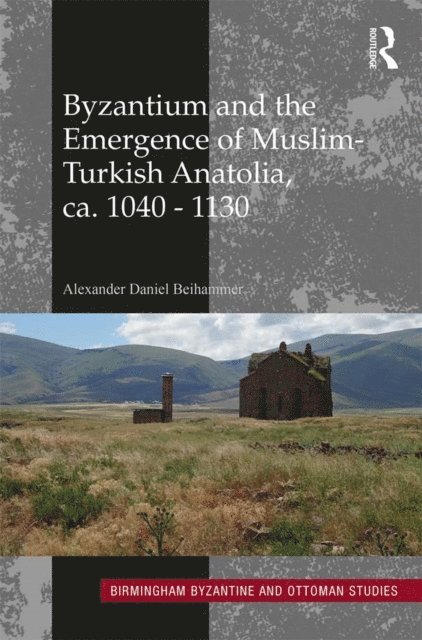
Byzantium and the Emergence of Muslim-Turkish Anatolia, ca. 1040-1130
Inbunden, 2017
2578 kr
Lägg i varukorg
The arrival of the Seljuk Turks in Anatolia forms an indispensable part of modern Turkish discourse on national identity, but Western scholars, by contrast, have rarely included the Anatolian Turks in their discussions about the formation of European nations or the transformation of the Near East. …
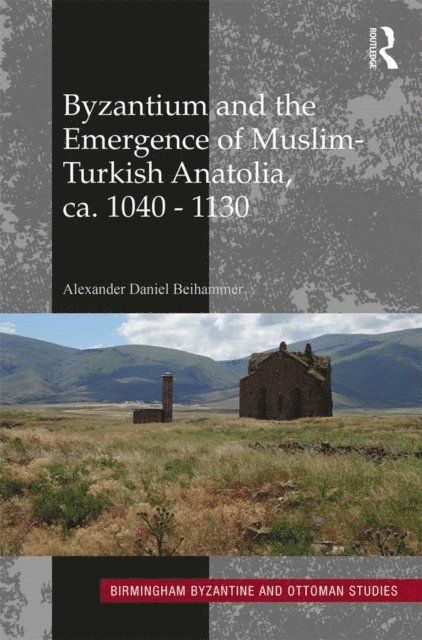
Byzantium and the Emergence of Muslim-Turkish Anatolia, ca. 1040-1130
E-bok, 2017
767 kr
Lägg i varukorg
The arrival of the Seljuk Turks in Anatolia forms an indispensable part of modern Turkish discourse on national identity, but Western scholars, by contrast, have rarely included the Anatolian Turks in their discussions about the formation of European nations or the transformation of the Near East. …
Byzantium and the Emergence of Muslim-Turkish Anatolia, ca. 1040-1130
E-bok, 2017
767 kr
Lägg i varukorg
The arrival of the Seljuk Turks in Anatolia forms an indispensable part of modern Turkish discourse on national identity, but Western scholars, by contrast, have rarely included the Anatolian Turks in their discussions about the formation of European nations or the transformation of the Near East. …
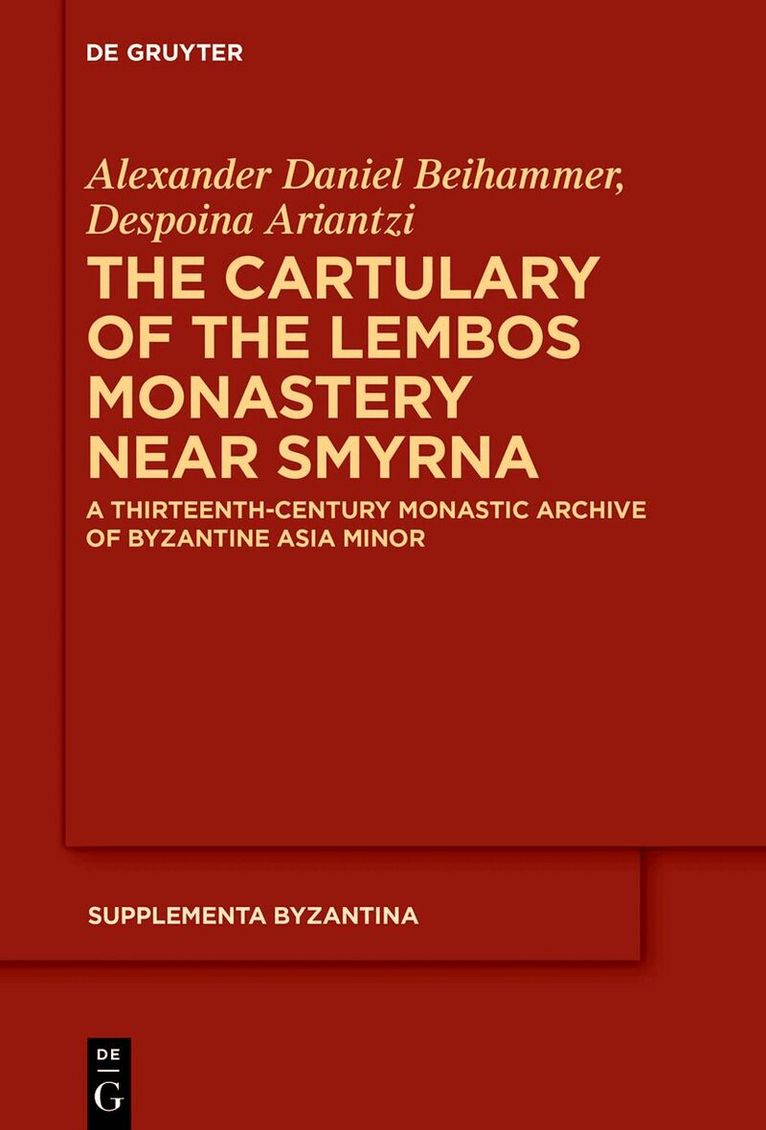
Cartulary of the Lembos Monastery Near Smyrna
A Thirteenth-Century Monastic Archive of Byzantine Asia Minor
Av Alexander Daniel Beihammer, Despoina Ariantzi
Inbunden, 2026
2312 kr
Kommande
The Cartulary of the Lembos monastery near Smyrna, preserved in Vind. hist. gr. 125, is one of the richest and historically most important collections of legal documents that has come down to us from the Byzantine world. After its restoration by Emperor John III Vatatzes, the Lembos monastery …