Alexander Kelle - Böcker
Visar alla böcker från författaren Alexander Kelle. Handla med fri frakt och snabb leverans.
4 produkter
4 produkter
Del 34 - NATO Science Partnership Subseries: 1
Role of Biotechnology in Countering BTW Agents
Häftad, Engelska, 2001
538 kr
Skickas inom 10-15 vardagar
Biotechnology is vital to counter biological and toxin weapons. Without biotechnology, the detection, identification and diagnoses of, and medical countermeasures to such weapons would be virtually impossible. As biological and toxin agents occur in natural outbreaks of disease or intoxications, there are both civil and military benefits to be had from the use of biotechnology in providing effective countermeasures to such agents. In this book, the role of biotechnology in countering biological and toxin weapons is addressed under seven major headings: The wider political and economic contexts; enabling technologies for BTW agent detection; the applicability of biotechnological methods for BTW agent detection on the battlefield, in a terrorist incident, and in an inspection environment; pre-exposure medical countermeasures; diagnosis and identification; and post-exposure treatment and decontamination.
588 kr
Skickas inom 7-10 vardagar
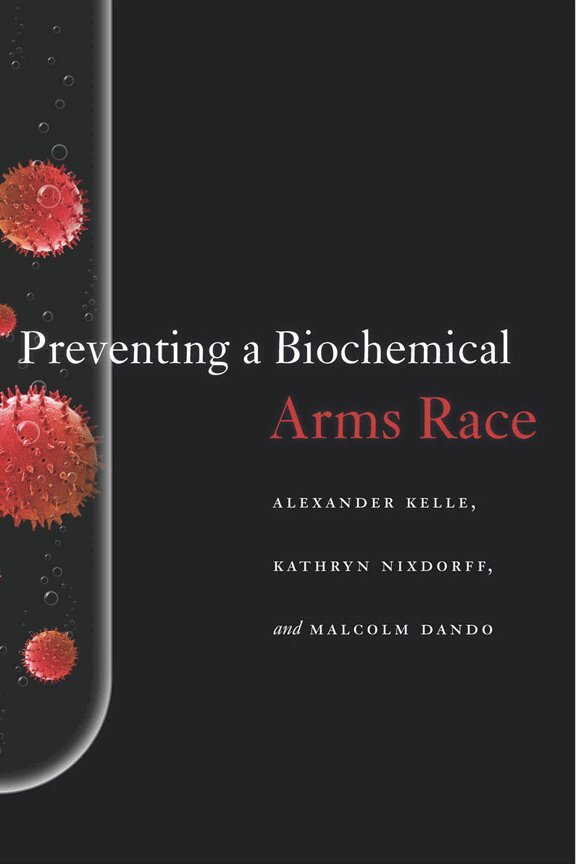
Preventing a Biochemical Arms Race responds to a growing concern that changes in the life sciences and the nature of warfare could lead to a resurgent interest in chemical and biological weapons (CBW) capabilities. By bringing together a wide range of historical material and current literature in the field of CBW arms control, the book reveals how these two disparate fields might be integrated to precipitate a biochemical arms race among major powers, rogue states, or even non-state actors.It seeks to raise awareness among policy practitioners, the academic community, and the media that such an arms race may be looming if developments are left unattended, and to provide policy options on how it—and it's devastating consequences—could be avoided. After identifying weaknesses in the international regime structures revolving around the Biological Weapons and Chemical Weapons Conventions, it provides policy proposals to deal with gaps and shortcomings in each prohibition regime individually, and then addresses the widening gap between them.
1 632 kr
Skickas inom 10-15 vardagar
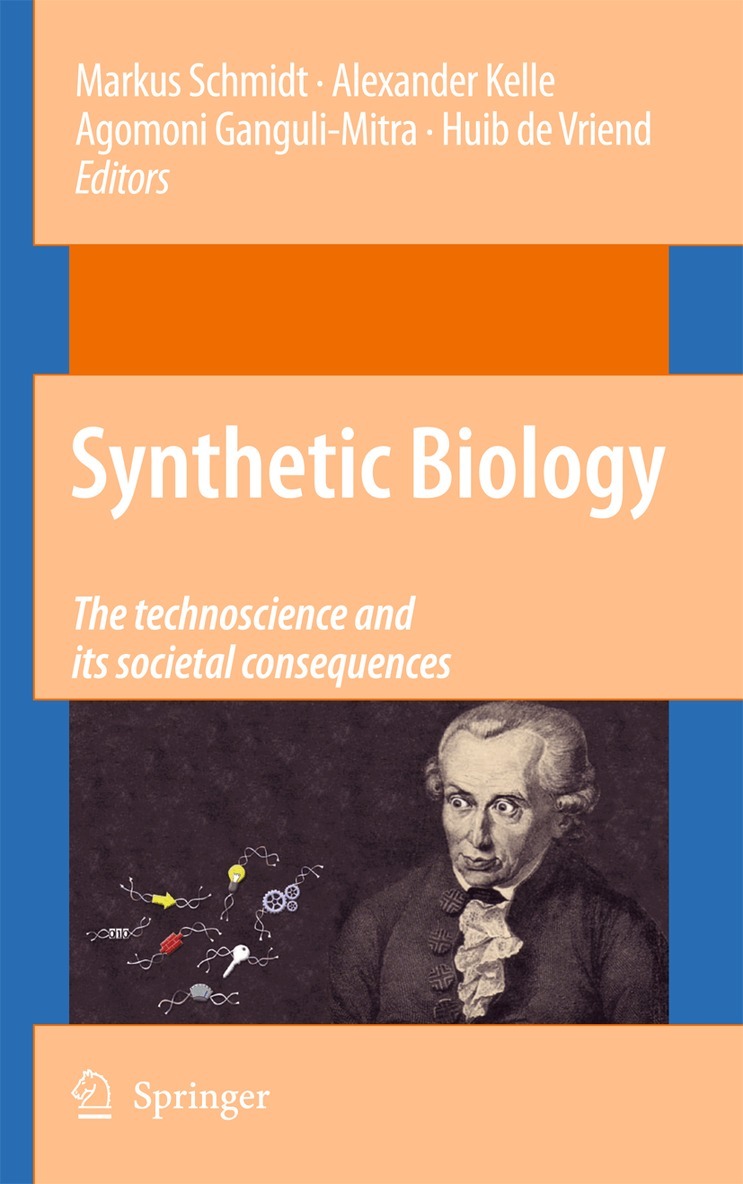
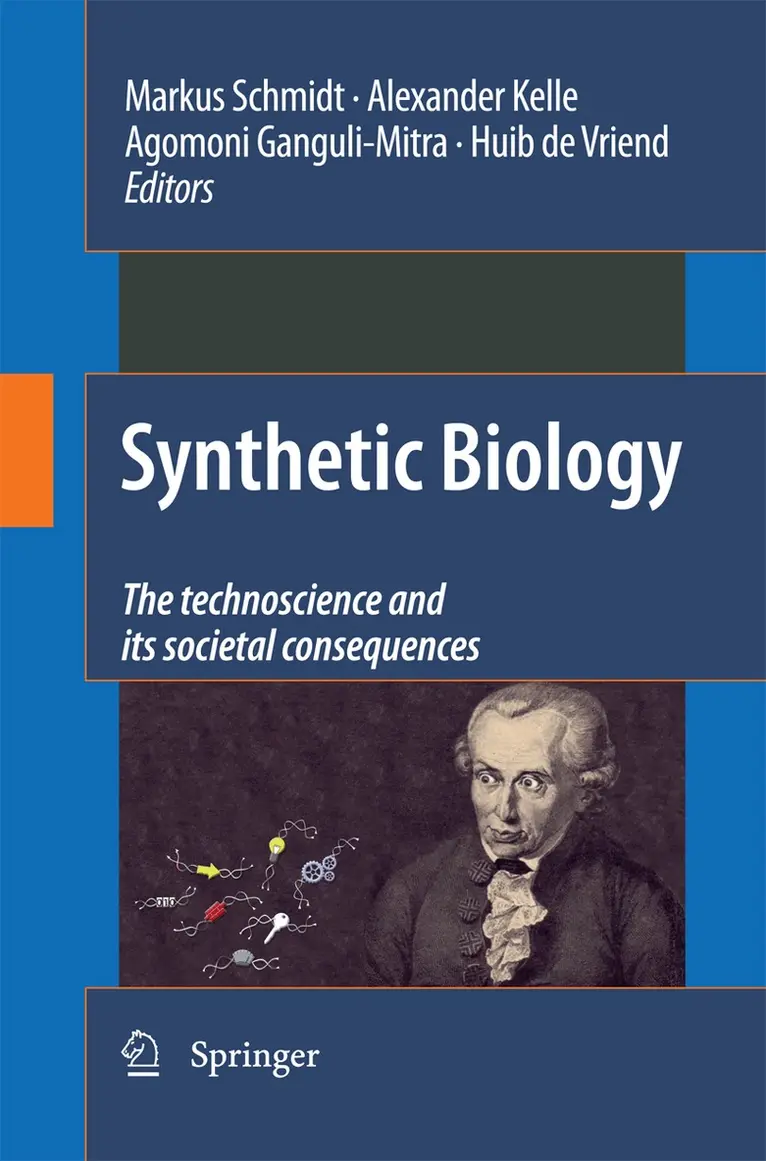
Synthetic biology is becoming one of the most dynamic new fields of biology, with the potential to revolutionize the way we do biotechnology today. By applying the toolbox of engineering disciplines to biology, a whole set of potential applications become possible ranging very widely across scientific and engineering disciplines. Some of the potential benefits of synthetic biology, such as the development of low-cost drugs or the production of chemicals and energy by engineered bacteria are enormous. There are, however, also potential and perceived risks due to deliberate or accidental damage. Also, ethical issues of synthetic biology just start being explored, with hardly any ethicists specifically focusing on the area of synthetic biology. This book will be the first of its kind focusing particularly on the safety, security and ethical concerns and other relevant societal aspects of this new emerging field. The foreseen impact of this book will be to stimulate a debate on these societal issues at an early stage. Past experiences, especially in the field of GM-crops and stem cells, have shown the importance of an early societal debate. The community and informed stakeholders recognize this need, but up to now discussions are fragmentary. This book will be the first comprehensive overview on relevant societal issues of synthetic biology, setting the scene for further important discussions within the scientific community and with civil society.
1 632 kr
Skickas inom 10-15 vardagar
Synthetic biology is becoming one of the most dynamic new fields of biology, with the potential to revolutionize the way we do biotechnology today. By applying the toolbox of engineering disciplines to biology, a whole set of potential applications become possible ranging very widely across scientific and engineering disciplines. Some of the potential benefits of synthetic biology, such as the development of low-cost drugs or the production of chemicals and energy by engineered bacteria are enormous. There are, however, also potential and perceived risks due to deliberate or accidental damage. Also, ethical issues of synthetic biology just start being explored, with hardly any ethicists specifically focusing on the area of synthetic biology. This book will be the first of its kind focusing particularly on the safety, security and ethical concerns and other relevant societal aspects of this new emerging field. The foreseen impact of this book will be to stimulate a debate on these societal issues at an early stage. Past experiences, especially in the field of GM-crops and stem cells, have shown the importance of an early societal debate. The community and informed stakeholders recognize this need, but up to now discussions are fragmentary. This book will be the first comprehensive overview on relevant societal issues of synthetic biology, setting the scene for further important discussions within the scientific community and with civil society.