• Fri frakt över 249 kr
  • •
  • Snabba leveranser
  • •
  • Billiga böcker
Kundservice

Du är på sajten för privatpersoner.

Företag, bibliotek eller offentlig verksamhet?

Du handlar på classic.bokus.com, där alla dina funktioner finns intakta.
Till classic.bokus.com
Bokus logotyp. Gå till startsidan.
  • Erbjudanden
  • Nyheter
  • Student
  • Topplistor
  • Barn & ungdom
  • Bokus Play
  • E-böcker
  • Pocketböcker
  • Spel & pussel

10% rabatt på allt med kod: NYSTART10 →

Sidfot

Mina sidor

    Hjälp

    • Kundservice
    • Vanliga frågor och svar
    • Frakt och leverans
    • Retur vid ångerrätt
    • Reklamera vara
    • Betalning
    • Köpvillkor
    • Allmänna villkor
    • Information om webbplatsens tillgänglighet

    Om Bokus

    • Om oss
    • Pressrum
    • För studenter
    • För företag
    • För bibliotek och offentlig verksamhet
    • För leverantörer
    • Hållbarhet

    Populärt

    • Aktuella erbjudanden
    • Presentkort
    • Studentlitteratur
    • Nya böcker
    • Topplistor
    • Signerade böcker
    • Engelska böcker

    Inspiration

    • Boktips
    • BookTok
    • Populära bokserier
    • Barnbokskaraktärer
    • Populära författare
    Logotyp för Bokus
    Följ oss på Facebook (extern länk)Följ oss på Instagram (extern länk)Följ oss på YouTube (extern länk)Följ oss på TikTok (extern länk)
    bokus @ CookiesAnpassa cookiesIntegritetspolicyKöpvillkor
    Till Citymail hemsida (extern länk)Till Budbee hemsida (extern länk)Till Postnord hemsida (extern länk)Till Schenker hemsida (extern länk)Till Early Bird hemsida (extern länk)Till Walleys hemsida (extern länk)
    1. Samhälle och politik
    2. Politik och statsskick
    3. Internationella relationer

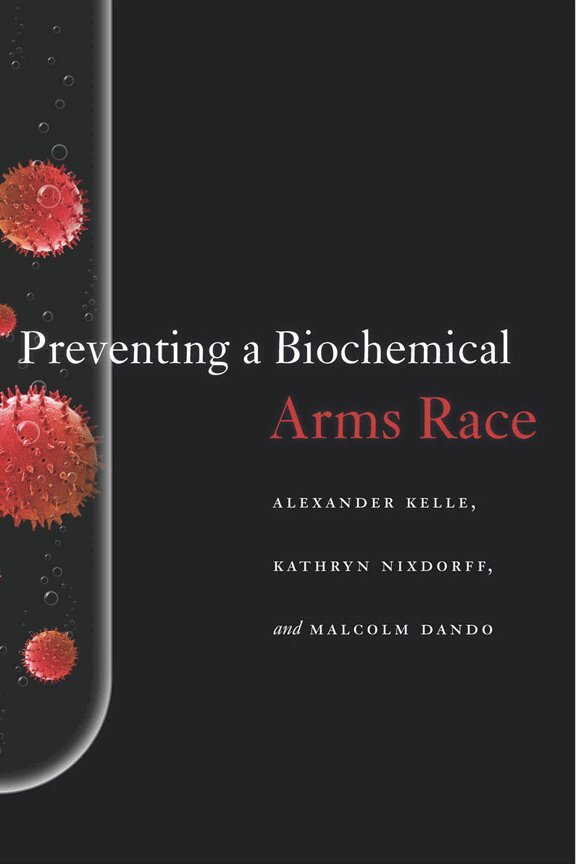
    Preventing a Biochemical Arms Race

    AvAlexander Kelle,Kathryn Nixdorff

    Inbunden, Engelska, 2012

    610 kr

    Beställningsvara. Skickas inom 5-8 vardagar. Fri frakt över 249 kr.

    Fler format och utgåvor

    E-bok

    688 kr

    Beskrivning

    Preventing a Biochemical Arms Race responds to a growing concern that changes in the life sciences and the nature of warfare could lead to a resurgent interest in chemical and biological weapons (CBW) capabilities. By bringing together a wide range of historical material and current literature in the field of CBW arms control, the book reveals how these two disparate fields might be integrated to precipitate a biochemical arms race among major powers, rogue states, or even non-state actors.It seeks to raise awareness among policy practitioners, the academic community, and the media that such an arms race may be looming if developments are left unattended, and to provide policy options on how it—and it's devastating consequences—could be avoided. After identifying weaknesses in the international regime structures revolving around the Biological Weapons and Chemical Weapons Conventions, it provides policy proposals to deal with gaps and shortcomings in each prohibition regime individually, and then addresses the widening gap between them.

    Produktinformation

    • Utgivningsdatum:2012-10-31
    • Mått:152 x 229 x 18 mm
    • Vikt:454 g
    • Format:Inbunden
    • Språk:Engelska
    • Antal sidor:256
    • Förlag:Stanford University Press
    • ISBN:9780804782753

    Utforska kategorier

    • Internationella relationer inom Samhälle och politik

    Mer om författaren

    Alexander Kelle is Senior Lecturer in Politics and International Relations at the University of Bath.Kathryn Nixdorff is a retired Professor in the Department of Microbiology and Genetics at Darmstadt University of Technology.Malcolm Dando is Professor of International Security in the Department of Peace Studies University of Bradford.

    Recensioner i media

    "This excellent book by top experts links in-depth analysis of the CBW prohibition regimes with recent scholarship on new wars, gives a critical assessment of biodefense policies and is based on a thorough review of the revolution in the life sciences."—Harald Müller, Executive Director, Peace Research Institute, Frankfurt "This book rejoins two issues that have for decades been addressed apart: chemical and biological weapons disarmament. Separated for pragmatic reasons, today's convergence in the life sciences calls for new thinking. The book will enrich the discussions in the arms control and the life science communities about managing dual use risks."—Ralf Trapp, International consultant on chemical and biological weapons arms control