Alexander Korb – författare
Visar alla böcker från författaren Alexander Korb. Handla med fri frakt och snabb leverans.
4 produkter
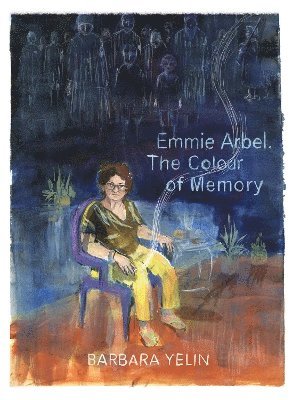
Emmie Arbel
The Colour of Memory
Av Barbara Yelin, Charlotte Schallié m. fl.
Inbunden, 2026
209 kr
Lägg i varukorg
Arrested with her family in the Netherlands, deported by the Nazis to Ravensbrück and Bergen-Belsen, and orphaned – all by the age of seven – Emmie Arbel survived the camps, only to face a new ordeal of suffering in what should have been a place of refuge. Traumatized as a child by violence, …
Intertwined Genocides
Mass Violence in Western Yugoslavia during the Second World War
Inbunden, 2026
962 kr
Kommande
Intertwined Genocides explores the patterns and the internal logic of the genocides carried out by Croatian fascists - the Ustasha - against Serbs, Jews, and Roma during the Second World War. Korb argues that the Croatian fascists were not German puppets, but strong-minded and largely independent …
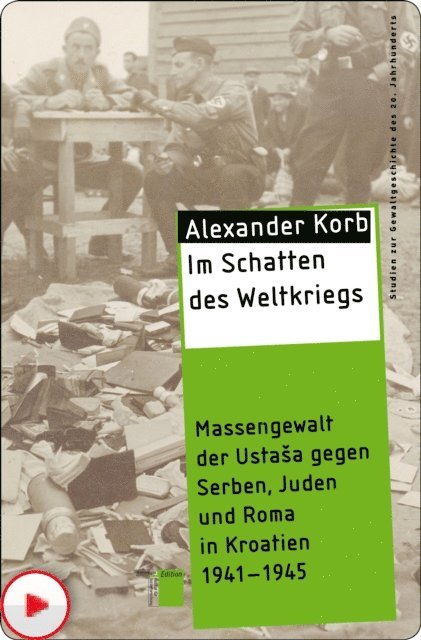
Im Schatten des Weltkriegs
Massengewalt der Ustaša gegen Serben, Juden und Roma in Kroatien 1941-1945
E-bok, 2013
249 kr
Lägg i varukorg
Im Schatten des Zweiten Weltkriegs versuchte die kroatische Ustasa-Bewegung, gewaltsam einen ethnisch homogenen Nationalstaat zu schaffen. Die Zerschlagung Jugoslawiens durch die Wehrmacht versetzte die Ustasa in die Lage, ein Terrorregime zu etablieren, das sich vornehmlich gegen Serben, Juden und …
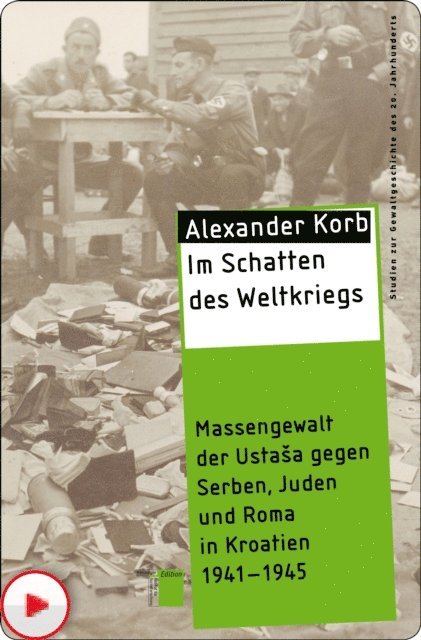
Im Schatten des Weltkriegs
Massengewalt der Ustaša gegen Serben, Juden und Roma in Kroatien 1941-1945
E-bok, 2013
249 kr
Lägg i varukorg
Im Schatten des Zweiten Weltkriegs versuchte die kroatische Ustasa-Bewegung, gewaltsam einen ethnisch homogenen Nationalstaat zu schaffen. Die Zerschlagung Jugoslawiens durch die Wehrmacht versetzte die Ustasa in die Lage, ein Terrorregime zu etablieren, das sich vornehmlich gegen Serben, Juden und …