Alexander Menrisky - Böcker
Visar alla böcker från författaren Alexander Menrisky. Handla med fri frakt och snabb leverans.
6 produkter
6 produkter
664 kr
Skickas inom 10-15 vardagar
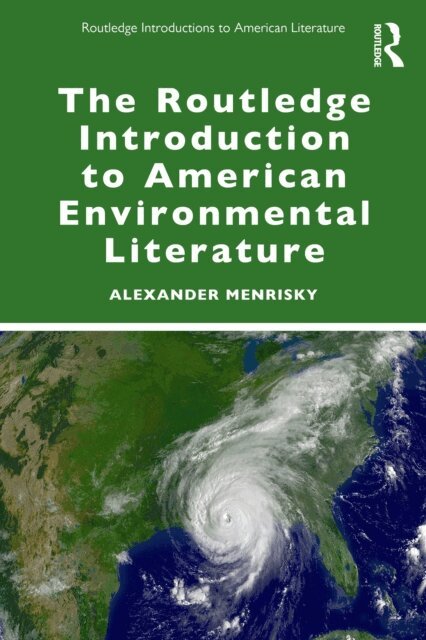
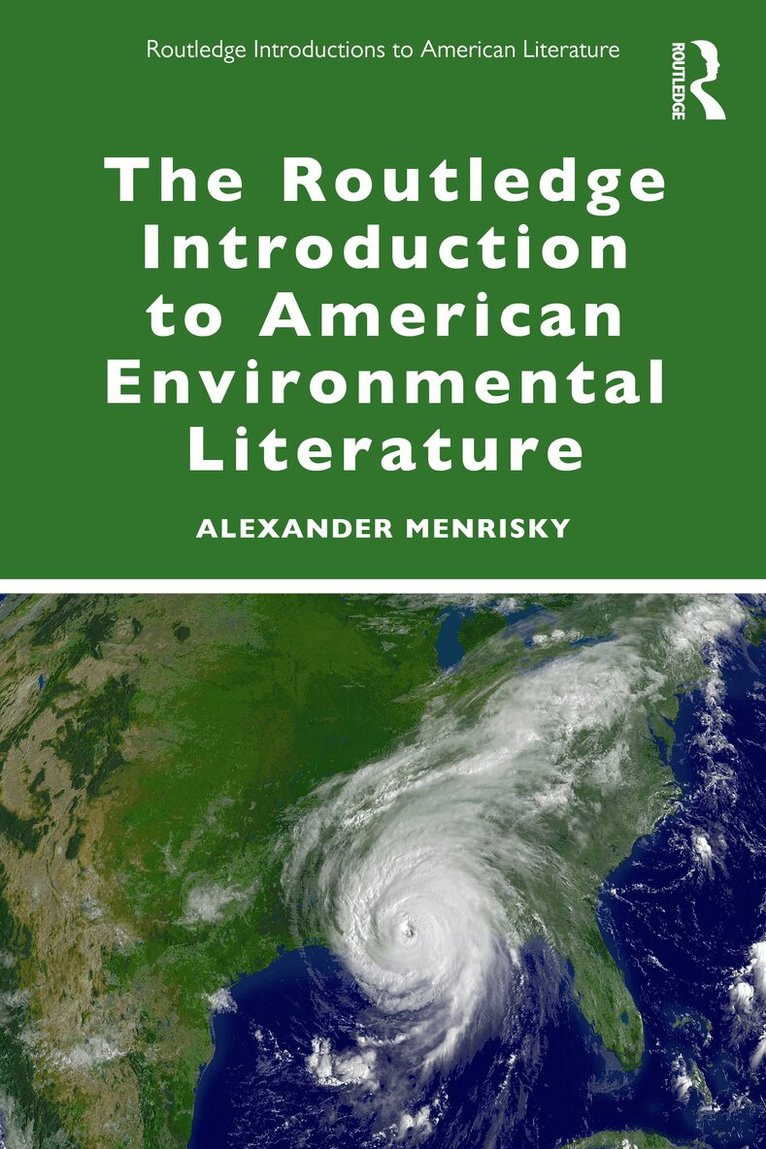
The Routledge Introduction to American Environmental Literature offers an overview of the different ways diverse writers in the United States have represented the nonhuman world and human relationships with it from before the nation’s founding to the present. Providing a concise introduction to ongoing trends and debates in literary environmentalism and the study of environmental representation, this accessible volume also covers a variety of topics, including:• the transatlantic and transnational origins of American environmental literature• the development of the American wilderness ideal in nineteenth-century literature• the American nature writing tradition• the rise of ecological science and literary responses to it• the environmental justice movement and its literary expression• climate change and the emergence of climate fiction• ecopoetry and ecopoeticsThrough readings of texts by authors such as Henry David Thoreau, John Muir, Mary Austin, Aldo Leopold, Rachel Carson, Edward Abbey, N. Scott Momaday, Simon Ortiz, Wendell Berry, Annie Dillard, Terry Tempest Williams, Helena María Viramontes, Octavia Butler, Jesmyn Ward, Louise Erdrich, Robin Wall Kimmerer, Tommy Pico, and more, this book examines the relationship between literature and its historical, sociopolitical, and environmental contexts and analyzes the relationship between environment and literary form. This volume is for students studying environmental literature chiefly produced in or written about the context of the present-day United States. The text (or selected chapters from it) will be particularly useful in Literature and Environment, American Nature Writing, and Climate Writing courses offered most often in English departments.
2 430 kr
Skickas inom 10-15 vardagar
The Routledge Introduction to American Environmental Literature offers an overview of the different ways diverse writers in the United States have represented the nonhuman world and human relationships with it from before the nation’s founding to the present. Providing a concise introduction to ongoing trends and debates in literary environmentalism and the study of environmental representation, this accessible volume also covers a variety of topics, including:• the transatlantic and transnational origins of American environmental literature• the development of the American wilderness ideal in nineteenth-century literature• the American nature writing tradition• the rise of ecological science and literary responses to it• the environmental justice movement and its literary expression• climate change and the emergence of climate fiction• ecopoetry and ecopoeticsThrough readings of texts by authors such as Henry David Thoreau, John Muir, Mary Austin, Aldo Leopold, Rachel Carson, Edward Abbey, N. Scott Momaday, Simon Ortiz, Wendell Berry, Annie Dillard, Terry Tempest Williams, Helena María Viramontes, Octavia Butler, Jesmyn Ward, Louise Erdrich, Robin Wall Kimmerer, Tommy Pico, and more, this book examines the relationship between literature and its historical, sociopolitical, and environmental contexts and analyzes the relationship between environment and literary form. This volume is for students studying environmental literature chiefly produced in or written about the context of the present-day United States. The text (or selected chapters from it) will be particularly useful in Literature and Environment, American Nature Writing, and Climate Writing courses offered most often in English departments.
Del 185 - Cambridge Studies in American Literature and Culture
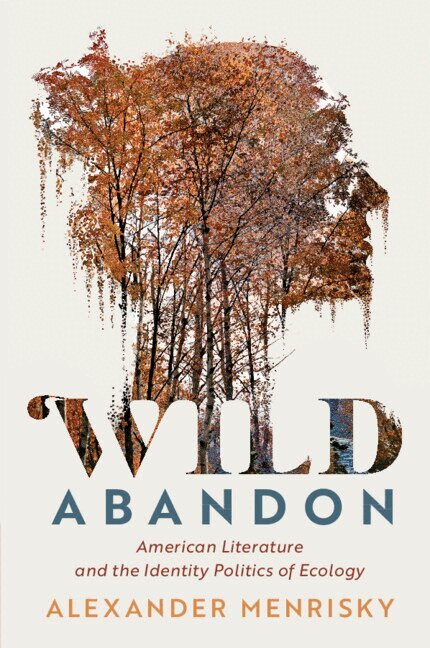
Wild Abandon
American Literature and the Identity Politics of Ecology
Häftad, Engelska, 2025
462 kr
Skickas inom 7-10 vardagar
The American wilderness narrative, which divides nature from culture, has remained remarkably persistent despite the rise of ecological science, which emphasizes interconnection between these spheres. Wild Abandon considers how ecology's interaction with radical politics of authenticity in the twentieth century has kept that narrative alive in altered form. As ecology gained political momentum in the 1960s and 1970s, many environmentalists combined it with ideas borrowed from psychoanalysis and a variety of identity-based social movements. The result was an identity politics of ecology that framed ecology itself as an authentic identity position repressed by cultural forms, including social differences and even selfhood. Through readings of texts by Edward Abbey, Simon Ortiz, Toni Morrison, Margaret Atwood, and Jon Krakauer, among others, Alexander Menrisky argues that writers have both dramatized and critiqued this tendency, in the process undermining the concept of authenticity altogether and granting insight into alternative histories of identity and environment.
Del 185 - Cambridge Studies in American Literature and Culture
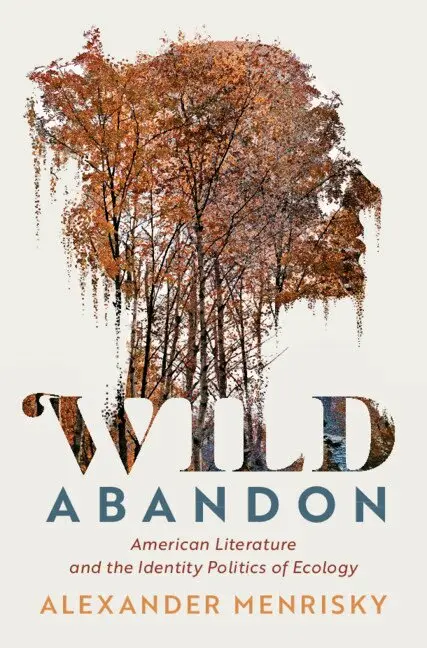
Wild Abandon
American Literature and the Identity Politics of Ecology
Inbunden, Engelska, 2020
1 265 kr
Skickas inom 7-10 vardagar
The American wilderness narrative, which divides nature from culture, has remained remarkably persistent despite the rise of ecological science, which emphasizes interconnection between these spheres. Wild Abandon considers how ecology's interaction with radical politics of authenticity in the twentieth century has kept that narrative alive in altered form. As ecology gained political momentum in the 1960s and 1970s, many environmentalists combined it with ideas borrowed from psychoanalysis and a variety of identity-based social movements. The result was an identity politics of ecology that framed ecology itself as an authentic identity position repressed by cultural forms, including social differences and even selfhood. Through readings of texts by Edward Abbey, Simon Ortiz, Toni Morrison, Margaret Atwood, and Jon Krakauer, among others, Alexander Menrisky argues that writers have both dramatized and critiqued this tendency, in the process undermining the concept of authenticity altogether and granting insight into alternative histories of identity and environment.
1 372 kr
Skickas inom 7-10 vardagar
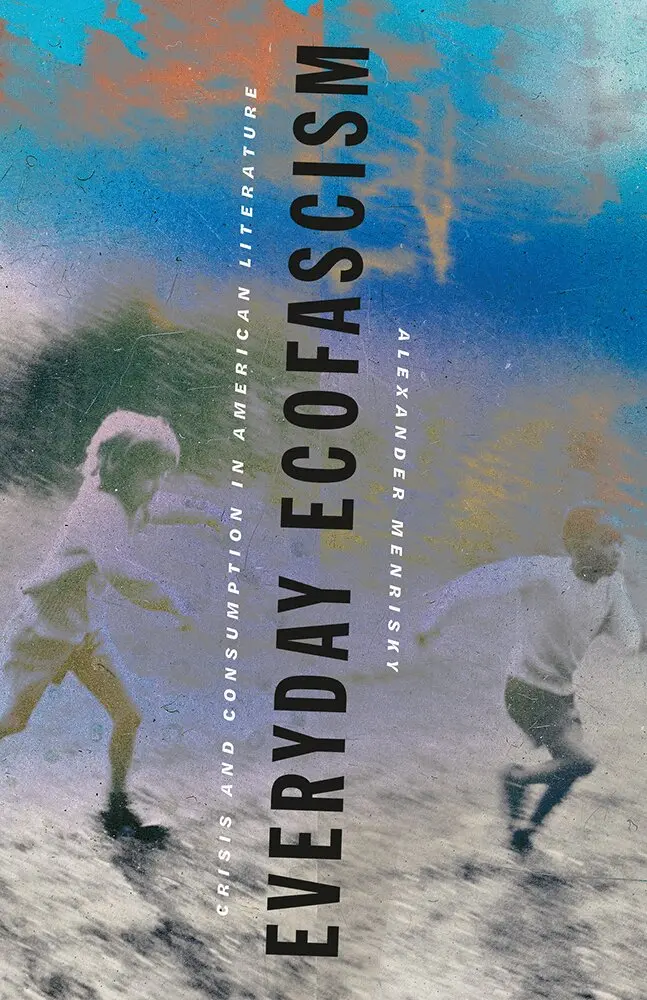
A timely look into how fascist ideas permeate contemporary culture well beyond the far rightAs challenges posed by climate change have intensified in the twenty-first century, right-wing figures in the United States and abroad have increasingly framed anti-immigrant, anti-Indigenous, and white-supremacist sentiments in terms of environmental survival. Everyday Ecofascism explores the insidious nature of this tendency, revealing how permutations of these perspectives in fact resonate across the political spectrum. Drawing on comparative studies of fascism writ large, Alexander Menrisky demonstrates that ecofascism is best understood not as a uniquely right-wing ideology but as a political genre that reinforces white supremacy and other forms of domination. Presenting a view of fascism as a complex power network that plays out on scales both large and small, Menrisky shows how extremist sentiments have crept into everyday language, stories, and ideas. Through a literary and cultural studies lens, he illuminates ecofascism’s narrative patterns and their easy permeation of environmentalist discourses, from back-to-the-land movements to the resurgence of psychedelic drugs, food localism, and pandemic politics. Opposite his analysis of ecofascism in action, Menrisky sheds important light on narrative resistances to dominant conceptions of race, nation, and territory by Native, queer, and women-of-color writers who have countered ethnonationalism for generations. Bridging past and present, Menrisky powerfully nails down the emergent concept of ecofascism and forms a basis for understanding phenomena like Covid-19, ecological utopianism, and psychedelic environmentalism that detangles ecofascist tendencies from justice-oriented visions of place-based belonging. Retail e-book files for this title are screen-reader friendly.
326 kr
Skickas inom 7-10 vardagar
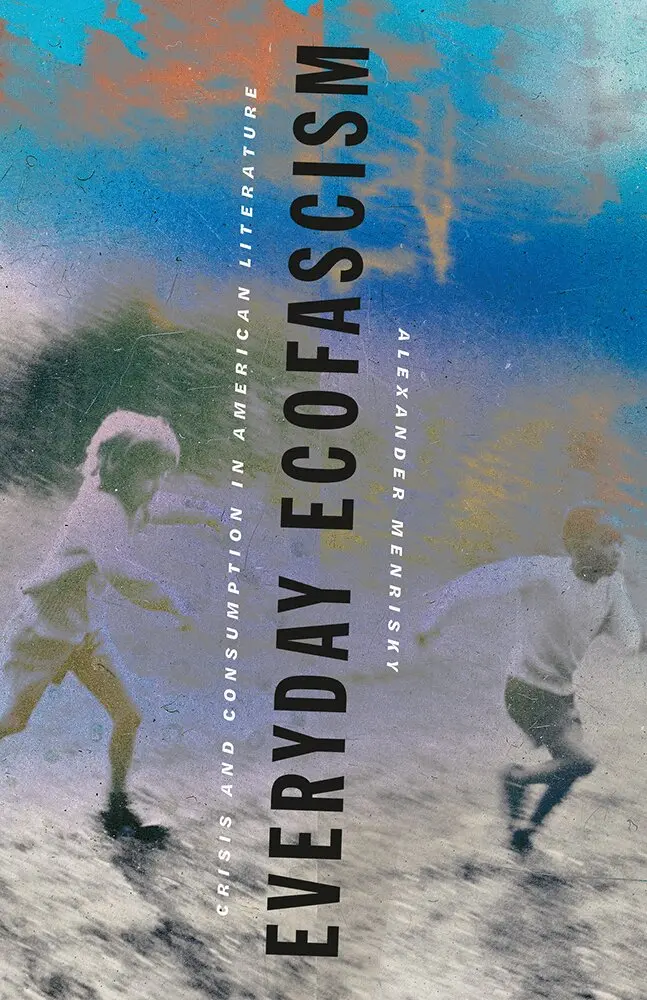
A timely look into how fascist ideas permeate contemporary culture well beyond the far rightAs challenges posed by climate change have intensified in the twenty-first century, right-wing figures in the United States and abroad have increasingly framed anti-immigrant, anti-Indigenous, and white-supremacist sentiments in terms of environmental survival. Everyday Ecofascism explores the insidious nature of this tendency, revealing how permutations of these perspectives in fact resonate across the political spectrum. Drawing on comparative studies of fascism writ large, Alexander Menrisky demonstrates that ecofascism is best understood not as a uniquely right-wing ideology but as a political genre that reinforces white supremacy and other forms of domination. Presenting a view of fascism as a complex power network that plays out on scales both large and small, Menrisky shows how extremist sentiments have crept into everyday language, stories, and ideas. Through a literary and cultural studies lens, he illuminates ecofascism’s narrative patterns and their easy permeation of environmentalist discourses, from back-to-the-land movements to the resurgence of psychedelic drugs, food localism, and pandemic politics. Opposite his analysis of ecofascism in action, Menrisky sheds important light on narrative resistances to dominant conceptions of race, nation, and territory by Native, queer, and women-of-color writers who have countered ethnonationalism for generations. Bridging past and present, Menrisky powerfully nails down the emergent concept of ecofascism and forms a basis for understanding phenomena like Covid-19, ecological utopianism, and psychedelic environmentalism that detangles ecofascist tendencies from justice-oriented visions of place-based belonging. Retail e-book files for this title are screen-reader friendly.