Alexandra Cuffel - Böcker
Visar alla böcker från författaren Alexandra Cuffel. Handla med fri frakt och snabb leverans.
8 produkter
8 produkter
544 kr
Skickas inom 10-15 vardagar
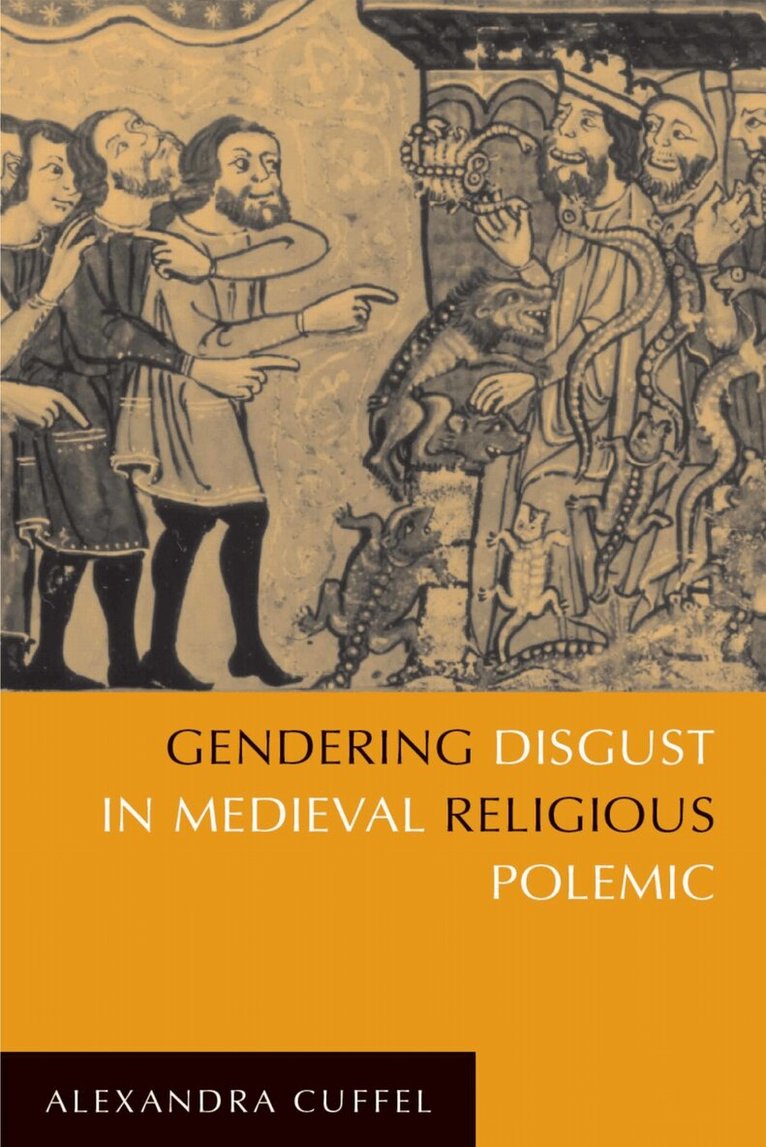
In Gendering Disgust in Medieval Religious Polemic, Alexandra Cuffel analyzes medieval Jewish, Christian, and Muslim uses of gendered bodily imagery and metaphors of impurity in their visual and verbal polemic against one another. Drawing from a rich array of sources—including medical texts, bestiaries, Muslim apocalyptic texts, midrash, biblical commentaries, kabbalistic literature, Hebrew liturgical poetry, and theological tracts from late antiquity to the mid-fourteenth century—Cuffel examines attitudes toward the corporeal body and its relationship to divinity. She shows that these religious traditions shared notions of the human body as distasteful, with many believers viewing corporeality and communion with the divine as incompatible. In particular, she explores how authors from each religious tradition targeted the woman's body as antithetical to holiness. Foul smell, bodily fluids and states, and animals were employed by these religious communities as powerful tropes, which they used to mark their religious opponents as sinful, filthy, and unacceptable. By defining and denigrating the religious "other," each group wielded bodily insult as a means of resistance, of inciting violence, and of creating community boundaries. Representations of impurity or filth designed to inspire revulsion served also to reassure audiences of their religious and sometimes physical superiority and to encourage oppressive measures toward the minority. Yet, even in the midst of opposing one another, their very polemic demonstrates that Jews, Christians, and Muslims held basic cultural assumptions and symbols in common while inflecting their meanings differently.
1 604 kr
Skickas inom 10-15 vardagar
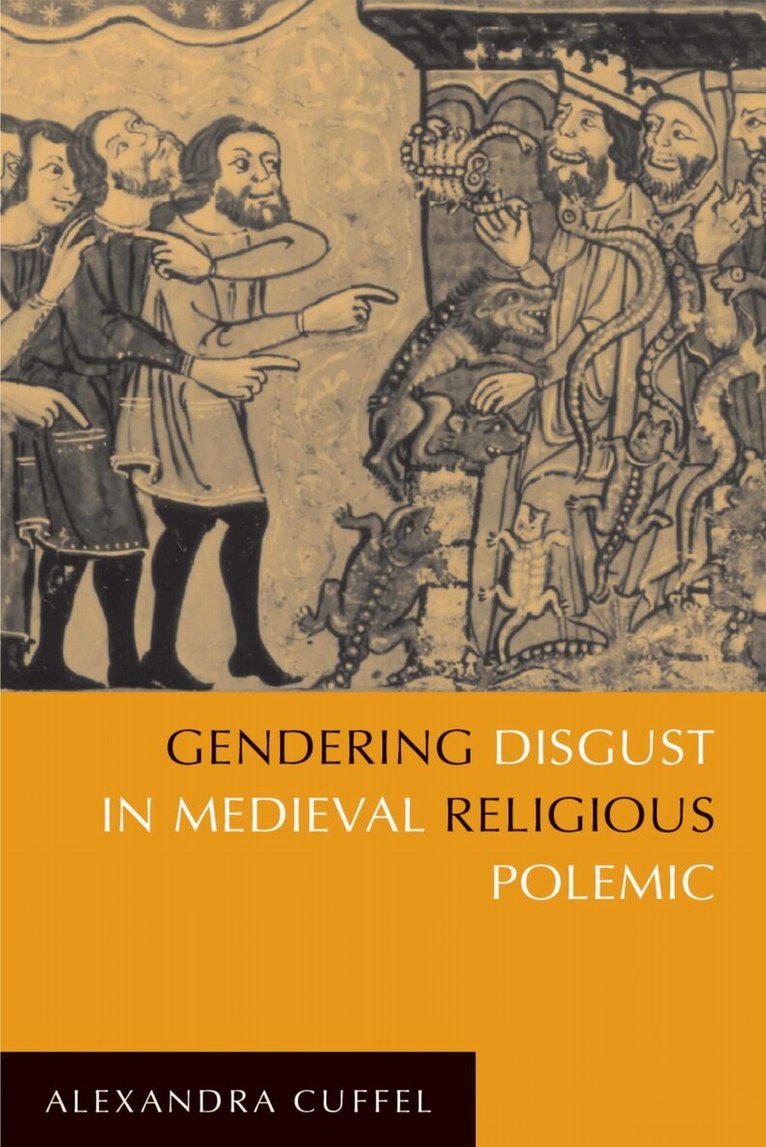
In Gendering Disgust in Medieval Religious Polemic, Alexandra Cuffel analyzes medieval Jewish, Christian, and Muslim uses of gendered bodily imagery and metaphors of impurity in their visual and verbal polemic against one another. Drawing from a rich array of sources—including medical texts, bestiaries, Muslim apocalyptic texts, midrash, biblical commentaries, kabbalistic literature, Hebrew liturgical poetry, and theological tracts from late antiquity to the mid-fourteenth century—Cuffel examines attitudes toward the corporeal body and its relationship to divinity. She shows that these religious traditions shared notions of the human body as distasteful, with many believers viewing corporeality and communion with the divine as incompatible. In particular, she explores how authors from each religious tradition targeted the woman's body as antithetical to holiness. Foul smell, bodily fluids and states, and animals were employed by these religious communities as powerful tropes, which they used to mark their religious opponents as sinful, filthy, and unacceptable. By defining and denigrating the religious "other," each group wielded bodily insult as a means of resistance, of inciting violence, and of creating community boundaries. Representations of impurity or filth designed to inspire revulsion served also to reassure audiences of their religious and sometimes physical superiority and to encourage oppressive measures toward the minority. Yet, even in the midst of opposing one another, their very polemic demonstrates that Jews, Christians, and Muslims held basic cultural assumptions and symbols in common while inflecting their meanings differently.
629 kr
Skickas inom 10-15 vardagar
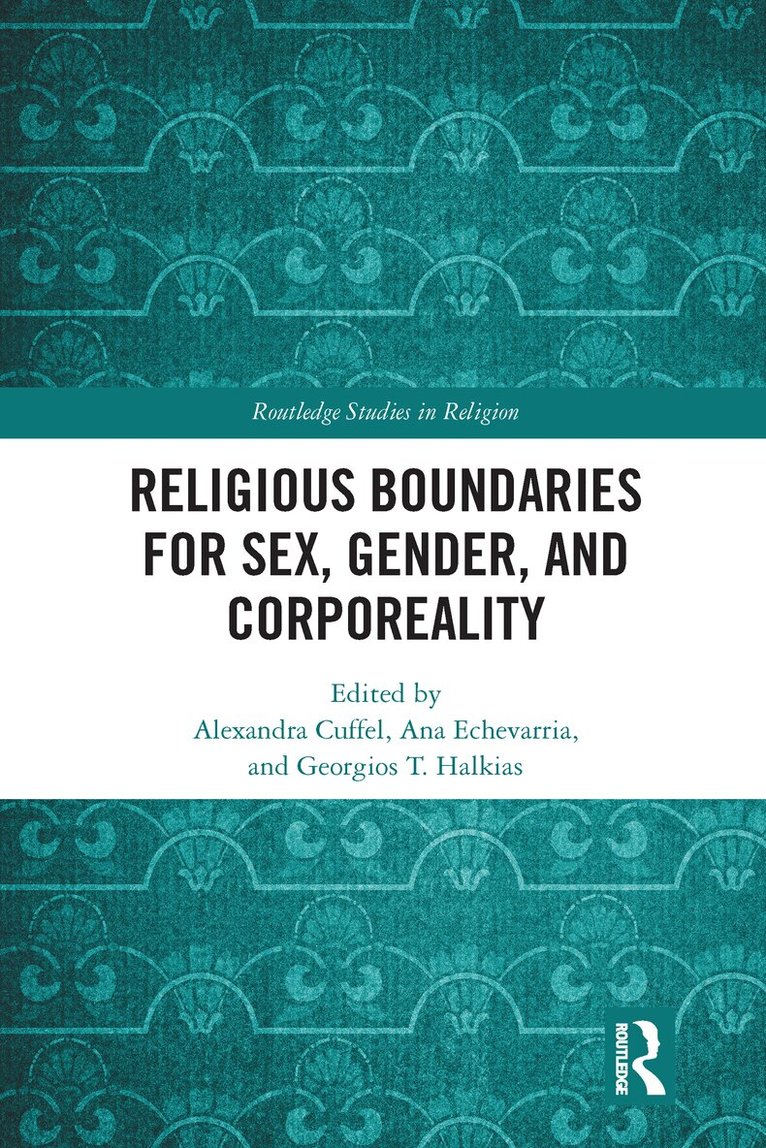
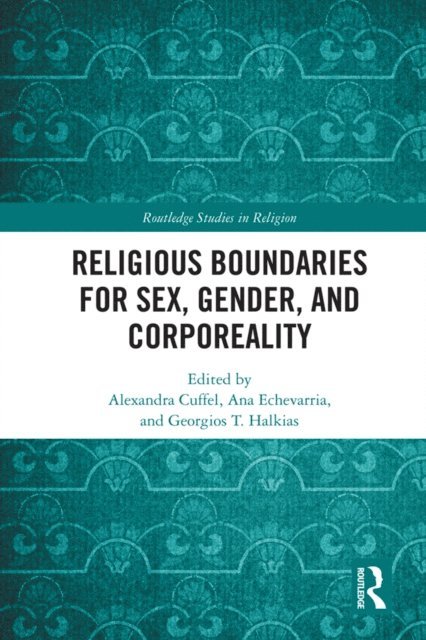
The ambiguity concerning the interpretation of the ‘physical body’ in religious thought is not peculiar to any given religion, but is discernible in the scriptures, practices, and disciplines in most of the world’s major religious traditions. This book seeks to address the nuances of difference within and between religious traditions in the treatment and understanding of what constitutes the body as a carrier of religious meaning and/or vindication of doctrine.Bringing together an international team of contributors from different disciplines, this collection addresses the intersection of religion, gender, corporeality and/or sexuality in various Western and Eastern cultures. The book analyses instances when religious meaning is attributed to the human body’s physicality and its mechanics in contrast to imagined or metaphorical bodies. In other cases, it is shown that the body may function either as a vehicle or a hindrance for mystical knowledge. The chapters are arranged chronologically and across religious orientations, to offer a differentiated view on the body from a global perspective.This collection is an exciting exploration of religion and the human body. As such, it will be of great interest to scholars in religious studies, theology, Islamic studies, South Asian studies, history of religions and gender studies.
2 103 kr
Skickas inom 10-15 vardagar
The ambiguity concerning the interpretation of the ‘physical body’ in religious thought is not peculiar to any given religion, but is discernible in the scriptures, practices, and disciplines in most of the world’s major religious traditions. This book seeks to address the nuances of difference within and between religious traditions in the treatment and understanding of what constitutes the body as a carrier of religious meaning and/or vindication of doctrine.Bringing together an international team of contributors from different disciplines, this collection addresses the intersection of religion, gender, corporeality and/or sexuality in various Western and Eastern cultures. The book analyses instances when religious meaning is attributed to the human body’s physicality and its mechanics in contrast to imagined or metaphorical bodies. In other cases, it is shown that the body may function either as a vehicle or a hindrance for mystical knowledge. The chapters are arranged chronologically and across religious orientations, to offer a differentiated view on the body from a global perspective.This collection is an exciting exploration of religion and the human body. As such, it will be of great interest to scholars in religious studies, theology, Islamic studies, South Asian studies, history of religions and gender studies.
536 kr
Skickas inom 10-15 vardagar
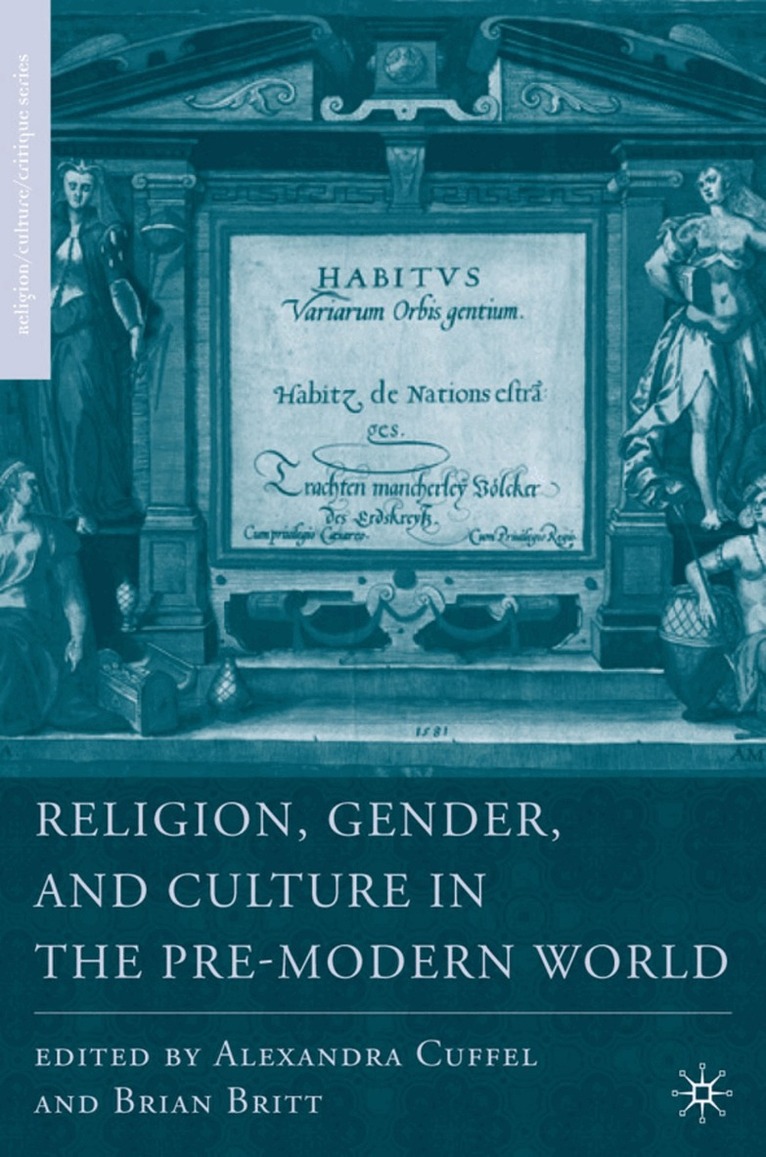
This book compares shifting formulations of gender, interfaith, and ethnic relations across continents from antiquity to the Nineteenth century. Contributors address three areas: depictions of homosexual and transgendered behaviours, conceptualizations of femininity and masculinity, and the marriageability of ethnic and religious minorities.
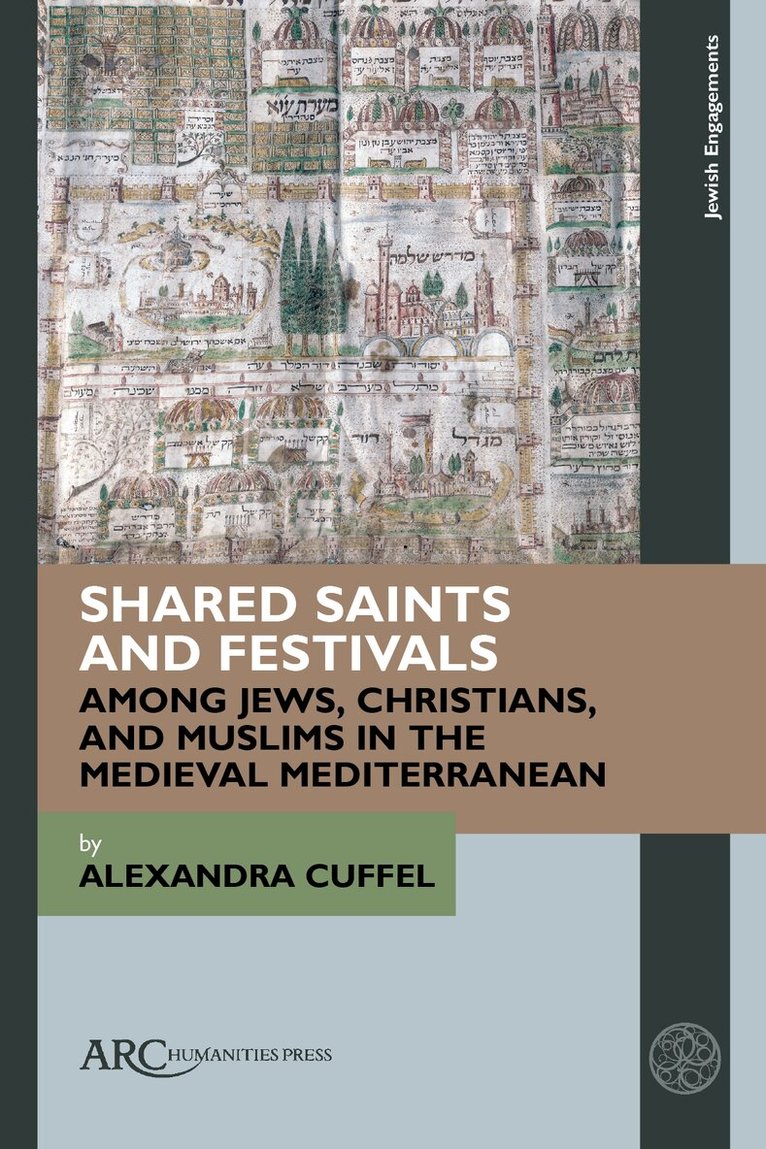
Shared Saints and Festivals among Jews, Christians, and Muslims in the Medieval Mediterranean
Inbunden, Engelska, 2024
1 734 kr
Skickas inom 3-6 vardagar
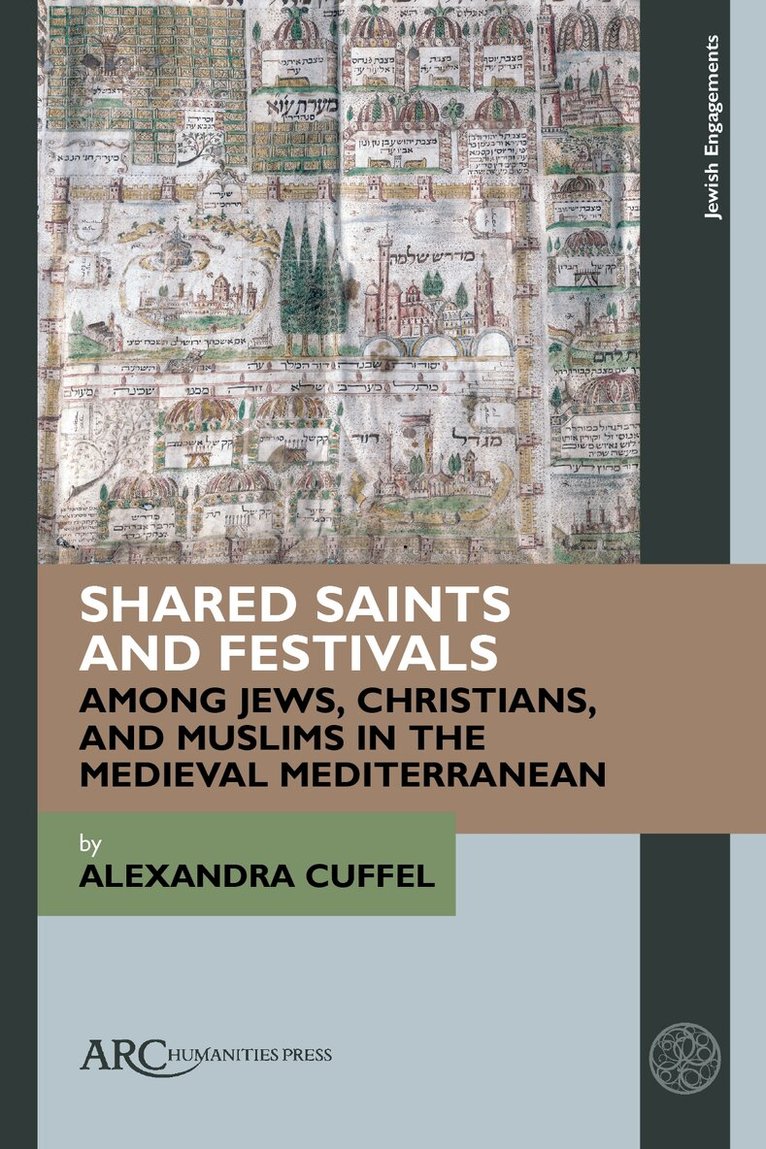
This book explores shared religious practices among Jews, Christians, and Muslims, focusing primarily on the medieval Mediterranean. It examines the meanings members of each community ascribed to the presence of the religious other at "their" festivals or holy sites during pilgrimage. Communal boundaries were often redefined or dissolved during pilgrimage and religious festivals. Yet, paradoxically, shared practices served to enforce communal boundaries, since many of the religious elite devised polemical interpretations of these phenomena which highlighted the superiority of their own faith. Such interpretations became integral to each group’s theological understanding of self and other to such a degree that in some regions, religious minorities were required to participate in the festivals of the ruling community. In all formulations, “otherness” remained an essential component of both polemic and prayer.
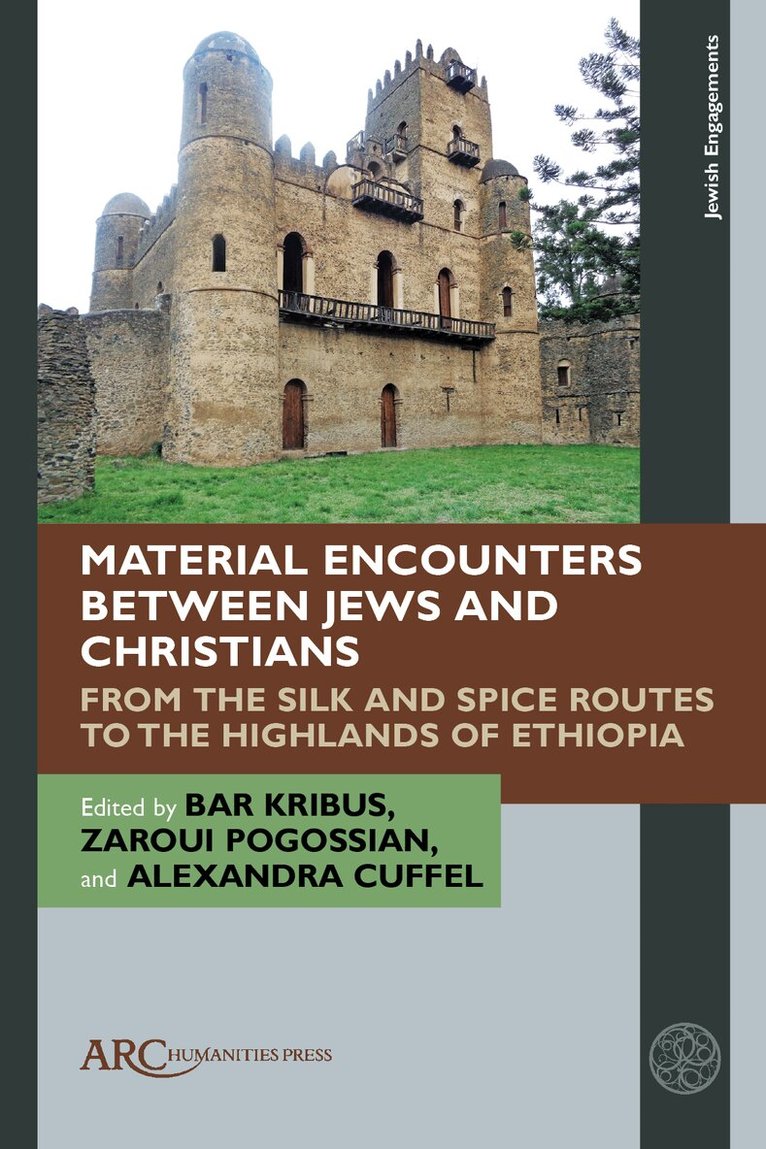
Material Encounters between Jews and Christians
From the Silk and Spice Routes to the Highlands of Ethiopia
Inbunden, Engelska, 2024
2 429 kr
Skickas inom 7-10 vardagar
This book demonstrates the potential of material culture, including artworks and archaeological finds, to shed new light on Jewish-Christian interaction in medieval and early modern times. Previous studies have focused on areas where Jews lived as a minority under Christian rule, such as in Western Europe and the Byzantine Empire. This book, on the other hand, explores the eastern Mediterranean to Central Asia, the Red Sea and India, where Jews and Christians interacted on a different footing.
Shared Saints and Festivals among Jews, Christians, and Muslims in the Medieval Mediterranean
Häftad, Engelska, 2024
572 kr
Skickas inom 7-10 vardagar
This book explores shared religious practices among Jews, Christians, and Muslims, focusing primarily on the medieval Mediterranean. It examines the meanings members of each community ascribed to the presence of the religious other at "their" festivals or holy sites during pilgrimage. Communal boundaries were often redefined or dissolved during pilgrimage and religious festivals. Yet, paradoxically, shared practices served to enforce communal boundaries, since many of the religious elite devised polemical interpretations of these phenomena which highlighted the superiority of their own faith. Such interpretations became integral to each group’s theological understanding of self and other to such a degree that in some regions, religious minorities were required to participate in the festivals of the ruling community. In all formulations, “otherness” remained an essential component of both polemic and prayer.