Alexandra Dellios - Böcker
Visar alla böcker från författaren Alexandra Dellios. Handla med fri frakt och snabb leverans.
6 produkter
6 produkter
2 100 kr
Skickas inom 10-15 vardagar
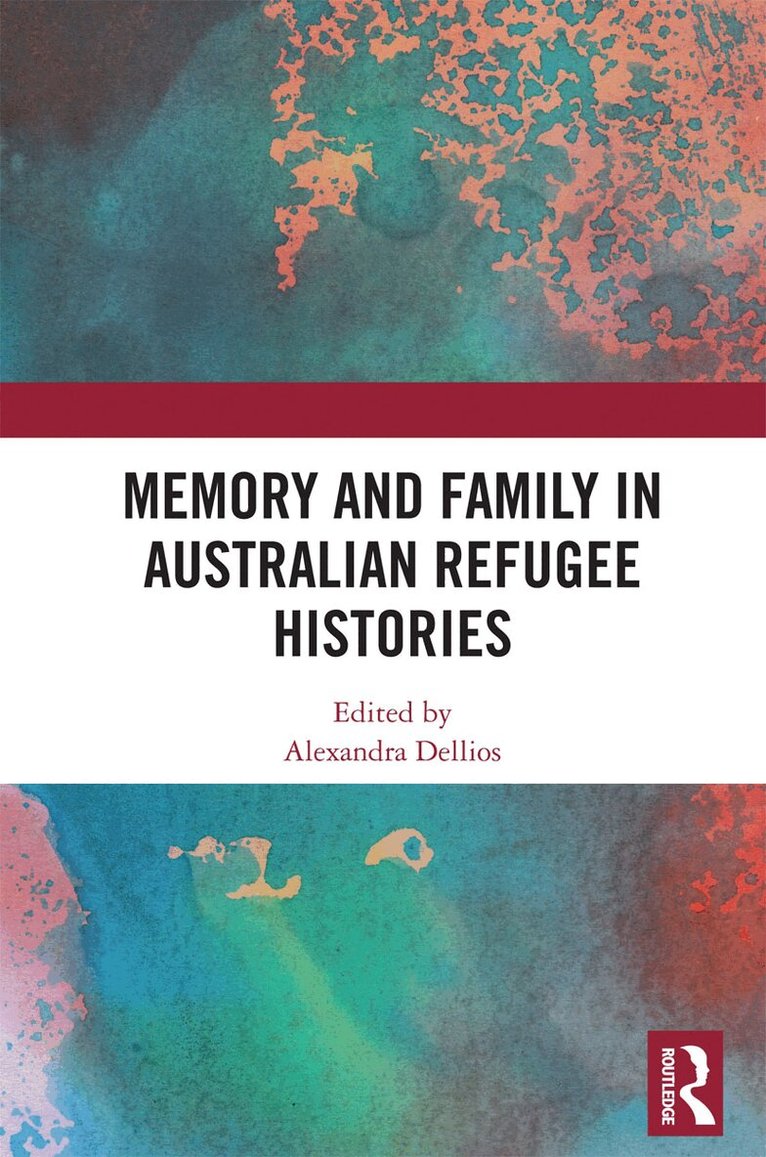
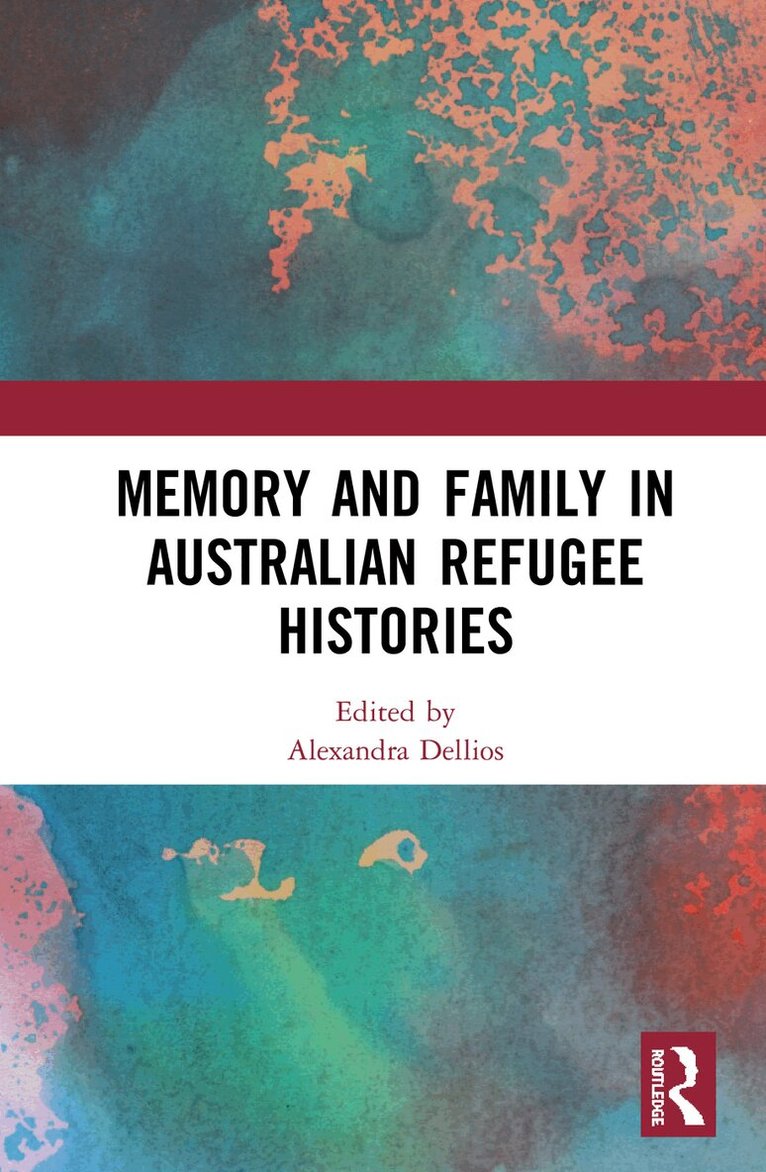
This book revisits Australian histories of refugee arrivals and settlement – with a particular focus on family and family life. It brings together new empirical research, and methodologies in memory and oral history, to offer multilayered histories of people seeking refuge in the 20th century. Engaging with histories of refugees and ‘family’, and how these histories intersect with aspects of memory studies — including oral history, public storytelling, family history, and museum exhibitions and objects — the book moves away from a focus on individual adults and towards multilayered and rich histories of groups with a variety of intersectional affiliations. The contributions consider the conflicting layers of meaning built up around racialised and de-racialised refugee groups throughout the 20th century, and their relationship to structural inequalities, their shifting socio-economic positions, and the changing racial and religious categories of inclusion and exclusion employed by dominant institutions. As the contributors to this book suggest, ‘family’ functions as a means to revisit or research histories of mobility and refuge. This focus on ‘family’ illuminates intimate aspects of a history and the emotions it contains and enables – complicating the passive victim stereotype often applied to refugees.As interest in refugee ‘integration’ continues to rise as a result of increasingly vociferous identity politics and rising right-wing rhetoric, this book offers readers new insights into the intersections between family and memory, and the potential avenues this might open up for considering refugee studies in a more intimate way. This book was originally published as a special issue of Immigrants & Minorities.
560 kr
Skickas inom 10-15 vardagar
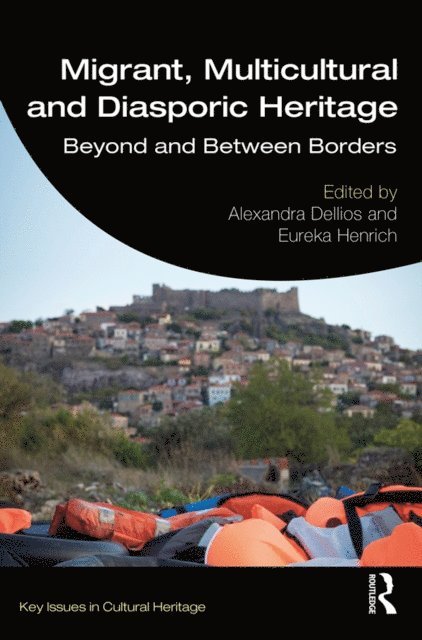
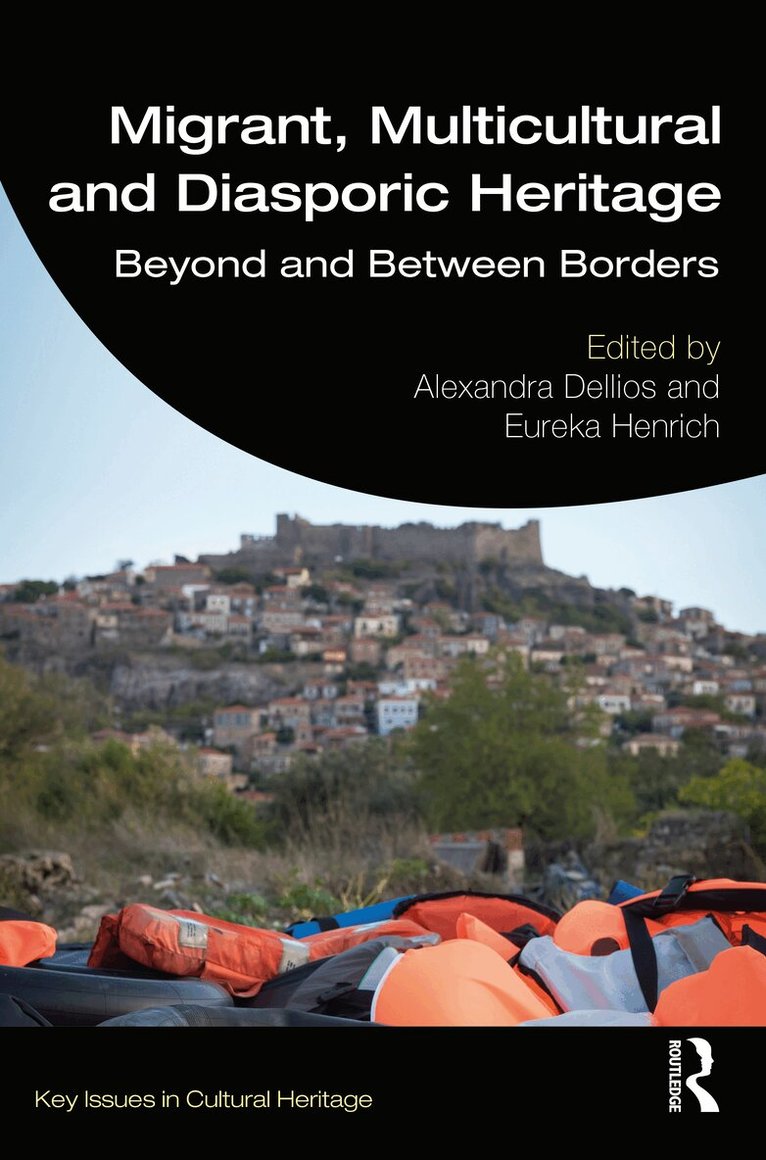
Migrant, Multicultural and Diasporic Heritage explores the role heritage has played in representing, contesting and negotiating the history and politics of ethnic, migrant, multicultural, diasporic or ‘other’ heritages in, within, between and beyond nations and national boundaries.Containing contributions from academics and professionals working across a range of fields, this volume contends that, in the face of various global ‘crises’, the role of heritage is especially important: it is a stage for the negotiation of shifting identities and for the rewriting of traditions and historical narratives of belonging and becoming. As a whole, the book connects and further develops methodological and theoretical discourses that can fuel and inform practice and social outcomes. It also examines the unique opportunities, challenges and limitations that various actors encounter in their efforts to preserve, identify, assess, manage, interpret and promote heritage pertaining to the experience and history of migration and migrant groups. Bringing together diverse case studies of migration and migrants in cultural heritage practice, Migrant, Multicultural and Diasporic Heritage will be of great interest to academics and students engaged in the study of heritage and museums, as well as those working in the fields of memory studies, public history, anthropology, archaeology, tourism and cultural studies.
2 100 kr
Skickas inom 10-15 vardagar
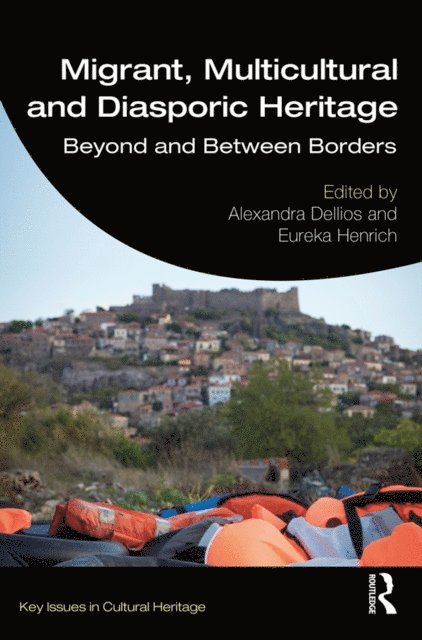
Migrant, Multicultural and Diasporic Heritage explores the role heritage has played in representing, contesting and negotiating the history and politics of ethnic, migrant, multicultural, diasporic or ‘other’ heritages in, within, between and beyond nations and national boundaries.Containing contributions from academics and professionals working across a range of fields, this volume contends that, in the face of various global ‘crises’, the role of heritage is especially important: it is a stage for the negotiation of shifting identities and for the rewriting of traditions and historical narratives of belonging and becoming. As a whole, the book connects and further develops methodological and theoretical discourses that can fuel and inform practice and social outcomes. It also examines the unique opportunities, challenges and limitations that various actors encounter in their efforts to preserve, identify, assess, manage, interpret and promote heritage pertaining to the experience and history of migration and migrant groups. Bringing together diverse case studies of migration and migrants in cultural heritage practice, Migrant, Multicultural and Diasporic Heritage will be of great interest to academics and students engaged in the study of heritage and museums, as well as those working in the fields of memory studies, public history, anthropology, archaeology, tourism and cultural studies.
614 kr
Skickas inom 10-15 vardagar
This book revisits Australian histories of refugee arrivals and settlement – with a particular focus on family and family life. It brings together new empirical research, and methodologies in memory and oral history, to offer multilayered histories of people seeking refuge in the 20th century. Engaging with histories of refugees and ‘family’, and how these histories intersect with aspects of memory studies — including oral history, public storytelling, family history, and museum exhibitions and objects — the book moves away from a focus on individual adults and towards multilayered and rich histories of groups with a variety of intersectional affiliations. The contributions consider the conflicting layers of meaning built up around racialised and de-racialised refugee groups throughout the 20th century, and their relationship to structural inequalities, their shifting socio-economic positions, and the changing racial and religious categories of inclusion and exclusion employed by dominant institutions. As the contributors to this book suggest, ‘family’ functions as a means to revisit or research histories of mobility and refuge. This focus on ‘family’ illuminates intimate aspects of a history and the emotions it contains and enables – complicating the passive victim stereotype often applied to refugees.As interest in refugee ‘integration’ continues to rise as a result of increasingly vociferous identity politics and rising right-wing rhetoric, this book offers readers new insights into the intersections between family and memory, and the potential avenues this might open up for considering refugee studies in a more intimate way. This book was originally published as a special issue of Immigrants & Minorities.
371 kr
Skickas inom 7-10 vardagar
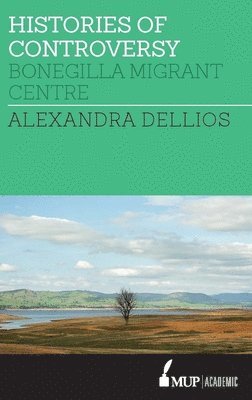
Bonegilla was a point of reception and temporary accommodation for approximately 320,000 post-war refugees and assisted migrants to Australia from 1947 to 1971. Its function was integral to the post-war immigration scheme, something officially lauded as an economic and cultural success. However, there were considerable hardships endured at Bonegilla, particularly during times of economic and political insecurity. Enforced family separation, poor standards of care, child malnutrition, and organised migrant protest need to be recognised as part of the Bonegilla story.Histories of Controversy: The Bonegilla Migrant Centre gives this alternative picture, revealing the centre's history to be one of containment, control, deprivation and political discontent. It tells a more complex tale than a harmonious making of modern Australia to include stories of migrant resistance and their demands on a society and its systems.
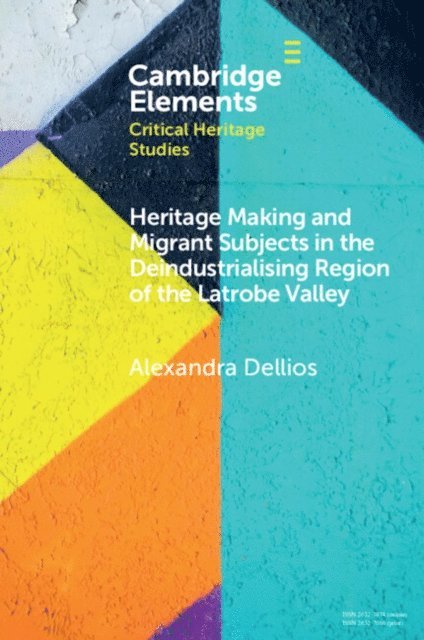
Heritage Making and Migrant Subjects in the Deindustrialising Region of the Latrobe Valley
Häftad, Engelska, 2022
241 kr
Skickas inom 7-10 vardagar
This Element argues that community-initiated migrant heritage harbours the potential to challenge and expand state-sanctioned renderings of multiculturalism in liberal nation-states. In this search for alternative readings, community-initiated migrant heritage is positioned as a grassroots challenge to positivist state-multiculturalism. It can do this if we adopt the migrant perspective, a diasporic perspective of 'settlement' that is always unfinished, non-static, and non-essentialist. As mobile subjects, either once or many times over - a subject position arrived at through acts of mobility, sometimes spawned by violence or structural inequality, which can reverberate throughout subsequent generations - the migrant subject position compels us to look both forwards and backwards in time and place.