Alexandra Lester-Makin - Böcker
Visar alla böcker från författaren Alexandra Lester-Makin. Handla med fri frakt och snabb leverans.
3 produkter
3 produkter
Del 7 - Medieval and Renaissance Clothing and Textiles
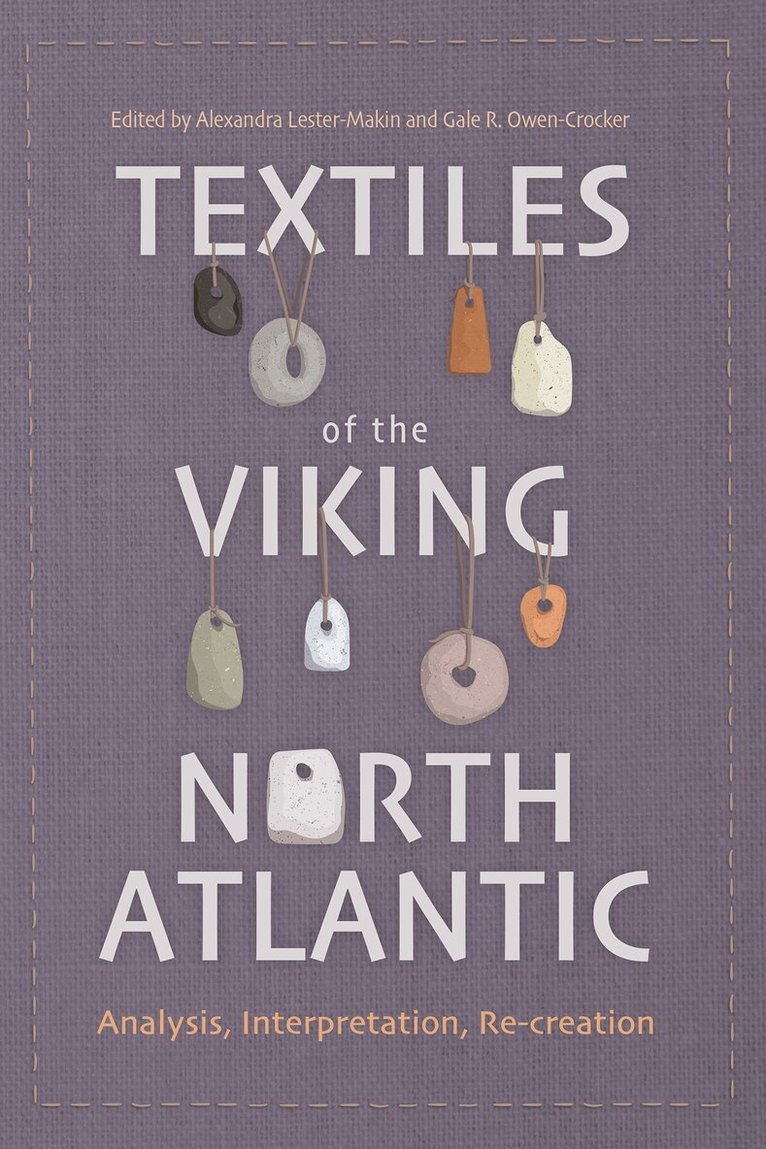
Textiles of the Viking North Atlantic
Analysis, Interpretation, Re-creation
Häftad, Engelska, 2026
369 kr
Skickas inom 7-10 vardagar
An examination of the uses, meanings, and social impact of Viking Age textiles. This volume offers the first full study of archaeological fabrics and their decoration found in the North Atlantic region and dating broadly from the Viking or Norse period. With contributions from both academic scholars and practitioners, it shows how approaching early medieval textiles from archaeological, historical and literary contexts, and through the processes of learning and employing the traditional skills of making them, brings about a more nuanced understanding of early medieval cloths: their creation, use and meanings within their respective societies. The book is divided into two parts. The first, "Textiles and their Interpretation", takes the reader on a journey from how wool was processed in the Viking Age, and the conservator's role in preserving and interpreting archaeological textiles, to different types of analyses that researchers use to understand and explain textiles from across the wide area of the Viking-influenced North Atlantic region. The second, "Understanding through Replicating", investigates the results of practical experiments in the reconstruction of surviving medieval fabrics and the resulting empirical conclusions that can be made about their manufacture and wider cultural implications.
760 kr
Tillfälligt slut
This latest title in the highly successful Ancient Textiles series is the first substantial monograph-length historiography of early medieval embroideries and their context within the British Isles. The book brings together and analyses for the first time all 43 embroideries believed to have been made in the British Isles and Ireland in the early medieval period. New research carried out on those embroideries that are accessible today, involving the collection of technical data, stitch analysis, observations of condition and wear-marks and microscopic photography supplements a survey of existing published and archival sources. The research has been used to write, for the first time, the ‘story’ of embroidery, including what we can learn of its producers, their techniques, and the material functions and metaphorical meanings of embroidery within early medieval Anglo-Saxon society. The author presents embroideries as evidence for the evolution of embroidery production in Anglo-Saxon society, from a community-based activity based on the extended family, to organised workshops in urban settings employing standardised skill levels and as evidence of changing material use: from small amounts of fibres produced locally for specific projects to large batches brought in from a distance and stored until needed. She demonstrate that embroideries were not simply used decoratively but to incorporate and enact different meanings within different parts of society: for example, the newly arrived Germanic settlers of the fifth century used embroidery to maintain links with their homelands and to create tribal ties and obligations. As such, the results inform discussion of embroidery contexts, use and deposition, and the significance of this form of material culture within society as well as an evaluation of the status of embroiderers within early medieval society. The results contribute significantly to our understanding of production systems in Anglo-Saxon England and Ireland.
Del 7 - Medieval and Renaissance Clothing and Textiles
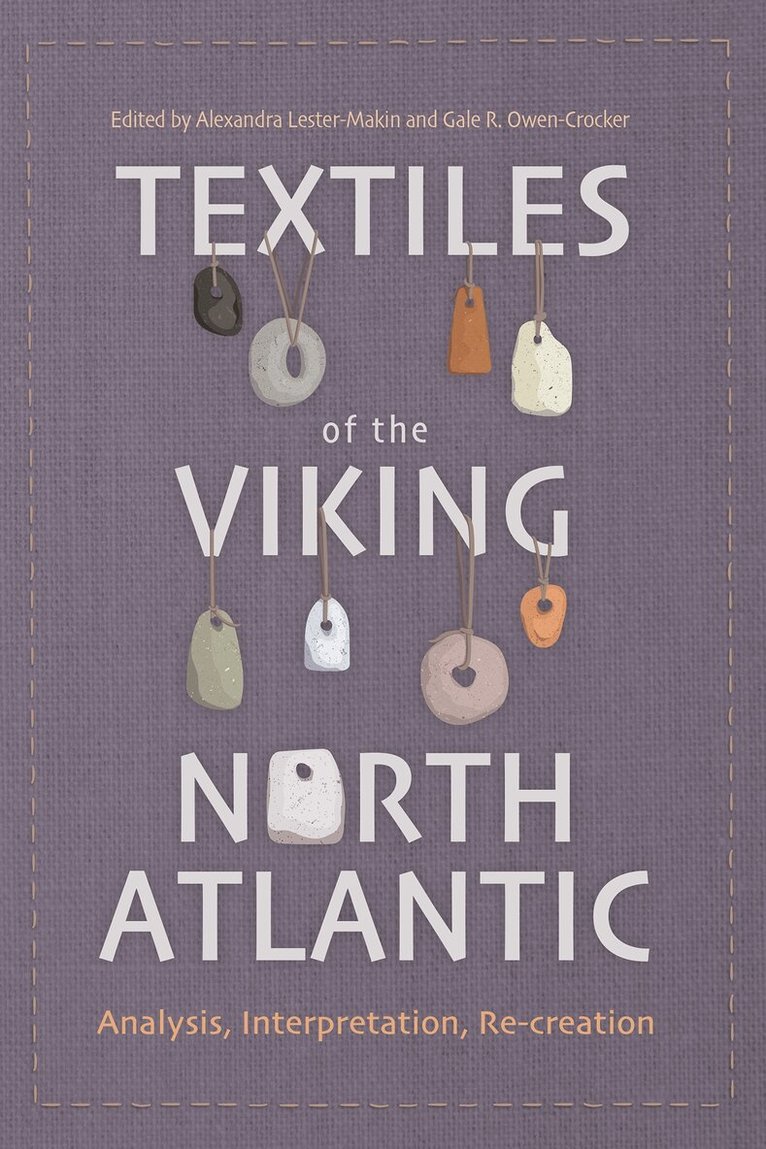
Textiles of the Viking North Atlantic
Analysis, Interpretation, Re-creation
Inbunden, Engelska, 2024
1 067 kr
Skickas inom 7-10 vardagar
An examination of the uses, meanings, and social impact of Viking Age textiles. This volume offers the first full study of archaeological fabrics and their decoration found in the North Atlantic region and dating broadly from the Viking or Norse period. With contributions from both academic scholars and practitioners, it shows how approaching early medieval textiles from archaeological, historical and literary contexts, and through the processes of learning and employing the traditional skills of making them, brings about a more nuanced understanding of early medieval cloths: their creation, use and meanings within their respective societies. The book is divided into two parts. The first, "Textiles and their Interpretation", takes the reader on a journey from how wool was processed in the Viking Age, and the conservator's role in preserving and interpreting archaeological textiles, to different types of analyses that researchers use to understand and explain textiles from across the wide area of the Viking-influenced North Atlantic region. The second, "Understanding through Replicating", investigates the results of practical experiments in the reconstruction of surviving medieval fabrics and the resulting empirical conclusions that can be made about their manufacture and wider cultural implications.