Alfred L. Martin - Böcker
Visar alla böcker från författaren Alfred L. Martin. Handla med fri frakt och snabb leverans.
6 produkter
6 produkter
849 kr
Skickas inom 7-10 vardagar
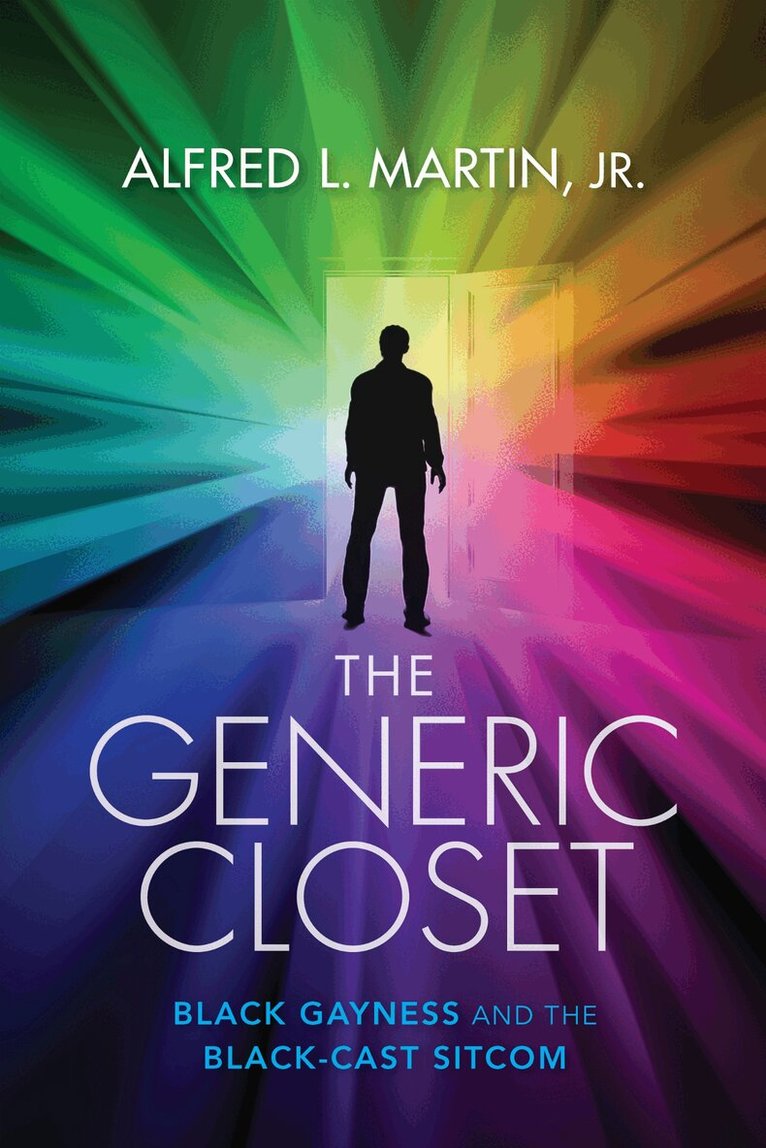
Even after a rise in gay and Black representation and production on TV in the 1990s, the sitcom became a "generic closet," restricting Black gay characters with narrative tropes.Drawing from 20 interviews with credited episode writers, key show-runners, and Black gay men, The Generic Closet situates Black-cast sitcoms as a unique genre that uses Black gay characters in service of the series' heterosexual main cast. Alfred L. Martin, Jr., argues that the Black community is considered to be antigay due to misrepresentation by shows that aired during the family viewing hour and that were written for the imagined, "traditional" Black family. Martin considers audience reception, industrial production practices, and authorship to unpack the claim that Black gay characters are written into Black-cast sitcoms such as Moesha, Good News, and Let's Stay Together in order to closet Black gayness.By exploring how systems of power produce ideologies about Black gayness, The Generic Closet deconstructs the concept of a monolithic Black audience and investigates whether this generic closet still exists.
257 kr
Skickas inom 7-10 vardagar
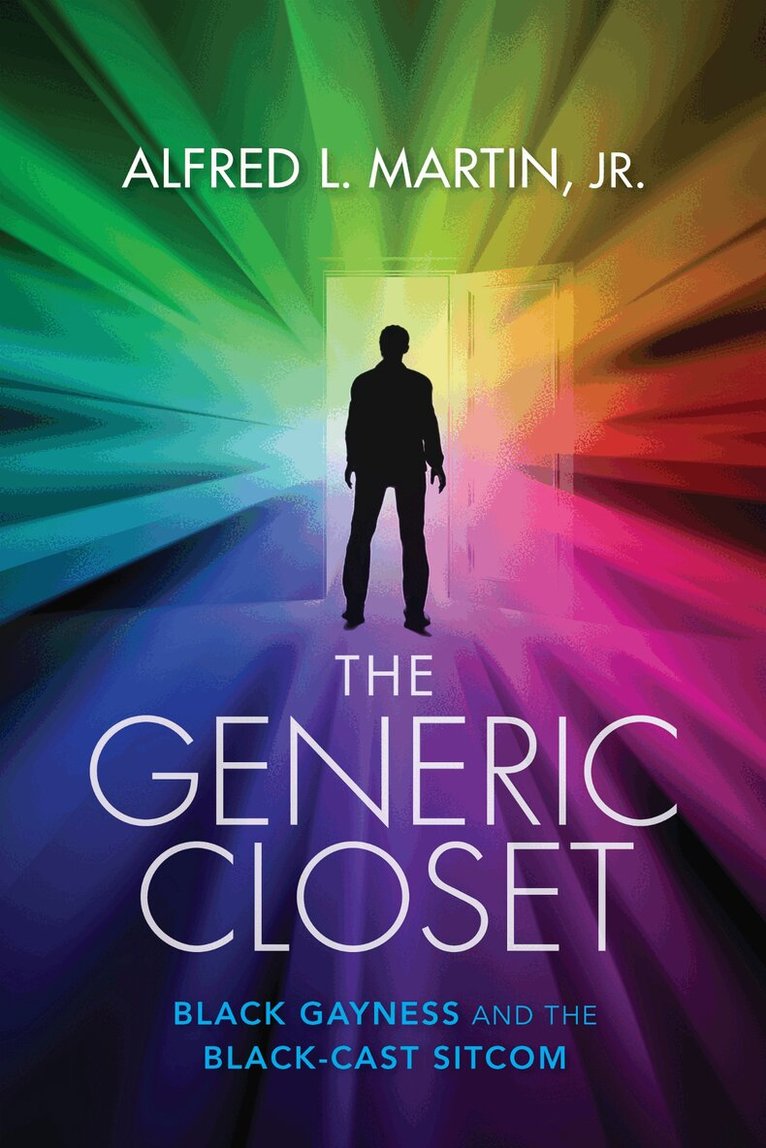
Even after a rise in gay and Black representation and production on TV in the 1990s, the sitcom became a "generic closet," restricting Black gay characters with narrative tropes.Drawing from 20 interviews with credited episode writers, key show-runners, and Black gay men, The Generic Closet situates Black-cast sitcoms as a unique genre that uses Black gay characters in service of the series' heterosexual main cast. Alfred L. Martin, Jr., argues that the Black community is considered to be antigay due to misrepresentation by shows that aired during the family viewing hour and that were written for the imagined, "traditional" Black family. Martin considers audience reception, industrial production practices, and authorship to unpack the claim that Black gay characters are written into Black-cast sitcoms such as Moesha, Good News, and Let's Stay Together in order to closet Black gayness.By exploring how systems of power produce ideologies about Black gayness, The Generic Closet deconstructs the concept of a monolithic Black audience and investigates whether this generic closet still exists.
691 kr
Skickas inom 7-10 vardagar
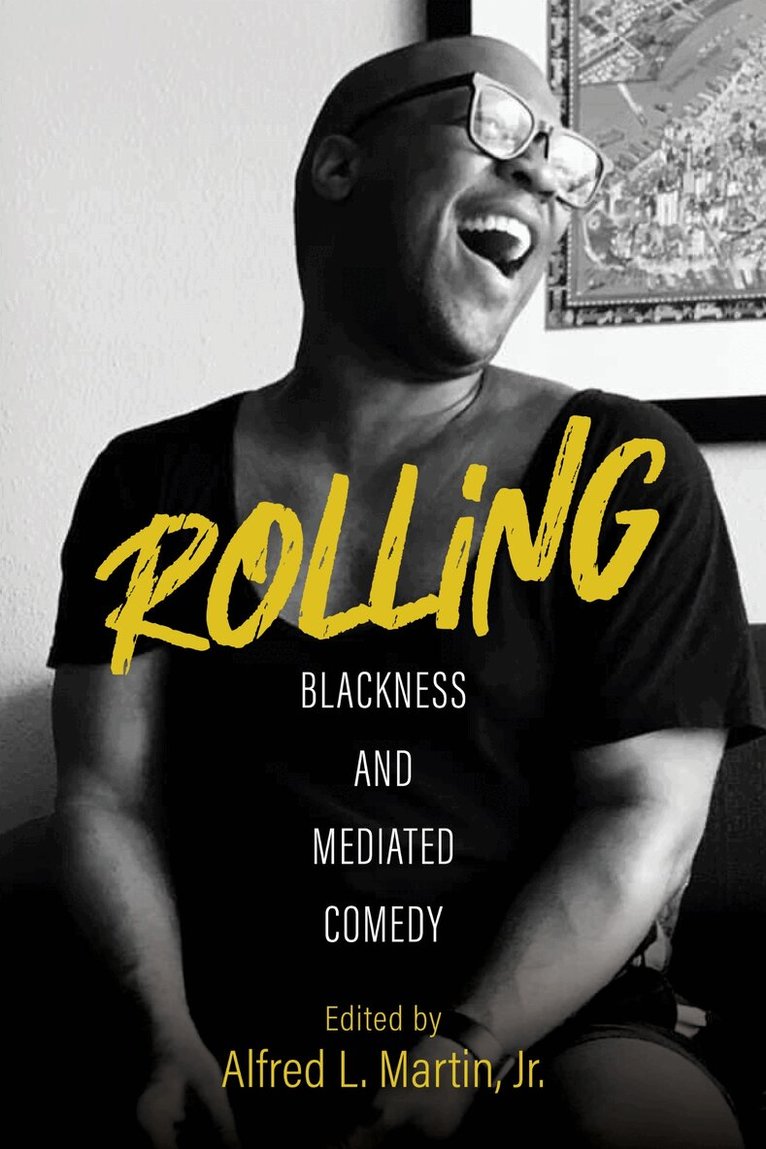
Since slavery, African and African American humor has baffled, intrigued, angered, and entertained the masses.Rolling centers Blackness in comedy, especially on television, and observing that it is often relegated to biopics, slave narratives, and the comedic. But like W. E. B. DuBois's ideas about double consciousness and Racquel Gates's extension of his theories, we know that Blackness resonates for Black viewers in ways often entirely different than for white viewers. Contributors to this volume cover a range of cases representing African American humor across film, television, digital media, and stand-up as Black comic personas try to work within, outside, and around culture, tilling for content. Essays engage with the complex industrial interplay of Blackness, white audiences, and comedy; satire and humor on media platforms; and the production of Blackness within comedy through personal stories and interviews of Black production crew and writers for television comedy.Rolling illuminates the inner workings of Blackness and comedy in media discourse.
309 kr
Skickas inom 7-10 vardagar
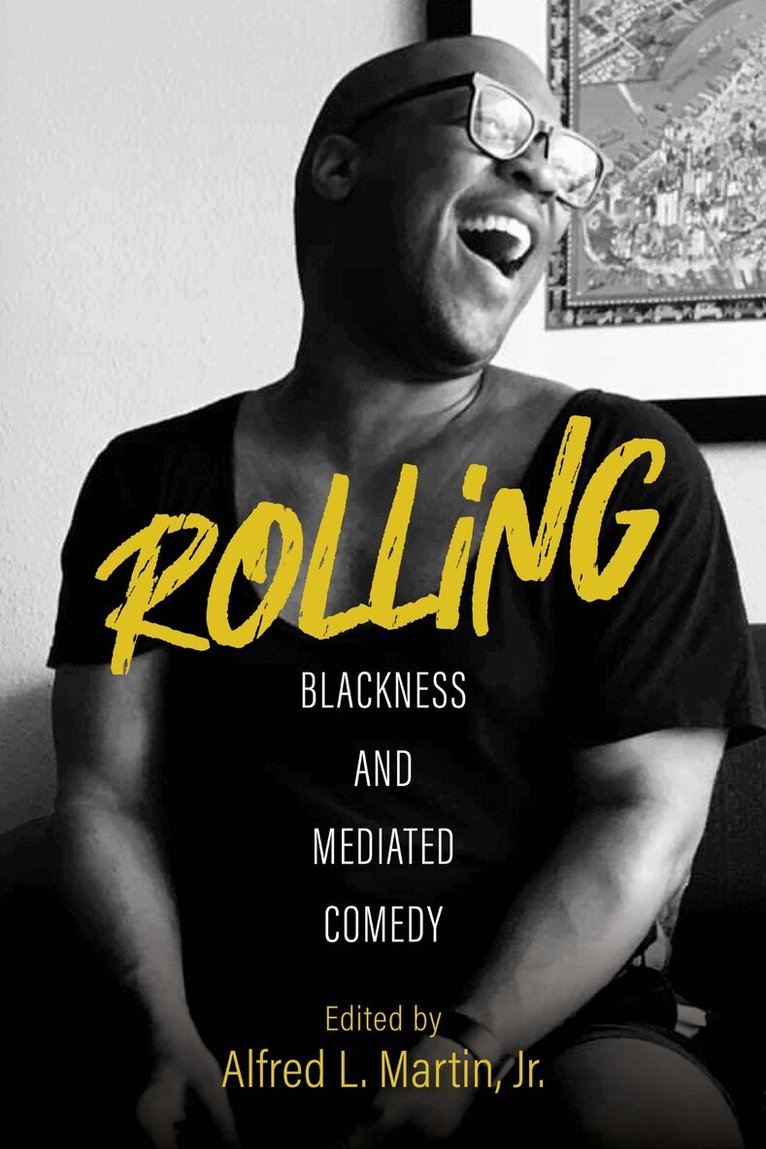
Since slavery, African and African American humor has baffled, intrigued, angered, and entertained the masses.Rolling centers Blackness in comedy, especially on television, and observing that it is often relegated to biopics, slave narratives, and the comedic. But like W. E. B. DuBois's ideas about double consciousness and Racquel Gates's extension of his theories, we know that Blackness resonates for Black viewers in ways often entirely different than for white viewers. Contributors to this volume cover a range of cases representing African American humor across film, television, digital media, and stand-up as Black comic personas try to work within, outside, and around culture, tilling for content. Essays engage with the complex industrial interplay of Blackness, white audiences, and comedy; satire and humor on media platforms; and the production of Blackness within comedy through personal stories and interviews of Black production crew and writers for television comedy.Rolling illuminates the inner workings of Blackness and comedy in media discourse.
319 kr
Skickas inom 7-10 vardagar
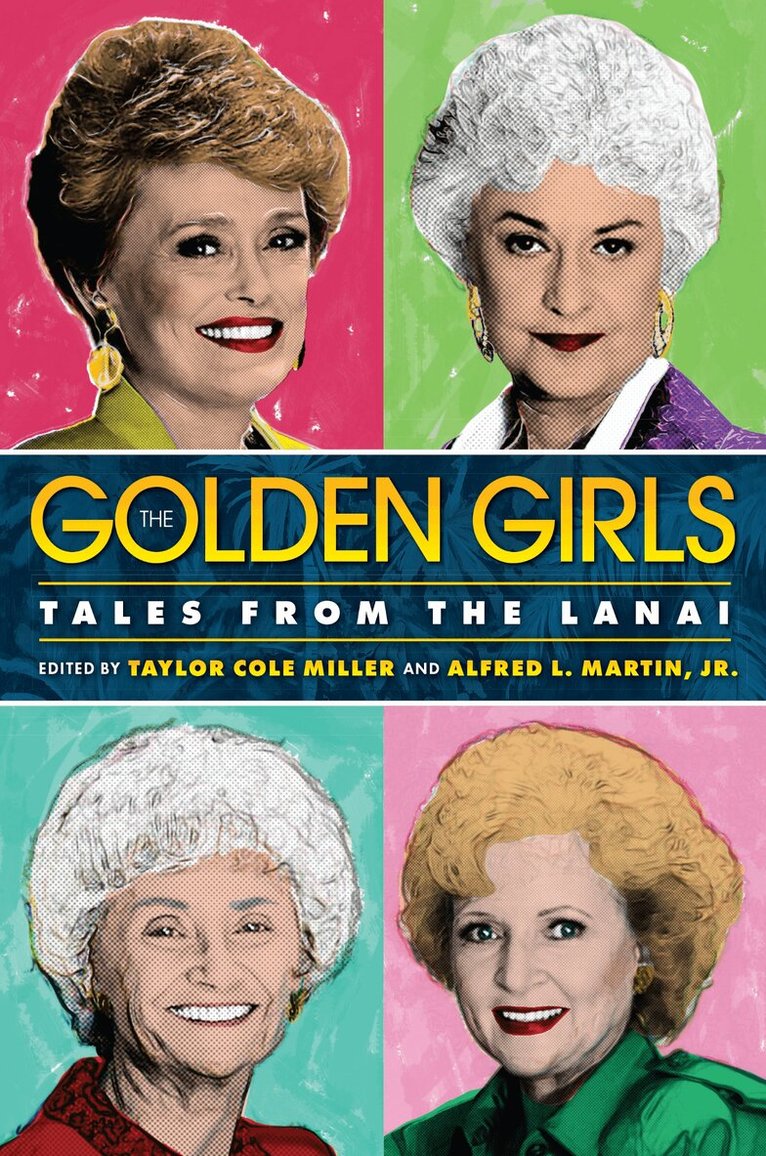
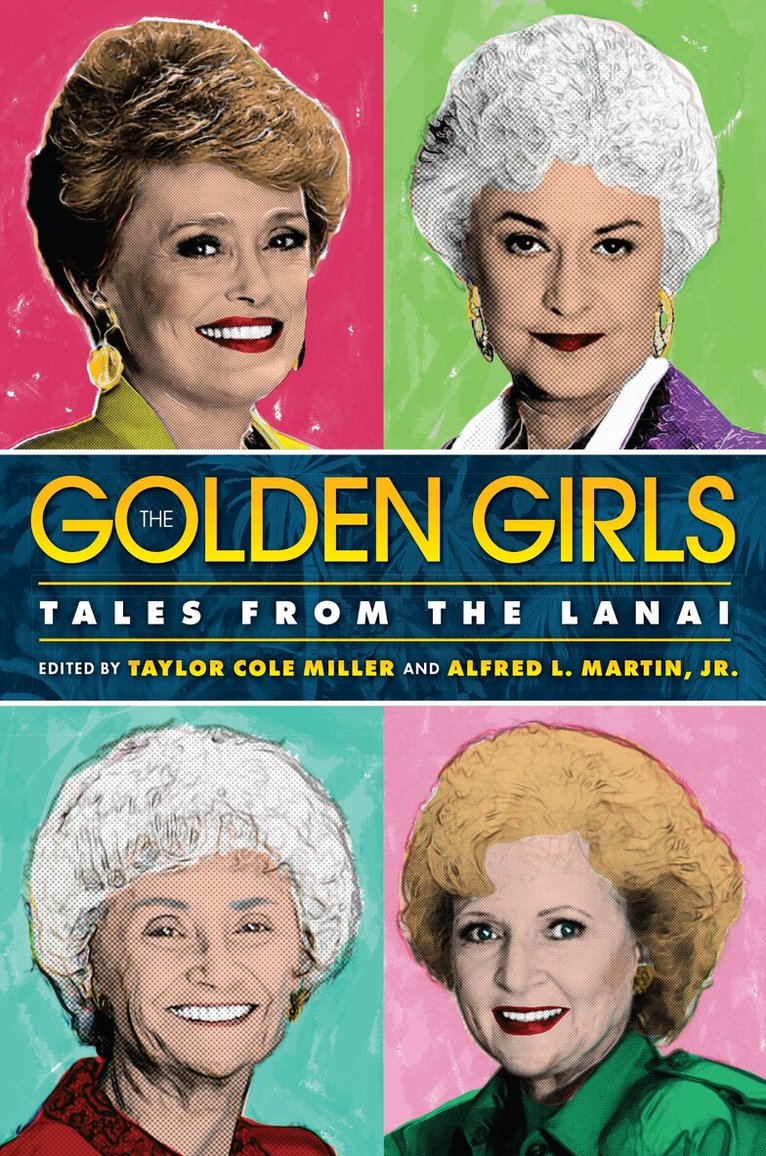
The Golden Girls: Tales from the Lanai is an accessible collection that explores the cultural, industrial, and historical impact of that beloved American sitcom. Edited by Taylor Cole Miller and Alfred L. Martin, Jr., this anthology brings together a diverse range of voices that model different media studies approaches to researching and critically analyzing television texts. The Golden Girls reclaims the production history and development of the show, opens new conversations about audiences–especially Black, queer, and female audiences–and provides new insight into the meteoric rise in popularity of The Golden Girls as a 2020s cultural phenomenon. With twelve original chapters and extensive original interviews offering readers rare insights behind the scenes, the book is a long day’s journey into the marinara of The Golden Girls–an immersive, engaging opportunity for readers to learn more about the show. It truly is the golden age of The Golden Girls.
766 kr
Skickas inom 7-10 vardagar
The Golden Girls: Tales from the Lanai is an accessible collection that explores the cultural, industrial, and historical impact of that beloved American sitcom. Edited by Taylor Cole Miller and Alfred L. Martin, Jr., this anthology brings together a diverse range of voices that model different media studies approaches to researching and critically analyzing television texts. The Golden Girls reclaims the production history and development of the show, opens new conversations about audiences–especially Black, queer, and female audiences–and provides new insight into the meteoric rise in popularity of The Golden Girls as a 2020s cultural phenomenon. With twelve original chapters and extensive original interviews offering readers rare insights behind the scenes, the book is a long day’s journey into the marinara of The Golden Girls–an immersive, engaging opportunity for readers to learn more about the show. It truly is the golden age of The Golden Girls.