Alfredo Mirande - Böcker
Visar alla böcker från författaren Alfredo Mirande. Handla med fri frakt och snabb leverans.
15 produkter
15 produkter
298 kr
Skickas inom 7-10 vardagar
La Chicana is the story of a marginal group in society, neither fully Mexican or fully American, who suffer under triple oppression: as women, as members of a colonized culture, and as victims of a cultural heritage dominated by the cult of machismo. Tracing the role of Chicanas from pre-Columbian society to the present, the authors reveal the antecedents and roots of contemporary cultural expectations in Aztec, colonial, and revolutionary Mexican historical periods. A discussion of the contribution of modern Chicanas to their community and to feminism and a look at literary stereotypes and the emergence of Chicana literature to counter them round out this perceptive and sympathetic analysis.
296 kr
Skickas inom 7-10 vardagar
Mirandé offers a detailed examination of Chicano social history and culture that includes studies of: Chicano labor and the economy; the Mexican immigrant and the U.S.-Mexico border conflict; the evolution of Chicano criminality; the American educational system and its impact on Chicano culture; the tensions between the institutional Church and Chicanos; and the myths and misconceptions of "machismo."
1 074 kr
Skickas inom 10-15 vardagar
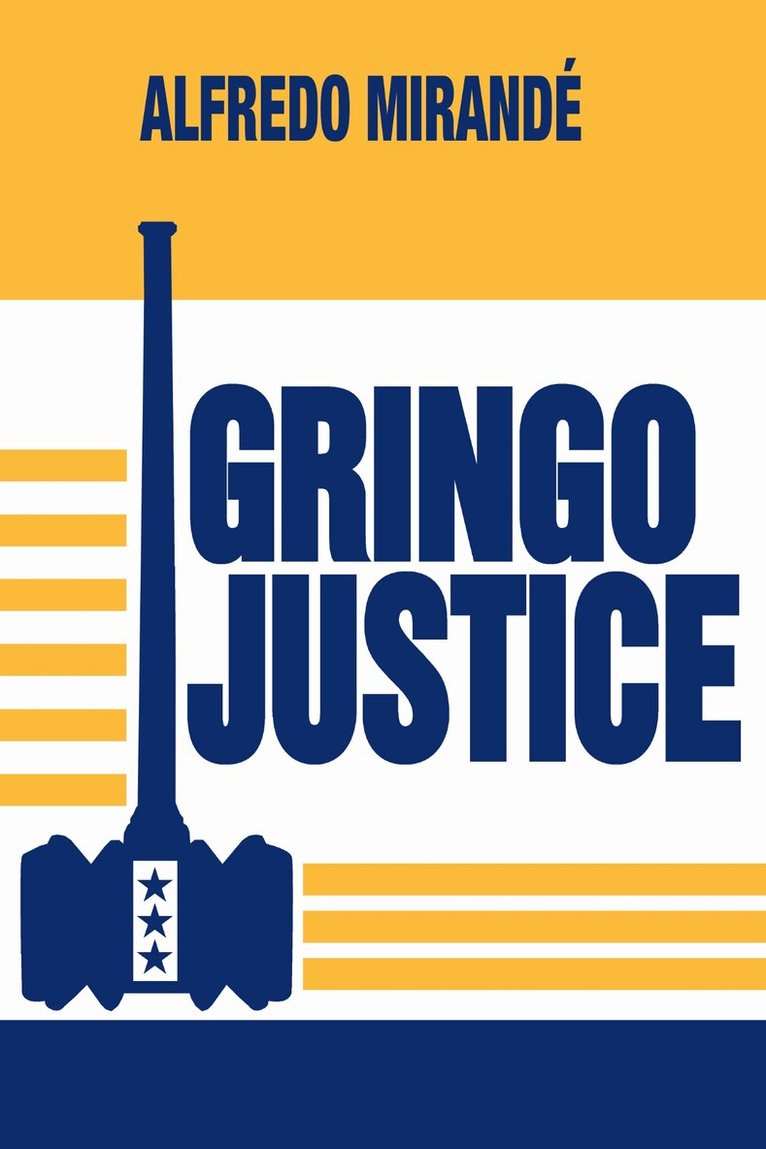
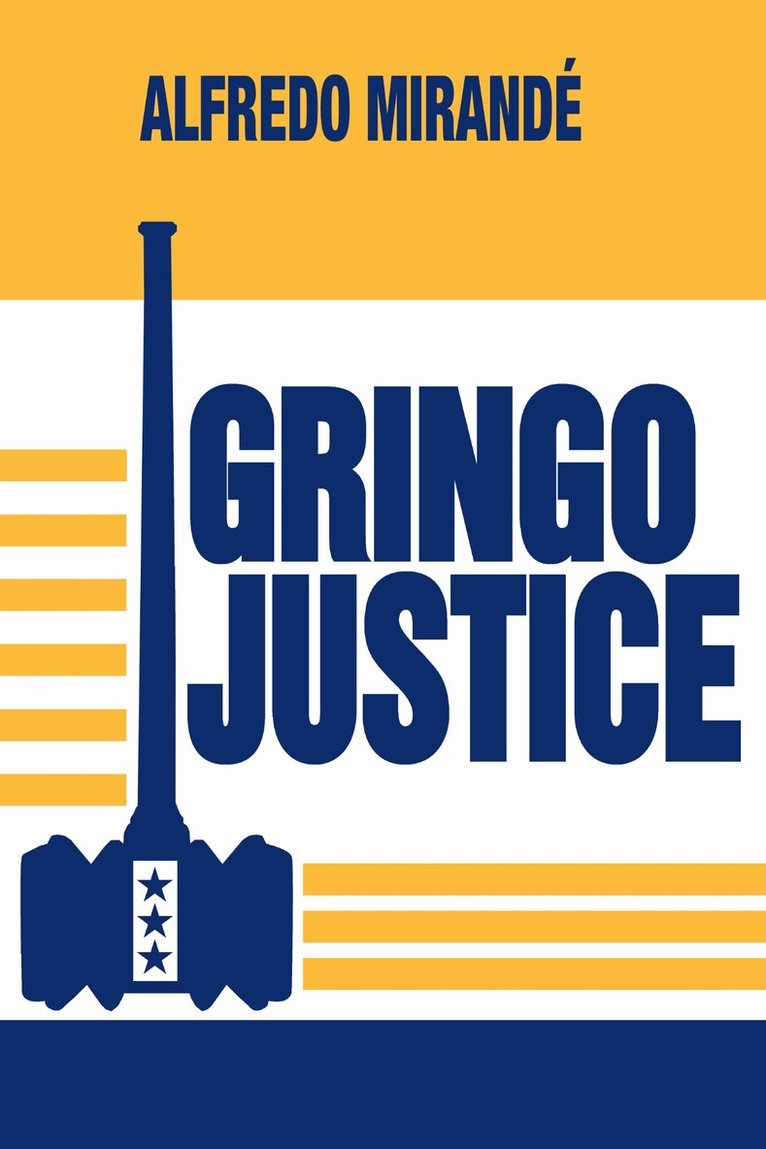
Gringo Justice is a comprehensive analysis and interpretation of the experiences of the Chicano people with the legal and judicial system in the United States. Beginning in 1848 and working to the present, a theory of Gringo justice is developed and applied to specific areas—displacement from the land, vigilantes and social bandits, the border, the police, gangs, and prisons. A basic issue addressed is how the image of Chicanos as bandits or criminals has persisted in various forms.
300 kr
Skickas inom 10-15 vardagar
Gringo Justice is a comprehensive analysis and interpretation of the experiences of the Chicano people with the legal and judicial system in the United States. Beginning in 1848 and working to the present, a theory of Gringo justice is developed and applied to specific areas—displacement from the land, vigilantes and social bandits, the border, the police, gangs, and prisons. A basic issue addressed is how the image of Chicanos as bandits or criminals has persisted in various forms.
333 kr
Skickas inom 10-15 vardagar
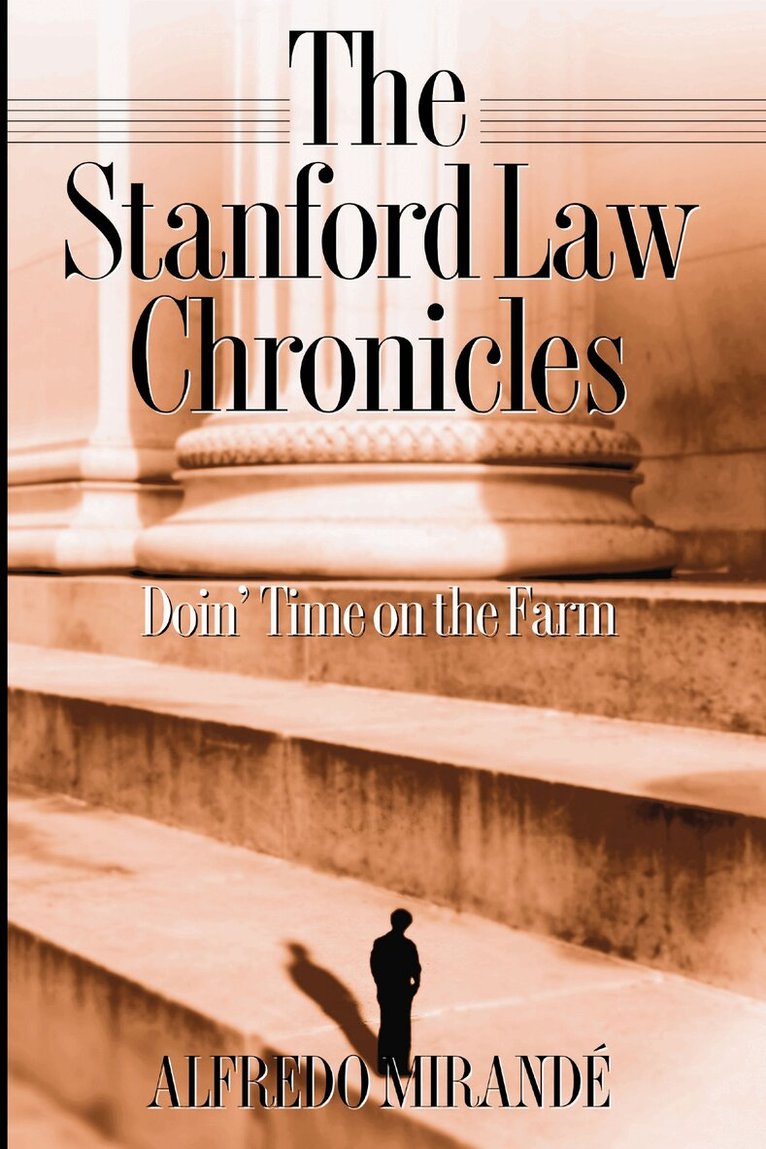
In the midst of a long and distinguished academic career, Alfredo Mirandé left his position as professor of sociology and chair of ethnic studies at the University of California, Riverside, to attend law school at Stanford University. This book is an extraordinary chronicle of the events in his life that led him to make this dramatic change and of the many obstacles he encountered at law school. The Stanford Law Chronicles is a comprehensive, first-person account of the law school experience, written by a person of color. Mirandé delivers a powerful and moving critique of the rigid hierarchies he encountered and of systematic attempts to strip him of his identity and culture. He also reflects on the implications of an increasing number of women and minority law school students for law and legal education.Although Stanford is considered to be one of the most progressive law schools in the country, Mirandé's experience there was one of alienation and frustration, as he encountered elitism and rigid hierarchies. Covering all three years at Stanford, he describes his experiences and the problems he encountered in the classroom. He also discusses Law Review, which he found to be pretentious, the Immigration Clinic where he successfully represented his first client, and the alternative Lawyering for Social Change curriculum that became a haven in an otherwise hostile environment. Interspersed with his account of law school are autobiographical snapshots and experiences, including that of the death of his brother, Héctor, which was the catalyst for his decision to pursue his childhood dream of attending law school and becoming a lawyer.This controversial book is certain to spark lively debate.
296 kr
Skickas inom 10-15 vardagar
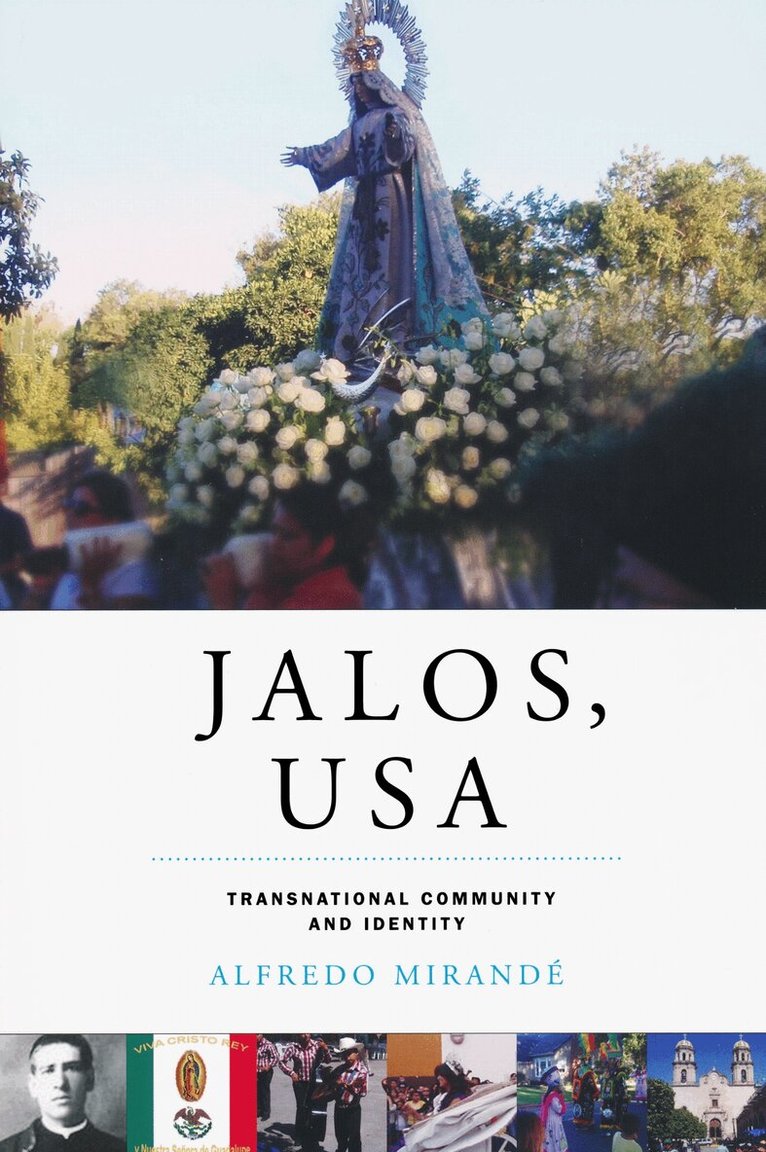
In Jalos, USA, Alfredo Mirandé explores migration between the Mexican town of Jalostotitlán, Jalisco, and Turlock, California, and shows how migrants retain a primal identity with their community of origin. The study examines how family, gender, courtship, religion, and culture promote a Mexicanized version of the "American Dream" for la gente de Jalos.After introducing traditional theories of migration and describing a distinctly circular migration pattern between Jalos and Turlock, Mirandé introduces a model of transnationalism. Residents move freely back and forth across the border, often at great risk, adopting a transnational village identity that transcends both the border and conventional national or state identities. Mirandé's findings are based on participant observation, ethnographic field research, and captivating in-depth personal interviews conducted on both sides of the border with a wide range of respondents. To include multiple perspectives, Mirandé conducts focus group interviews with youth in Jalos and Turlock, as well as interviews with priests and social service providers. Together, these data provide both a rich account of experiences as well as assessments of courtship practices and problems faced by contemporary migrants. Jalos, USA is written in an accessible style that will appeal to students and scholars of Latino and migration studies, policy makers, and laypersons interested in immigration, the border, and transnational migration.
1 381 kr
Skickas inom 10-15 vardagar
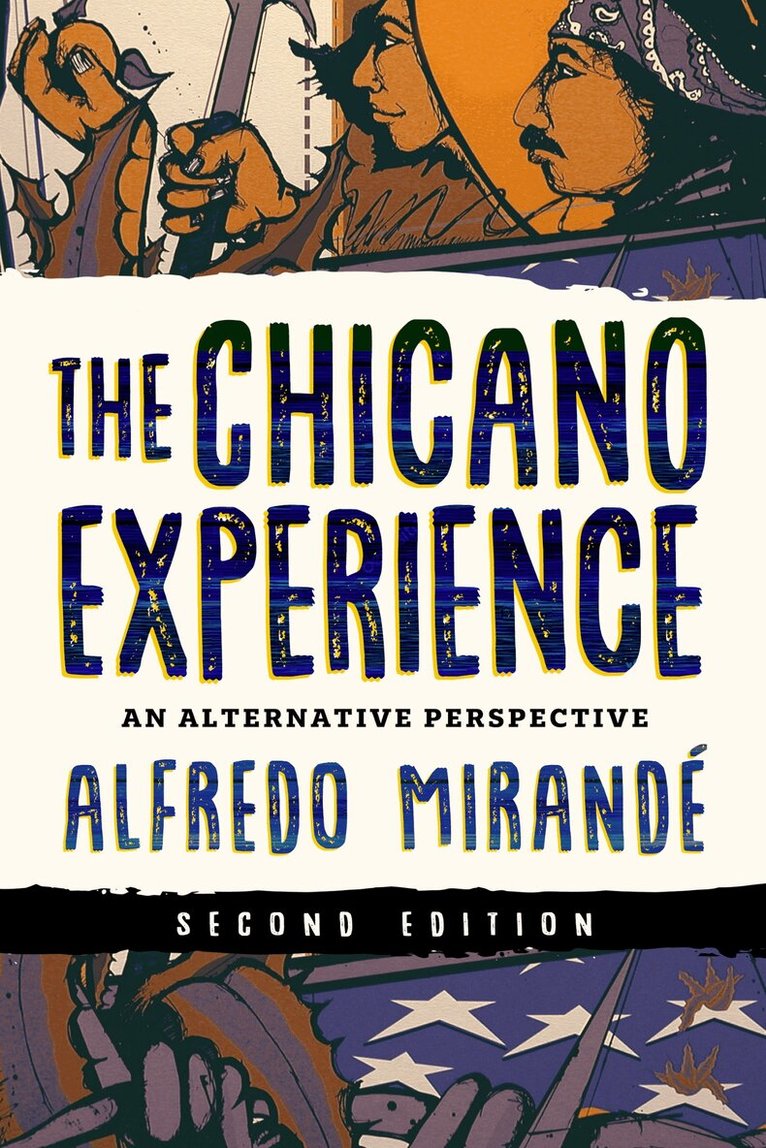
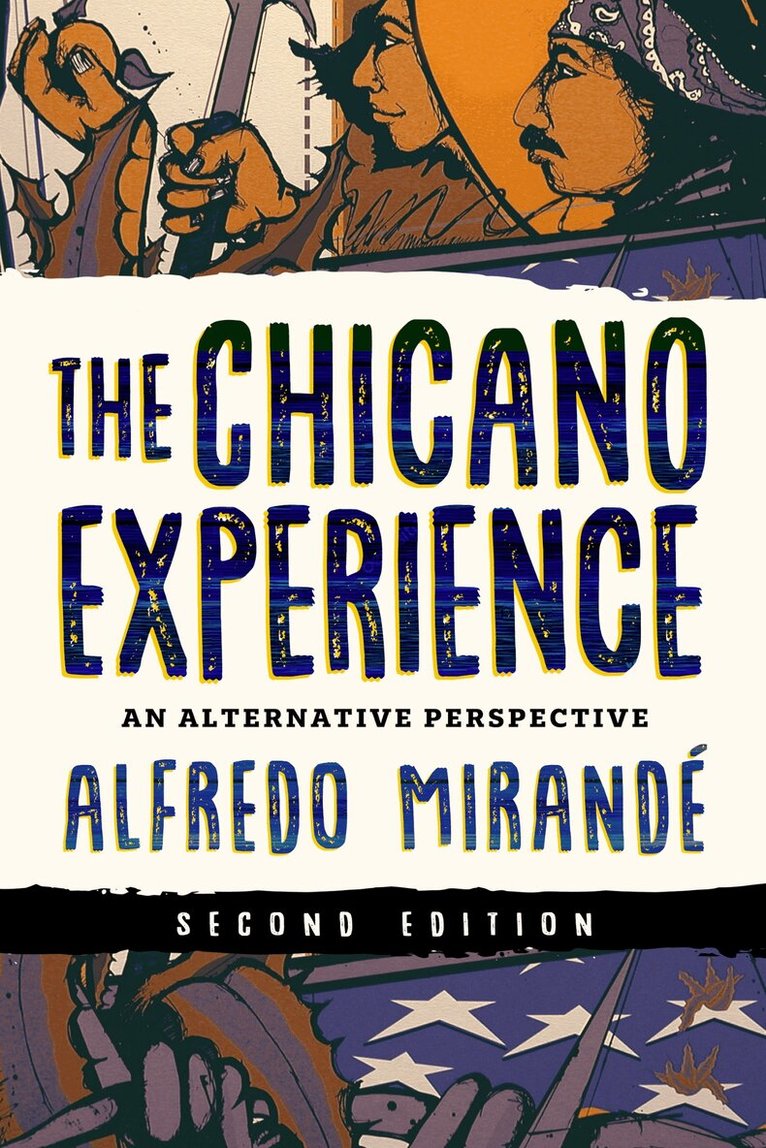
This revised, second edition of The Chicano Experience offers a new interpretation of the social, cultural, and economic forces that shape the situation of Chicanos today.For more than thirty years, and now in its ninth printing, Alfredo Mirandé's The Chicano Experience has captivated readers with its groundbreaking analysis of Chicanos in the United States. Although its original context differs markedly from the current demographic landscape, it remains no less relevant today—Latinos have emerged as the largest minority population in the United States. With updated chapters revised in light of contemporary scholarship, this second edition speaks to the Chicano of today, in addition to puertoriqueños, Central Americans, and other groups who share common experiences of colonization, racialization, and, especially in the last decade, demonization.In this foundational text, Mirandé develops a comprehensive framework for Chicano sociology that, in attending closely to Chicano experience, aims to correct the biases and misconceptions that have prevailed in the field. He demonstrates how the conventional immigrant group model of society, with its focus on assimilation into mainstream American culture, does not apply to Chicanos. Supporting this constructive proposal are analyses of Chicano social history and culture, with chapters focusing on the economy, the border, law, education, family, gender and machismo, and religion. The book concludes with a case study of community attitudes toward the police in an urban barrio. In many ways, the first edition of The Chicano Experience anticipated the sensitivity to the experiences of the underrepresented in American culture. This second edition reaffirms the prescience of Mirandé's work and makes it available to a new generation of students and scholars of Chicano and Latino studies, ethnic and race studies, sociology, and cultural studies.
378 kr
Skickas inom 10-15 vardagar
This revised, second edition of The Chicano Experience offers a new interpretation of the social, cultural, and economic forces that shape the situation of Chicanos today.For more than thirty years, and now in its ninth printing, Alfredo Mirandé's The Chicano Experience has captivated readers with its groundbreaking analysis of Chicanos in the United States. Although its original context differs markedly from the current demographic landscape, it remains no less relevant today—Latinos have emerged as the largest minority population in the United States. With updated chapters revised in light of contemporary scholarship, this second edition speaks to the Chicano of today, in addition to puertoriqueños, Central Americans, and other groups who share common experiences of colonization, racialization, and, especially in the last decade, demonization.In this foundational text, Mirandé develops a comprehensive framework for Chicano sociology that, in attending closely to Chicano experience, aims to correct the biases and misconceptions that have prevailed in the field. He demonstrates how the conventional immigrant group model of society, with its focus on assimilation into mainstream American culture, does not apply to Chicanos. Supporting this constructive proposal are analyses of Chicano social history and culture, with chapters focusing on the economy, the border, law, education, family, gender and machismo, and religion. The book concludes with a case study of community attitudes toward the police in an urban barrio. In many ways, the first edition of The Chicano Experience anticipated the sensitivity to the experiences of the underrepresented in American culture. This second edition reaffirms the prescience of Mirandé's work and makes it available to a new generation of students and scholars of Chicano and Latino studies, ethnic and race studies, sociology, and cultural studies.
2 168 kr
Skickas inom 10-15 vardagar
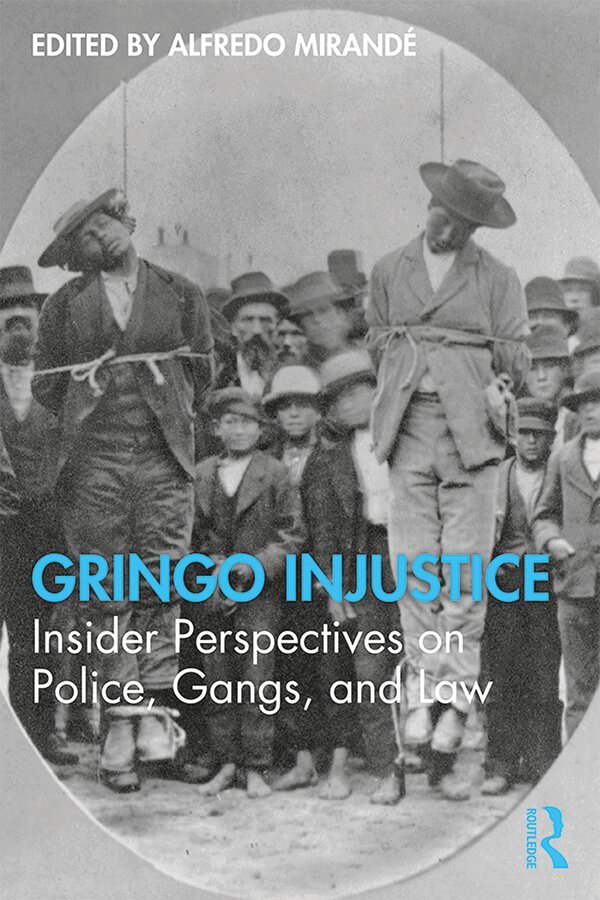
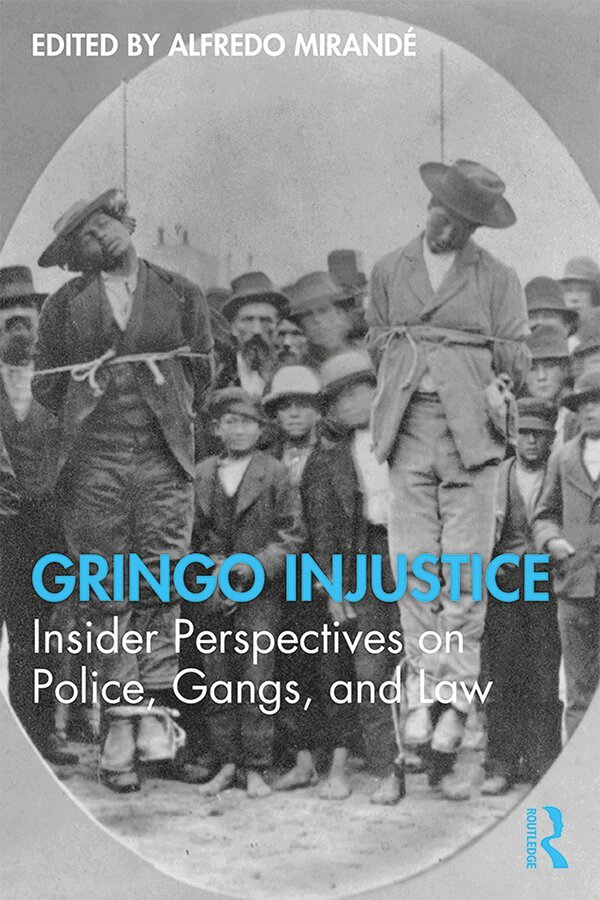
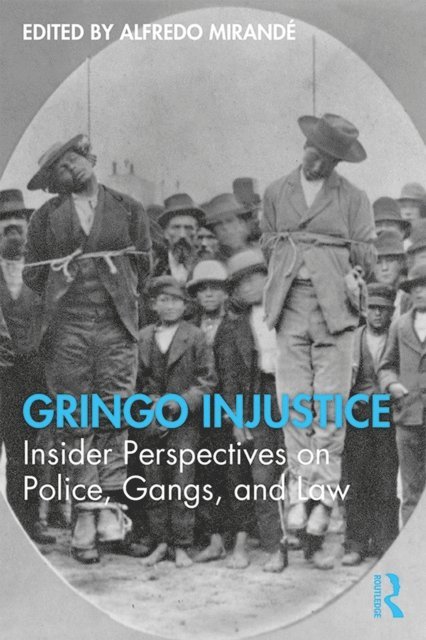
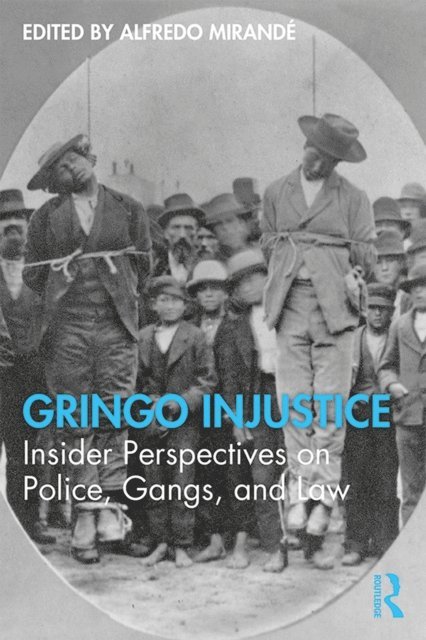
The recent mass shooting of 22 innocent people in El Paso by a lone White gunman looking to "Kill Mexicans" is not new. It is part of a long, bloody history of anti-Latina/o violence in the United States. Gringo Injustice brings this history to life, shedding critical light on the complex relationship between Latinas/os and the United States’ legal and judicial system.Contributors with first-hand knowledge and experience, including former law enforcement officers, ex-gang members, attorneys, and community activists, share insider perspectives on the issues facing Latinas/os and initiate a critical dialogue on this neglected topic. Essays examine the unauthorized use of deadly force by police and patterned incidents of lynching, hate crimes, gang violence, and racial profiling. The book also highlights the hyper-criminalization of barrio youth and considers wide-ranging implications from the disproportionate imprisonment of Latinas/os. Gringo Injustice provides a comprehensive and powerful look into the Latina/o community’s fraught history with law enforcement and the American judicial system. It is an essential reference for students and scholars interested in intersections between crime and communities of Color, and for use in Sociology, Latino Studies, Ethnic Studies, Chicano Studies, Criminology, and Criminal Justice.
530 kr
Skickas inom 10-15 vardagar
The recent mass shooting of 22 innocent people in El Paso by a lone White gunman looking to "Kill Mexicans" is not new. It is part of a long, bloody history of anti-Latina/o violence in the United States. Gringo Injustice brings this history to life, shedding critical light on the complex relationship between Latinas/os and the United States’ legal and judicial system.Contributors with first-hand knowledge and experience, including former law enforcement officers, ex-gang members, attorneys, and community activists, share insider perspectives on the issues facing Latinas/os and initiate a critical dialogue on this neglected topic. Essays examine the unauthorized use of deadly force by police and patterned incidents of lynching, hate crimes, gang violence, and racial profiling. The book also highlights the hyper-criminalization of barrio youth and considers wide-ranging implications from the disproportionate imprisonment of Latinas/os. Gringo Injustice provides a comprehensive and powerful look into the Latina/o community’s fraught history with law enforcement and the American judicial system. It is an essential reference for students and scholars interested in intersections between crime and communities of Color, and for use in Sociology, Latino Studies, Ethnic Studies, Chicano Studies, Criminology, and Criminal Justice.
2 088 kr
Skickas inom 10-15 vardagar
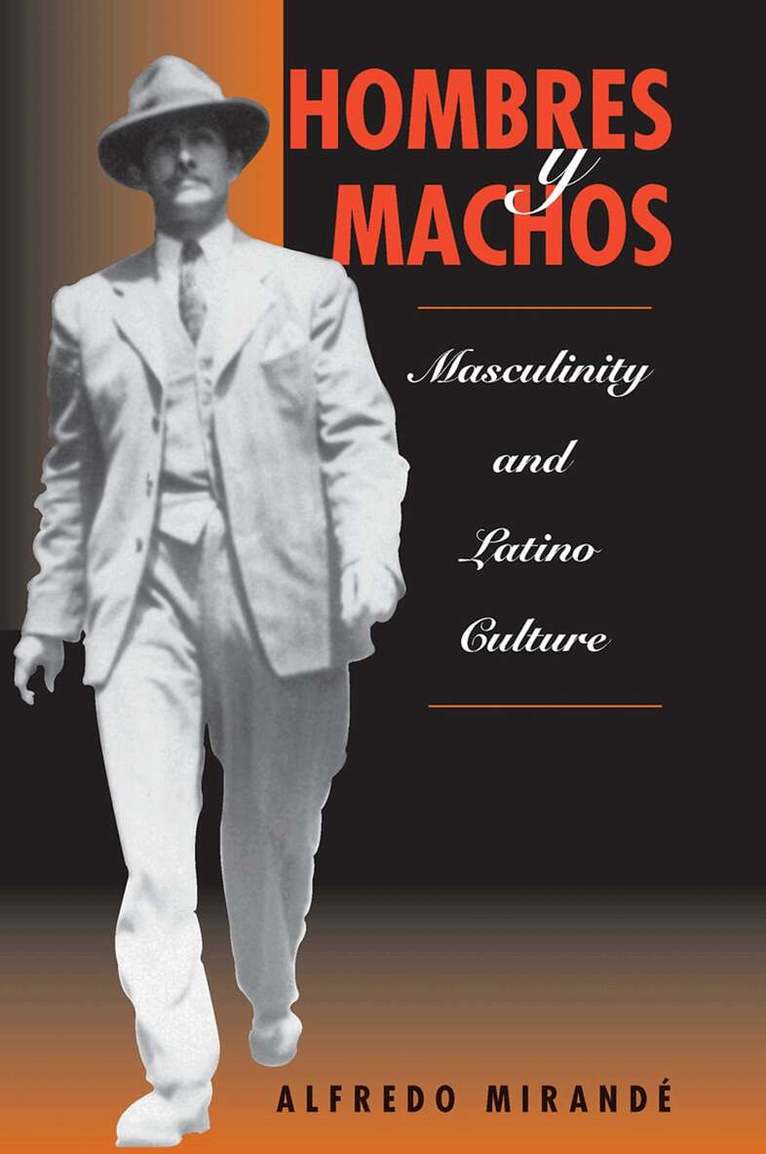
Although patriarchy, machismo, and excessive masculine displays are assumed to be prevalent among Latinos in general and Mexicans in particular, little is known about Latino men or macho masculinity. Hombres y Machos: Masculinity and Latino Culture fills an important void by providing an integrated view of Latino men, masculinity, and fatherhood?in
671 kr
Skickas inom 10-15 vardagar
Although patriarchy, machismo, and excessive masculine displays are assumed to be prevalent among Latinos in general and Mexicans in particular, little is known about Latino men or macho masculinity. Hombres y Machos: Masculinity and Latino Culture fills an important void by providing an integrated view of Latino men, masculinity, and fatherhood?in the process refuting many common myths and misconceptions.Examining how Latino men view themselves, Alfredo Mirand rgues that prevailing conceptions of men, masculinity, and gender are inadequate because they are based not on universal norms but on limited and culturally specific conceptions. Findings are presented from in-depth personal interviews with Latino men (specifically, fathers with at least one child between the ages of four and eighteen living at home) from four geographical regions and from a broad cross-section of the Latino population: working and middle class, foreign-born and native-born. Topics range from views on machos and machismo to beliefs regarding masculinity and fatherhood. In addition to reporting research findings and placing them within a historical context, Mirand raws important insights from his own life.Hombres y Machos calls for the development of Chicano/Latino men's studies and will be a significant and provocative addition to the growing literature on gender, masculinity, and race. It will appeal to the general reader and is bound to be an important supplementary text for courses in ethnic studies, women's studies, men's studies, family studies, sociology, psychology, social work, and law.
548 kr
Skickas inom 3-6 vardagar
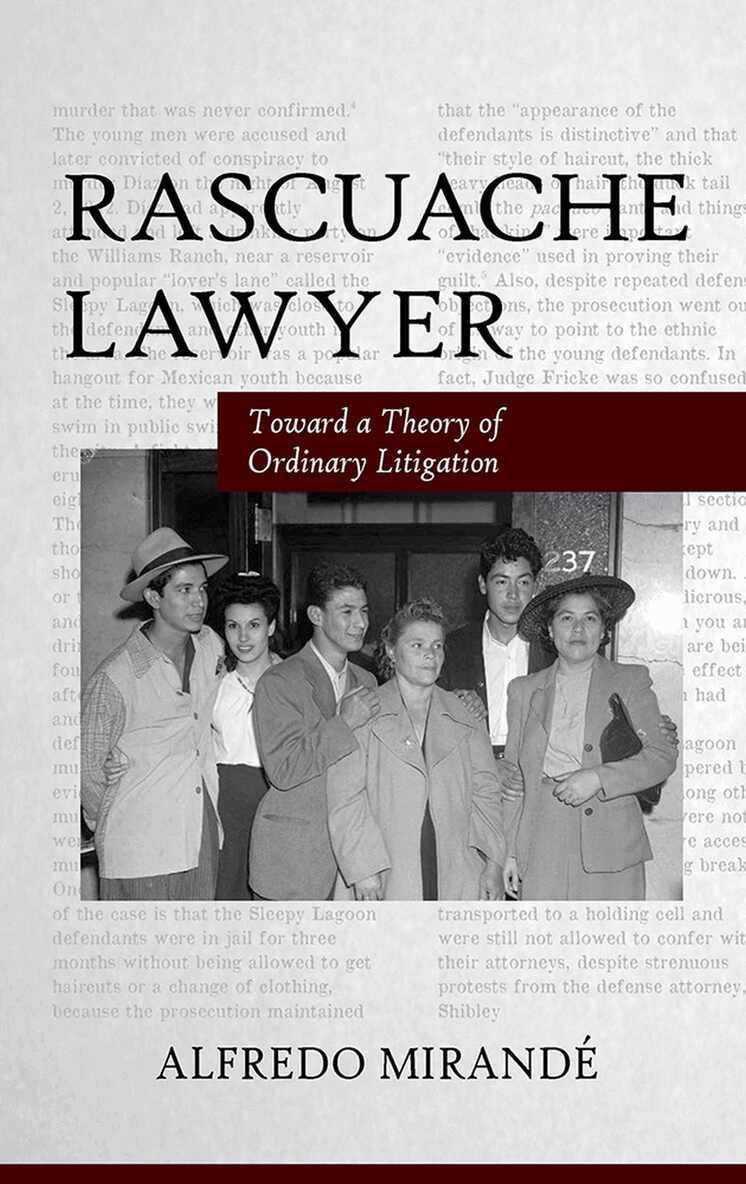
Alfredo Mirandé, a sociology professor, Stanford Law graduate, and part-time pro bono attorney, represents clients who are rascuache—a Spanish word for “poor” or even “wretched”—and on the margins of society. For Mirandé, however, rascuache means to be “down but not out,” an underdog who is still holding its ground. Rascuache Lawyer offers a unique perspective on providing legal services to poor, usually minority, folks who are often just one short step from jail. Not only a passionate argument for rascuache lawyering, it is also a thoughtful, practical attempt to apply and test critical race theory—particularly Latino critical race theory—in day-to-day legal practice. Every chapter presents an actual case from Mirandé’s experience (only the names and places have been changed). His clients have been charged with everything from carrying a concealed weapon, indecent exposure, and trespassing to attempted murder, domestic violence, and child abuse. Among them are recent Mexican immigrants, drug addicts, gang members, and the homeless. All of them are destitute, and many are victims of racial profiling. Some “pay” Mirandé with bartered services such as painting, home repairs, or mechanical work on his car. And Mirandé doesn’t always win their cases. But, as he recounts, he certainly works tirelessly to pursue all legal remedies. Each case is presented as a letter to a fascinating (fictional) “Super Chicana” named Fermina Gabriel, who we are told is an accomplished lawyer, author, and singer. This narrative device allows the author to present his cases as if he were recounting them to a friend, drawing in the reader as a friend as well. Bookending the individual cases, Mirandé’s introductions and conclusions offer a compelling vision of progressive legal practice grounded in rascuache lawyering.
322 kr
Skickas inom 7-10 vardagar
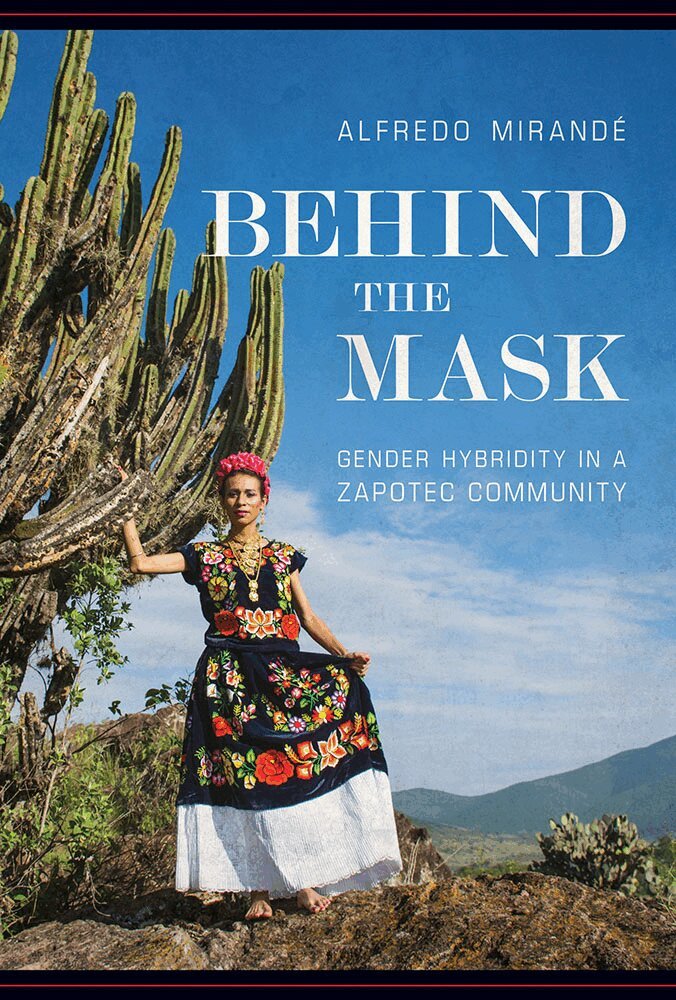
The image of biologically male people dancing while dressed in the traditional, colorful attire of Zapotec, Juchiteca, females stands in sharp contrast to the prevailing view of Mexico as the land of charros, machismo, and unbridled ranchero masculinity. These indigenous people are called los muxes, and they are neither man nor woman, but rather a hybrid third gender.After seeing a video of a muxe vela, or festival, sociologist Alfredo Mirandé was intrigued by the contradiction between Mexico's patriarchal reputation and its warm acceptance of los muxes. Seeking to get past traditional Mexican masculinity, he presents us with Behind the Mask, which combines historical analysis, ethnographic field research, and interviews conducted with los muxes of Juchitán over a period of seven years. Mirandé observed community events, attended muxe velas, and interviewed both muxes and other Juchitán residents. Prefaced by an overview of the study methods and sample, the book challenges the ideology of a male-dominated Mexican society driven by the cult of machismo, featuring photos alongside four appendixes.Delving into many aspects of their lives and culture, the author discusses how the muxes are perceived by others, how the muxes perceive themselves, and the acceptance of a third gender status among various North American indigenous groups. Mirandé compares traditional Mexicano/Latino conceptions of gender and sexuality to modern or Western object choice configurations. He concludes by proposing a new hybrid model for rethinking these seemingly contradictory and conflicting gender systems.
362 kr
Skickas inom 7-10 vardagar
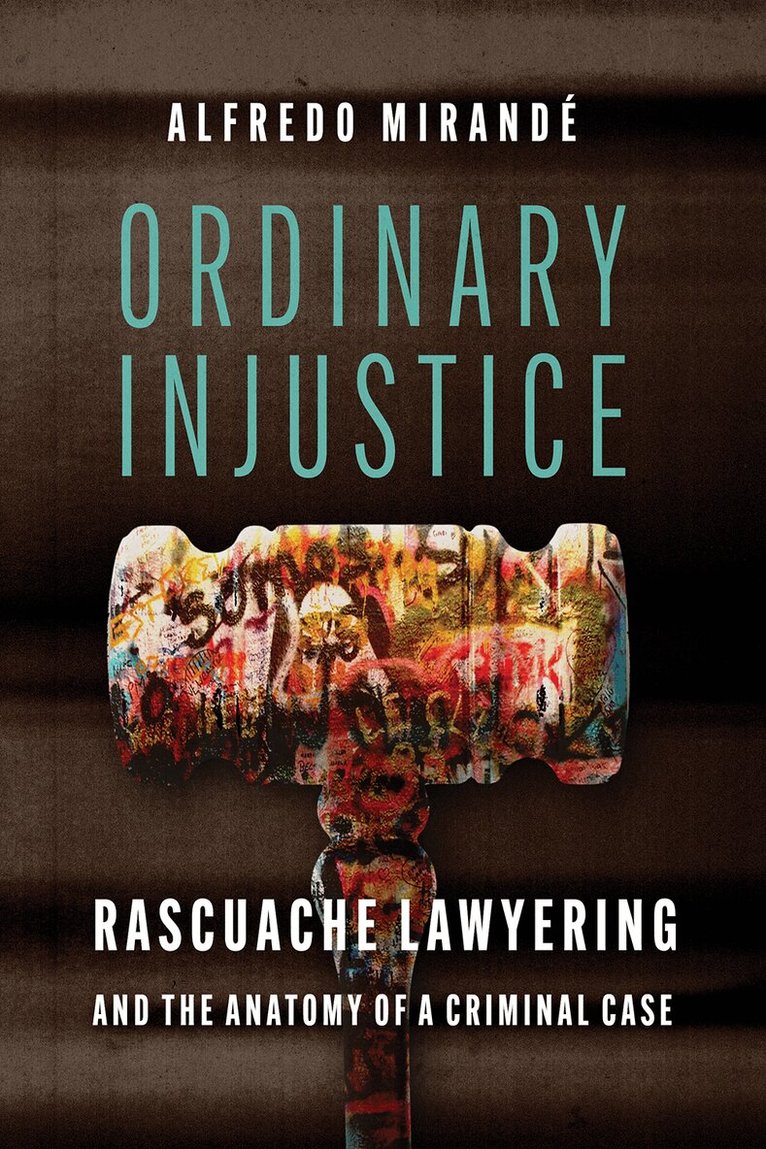
Ordinary Injustice is the unique and riveting story of a young Latino student, Juan Rulfo, with no previous criminal record involved in a domestic violence dispute that quickly morphs into a complex case with ten felonies, multiple enhancements, a “No Bail” order, and a potential life sentence without the possibility of parole.Building from author Alfredo MirandÉ’s earlier work Rascuache Lawyer, the account is told by “The Professor,” who led a pro bono rascuache legal defense team comprising the professor, a retired prosecutor, and student interns, working without a budget, office, paralegals, investigators, or support staff. The book is a must-read for anyone interested in race, gender, and criminal injustice and will appeal not only to law scholars and social scientists but to lay readers interested in ethnographic field research, Latinx communities, and racial disparities in the legal system.The case is presented as a series of letters to the author’s fictional alter-ego, Fermina Gabriel, an accomplished lawyer and singer. This narrative device allows the author to present the case as it happens, relaying the challenges and complexities as they occur and drawing the reader in.While Ordinary Injustice deals with important, complicated legal issues and questions that arise in criminal defense work and looks at the case from the time of Juan’s arrest to the preliminary hearing, indictment, pretrial motions, and attempts to obtain a negotiated plea, it is written in nontechnical and engaging language that makes law accessible to the lay reader.