Ali Anooshahr – författare
Visar alla böcker från författaren Ali Anooshahr. Handla med fri frakt och snabb leverans.
11 produkter
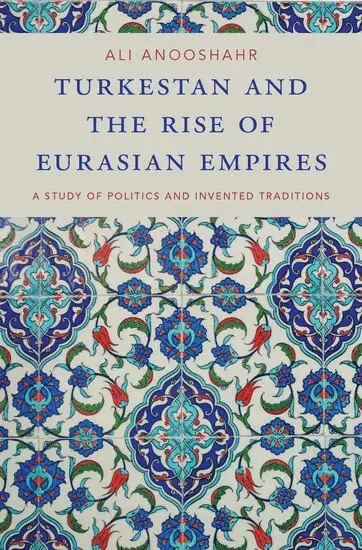
Turkestan and the Rise of Eurasian Empires
A Study of Politics and Invented Traditions
Inbunden, 2018
1884 kr
Lägg i varukorg
It has long been known that the origins of the early modern dynasties of the Ottomans, Safavids, Mughals, Mongols, and Shibanids in the sixteenth century go back to "Turco-Mongol" or "Turcophone" war bands. However, too often has this connection been taken at face value, usually along the lines of …
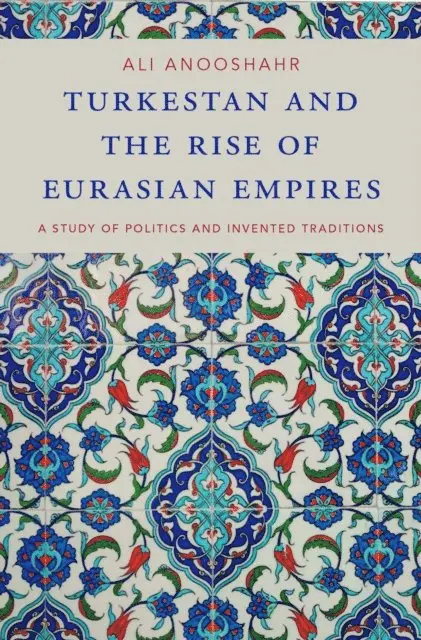
Turkestan and the Rise of Eurasian Empires
A Study of Politics and Invented Traditions
E-bok, 2018
397 kr
Lägg i varukorg
It has long been known that the origins of the early modern dynasties of the Ottomans, Safavids, Mughals, Mongols, and Shibanids in the sixteenth century go back to "Turco-Mongol" or "Turcophone" war bands. However, too often has this connection been taken at face value, usually along the lines of …
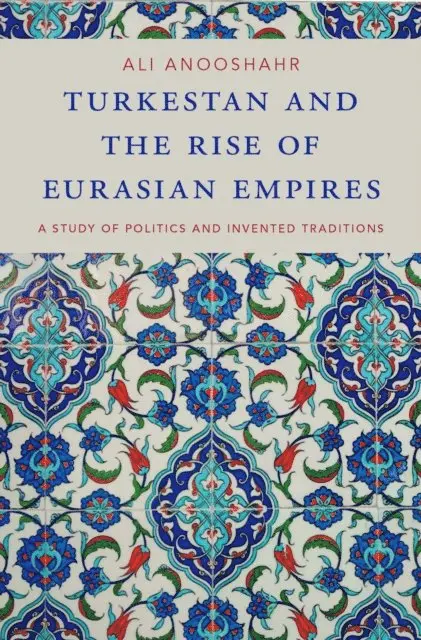
Turkestan and the Rise of Eurasian Empires
A Study of Politics and Invented Traditions
E-bok, 2018
397 kr
Lägg i varukorg
It has long been known that the origins of the early modern dynasties of the Ottomans, Safavids, Mughals, Mongols, and Shibanids in the sixteenth century go back to "Turco-Mongol" or "Turcophone" war bands. However, too often has this connection been taken at face value, usually along the lines of …
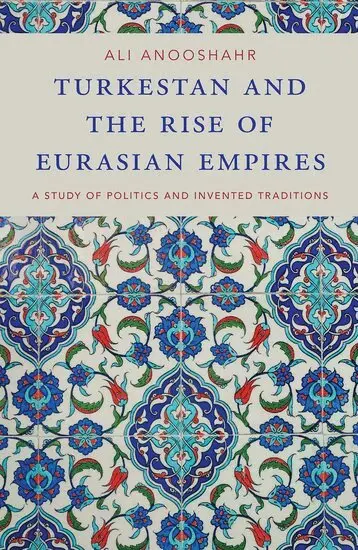
Turkestan and the Rise of Eurasian Empires
A Study of Politics and Invented Traditions
Häftad, 2020
581 kr
Lägg i varukorg
It has long been known that the origins of the early modern dynasties of the Ottomans, Safavids, Mughals, Mongols, and Shibanids in the sixteenth century go back to "Turco-Mongol" or "Turcophone" war bands. However, too often has this connection been taken at face value, usually along the lines of …
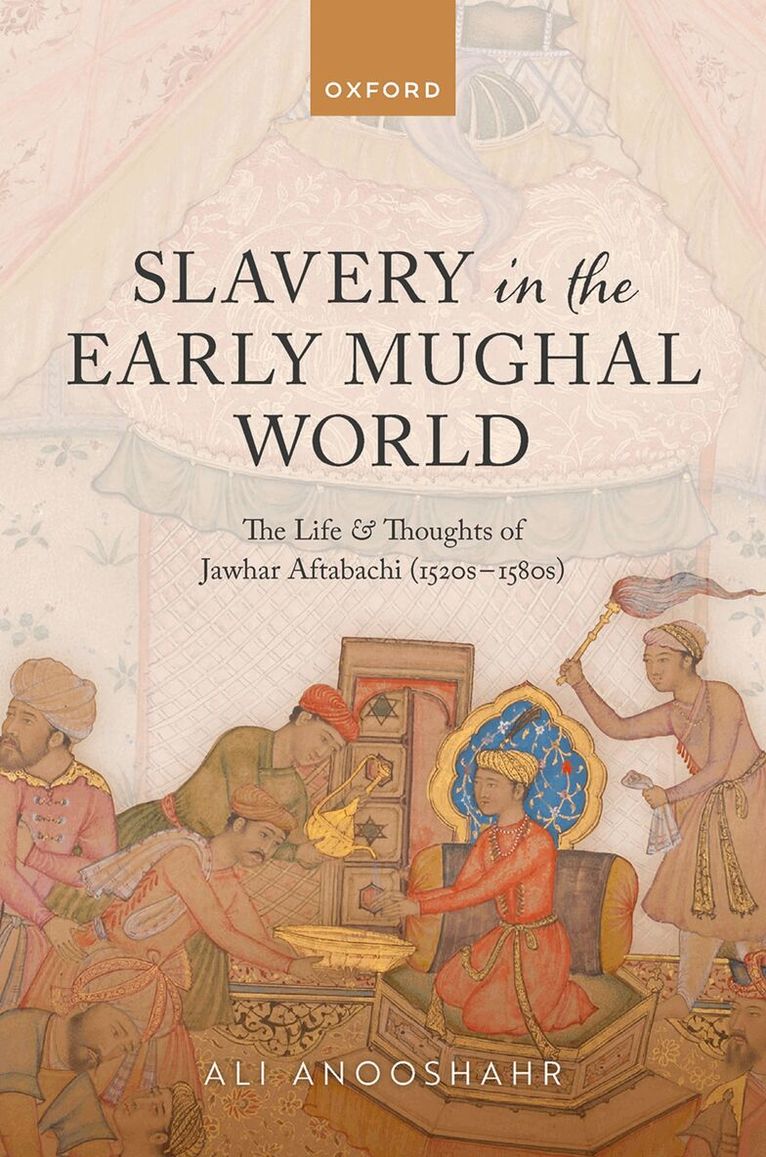
Slavery in the Early Mughal World
The Life and Thoughts of Jawhar Aftabachi (1520s–1580s)
Inbunden, 2025
1314 kr
Lägg i varukorg
Jawhar Aftabachi was enslaved as a child by the Ottomans in the Black Sea region in the early sixteenth century. He was then sold to the Ottoman admiral Selman Reis, who took him with his fleet to Egypt and Yemen during his wars with the Portuguese; carried, after the admiral's death, by the …
Slavery in the Early Mughal World
The Life and Thoughts of Jawhar Aftabachi (1520s-1580s)
E-bok, 2024
1171 kr
Lägg i varukorg
Jawhar Aftabachi was enslaved as a child by the Ottomans in the Black Sea region in the early sixteenth century. He was then sold to the Ottoman admiral Selman Reis, who took him with his fleet to Egypt and Yemen during his wars with the Portuguese; carried, after the admiral''s death, by the …
Slavery in the Early Mughal World
The Life and Thoughts of Jawhar Aftabachi (1520s-1580s)
E-bok, 2024
1171 kr
Lägg i varukorg
Jawhar Aftabachi was enslaved as a child by the Ottomans in the Black Sea region in the early sixteenth century. He was then sold to the Ottoman admiral Selman Reis, who took him with his fleet to Egypt and Yemen during his wars with the Portuguese; carried, after the admiral''s death, by the …
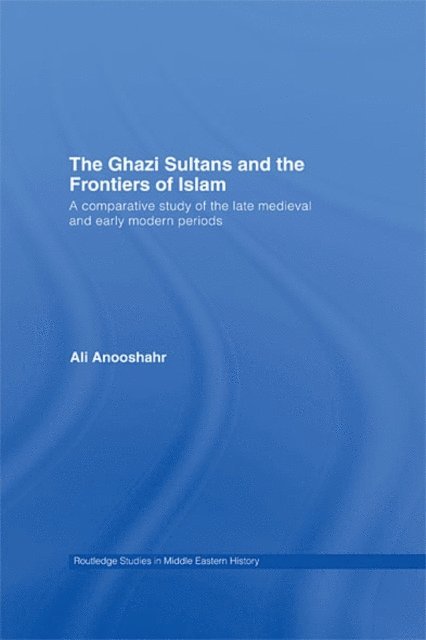
Ghazi Sultans and the Frontiers of Islam
A comparative study of the late medieval and early modern periods
Inbunden, 2008
2586 kr
Lägg i varukorg
The Ghazi Sultans were frontier holy-warrior kings of late medieval and early modern Islamic history. This book is a comparative study of three particular Ghazis in the Muslim world at that time, demonstrating the extent to which these men were influenced by the actions and writings of their …
Ghazi Sultans and the Frontiers of Islam
A comparative study of the late medieval and early modern periods
E-bok, 2008
716 kr
Lägg i varukorg
The Ghazi Sultans were frontier holy-warrior kings of late medieval and early modern Islamic history. This book is a comparative study of three particular Ghazis in the Muslim world at that time, demonstrating the extent to which these men were influenced by the actions and writings of their …
Ghazi Sultans and the Frontiers of Islam
A comparative study of the late medieval and early modern periods
E-bok, 2008
731 kr
Lägg i varukorg
The Ghazi Sultans were frontier holy-warrior kings of late medieval and early modern Islamic history. This book is a comparative study of three particular Ghazis in the Muslim world at that time, demonstrating the extent to which these men were influenced by the actions and writings of their …
Ghazi Sultans and the Frontiers of Islam
A comparative study of the late medieval and early modern periods
Häftad, 2014
622 kr
Lägg i varukorg
The Ghazi Sultans were frontier holy-warrior kings of late medieval and early modern Islamic history. This book is a comparative study of three particular Ghazis in the Muslim world at that time, demonstrating the extent to which these men were influenced by the actions and writings of their …