Alicia Marchant - Böcker
Visar alla böcker från författaren Alicia Marchant. Handla med fri frakt och snabb leverans.
3 produkter
3 produkter
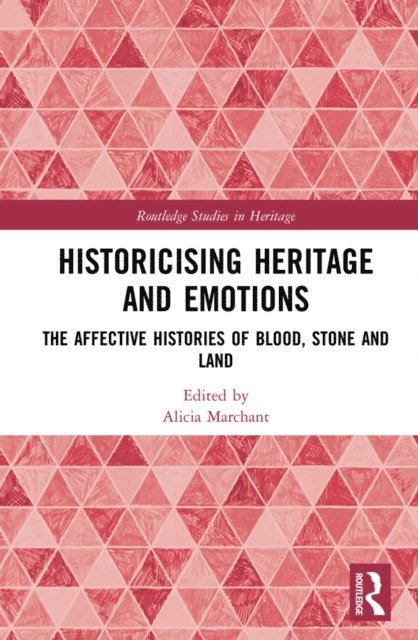
Historicising Heritage and Emotions
The Affective Histories of Blood, Stone and Land
Häftad, Engelska, 2020
648 kr
Skickas inom 10-15 vardagar
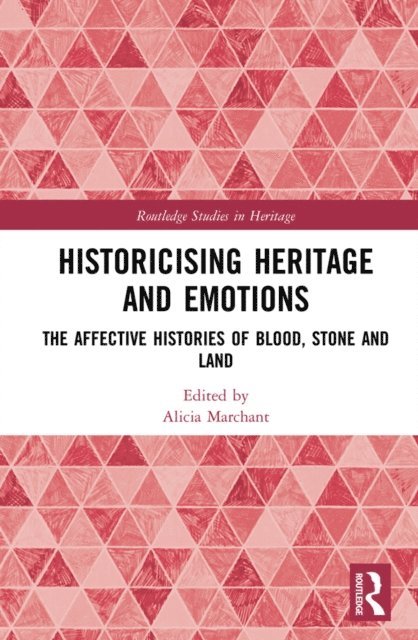
Historicising Heritage and Emotions examines how heritage is connected to and between people and places through emotion, both in the past and today. Discussion is focused on the overlapping categories of blood (families and bloodlines), stone (monuments and memorials) and land (landscape and places imbued with memories), with the contributing authors exploring the ways in which emotions invest heritage with affective power, and the transformative effects of this power in individual, community and cultural contexts.The 13 chapters that make up the volume take examples from the premodern and modern eras, and from two connected geographical regions, the United Kingdom, and Australia and the Pacific. Each chapter seeks to identify, historicise and contextualise the processes of heritage and the emotional regimes at play, locating the processes within longer historical and transnational genealogies and critically appraising them as part of broader cultural currents. Theoretically grounded in new approaches to the history of emotions and critical heritage studies, the analysis challenges the traditional scholarly focus on heritage in its modern forms, offering multifaceted premodern and modern case studies that demonstrate heritage and emotion to have complex and vibrant histories. Offering transhistorical and multidisciplinary discussion around the ways in which we can talk about, discuss, categorise and theorise heritage and emotion in different historical contexts, Historicising Heritage and Emotions is a valuable resource for students and scholars interested in heritage, emotions and history.
Historicising Heritage and Emotions
The Affective Histories of Blood, Stone and Land
Inbunden, Engelska, 2019
2 166 kr
Skickas inom 10-15 vardagar
Historicising Heritage and Emotions examines how heritage is connected to and between people and places through emotion, both in the past and today. Discussion is focused on the overlapping categories of blood (families and bloodlines), stone (monuments and memorials) and land (landscape and places imbued with memories), with the contributing authors exploring the ways in which emotions invest heritage with affective power, and the transformative effects of this power in individual, community and cultural contexts.The 13 chapters that make up the volume take examples from the premodern and modern eras, and from two connected geographical regions, the United Kingdom, and Australia and the Pacific. Each chapter seeks to identify, historicise and contextualise the processes of heritage and the emotional regimes at play, locating the processes within longer historical and transnational genealogies and critically appraising them as part of broader cultural currents. Theoretically grounded in new approaches to the history of emotions and critical heritage studies, the analysis challenges the traditional scholarly focus on heritage in its modern forms, offering multifaceted premodern and modern case studies that demonstrate heritage and emotion to have complex and vibrant histories. Offering transhistorical and multidisciplinary discussion around the ways in which we can talk about, discuss, categorise and theorise heritage and emotion in different historical contexts, Historicising Heritage and Emotions is a valuable resource for students and scholars interested in heritage, emotions and history.
1 192 kr
Skickas inom 7-10 vardagar
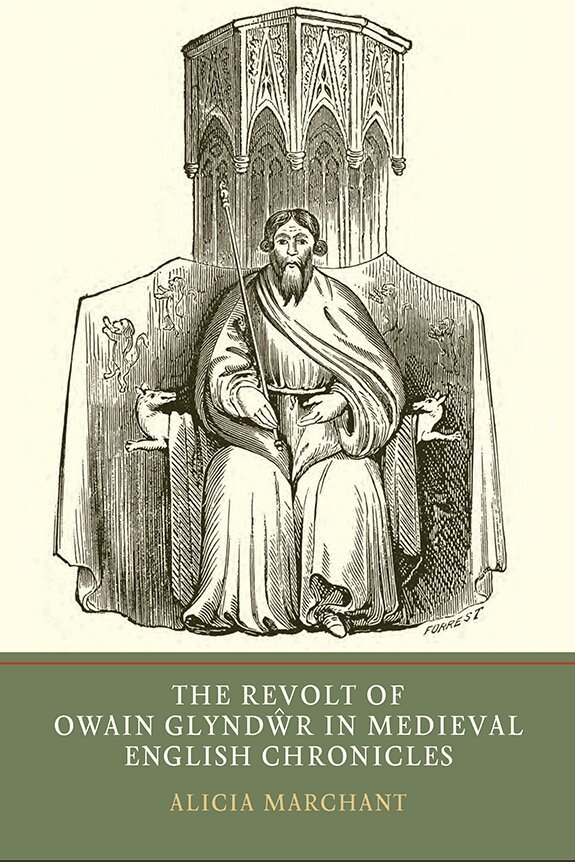
An examination of the portrayal of one of the most important uprisings in the middle ages in subsequent history writing.The revolt of Owain Glyndwr (1400-c.1415) was a remarkable event in both English and Welsh contexts, and as such was narrated by a number of chroniclers, including Adam Usk, John Capgrave, Thomas Walsingham and Edward Halle. Theyoffer a range of perspectives on the events, as well as portrayals of the main characters (especially, of course, Glyndwr himself), the communities involved, and Wales.This book studies the representations of the revolt in English chronicles, from 1400 up to1580. It focuses on the narrative strategies employed, offers a new reading of the texts as literary constructs, and explores the information they present.Alicia Marchant is a ResearchAssociate in the ARC Centre of Excellence for the History of Emotions at the University of Western Australia.