Alicia Ventresca Miller – författare
Visar alla böcker från författaren Alicia Ventresca Miller. Handla med fri frakt och snabb leverans.
5 produkter
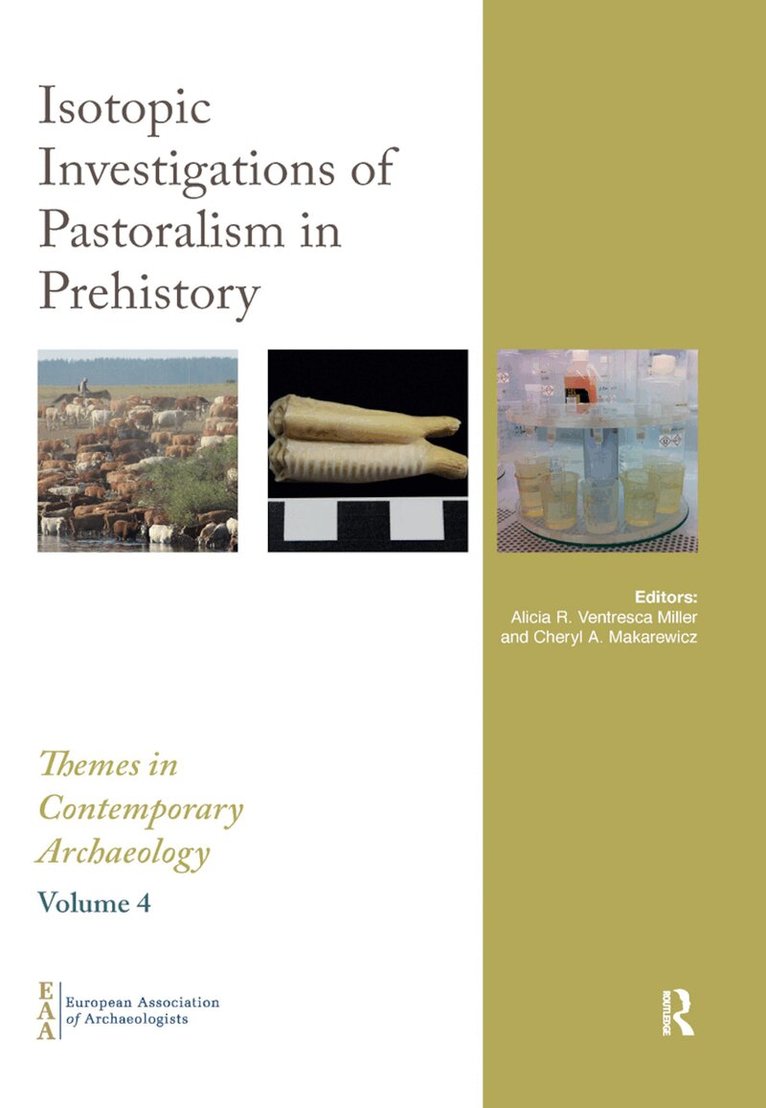
Isotopic Investigations of Pastoralism in Prehistory
Av Alicia Ventresca Miller, Cheryl Makarewicz
Häftad, 2019
757 kr
Lägg i varukorg
Pastoralists were a vital economic and social force in ancient societies around the globe, transforming landscapes poorly suited for agriculture into spaces of vast productive potential while simultaneously connecting mobile and sedentary communities alike across considerable distances. Drawing …
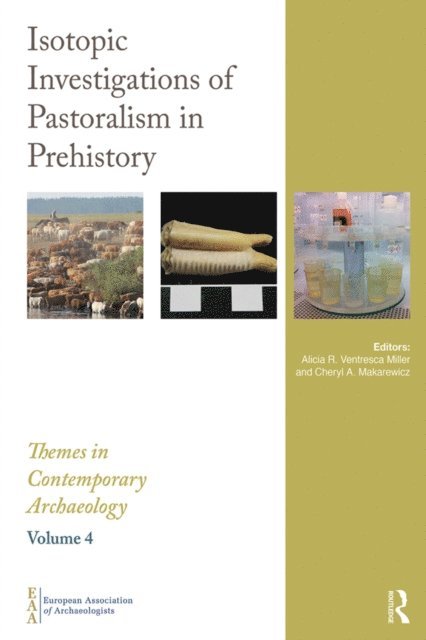
Isotopic Investigations of Pastoralism in Prehistory
Av Alicia Ventresca Miller, Cheryl Makarewicz
Inbunden, 2017
2586 kr
Lägg i varukorg
Pastoralists were a vital economic and social force in ancient societies around the globe, transforming landscapes poorly suited for agriculture into spaces of vast productive potential while simultaneously connecting mobile and sedentary communities alike across considerable distances. Drawing …
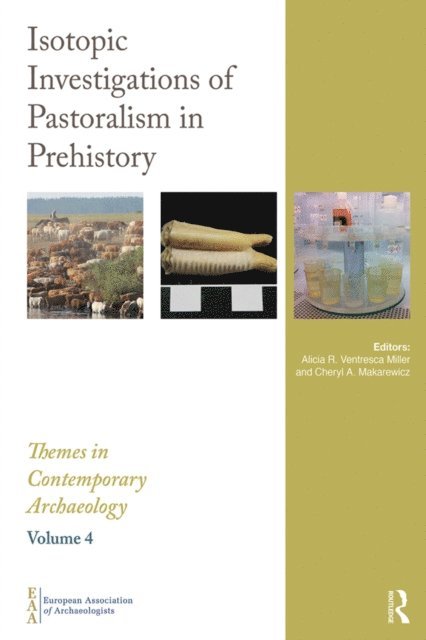
Isotopic Investigations of Pastoralism in Prehistory
Av Cheryl Makarewicz, Alicia Ventresca Miller
E-bok, 2017
892 kr
Lägg i varukorg
Pastoralists were a vital economic and social force in ancient societies around the globe, transforming landscapes poorly suited for agriculture into spaces of vast productive potential while simultaneously connecting mobile and sedentary communities alike across considerable distances. Drawing …
Isotopic Investigations of Pastoralism in Prehistory
Av Cheryl Makarewicz, Alicia Ventresca Miller
E-bok, 2017
892 kr
Lägg i varukorg
Pastoralists were a vital economic and social force in ancient societies around the globe, transforming landscapes poorly suited for agriculture into spaces of vast productive potential while simultaneously connecting mobile and sedentary communities alike across considerable distances. Drawing …
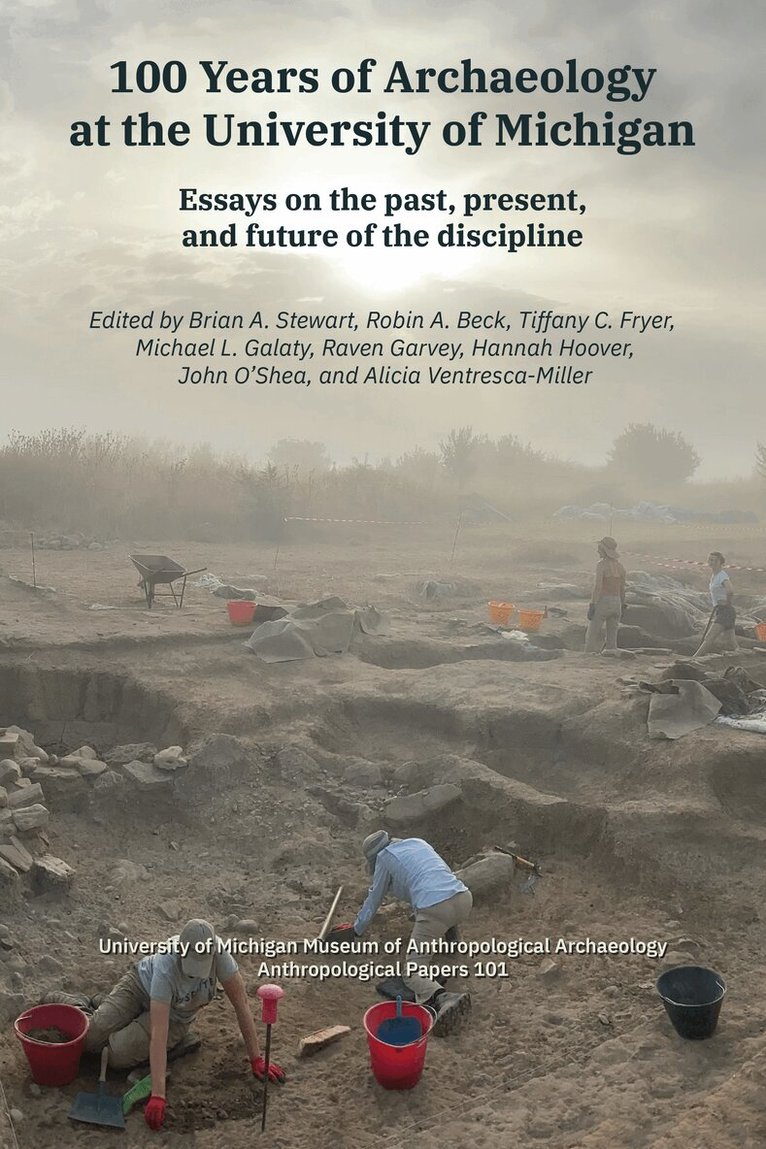
100 Years of Archaeology at the University of Michigan
Essays on the Past, Present, and Future of the Discipline
Av Brian A. Stewart, Robin A. Beck m. fl.
Häftad, 2025
583 kr
Lägg i varukorg
The University of Michigan has been at the forefront of archaeological research for more than 100 years, since 1922, when the Museum of Anthropology (now the Museum of Anthropological Archaeology) was established on the Ann Arbor campus. The goal of its curators for many decades was to create a …