Alison Fields - Böcker
Visar alla böcker från författaren Alison Fields. Handla med fri frakt och snabb leverans.
3 produkter
3 produkter
517 kr
Skickas inom 7-10 vardagar
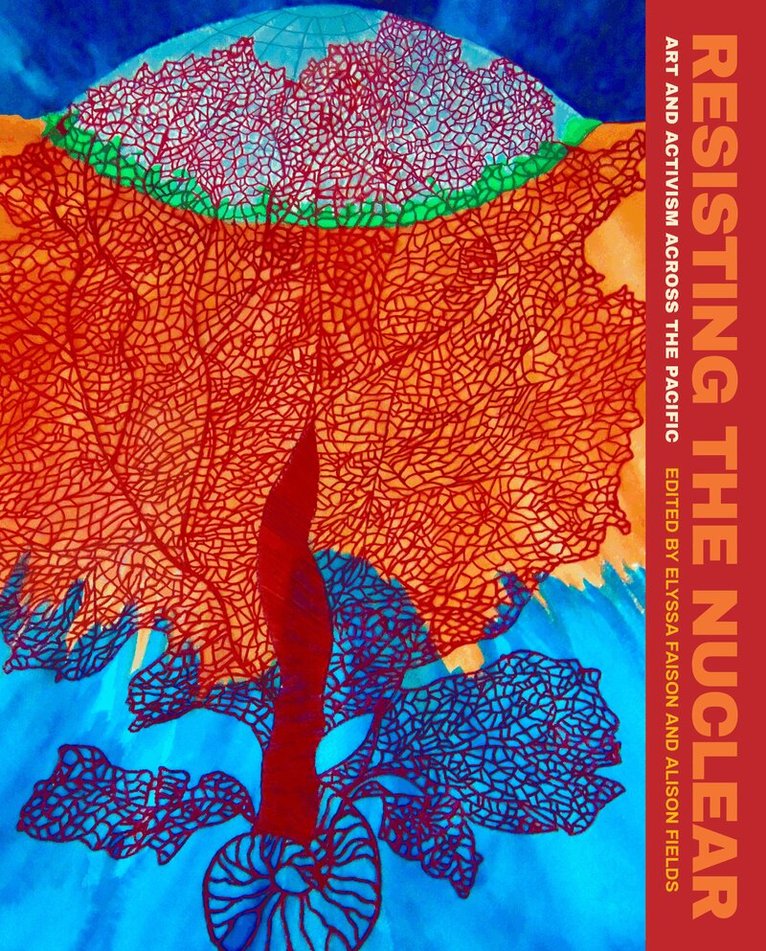
A transpacific tour of nuclear humanitiesFrom uranium mines on the Navajo Nation to craters caused by nuclear testing on the Bikini and Enewetak Atolls, the production and deployment of nuclear weapon technologies have disproportionately harmed Indigenous lands. Sustained exposure to radiation from nuclear weapons and waste affects many communities from Japan to Oceania to the US West. While antinuclear activism often takes political and legal forms, artistic responses to nuclear regimes also prompt social action and resistance.Resisting the Nuclear is an interdisciplinary edited collection featuring historians, anthropologists, artists, and activists who explore the multifaceted forms of resistance to nuclear regimes. Through a combination of interviews, scholarly essays, and discussions of contemporary art, contributors recenter the victims of nuclear technologies and demonstrate how political and artistic expression can respond to nuclear threats and effect change.
609 kr
Skickas inom 3-6 vardagar
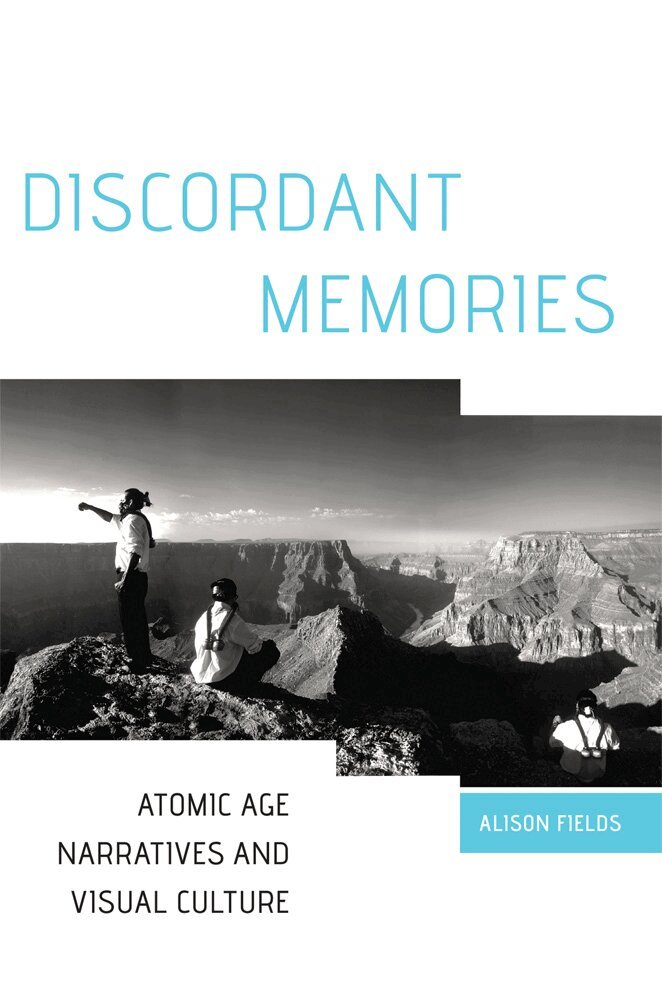
On two separate days in August 1945, the United States dropped atomic bombs over the Japanese cities of Hiroshima and Nagasaki. As the seventy-fifth anniversary of these cataclysmic bombings draws near, American and Japanese citizens are seeking new ways to memorialize these events for future generations. In Discordant Memories, Alison Fields explores - through the lenses of multiple disciplines - ongoing memories of the two bombings. Enhanced by striking color and black-and-white images, this book is an innovative contribution to the evolving fields of memory studies and nuclear humanities.To reveal the layered complexities of nuclear remembrance, Fields analyzes photography, film, and artworks; offers close readings of media and testimonial accounts; traces site visits to atomic museums in New Mexico and Japan; and features artists who give visual form to evolving memories.According to Fields, such expressions of memory both inspire group healing and expose struggles with past trauma. Visual forms of remembrance - such as science museums, peace memorials, photographs, and even scars on human bodies - serve to contain or manage painful memories. And yet, the author claims, distinct cultures lay claim to vastly different remembrances of nuclear history. Fields analyzes a range of case studies to uncover these discordant memories and to trace the legacies of nuclear weapons production and testing. Her subjects include the Bradbury Science Museum in Los Alamos, New Mexico; the Hiroshima Peace Memorial Museum in Japan; the atomic photography of Carole Gallagher and Patrick Nagatani; and artworks and experimental films by Will Wilson and Nanobah Becker.In the end, Fields argues, the trauma caused by nuclear weapons can never be fully contained. For this reason, commemorations of their effects are often incomplete and insufficient. Differences between individual memories and public accounts are also important to recognize. Discordant Memories illuminates such disparate memories in all their rich complexity.
257 kr
Skickas inom 3-6 vardagar
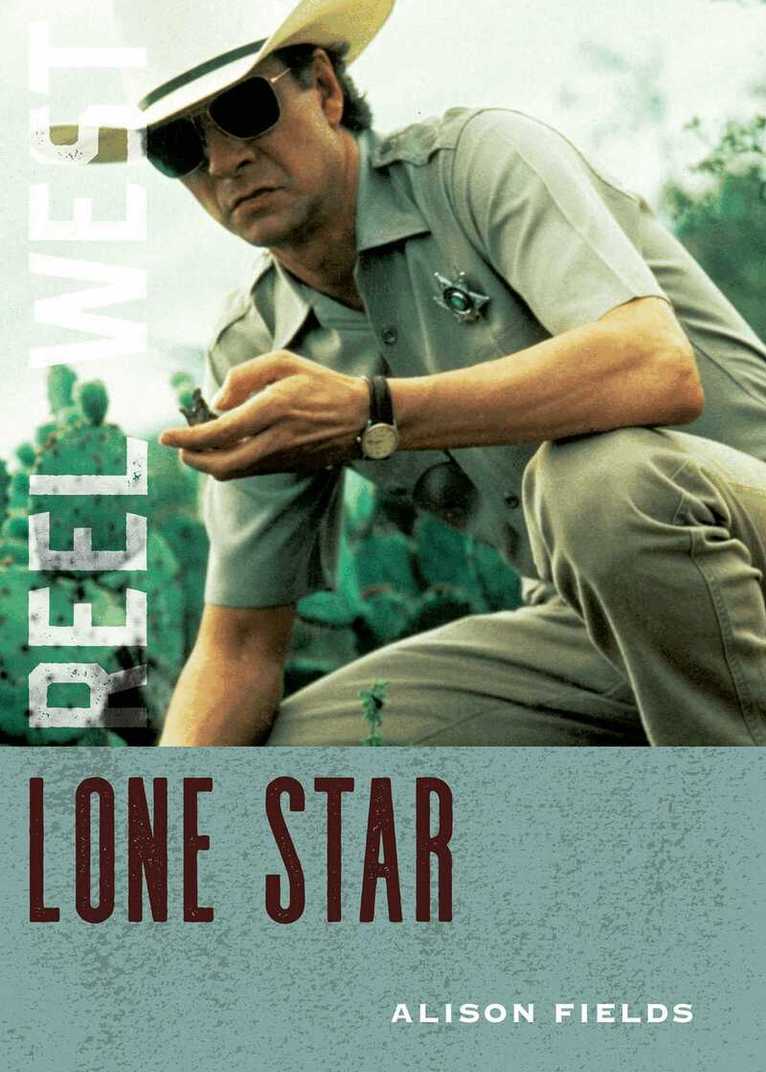
A deft history and analysis of John Sayles’ 1996 cinematic masterpiece. Alison Fields places Lone Star in a western film framework and emphasizes Lone Star's ability to highlight the conflicts between socially entrenched borderlands history and its multifaceted reality. Filmmaker John Sayles has been a key voice in independent cinema since the 1970s, interrogating American legends by retelling stories about class, race, labor, sexuality, history, and violence. Lone Star, released in 1996, was ahead of its time in exploring the prevailing legends of the Borderlands through the intersectionality of Black, Chicano, and women’s narratives. Set in the fictional small town of Frontera on the Texas/Mexico border, the film opens with the discovery of a decades-old skeleton on a rifle range—the remains of racist and corrupt former sheriff Charlie Wade (Kris Kristofferson). It had long been presumed that Wade was driven from town by Buddy Deeds (Matthew McConaughey), who succeeded him for a long tenure as Frontera’s beloved sheriff. The discovery of Wade’s remains prompts current sheriff Sam Deeds (Chris Cooper), who had always lived in his father’s shadow, to question Buddy’s legacy and his involvement in Wade’s death and to look to the testimonies of the poor, the dispossessed, and the overlookedthe very people the late Sheriff Wade had victimized. In the first book-length examination of Lone Star, Fields situates the film firmly in the “new Western history” that has done so much to overturn the century-old Frontier Thesis.