Alison Jolly – författare
Visar alla böcker från författaren Alison Jolly. Handla med fri frakt och snabb leverans.
7 produkter
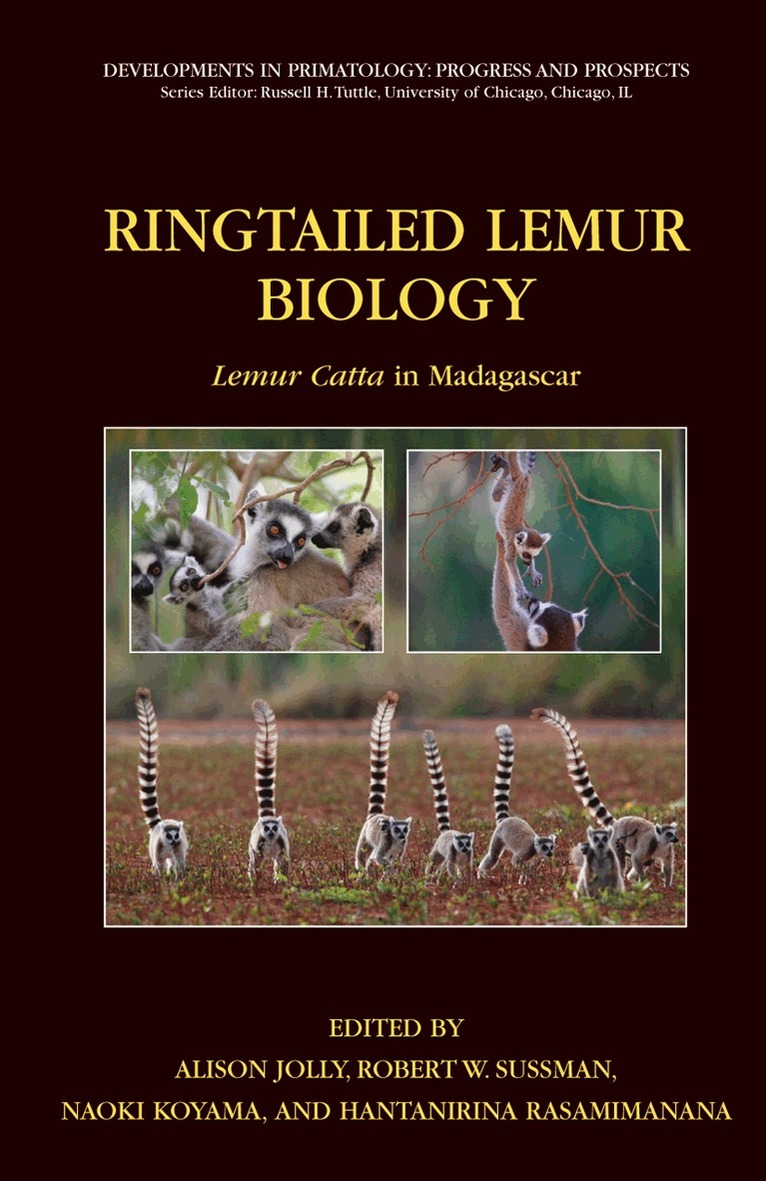
Ringtailed Lemur Biology
Lemur catta in Madagascar
Av Alison Jolly, Robert W. Sussman m. fl.
Inbunden, 2006
1642 kr
Lägg i varukorg
This book is a truly international collaboration, with editors based on four con- nents and first authors from Canada, France, Japan, Madagascar, the United Kingdom, and the United States. Clearly, there is something attractive about studying Lemur catta, the ringtailed lemur. Perhaps it is the …
Ringtailed Lemur Biology
Lemur catta in Madagascar
Av Hanta Rasamimanana, Naoki Koyama m. fl.
E-bok, 2006
2044 kr
Lägg i varukorg
This book is a truly international collaboration, with editors based on four con- nents and first authors from Canada, France, Japan, Madagascar, the United Kingdom, and the United States. Clearly, there is something attractive about studying Lemur catta, the ringtailed lemur. Perhaps it is the …
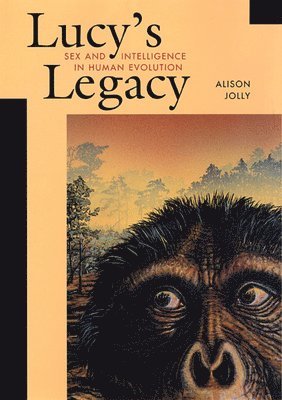
Lucy’s Legacy
Sex and Intelligence in Human Evolution
Av Alison Jolly
Häftad, 2001
316 kr
Lägg i varukorg
Alison Jolly believes that biologists have an important story to tell about being human—not the all-too-familiar tale of selfishness, competition, and biology as destiny but rather one of cooperation and interdependence, from the first merging of molecules to the rise of a species inextricably …
Ringtailed Lemur Biology
Lemur catta in Madagascar
Av Alison Jolly, Robert W. Sussman m. fl.
Häftad, 2010
1639 kr
Lägg i varukorg
This book is a truly international collaboration, with editors based on four con- nents and first authors from Canada, France, Japan, Madagascar, the United Kingdom, and the United States. Clearly, there is something attractive about studying Lemur catta, the ringtailed lemur. Perhaps it is the …
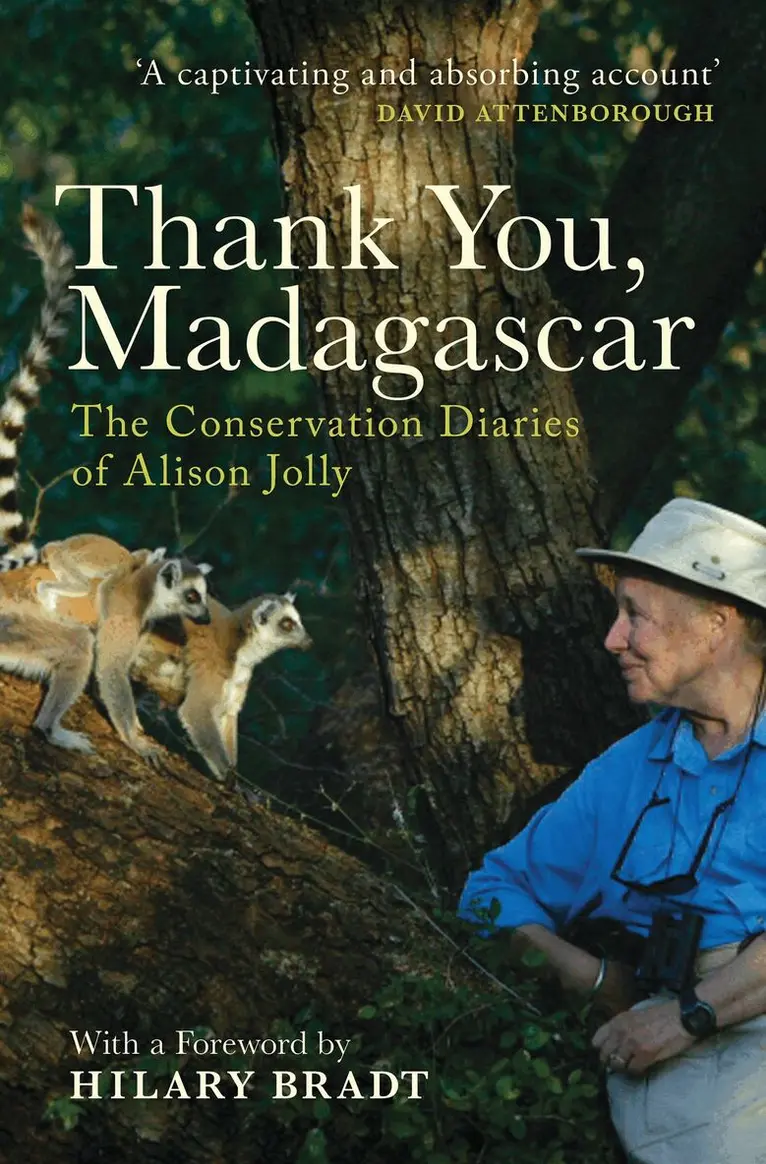
Thank You, Madagascar
The Conservation Diaries of Alison Jolly
Av Alison Jolly
Häftad, 2016
291 kr
Lägg i varukorg
'An enchanting book…poignant and passionate.'Geographical'A captivating and absorbing account.'Sir David AttenboroughMadagascar is one of the world’s natural jewels, with over ninety per cent of its wildlife found nowhere else on Earth. Few people knew it better than the pioneering primatologist …
Thank You, Madagascar
The Conservation Diaries of Alison Jolly
Av Alison Jolly
E-bok, 2015
331 kr
Lägg i varukorg
''An enchanting book…poignant and passionate.'' Geographical ''A captivating and absorbing account.'' Sir David Attenborough Madagascar is one of the world''s natural jewels, with over ninety per cent of its wildlife found nowhere else on Earth. Few people knew it better than the pioneering …
Thank You, Madagascar
The Conservation Diaries of Alison Jolly
Av Alison Jolly
E-bok, 2015
305 kr
Lägg i varukorg
'An enchanting book…poignant and passionate.'Geographical'A captivating and absorbing account.'Sir David AttenboroughMadagascar is one of the world's natural jewels, with over ninety per cent of its wildlife found nowhere else on Earth. Few people knew it better than the pioneering primatologist …