
Alistair Deayton – författare
Visar alla böcker från författaren Alistair Deayton. Handla med fri frakt och snabb leverans.
12 produkter
12 produkter
165 kr
Tillfälligt slut
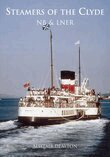
Steamships and the Clyde have been synonymous since 1812 when the Comet introduced the first regular steamship service in Europe running from Helensburgh to Glasgow. The unique geography of the Firth of Clyde made shipping the most natural mode of transport and on certain routes water travel is still faster today than any other form of transport except for the helicopter. This uniqueness created an arena for a whole series of fleets of steamers, some privately owned but the remainder being railway-operated businesses. The three main railway companies competed for traffic to the coastal resorts and for commuters to Glasgow and the industrial towns bordering the river. The steamers were a natural extension of their business in an area surrounded by so much water. One of those companies, the North British Steam Packet Company, is the subject of this volume. From humble beginnings in 1863, the NB Steam Packet Co. eventually grew to encompass a fleet of ships, many of which are still household names in areas of the Clyde. From the Dandie Dinmont to the Jeanie Deans and a series of paddlers called Waverley the NB Steam Packet and its successor, the LNER, ran a fleet from its bases of Helensburgh and Craigendoran. Included within are scenes from a bygone age when the paddle steamer was King on the Clyde. The advent of the motor car removed the need for many of the steamers and all that survives now are the essential ferry services. The name of the NB Steam Packet lives on however in the Waverley. She is the last vestige of the Clyde's most colourful period and still runs pleasure cruises using many piers that would otherwise lie unused and forgotten.
179 kr
Tillfälligt slut
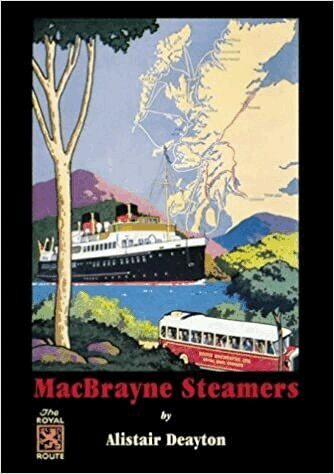
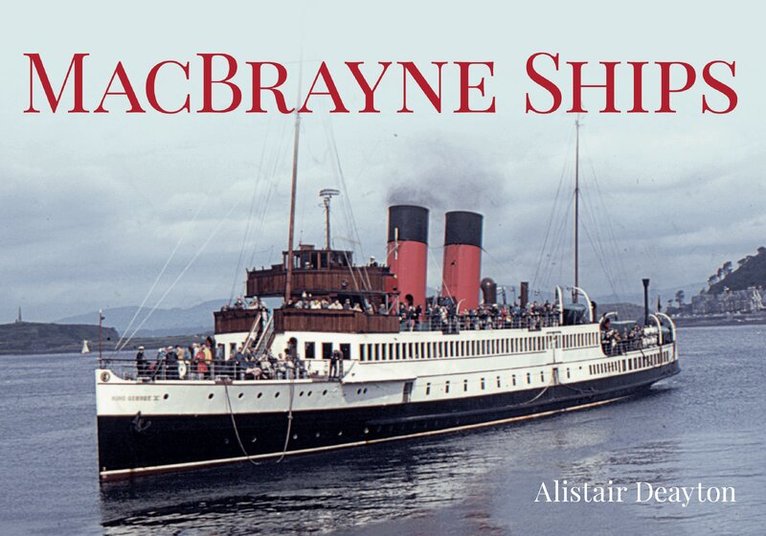
For the past one hundred and fifty years the name of MacBrayne has been synonymous with shipping in the West Highlands and Islands of Scotland. David MacBrayne was a partner from 1851 in the firm of David Hutcheson & Co. and when the Hutchesons retired in 1879 David MacBrayne took over the Company and renamed it. That company still operates ferry services today as part of Caledonian MacBrayne. MacBraynes were so much a part of the scene in the West Highlands that there was a popular parody of the psalm The earth is the Lord's, and all it contains, except the Western Isles, which belong to MacBraynes. The company's ships were famous too. Columba was the largest paddle steamer to sail the Clyde and Western Isles while King George V made the cruise from Oban to Staffa and Iona her own for forty years. As well as providing tourist services the MacBrayne steamers and ferries were, and still are, a vital lifeline for the islands of Scotland. Inside the pages of "MacBrayne Steamers" over 200 images of the ships and the localities they visited are featured.
170 kr
Tillfälligt slut
Inside the pages of Orkney & Shetland Steamers are over 200 images from the past two centuries of the ferries, the piers and the people they served. They are accompanied by an informative text and give an insight into the history of the companies that have served Orkney and Shetland over the past two hundred years as well as the ships that have plied the sometimes-treacherous waters of the North Sea.
221 kr
Tillfälligt slut
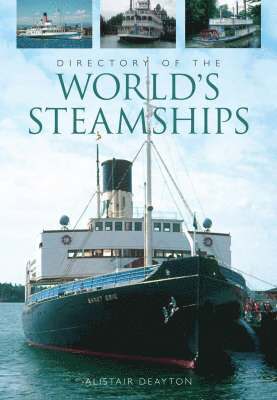
From about 1840 to the 1960s, steam ruled the waves. Most larger vessels were steam-powered but in the past fifty years, steam has given way to diesel or oil-fired vessels. Steamships are a dying breed and each year more and more make their way to the breaker's yard. Alistair Deayton sets out to catalogue every steamship in existence, with many being illustrated, some in full colour - from the Cunard liner Queen Mary to Parson's Turbinia, with a huge variety of vessels of all sizes in between.
168 kr
Tillfälligt slut
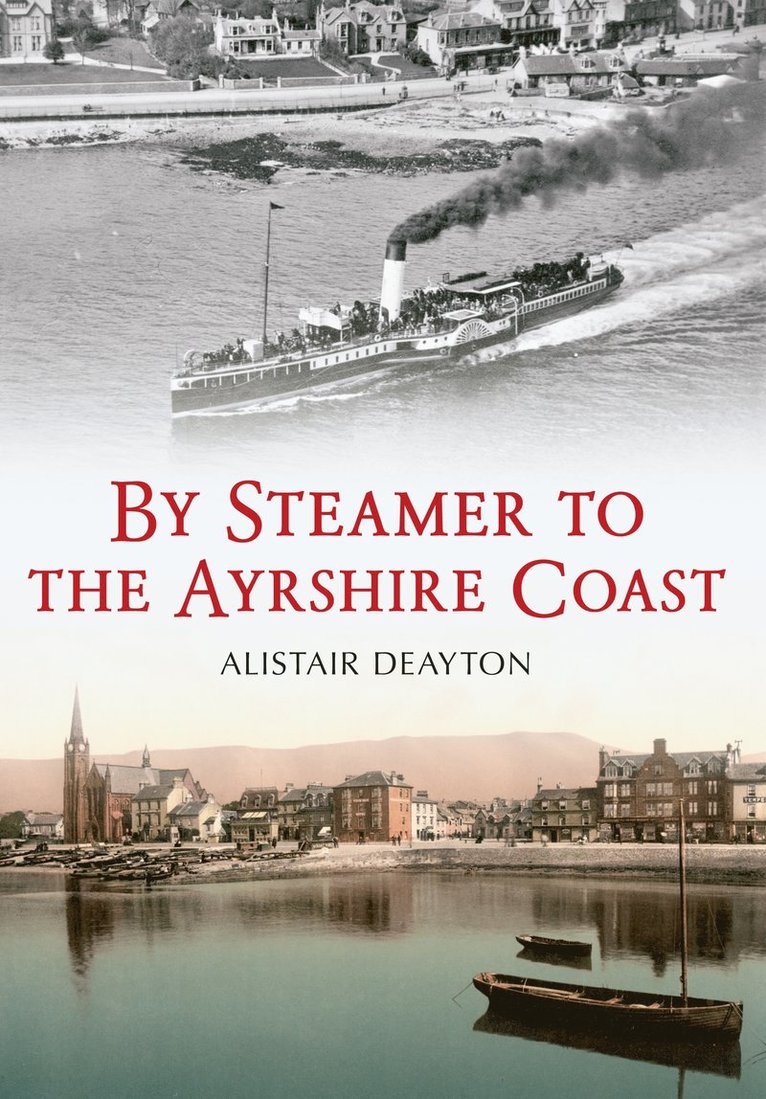
At the turn of the twentieth century new laws introduced paid holidays for the masses and the seaside towns of Scotland saw a huge influx of visitors. From Glasgow, Paisley and the industrial heartland of Scotland, poured holidaymakers on the Fair Holiday trip 'doon the watter'. Some Scottish resorts such as Largs, Fairlie, Troon, Ardrossan, Saltcoats, Millport, Gourock and Wemyss Bay saw their populations double or treble for much of the summer. By the end of the 1960s, the annual Fair Holiday was in decline. No longer was there as great a need to close factories for a week, nor was the holidaymaker so reliant on the pleasure steamers. Cars and aircraft had taken their toll and the resorts began to decline. Alistair Deayton, one of the acknowledged experts on the Clyde pleasure steamers, and author of many books on the subject, shows the Ayrshire and Renfrewshire resorts in their heyday, while exploring their decline, as well as that of the pleasure steamers, only one of which, Waverley, remains today.
214 kr
Tillfälligt slut
David MacBrayne's involvement in West Highland shipping services soon grew to encompass all of the major routes to the Isles. The company was eventually taken into state ownership and amalgamated with the Caledonian Steam Packet Co. to become Caledonian MacBrayne. This volume tells the story of MacBrayne's in private ownership up to the end of the independent company in 1972.
214 kr
Tillfälligt slut
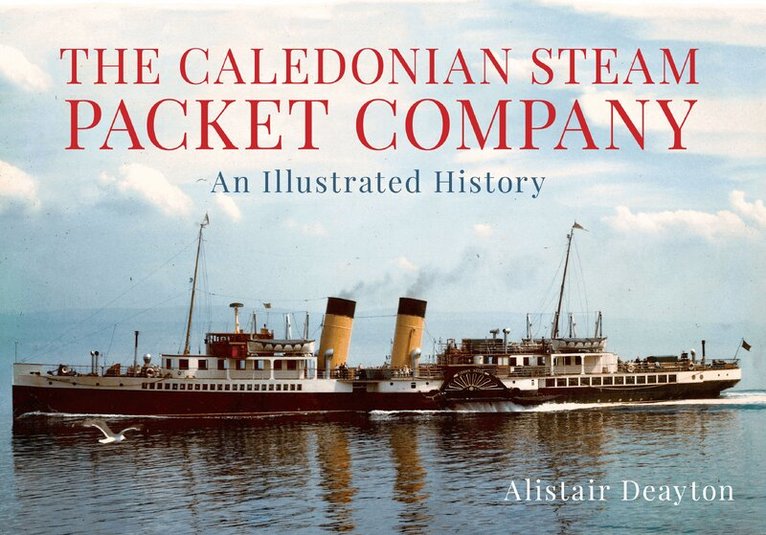
The Caledonian Steam Packet Co. was founded in 1889 by the Caledonian Railway and in 2014 is 125 years old. It originally sailed from Gourock but came to encompass many of the Clyde coast piers and resorts, from Girvan to Argyll. At one time in competition with the Glasgow & South Western steamers and those of the North British Railway, by 1948 and the nationalisation of the railway companies, the steamers of these companies had all come under the auspices of the Caledonian Steam Packet Co. By 1973, the fleets of David MacBrayne and the CSP were amalgamated. The CalMac fleet comprises the third volume in this series on Clyde and West Coast steamers. This follow-up to Alistair Deayton’s David MacBrayne history tells the story of the other constituent company of CalMac, whose vessels, with their blacktipped yellow funnels, once flourished on the Clyde, sailing to Ayrshire, Renfrewshire and Argyll.
221 kr
Tillfälligt slut
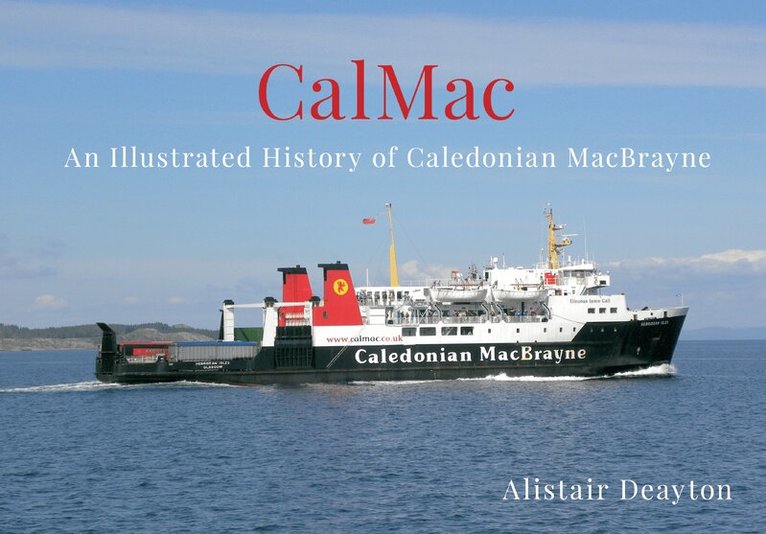
Created in 1973 with the amalgamation of the Caledonian Steam Packet Co. and David MacBrayne, CalMac’s black hulls and white toppings have been a common sight on the Clyde estuary, sailing to the Western Isles and on numerous short crossings in the western Highlands. So widely does the company operate in the west of Scotland that it has even been immortalised in song.Starting with much old tonnage, the fleet has been updated over the past decades with more new ships due to come into service, and now comprises some very modern shipping, still sailing to the Western Isles, through the wonderful landscape of the western Highlands and to Arran, Bute and Cumbrae.This book, the follow-up to Alistair Deayton’s illustrated histories of David MacBrayne and the Caledonian Steam Packet, tells the story of CalMac, from its inception to the present day.
221 kr
Tillfälligt slut
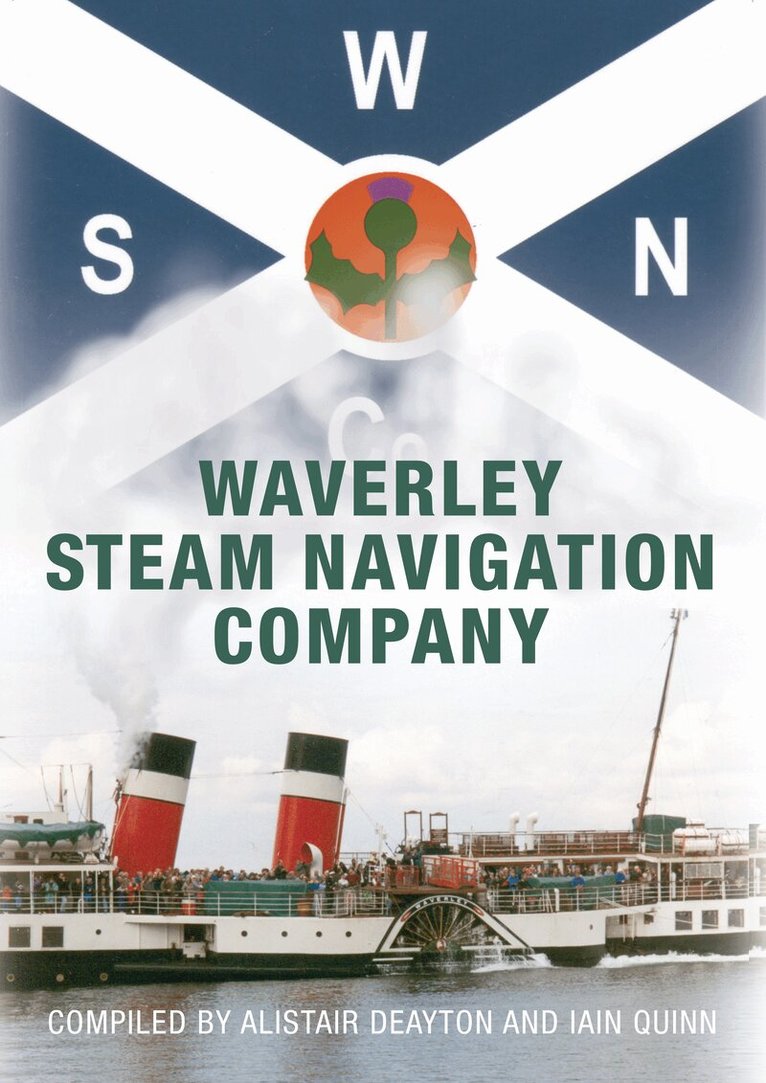
On 8 August 1974, the world’s last seagoing paddle steamer was sold by her owners for the princely sum of a pound. The PS Waverley has now spent more of her career in preservation than in service with the British Transport Commission and Caledonian MacBrayne. She is still a common sight on the Clyde, Bristol Channel, the Thames and around Britain’s coastline.Purchased by members of the Paddle Steamer Preservation Society, many millions have been spent on Waverley in the intervening years to keep her in tiptop condition. Originally built for service on the Firth of Clyde, the Waverley is the most travelled paddle steamer in the world and one of the most successful of all the restored tourist ships that still survive. Formed upon preservation, Waverley Steam Navigation Company was created to operate the Waverley and, subsequently, the Balmoral, and has successfully operated the two vessels over the past four decades. Nowadays, after a huge lottery-funded restoration, Waverley is capable of sailing for another ten or twenty years, giving pleasure to many thousands per annum on her voyages around Britain’s coast.
163 kr
Tillfälligt slut
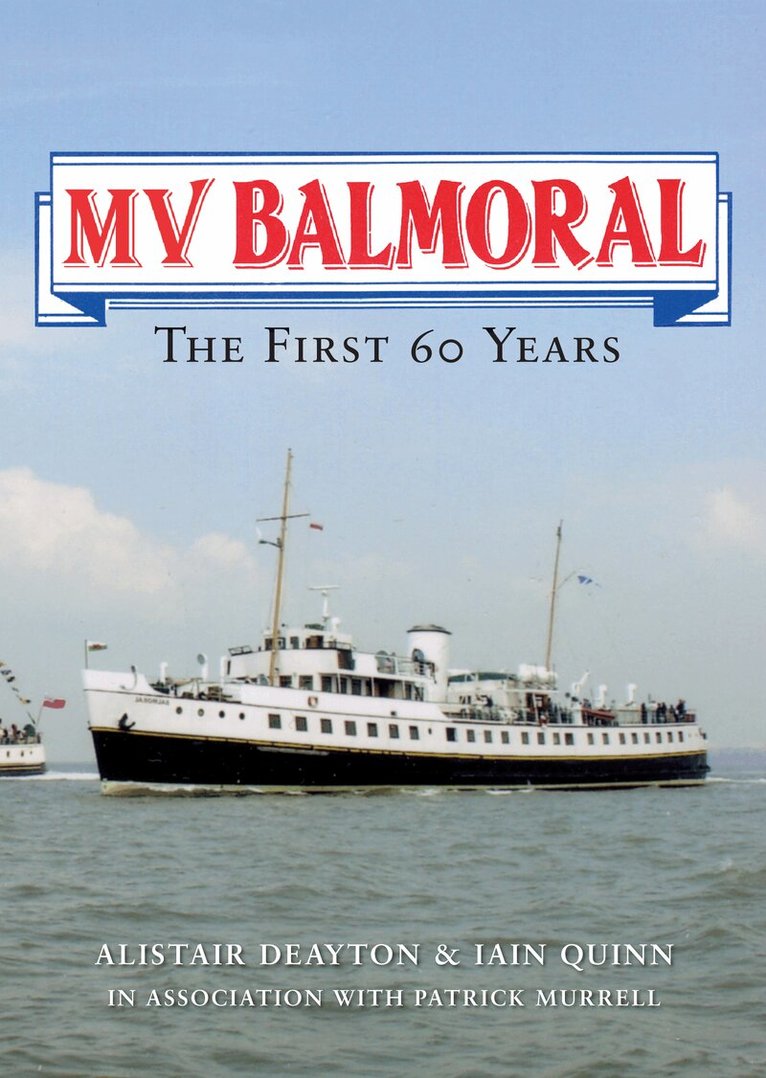
Built in 1949 in Southampton for the Southampton, Isle of Wight & South of England Royal Mail Steam Packet Co., MV Balmoral operated in their Red Funnel fleet for twenty years. Moving to Bristol, she became the last vessel purchased by P&A Campbell for the pleasure steamer services down the Bristol Channel and across to Wales. As well as service in the South West, she was used in North Wales too, even making sailings to Douglas in the Isle of Man, where she was used to serve as a tender to Swedish American Line Kungsholm. P&A Campbell ceased trading in 1980 and, after a short lay-up, MV Balmoral moved to Dundee to become a floating restaurant. This move was unsuccessful and she was purchased for use as a pleasure steamer again. In1986, she returned to service and to the Bristol Channel where she still operates today. In 2002 she was fitted with new engines that have increased her lifespan considerably. In conjunction with her stable-mate, the paddle steamer Waverley, she also operates on the Clyde, the Thames, North Wales and from Southampton and the South Coast. Balmoral and Waverley, two ships, markedly different, but built within two years of each other, are a reminder of the heyday of coastal cruising, when many such ships took holidaymakers on day trips to resorts the length and breadth of the country. Alistair Deayton and Iain Quinn bring together, in words and pictures, a celebration of the first sixty years of MV Balmoral's career as a sea-going pleasure steamer.
168 kr
Tillfälligt slut
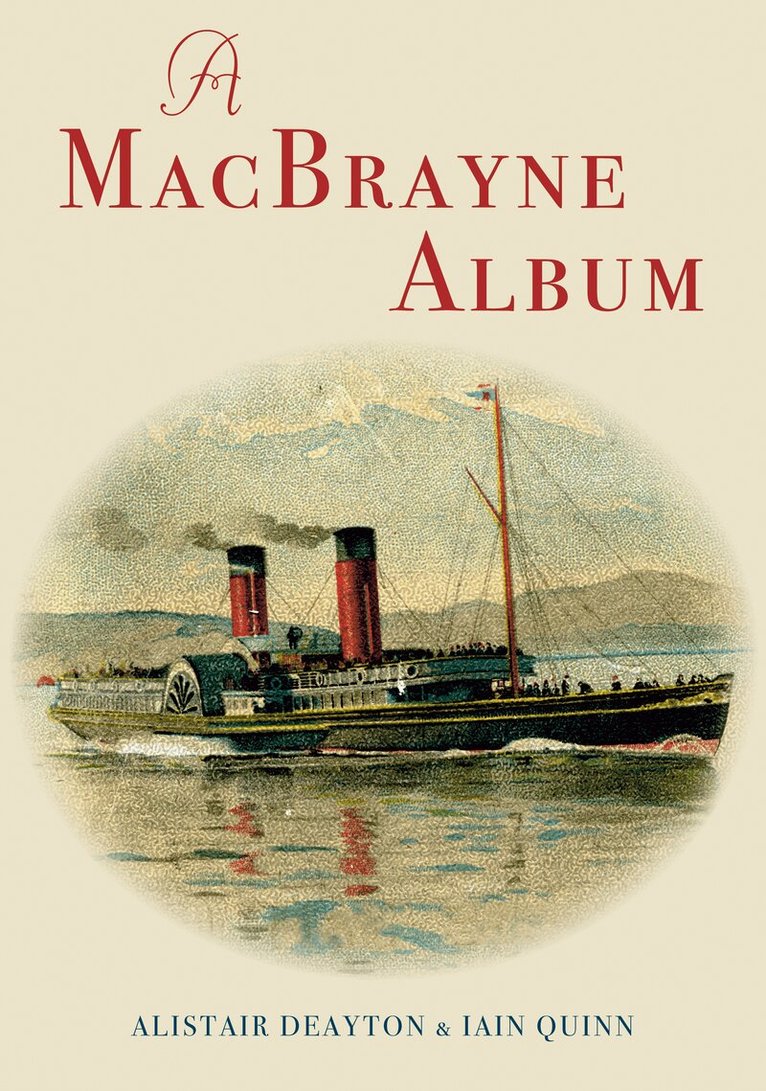
In 1851 G.&J. Burns sold their West Highland steamer services to David Hutcheson & Co. One of the conditions of the sale was that Hutcheson take on David MacBrayne, a nephew of the Burns brothers, as a junior partner. When David Hutcheson retired in 1878, David MacBrayne, at the age of sixty-five, took the company over and renamed it, Ever since MacBraynes has been an integral part of life in the West Highland and islands of Scotland, and since 1973 as part of Caledonian MacBrayne. At the heart of this book is a unique collection of glass slides and glass-mounted medium format negatives originally belonged to Captain Alex Rodger. Special attention is given to four steamers, Columba, the premier paddle steamer operating in UK waters, Iona, her predecessor on the Royal Route from Glasgow to Ardrishaig, and which had a remarkably long life of seventy-one years, and the two turbine steamers Saint Columba, which succeeded Columba on the Royal Route, and King George V, which made the Staffa and Iona cruise from Oban her own from 1936 to 1974. The other paddle and screw steamers in the fleet are not ignored, neither are the motor vessels, which were used by MacBrayne from the early 1900s onwards, and the 'wee red boats' which tendered to the larger vessels at ports without a pier, particularly at Staffa and Iona.
168 kr
Tillfälligt slut
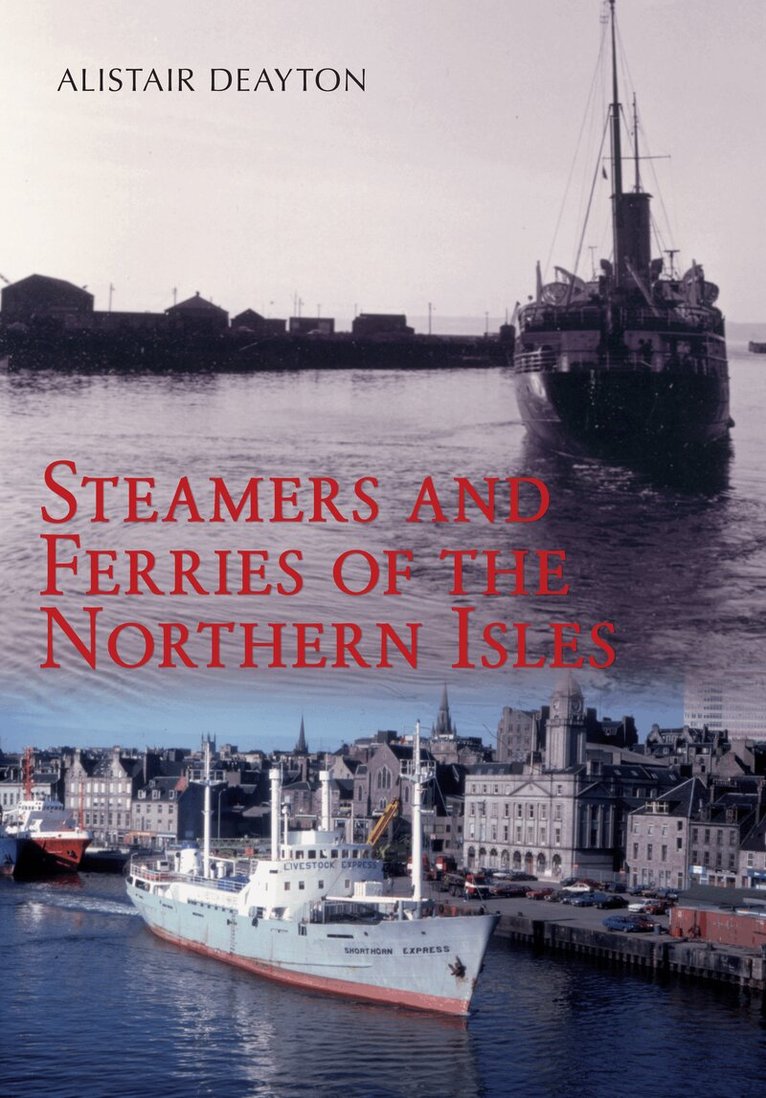
Services from mainland Scotland to Orkney and Shetland were, from the dawn of steam navigation right up until 2002, in the hands of the North of Scotland, Orkney & Shetland Shipping Company, known as the North Company, whose predecessors dated back to 1790 and which became part of P&O Ferries in 1975.In this book, Alistair Deayton uses his wonderful collection of photographs to tell the story of the ferries and steamers of the northern isles, including not only the North Company but its successors and competitors on the routes between mainland Scotland and the islands, including chartered vessels and wartime Ministry of War Transport ships travelling to Scapa Flow. The book also includes the inter-island ferries in both Orkney and Shetland, not forgetting the services to remote Foula and Fair Isle.This book is a must for all those interested in the transport history of Orkney and Shetland and evokes the days when the only way to travel to the northern isles was by sea.