Alistair Fair - Böcker
Visar alla böcker från författaren Alistair Fair. Handla med fri frakt och snabb leverans.
10 produkter
10 produkter
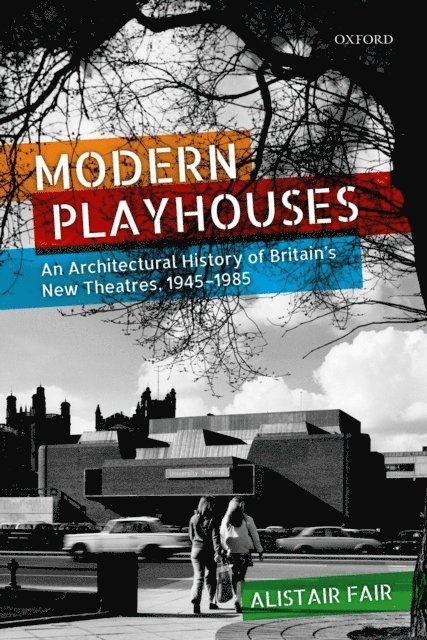
Modern Playhouses
An Architectural History of Britain's New Theatres, 1945 -- 1985
Inbunden, Engelska, 2018
1 756 kr
Skickas inom 5-8 vardagar
Modern Playhouses is the first detailed study of the major programme of theatre-building which took place in Britain between the 1950s and the 1980s. Drawing on a vast range of archival material - much of which had never previously been studied by historians - it sets architecture in a wide social and cultural context, presenting the history of post-war theatre buildings as a history of ideas relating not only to performance but also to culture, citizenship, and the modern city. During this period, more than sixty major new theatres were constructed in locations from Plymouth to Inverness, Aberystwyth to Ipswich. The most prominent example was the National Theatre in London, but the National was only the tip of the iceberg. Supported in many cases by public subsidies, these buildings represented a new kind of theatre, conceived as a public service. Theatre was ascribed a transformative role, serving as a form of 'productive' recreation at a time of increasing affluence and leisure. New theatres also contributed to debates about civic pride, urbanity, and community. Ultimately, theatre could be understood as a vehicle for the creation of modern citizens in a consciously modernizing Britain. Through their planning and appearance, new buildings were thought to connote new ideas of theatre's purpose. In parallel, new approaches to staging and writing posed new demands of the auditorium and stage. Yet while recognizing, as contemporaries did, that the new theatres of the post war decades represented change, Modern Playhouses also asks how radically different these buildings really were, and what their 'mainstream' architecture reveals of the history of modern British architecture, and of post-war Britain.
Modern Playhouses
An Architectural History of Britain's New Theatres, 1945-1985
Häftad, Engelska, 2020
566 kr
Skickas inom 5-8 vardagar
Modern Playhouses is the first detailed study of the major programme of theatre-building which took place in Britain between the 1950s and the 1980s. Drawing on a vast range of archival material - much of which had never previously been studied by historians - it sets architecture in a wide social and cultural context, presenting the history of post-war theatre buildings as a history of ideas relating not only to performance but also to culture, citizenship, and the modern city.During this period, more than sixty major new theatres were constructed in locations from Plymouth to Inverness, Aberystwyth to Ipswich. The most prominent example was the National Theatre in London, but the National was only the tip of the iceberg. Supported in many cases by public subsidies, these buildings represented a new kind of theatre, conceived as a public service. Theatre was ascribed a transformative role, serving as a form of 'productive' recreation at a time of increasing affluence and leisure. New theatres also contributed to debates about civic pride, urbanity, and community. Ultimately, theatre could be understood as a vehicle for the creation of modern citizens in a consciously modernizing Britain.Yet while recognizing, as contemporaries did, that the new theatres of the post war decades represented change, Modern Playhouses also asks how radically different these buildings really were, and what their 'mainstream' architecture reveals of the history of modern British architecture, and of post-war Britain.
1 638 kr
Tillfälligt slut
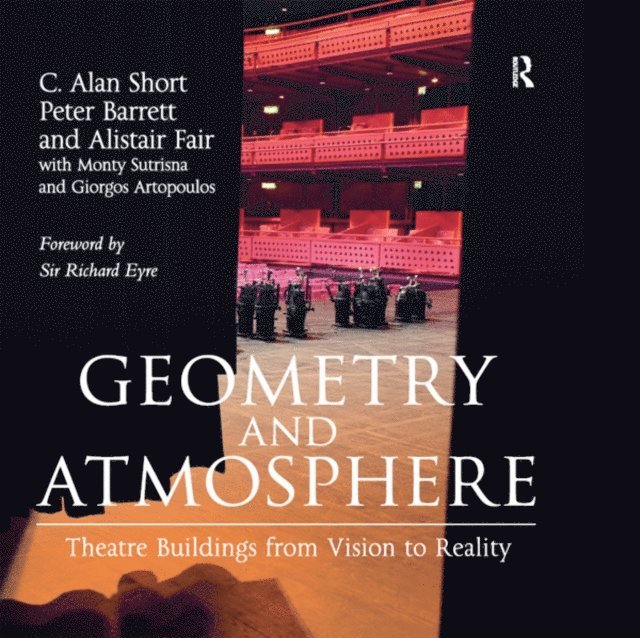
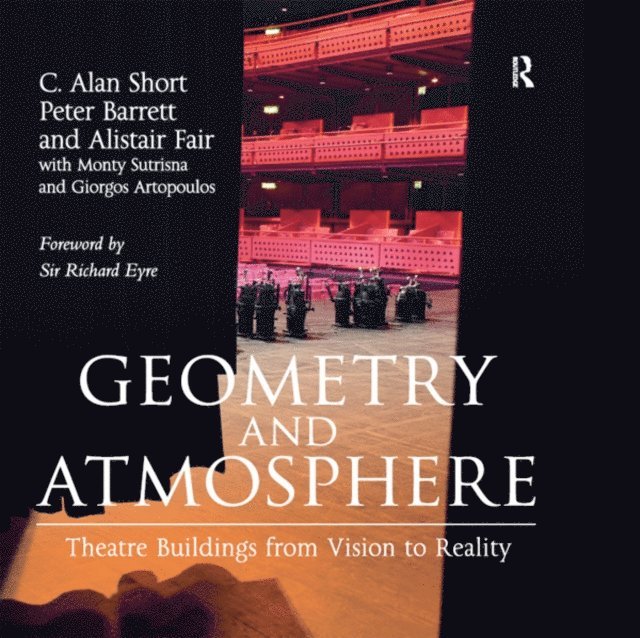
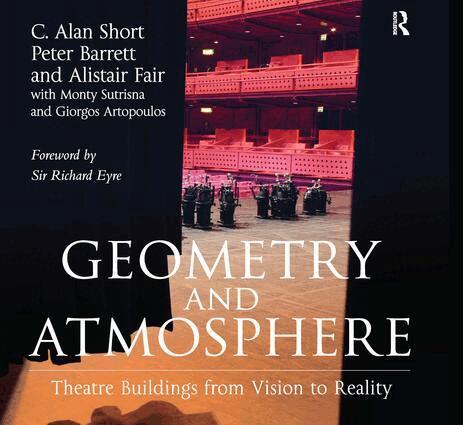
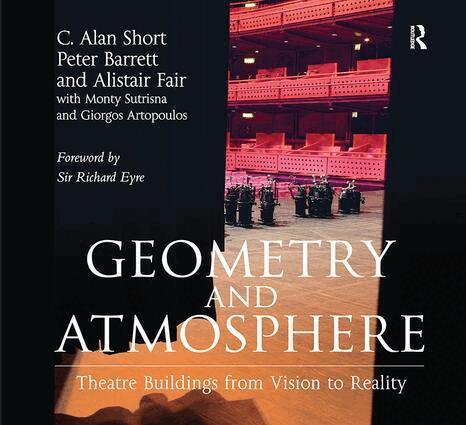
Drawing on detailed design, construction and financial histories of six prominent Performing Arts buildings with budgets ranging from £3.4 million to over £100 million, Geometry and Atmosphere presents unique and valuable insights into the complex process of building for the arts. Each theatre project, from tailor-made spaces for avant-garde companies to iconic and innovative receiving houses, yields surprising and counter-intuitive findings. For each of the six projects, the authors have interviewed all those involved. Combining these interviews with exhaustive archival research, the authors then provide cross-case analysis which is distilled into guidance for all stakeholders as they transform their initial vision into built reality. In particular, the book challenges the technical focus of existing design guides for the Performing Arts by suggesting that current practice in briefing and design does not serve the Arts community especially well. It shows that there is a need for an approach in which the focus is firmly rooted in the delivery of the driving artistic vision. As well as being of interest to architects, urban designers and those involved in theatre studies, this book will be useful to other sectors where public money is spent on major building projects.
696 kr
Skickas inom 10-15 vardagar
Drawing on detailed design, construction and financial histories of six prominent Performing Arts buildings with budgets ranging from £3.4 million to over £100 million, Geometry and Atmosphere presents unique and valuable insights into the complex process of building for the arts. Each theatre project, from tailor-made spaces for avant-garde companies to iconic and innovative receiving houses, yields surprising and counter-intuitive findings. For each of the six projects, the authors have interviewed all those involved. Combining these interviews with exhaustive archival research, the authors then provide cross-case analysis which is distilled into guidance for all stakeholders as they transform their initial vision into built reality. In particular, the book challenges the technical focus of existing design guides for the Performing Arts by suggesting that current practice in briefing and design does not serve the Arts community especially well. It shows that there is a need for an approach in which the focus is firmly rooted in the delivery of the driving artistic vision. As well as being of interest to architects, urban designers and those involved in theatre studies, this book will be useful to other sectors where public money is spent on major building projects.
724 kr
Skickas inom 10-15 vardagar
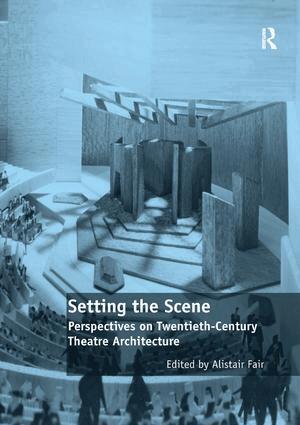
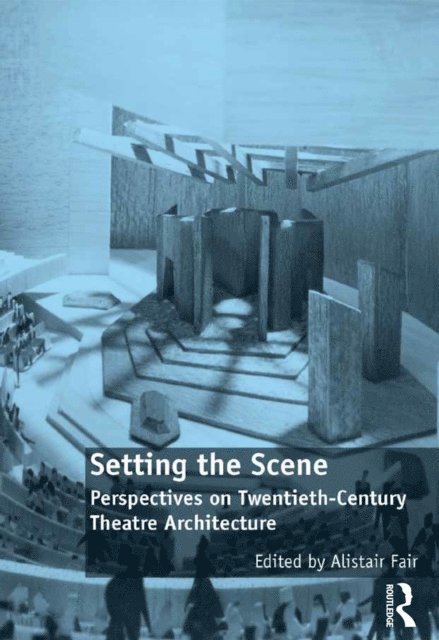
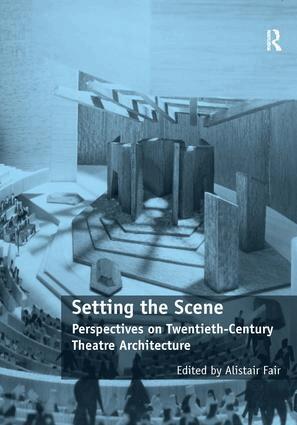
During the twentieth century, an increasingly diverse range of buildings and spaces was used for theatre. Theatre architecture was re-formed by new approaches to staging and performance, while theatre was often thought to have a reforming role in society. Innovation was accompanied by the revival and reinterpretation of older ideas. The contributors to this volume explore these ideas in a variety of contexts, from detailed discussions of key architects’ work (including Denys Lasdun, Peter Moro, Cedric Price and Heinrich Tessenow) to broader surveys of theatre in West Germany and Japan. Other contributions examine the Malmö Stadsteater, ’ideal’ theatres in post-war North America, ’found space’ in 1960s New York, and Postmodernity in 1980s East Germany. Together these essays shed new light on this complex building type and also contribute to the wider architectural history of the twentieth century.
Building Modern Scotland
A Social and Architectural History of the New Towns, 1947–1997
Inbunden, Engelska, 2025
1 167 kr
Skickas inom 7-10 vardagar
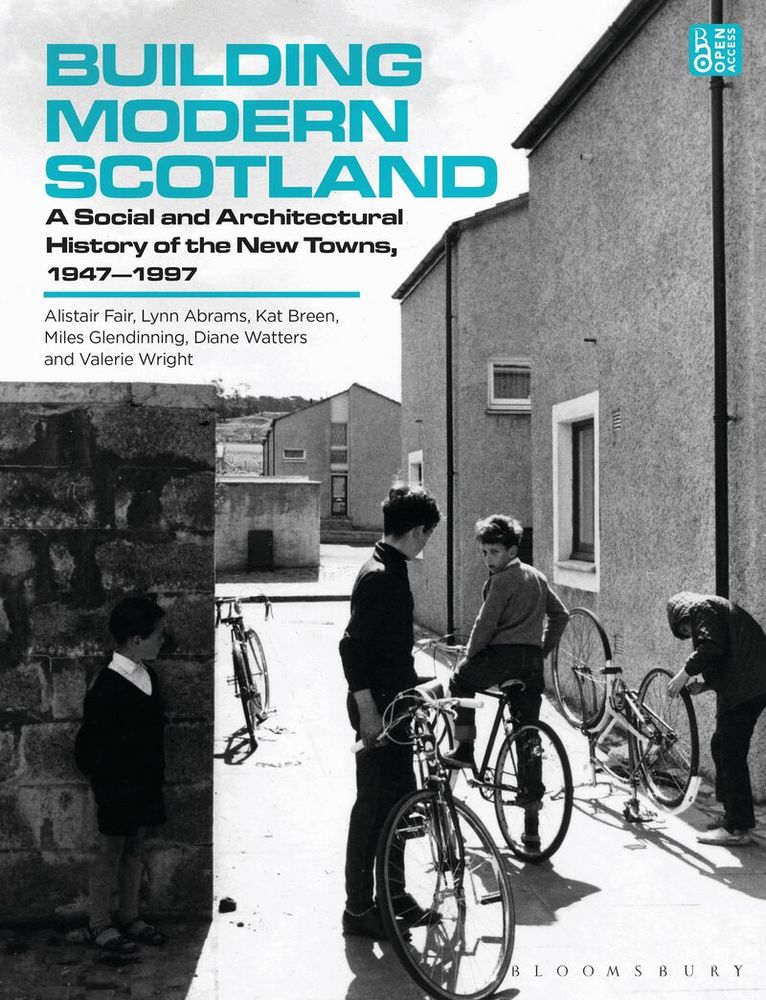
Combining architectural and social history, this open access book tells for the first time the in-depth story of Scotland’s new towns.One of the most significant episodes in modern architectural, urban and social history, Scotland’s postwar new towns offered new housing, new ways of life and new jobs. Begun between the late 1940s and the late 1960s, the new towns – East Kilbride, Glenrothes, Cumbernauld, Livingston and Irvine – were a key element of the planned Welfare State, attracting international attention and widespread publicity. These were places of architectural innovation, and economic and social change.Building Modern Scotland tells a new history of the new towns, combining architectural and social history to illustrate what was planned, what was built, and how these places were experienced by the communities who lived and worked in them. It positions the new towns at the heart of modern Scottish history, showing how they represented an ambition to make a modern, transformed nation. The book surveys each new town’s planning and design before turning to key topics such as housing, family life, work and opportunity, and community. Drawing on archives and oral history, the book will appeal to historians of modern architecture and design as well as readers interested in modern social history. It provides a new account of modern Scotland, its buildings, places and people, and argues that a better understanding of the new towns’ history and value should inform present-day decision-making.The ebook editions of this book are available open access under a CC BY-NC-ND 4.0 licence on bloomsburycollections.com. Open access was funded by the Leverhulme Trust.
Building Modern Scotland
A Social and Architectural History of the New Towns, 1947–1997
Häftad, Engelska, 2026
348 kr
Skickas inom 7-10 vardagar
Combining architectural and social history, this open access book tells for the first time the in-depth story of Scotland’s new towns.One of the most significant episodes in modern architectural, urban and social history, Scotland’s postwar new towns offered new housing, new ways of life and new jobs. Begun between the late 1940s and the late 1960s, the new towns – East Kilbride, Glenrothes, Cumbernauld, Livingston and Irvine – were a key element of the planned Welfare State, attracting international attention and widespread publicity. These were places of architectural innovation, and economic and social change.Building Modern Scotland tells a new history of the new towns, combining architectural and social history to illustrate what was planned, what was built, and how these places were experienced by the communities who lived and worked in them. It positions the new towns at the heart of modern Scottish history, showing how they represented an ambition to make a modern, transformed nation. The book surveys each new town’s planning and design before turning to key topics such as housing, family life, work and opportunity, and community. Drawing on archives and oral history, the book will appeal to historians of modern architecture and design as well as readers interested in modern social history. It provides a new account of modern Scotland, its buildings, places and people, and argues that a better understanding of the new towns’ history and value should inform present-day decision-making.The ebook editions of this book are available open access under a CC BY-NC-ND 4.0 licence on bloomsburycollections.com. Open access was funded by the Leverhulme Trust.
2 166 kr
Skickas inom 10-15 vardagar
During the twentieth century, an increasingly diverse range of buildings and spaces was used for theatre. Theatre architecture was re-formed by new approaches to staging and performance, while theatre was often thought to have a reforming role in society. Innovation was accompanied by the revival and reinterpretation of older ideas. The contributors to this volume explore these ideas in a variety of contexts, from detailed discussions of key architects’ work (including Denys Lasdun, Peter Moro, Cedric Price and Heinrich Tessenow) to broader surveys of theatre in West Germany and Japan. Other contributions examine the Malmö Stadsteater, ’ideal’ theatres in post-war North America, ’found space’ in 1960s New York, and Postmodernity in 1980s East Germany. Together these essays shed new light on this complex building type and also contribute to the wider architectural history of the twentieth century.
492 kr
Skickas inom 7-10 vardagar
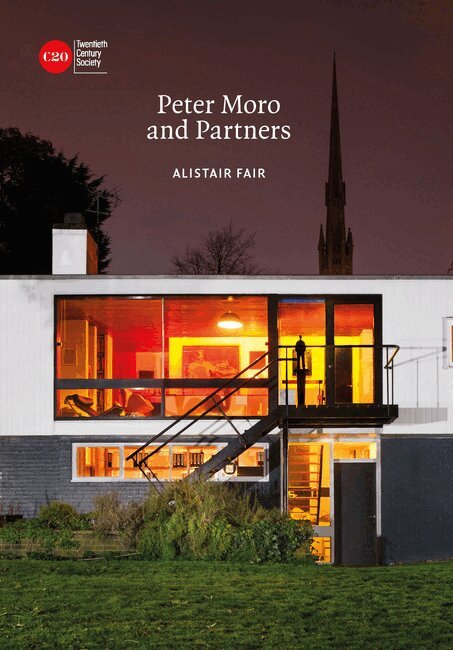
Peter Moro is the forgotten co-designer of the Royal Festival Hall. A German émigré who had worked with Berthold Lubetkin’s famed practice, Tecton, in the 1930s, Moro was drafted in to help realise the Festival Hall in just two short years, in time for the Festival of Britain in 1951. With a team of his former students, he created many of the interiors we see today. For Moro, the Festival Hall was a stepping-stone to a career designing many of Britain’s finest post-war theatres, particularly Nottingham Playhouse, Plymouth Theatre Royal, and the renovated Bristol Old Vic. He and his colleagues also designed some exceptional one-off houses, as well as exhibitions, university buildings, schools, and council housing, collaborating with leading talents such as the designer Robin Day. Based on detailed archival research and with stunning new photography, this is the first book devoted to the work of Peter Moro and his colleagues in architectural practice. Ranging from the 1930s to the 1980s, it explores Moro’s belief in a rigorous modern architecture which was both functionally sound and aesthetically rich. It sheds new light on this important body of work, and enriches our understanding of the experience and diversity of modernism in Britain.
673 kr
Tillfälligt slut
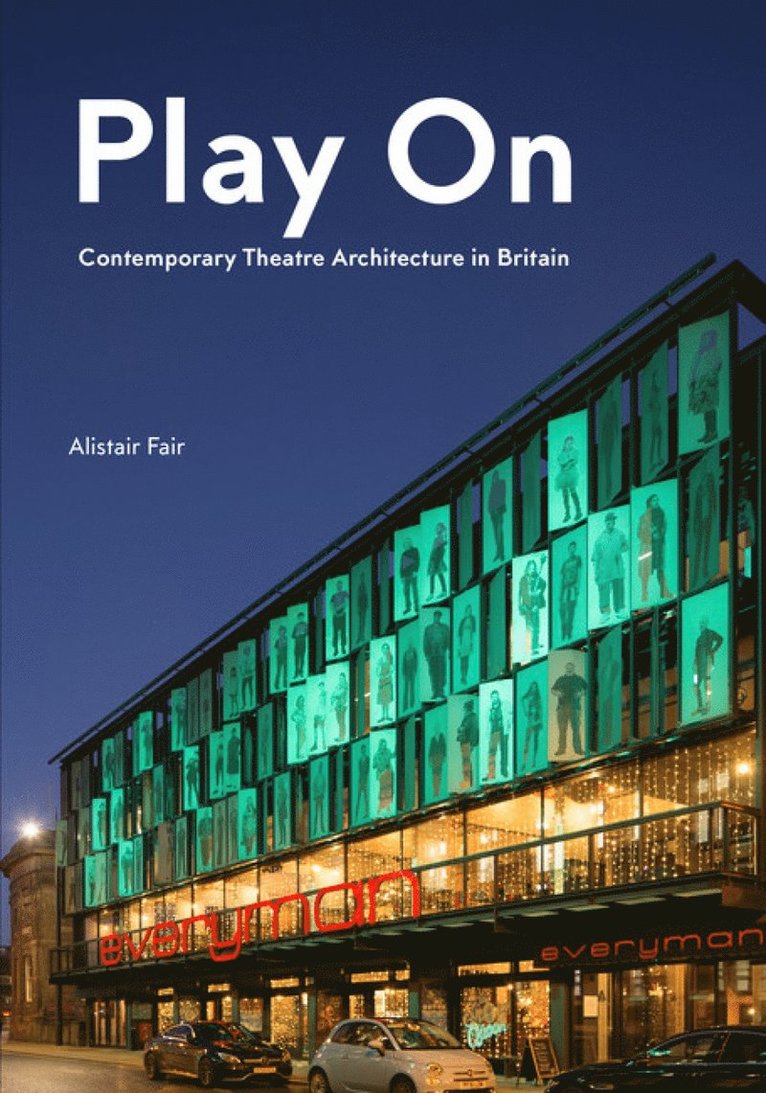
This book documents and celebrates Britain’s contemporary theatre architecture. It is about the conception, design, and delivery of spaces for drama between c. 2008 and 2018, a period of economic recession and financial austerity which has nonetheless seen a significant number of well received theatre-building projects.Intended not only for theatre enthusiasts but also individuals and organisations who may be contemplating a capital project of their own, Play On provides detailed ‘contemporary histories’ of ten recent projects. It includes new theatres, like Liverpool’s prize-winning Everyman Theatre and Cast in Doncaster, as well as major refurbishment and restoration schemes such as the National Theatre in London and the Citizens Theatre, Glasgow. Architects whose work is discussed include Haworth Tompkins, Aedas Arts Team, Bennetts Associates, Richard Murphy Architects, and Page\Park. An extended introductory section sets the case studies in their historical and contemporary contexts, and draws out key themes, including sustainability, accessibility, and the need for theatres to be efficient yet welcoming ‘public’ spaces.