Alistair Welchman - Böcker
Visar alla böcker från författaren Alistair Welchman. Handla med fri frakt och snabb leverans.
6 produkter
6 produkter
2 616 kr
Skickas inom 10-15 vardagar
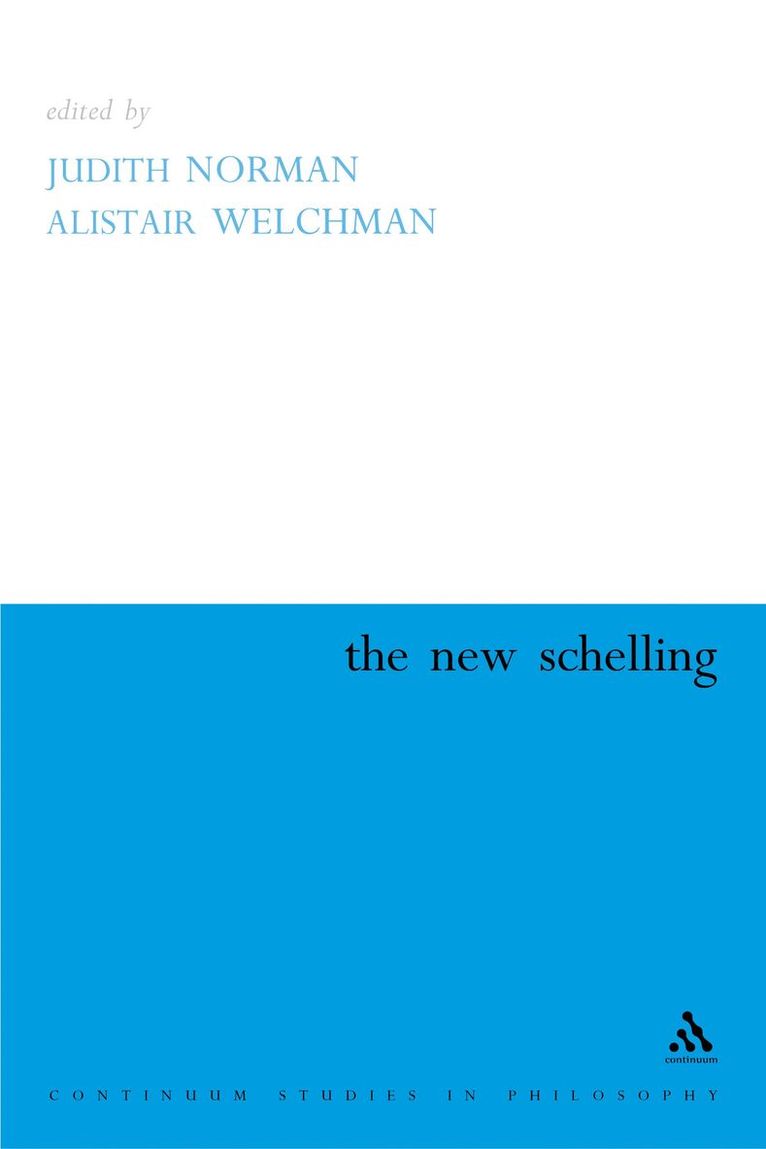
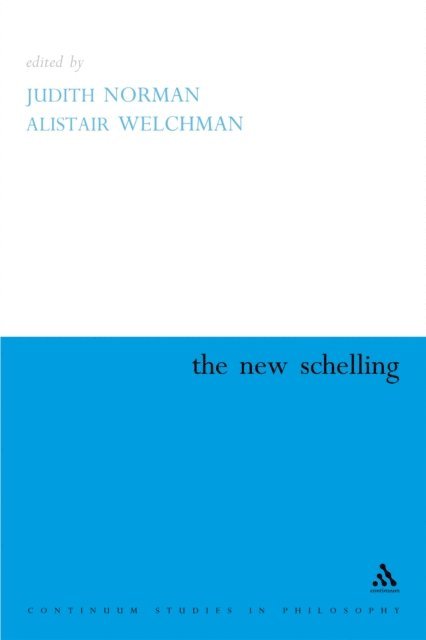
Friedrich Wilhelm Joseph Von Schelling (1775GCo1854) was a colleague of Hegel, Holderlin, Fichte, Goethe, Schlegel, and Schiller. Always a champion of Romanticism, Schelling advocated a philosophy which emphasized intuition over reason, which maintained aesthetics and the creative imagination to be of the highest value. At the same time, SchellingGCOs concerns for the self and the rational make him a major precursor to existentialism and phenomenology. The New Schelling brings together a wide-ranging set of essays which elaborate the connections between Schelling and other thinkersGCosuch as Marx, Nietzsche, Freud, Sartre, Deleuze, and LacanGCoand argue for the unexpected modernity of SchellingGCOs work. Contributors: Manfred Frank, J++rgen Habermas, Iain Hamilton Grant, Joseph Lawrence, Odo Marquand, Judith Norman, Alberto Toscano, Michael Vater, Alistair Welchman, Slavoj +a Zi+azek.
1 009 kr
Skickas inom 10-15 vardagar
Friedrich Wilhelm Joseph Von Schelling (1775-1854) was a colleague of Hegel, Holderlin, Fichte, Goethe, Schlegel, and Schiller. Always a champion of Romanticism, Schelling advocated a philosophy which emphasized intuition over reason, which maintained aesthetics and the creative imagination to be of the highest value. At the same time, Schellings concerns for the self and the rational make him a major precursor to existentialism and phenomenology. The New Schelling brings together a wide-ranging set of essays which elaborate the connections between Schelling and other thinkers such as Marx, Nietzsche, Freud, Sartre, Deleuze, and Lacan and argue for the unexpected modernity of Schellings work. Contributors: Manfred Frank, Jrgen Habermas, Iain Hamilton Grant, Joseph Lawrence, Odo Marquand, Judith Norman, Alberto Toscano, Michael Vater, Alistair Welchman, Slavoj azek.
1 034 kr
Skickas inom 7-10 vardagar
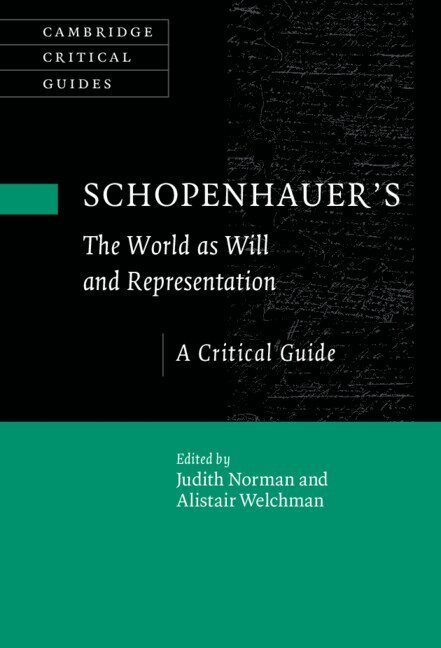
Schopenhauer's The World as Will and Representation is one of the central texts in the history of Western philosophy. It is one of the last monuments to the project of grand synthetic philosophical system-building, where a single, unified work could aim to clarify, resolve, and ground all the central questions of metaphysics, epistemology, ethics, religion, aesthetics and science. Poorly received at its initial publication, it soon became a powerful cultural force, inspiring not only philosophers but also artists, writers and musicians, and attracting a large popular audience of non-scholars. Perhaps equally importantly, Schopenhauer was one of the first European philosophers to take non-Western thought seriously and to treat it as a living tradition rather than as a mere object of study. This volume of new essays showcases the enormous variety of contemporary scholarship on this monumental text, as well as its enduring relevance.
363 kr
Skickas inom 7-10 vardagar
Schopenhauer's The World as Will and Representation is one of the central texts in the history of Western philosophy. It is one of the last monuments to the project of grand synthetic philosophical system-building, where a single, unified work could aim to clarify, resolve, and ground all the central questions of metaphysics, epistemology, ethics, religion, aesthetics and science. Poorly received at its initial publication, it soon became a powerful cultural force, inspiring not only philosophers but also artists, writers and musicians, and attracting a large popular audience of non-scholars. Perhaps equally importantly, Schopenhauer was one of the first European philosophers to take non-Western thought seriously and to treat it as a living tradition rather than as a mere object of study. This volume of new essays showcases the enormous variety of contemporary scholarship on this monumental text, as well as its enduring relevance.
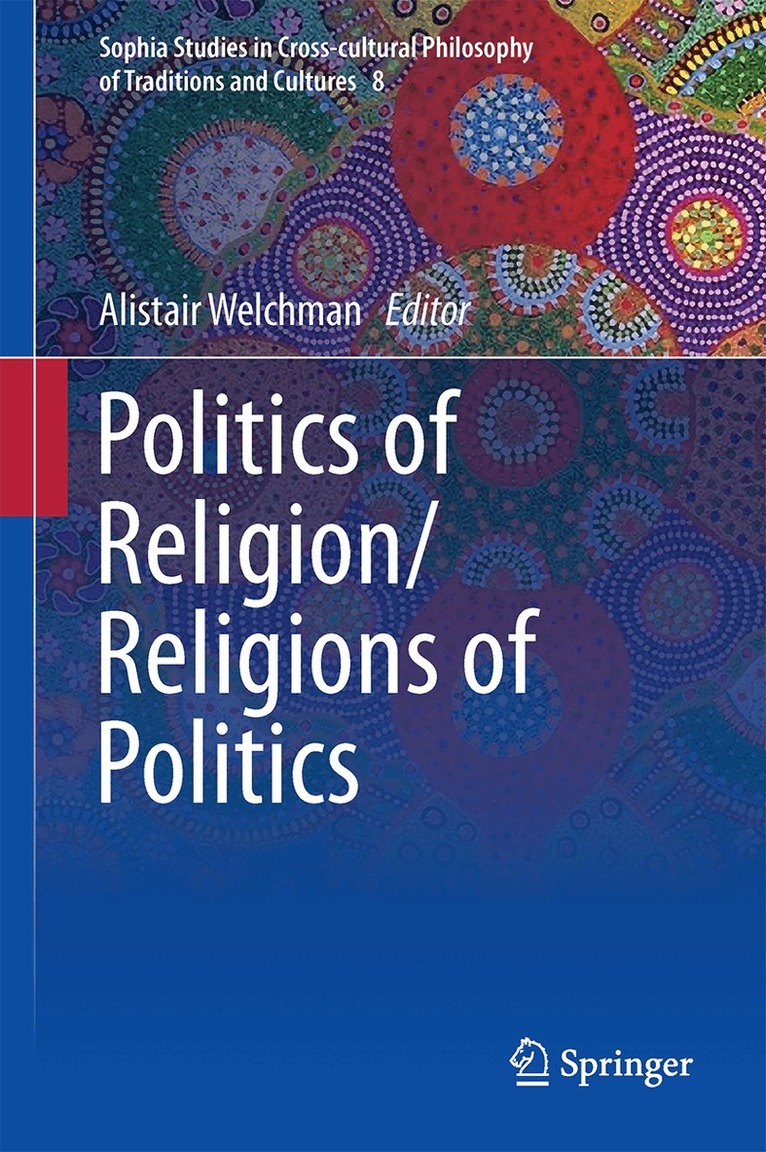
Del 8 - Sophia Studies in Cross-cultural Philosophy of Traditions and Cultures
Politics of Religion/Religions of Politics
Inbunden, Engelska, 2014
535 kr
Skickas inom 10-15 vardagar
The liberal enlightenment as well as the more radical left have both traditionally opposed religion as a reactionary force in politics, a view culminating in an identification of the politics of religion as fundamentalist theocracy. But recently a number of thinkers—Agamben, Badiou, Tabues and in particular Simon Critchley—have begun to explore a more productive engagement of the religious and the political in which religion features as a possible or even necessary form of human emancipation. The papers in this collection, deriving from a workshop held on and with Simon Critchley at the University of Texas at San Antonio in February 2010, take up the ways in which religion’s encounter with politics transforms not only politics but also religion itself, molding it into various religions of politics, including not just heretical religious metaphysics, but also what Critchley describes as non-metaphysical religion, the faith of the faithless. Starting from Critchley’s own genealogy ofPauline faith, the articles in this collection explore and defend some of the religions of politics and their implications. Costica Bradatan teases out the implications of Critchley’s substitution of humor for tragedy as the vehicle for the minimal self-distancing required for any politics. Jill Stauffer compares Critchley’s non-metaphysical religiosity with Charles Taylor’s account of Christianity. Alistair Welchman unpacks the political theology of the border in terms of god’s timeless act of creation. Anne O’Byrne explores the subtle dialectic between mores and morality in Rousseau’s political ethics. Roland Champagne sees a kind non-metaphysical religion in Arendt’s category of the political pariah. Davide Panagia presents Critchley’s ethics of exposure as the basis for a non-metaphysical political bond. Philip Quadrio wonders about the political ramifications of Critchley’s own ‘mystical anarchism’ and Tina Chanter re-reads the primal site in the Western tradition at which the political and the religious intersect, the Antigone story, side-stepping philosophical interpretations of the story (dominated by Hegel’s reading) by means of a series of post-colonial re-imaginings of the play. The collection concludes with an interview with Simon Critchley taking up the themes of the workshop in the light of more recent political events: the Arab Spring and the rise and fall of the Occupy movement.

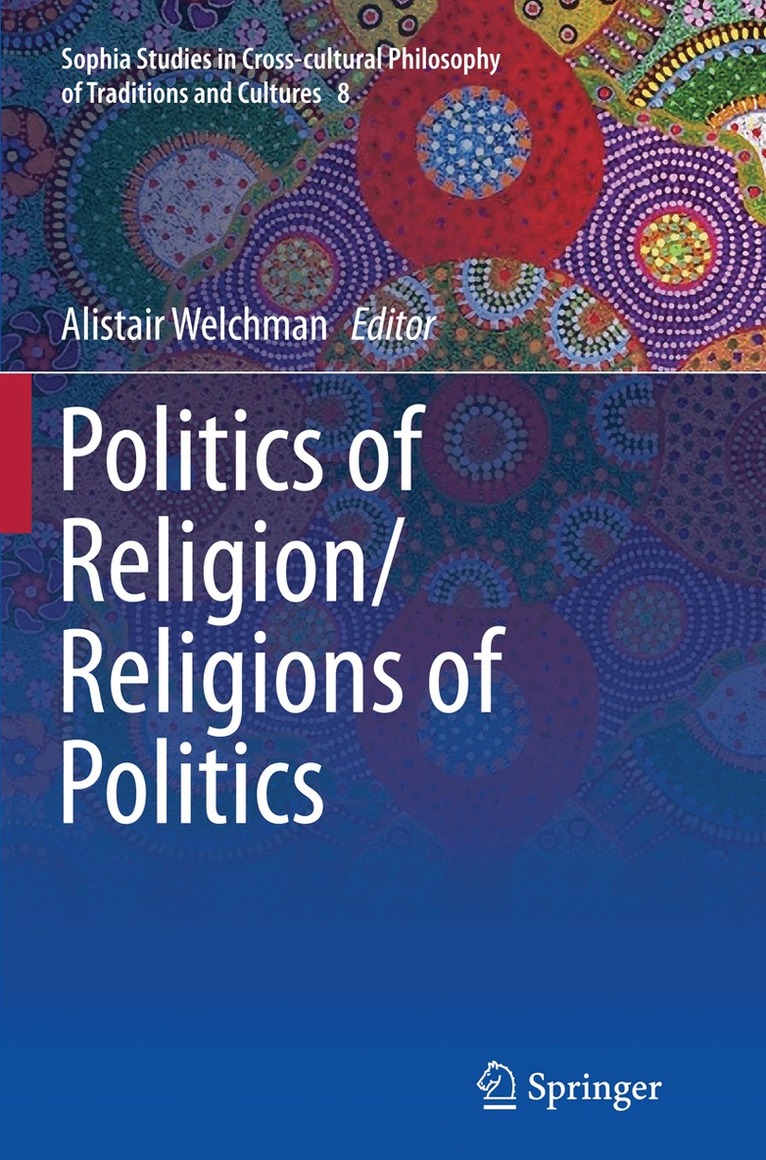
Del 8 - Sophia Studies in Cross-cultural Philosophy of Traditions and Cultures
Politics of Religion/Religions of Politics
Häftad, Engelska, 2016
535 kr
Skickas inom 10-15 vardagar
The liberal enlightenment as well as the more radical left have both traditionally opposed religion as a reactionary force in politics, a view culminating in an identification of the politics of religion as fundamentalist theocracy. But recently a number of thinkers—Agamben, Badiou, Tabues and in particular Simon Critchley—have begun to explore a more productive engagement of the religious and the political in which religion features as a possible or even necessary form of human emancipation. The papers in this collection, deriving from a workshop held on and with Simon Critchley at the University of Texas at San Antonio in February 2010, take up the ways in which religion’s encounter with politics transforms not only politics but also religion itself, molding it into various religions of politics, including not just heretical religious metaphysics, but also what Critchley describes as non-metaphysical religion, the faith of the faithless. Starting from Critchley’s own genealogy ofPauline faith, the articles in this collection explore and defend some of the religions of politics and their implications. Costica Bradatan teases out the implications of Critchley’s substitution of humor for tragedy as the vehicle for the minimal self-distancing required for any politics. Jill Stauffer compares Critchley’s non-metaphysical religiosity with Charles Taylor’s account of Christianity. Alistair Welchman unpacks the political theology of the border in terms of god’s timeless act of creation. Anne O’Byrne explores the subtle dialectic between mores and morality in Rousseau’s political ethics. Roland Champagne sees a kind non-metaphysical religion in Arendt’s category of the political pariah. Davide Panagia presents Critchley’s ethics of exposure as the basis for a non-metaphysical political bond. Philip Quadrio wonders about the political ramifications of Critchley’s own ‘mystical anarchism’ and Tina Chanter re-reads the primal site in the Western tradition at which the political and the religious intersect, the Antigone story, side-stepping philosophical interpretations of the story (dominated by Hegel’s reading) by means of a series of post-colonial re-imaginings of the play. The collection concludes with an interview with Simon Critchley taking up the themes of the workshop in the light of more recent political events: the Arab Spring and the rise and fall of the Occupy movement.