Allen Eyles - Böcker
Visar alla böcker från författaren Allen Eyles. Handla med fri frakt och snabb leverans.
2 produkter
2 produkter
86 kr
Skickas inom 10-15 vardagar
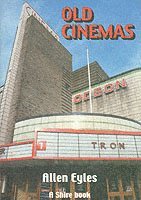
No building type arouses more nostalgic affection than the traditional high street cinema, not only because of the impression made by the films on the screen and the havent if offered to courting couples, but also because of its own special atomosphere of expectations, relaxation and escape, usually enhanced by the decorative surroundings. Many picture huses were unremarkable, and some had decline to uncomfortable 'fleapits' but the cinema inspired architects and designers to create some of the most extravagant and some of the most avant-garde buildings erected in the twentieth century. Around 160 surviving English examples have become listed buildings. This book examines the rise and fall of the picture house in Britain before the advent of the dreary and unadventurous multiplex.
404 kr
Skickas inom 7-10 vardagar
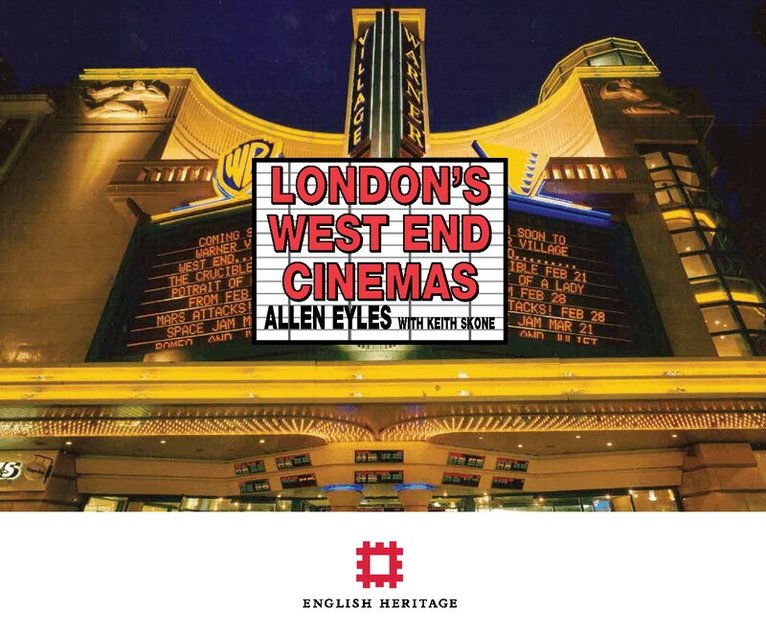
The history of London’s West End cinemas dates back more than one hundred years. This book details all of them, in chronological order, totalling well over one hundred. The best of the West End’s cinemas were outfitted to a very high standard to match their role as showcases for new films, hosting press shows and premieres, as well as a being a magnet for film enthusiasts anxious to see films on exclusive premiere runs. Even now, when films are available everywhere at the same time, the West End’s cinemas are a vibrant attraction to visitors from all over the world as well as for Londoners having a night on the town. The oldest survivor is the Cineworld Haymarket, dating back to 1928 as a cinema. Other famous cinemas with a long history include the landmark Odeon Leicester Square and nearby Odeon West End as well as the Curzons in Mayfair and Soho, both replacing earlier picture houses. Many cinemas survive in other uses, such as the Rialto as a casino and the New Victoria as the Apollo Victoria live theatre. But here also are dozen of long vanished cinemas, some lasting only a few years and forgotten, others like the original Empire (1928 to 1961) – the largest cinema ever built in the West End – still living on in fond memory. There are interior views as well as exteriors of most of the cinemas, and over 50 illustrations are in full colour. This is a valuable and comprehensive addition to the history of the West End that will appeal to cinema enthusiasts as well as social historians and students of London and of architecture and design.