Allen Schick - Böcker
Visar alla böcker från författaren Allen Schick. Handla med fri frakt och snabb leverans.
5 produkter
5 produkter
741 kr
Skickas inom 7-10 vardagar
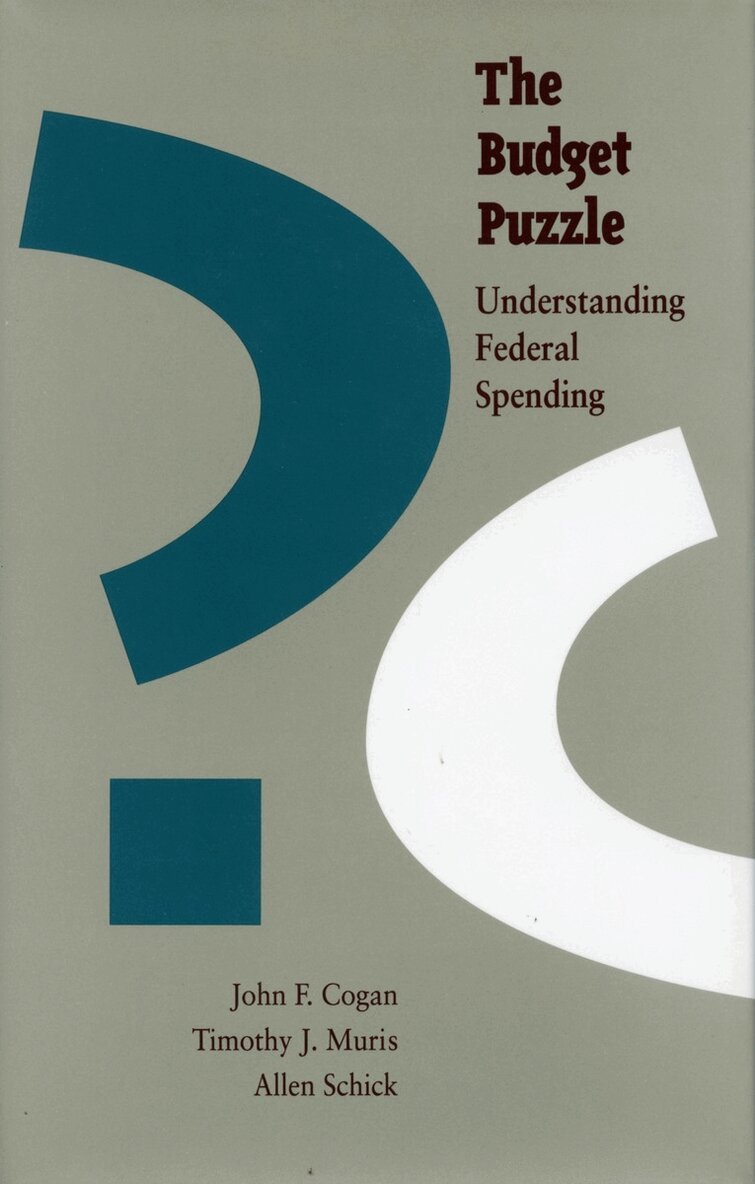
In the United States, the size and composition of the federal budget is arguably the most important single issue of the 1990's, yet most debates and commentaries on the subject are largely uninformed. Virtually no one - whether government official, member of Congress, journalist, or taxpayer - seems to understand how the budget is put together and what it means. This is hardly surprising, since the budget has become extraordinarily complicated. The structure of the budget reform act of 1911 has been maintained, with the changes of additional reforms (1974, 1986, and 1990) piled on top of it, while virtually nothing has been discarded. Most people are distressed at the enormous size of the federal deficit and perplexed because highly touted plans and agreements to bring the deficit down result in an even higher deficit. Why does this happen? Why is there a growing deficit amid cries of underfunding? Why is there general agreement on a format that has proved so misleading? This book comprises a series of essays about the federal budget - how and why it has grown so large, why most "deficit-reduction" measures are either shams or predestined to fail, and why understanding budget issues is so difficult. The authors offer a new perspective, a microbudgeting approach, which requires examining in detail how the federal government makes its budget decisions. Macrobudgeting, which is concerned with totals rather than parts, has prevailed for more than a generation in both Democratic and Republican administrations; the deficit-reduction drives of the 1980's, for example, failed because the parts added up to more than the targeted totals. By contrast, microbudgeting breaks the budget down into its basic elements, carefully reviews the assumptions underlying each program or account, and critically examines the methods by which savings are computed. Using this approach, the authors demonstrate that it is possible to understand the budget process and to make informed decisions on issues of public policy. Individual essays focus on such topics as: the changing Congressional budget processes that have been critically important in contributing to the federal budget deficits that have persisted since World War II; the origins, uses, and abuses of budget baselines; and the myth of the budget reductions of the Reagan presidency.
274 kr
Skickas inom 10-15 vardagar
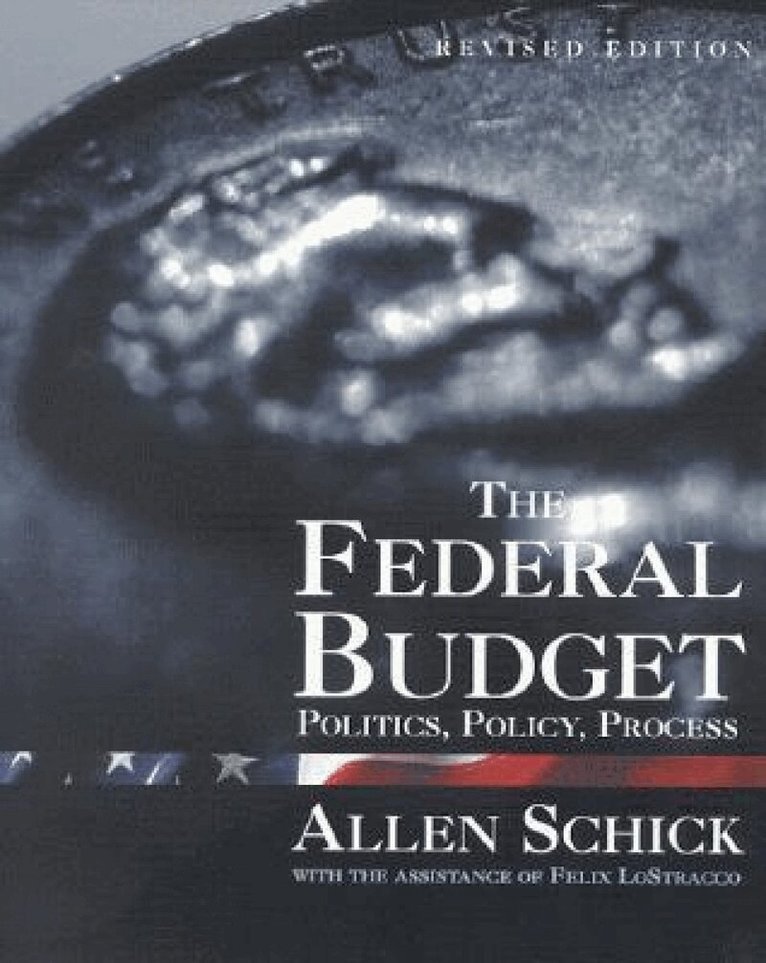
The U.S. government takes in and spends almost $2 trillion annually, and setting the budget that guides federal spending is an enormously complex undertaking. The federal budget entails the active participation of the president, key advisers, and many members of Congress, the efforts of thousands of staff in the executive and legislative branches, and the attention of numerous interest groups. It consists of thousands of big and small decisions, complicated rules and procedures, and debate over the composition and amount of public revenue and spending. With so much at stake, it is not surprising that budgeting is often a difficult, conflict-laden process. As big as the budget is, there is never enough money to satisfy all demands. As the budget has grown and become more prominent in U.S. political and economic life, the scope for conflict has expanded. In some years the budget is the centerpiece of the president's agenda as well as the vehicle for enacting much of Congress's legislative output. This revised and significantly expanded edition of The Federal Budget concerns the politics and processes of federal budgeting and the policies that emerge from them. It describes how budgeting works at each stage of executive and legislative actionfrom preparation of the president's budget through the appropriation and expenditure of fundsand assesses the impact of budget rules on policy decisions. It explains how the budget was transformed from deficit to surplus over the past five years and discusses various proposals to change the rules. It analyzes the changes in the appropriations process, friction between the president and Congress, and the reliance on omnibus legislation to resolve budget impasses. In addition to vital statistics and extracts from important documents, the book also features case studies that dramatize contemporary budgetary politics, providing readers with a ""you are there"" appreciation of how budgeting decisions are made in Washington.
354 kr
Skickas inom 10-15 vardagar
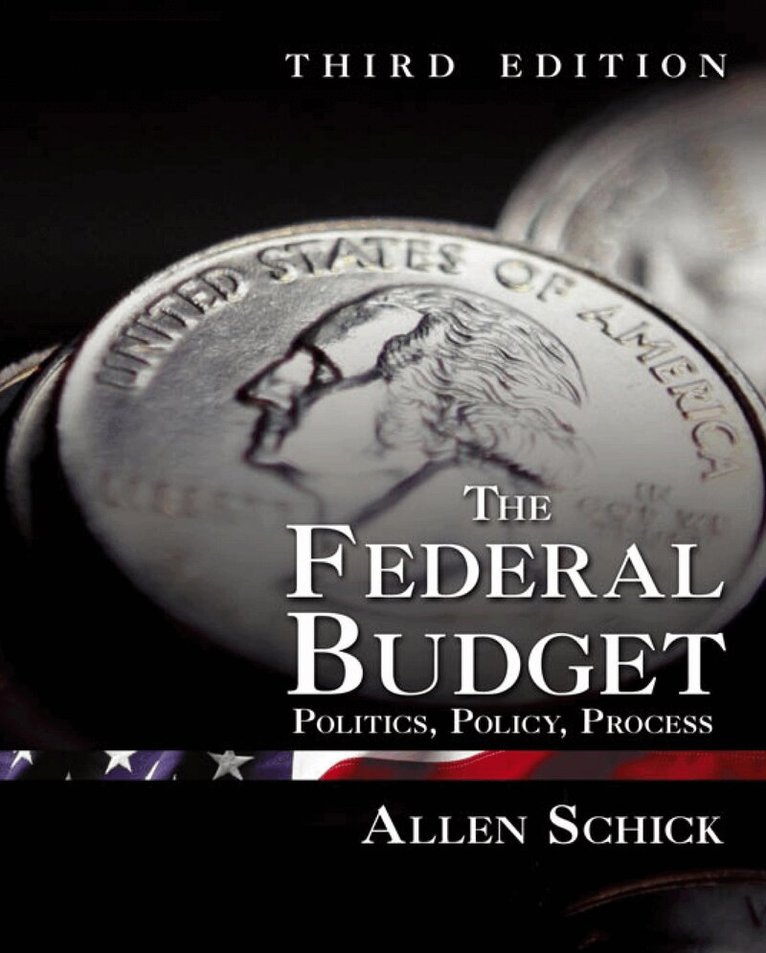
The federal budget impacts American policies both at home and abroad, and recent concern over the exploding budgetary deficit has experts calling our nation's policies ""unsustainable"" and ""system-dooming."" As the deficit continues to grow, will America be fully able to fund its priorities, such as an effective military and looking after its aging population? In this third edition of his classic book The Federal Budget, Allen Schick examines how surpluses projected during the final years of the Clinton presidency turned into oversized deficits under George W. Bush. In his detailed analysis of the politics and practices surrounding the federal budget, Schick addresses issues such as the collapse of the congressional budgetary process and the threat posed by the termination of discretionary spending caps. This edition updates and expands his assessment of the long-term budgetary outlook, and it concludes with a look at how the nation's deficit will affect America now and in the future. ""A clear explanation of the federal budget... [Allen Schick] has captured the politics of federal budgeting from the original lofty goals to the stark realities of today.""Pete V. Domenici, U.S. Senate
263 kr
Skickas inom 3-6 vardagar
260 kr
Tillfälligt slut
Regeringen styr riket, slår regeringsformen fast i sitt första kapitel. Den svenska modellen med ett mycket litet regeringskansli och en långt driven självständighet för myndigheterna är i internationell jämförelse en extrem lösning. Ett antal förändringar under den senare delen av 1900-talet större och mer komplex offentlig sektor, fler myndigheter, kännbara budgetrestriktioner och EU-medlemskap gör det motiverat att fråga om regeringskansliet kan lösa den uppgift som grundlagen föreskriver. I många länder utvecklas styrning via myndigheter. Skillnaden är att regeringens politiska ansvar för styrningen av statsförvaltningen är väsentligt klarare definierat än i Sverige. Framför allt regeringen Blairs utveckling av den brittiska statsförvaltningen framstår som en modell att studera. Huvudslutsatsen som dras i rapporten är att regeringen måste ta ett tydligare politiskt-strategiskt ansvar för styrningen av statsförvaltningen. Inga författningsändringar krävs en förskjutning av politikens fokus och en omdisponering av administrativa resurser är tillräckliga. Regeringskansliet behöver förstärkas för att få den numerär, kompetens och auktoritet som krävs för uppgiften. Per Molander är tekn dr och var 1997-2002 forskningsledare vid SNS, tidigare huvudman vid finansdepartementets budgetavdelning, Jan-Eric Nilsson är forskningschef vid Väg- och trafikinstitutet och Allen Schick är professor i offentlig förvaltning vid University of Maryland och författare till ett flertal böcker om förvaltningsreformer i OECD-länderna.