Allison Bailey - Böcker
Visar alla böcker från författaren Allison Bailey. Handla med fri frakt och snabb leverans.
4 produkter
4 produkter
2 179 kr
Skickas inom 10-15 vardagar
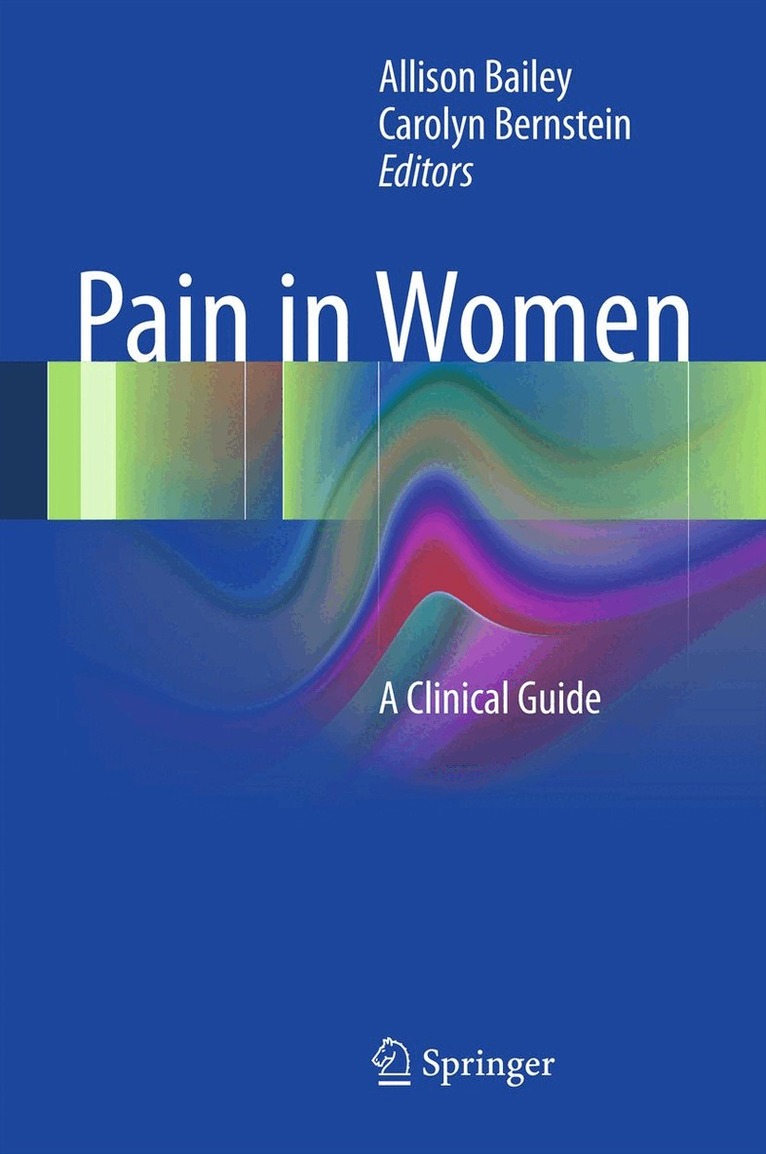
Pain is a complex experience, influenced by many variables. There is currently growing interest in the influence of sex and gender on the experience of pain. The fact that there are sex differences in pain and analgesia is now a well-recognized phenomenon within the field of pain medicine. However, the specific mechanisms underlying these differences remain somewhat poorly understood. Traditionally, these sex differences in pain experience have been attributed largely to psychological, behavioral and socio-cultural variables - in particular, a perceived greater willingness on the part of women to report painful symptoms and seek medical attention. Although psychosocial factors do influence pain perception, there is now substantial evidence to support a strong role for hormonal factors mediating sex differences in pain modulation. In Pain in Women: A Clinical Guide, a renowned group of experts in pain medicine breaks new ground in the field by synthesizing and elucidating the range of biological and neurohormonal factors underlying these conditions and clarifying potential treatment options based on these factors. The initial section of this unique title introduces the topic of pain in women and its importance and then goes on to describe hormonal and myofascial considerations in this patient population. The second section addresses specific pain disorders common in women and the various treatment options for these, including rehabilitative and complementary and alternative medicine (CAM) treatments. The third and final section covers the specific populations of the pregnant/postpartum woman, issues related to breast cancer, the female athlete, menopausal considerations and the role of physical therapy in women’s health. Timely and state-of-the-art, Pain in Women: A Clinical Guide is an important new reference that fills a significant need in the developing area of pain medicine.
1 310 kr
Skickas inom 10-15 vardagar
Pain is a complex experience, influenced by many variables. There is currently growing interest in the influence of sex and gender on the experience of pain. The fact that there are sex differences in pain and analgesia is now a well-recognized phenomenon within the field of pain medicine. However, the specific mechanisms underlying these differences remain somewhat poorly understood. Traditionally, these sex differences in pain experience have been attributed largely to psychological, behavioral and socio-cultural variables - in particular, a perceived greater willingness on the part of women to report painful symptoms and seek medical attention. Although psychosocial factors do influence pain perception, there is now substantial evidence to support a strong role for hormonal factors mediating sex differences in pain modulation. In Pain in Women: A Clinical Guide, a renowned group of experts in pain medicine breaks new ground in the field by synthesizing and elucidating the range of biological and neurohormonal factors underlying these conditions and clarifying potential treatment options based on these factors. The initial section of this unique title introduces the topic of pain in women and its importance and then goes on to describe hormonal and myofascial considerations in this patient population. The second section addresses specific pain disorders common in women and the various treatment options for these, including rehabilitative and complementary and alternative medicine (CAM) treatments. The third and final section covers the specific populations of the pregnant/postpartum woman, issues related to breast cancer, the female athlete, menopausal considerations and the role of physical therapy in women’s health. Timely and state-of-the-art, Pain in Women: A Clinical Guide is an important new reference that fills a significant need in the developing area of pain medicine.
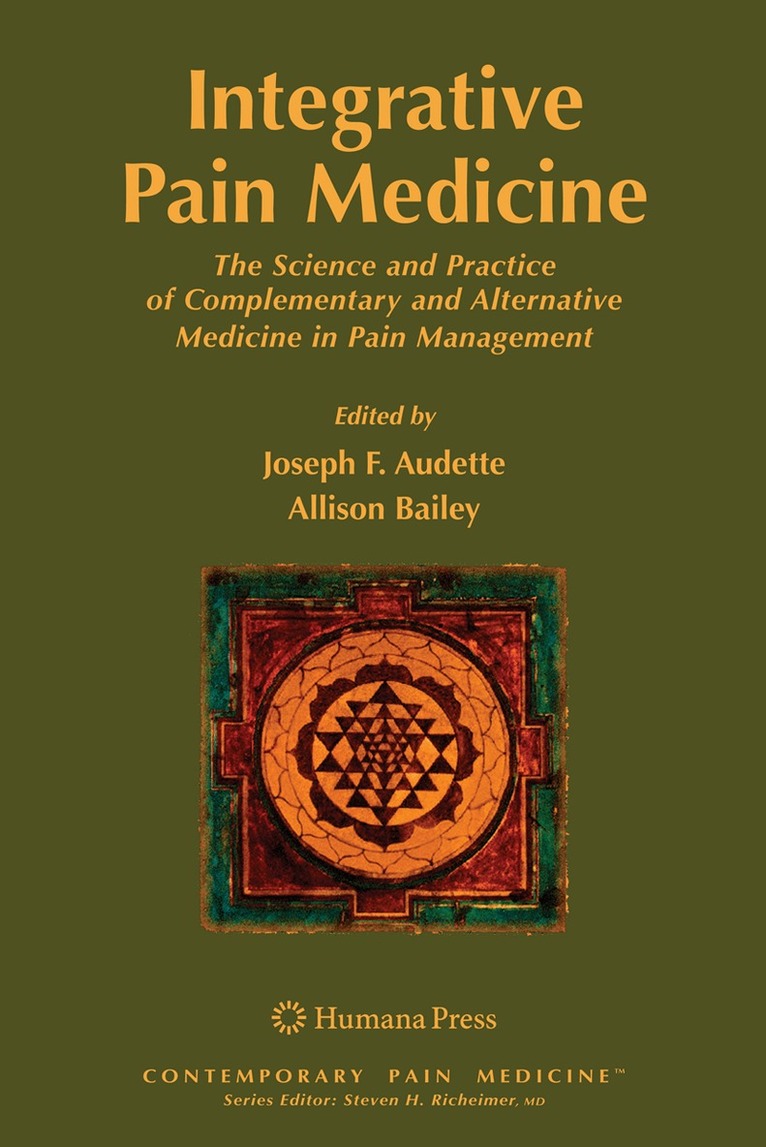
Integrative Pain Medicine
The Science and Practice of Complementary and Alternative Medicine in Pain Management
Inbunden, Engelska, 2008
2 179 kr
Skickas inom 10-15 vardagar
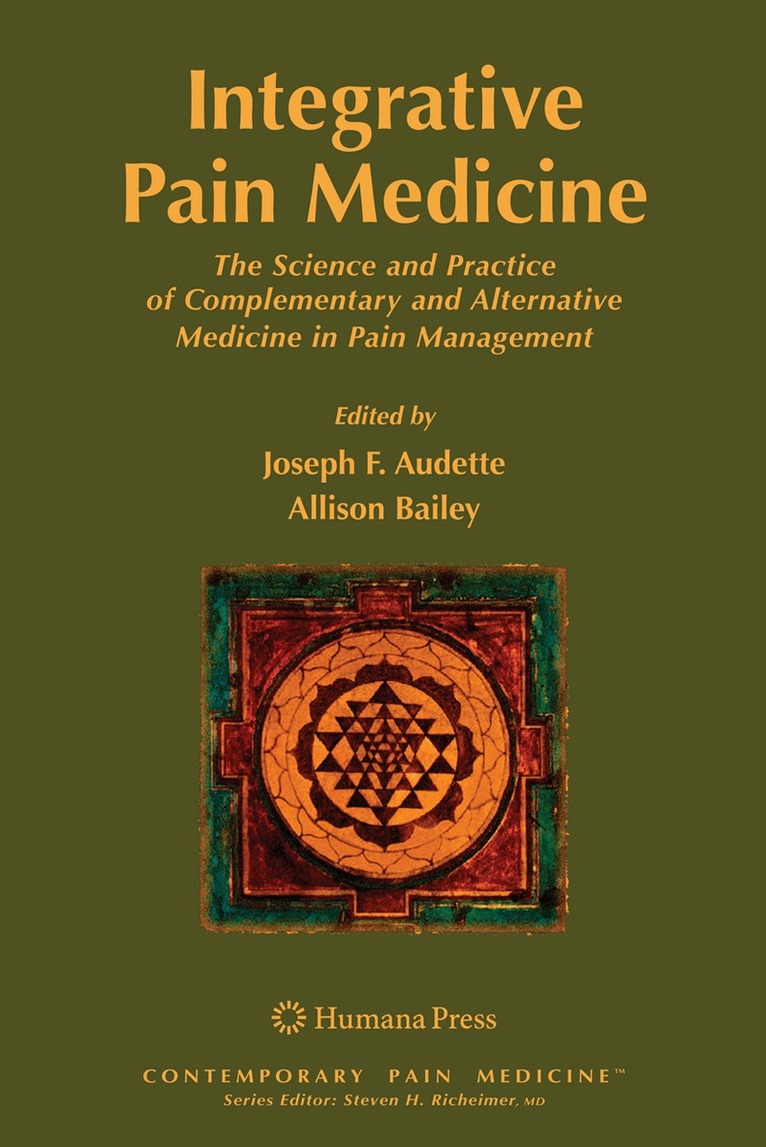
The field of Pain Medicine has evolved over the last 20 years to include an increasing array of sophisticated and technologically complex diagnostic and the- peutic procedures. Concurrent to this advancement has been the development of a battery of pharmacological options to treat pain, from extended-release formulations of analgesics to antidepressants and anticonvulsants designed to treat specific types of pain syndromes. Despite (and perhaps because of) this phenomenal growth, it is not uncommon for patients with persistent pain to find themselves having gone through a number of procedures and taking a growing list of medications without ever expe- encing true resolution of the condition or a return to a normal lifestyle and function. Inherent in this approach is the viewpoint that the clinician’s role is to do something to the patient that will reduce symptoms rather than to work in concert with the patient to either resolve the root causes or ameliorate the functional consequences of their pain condition. Although motivated by the desire to help, this model of pain management neglects individual choice and personal responsibility. This approach is of even greater concern in special populations such as the elderly.
Integrative Pain Medicine
The Science and Practice of Complementary and Alternative Medicine in Pain Management
Häftad, Engelska, 2011
2 179 kr
Skickas inom 10-15 vardagar
The field of Pain Medicine has evolved over the last 20 years to include an increasing array of sophisticated and technologically complex diagnostic and the- peutic procedures. Concurrent to this advancement has been the development of a battery of pharmacological options to treat pain, from extended-release formulations of analgesics to antidepressants and anticonvulsants designed to treat specific types of pain syndromes. Despite (and perhaps because of) this phenomenal growth, it is not uncommon for patients with persistent pain to find themselves having gone through a number of procedures and taking a growing list of medications without ever expe- encing true resolution of the condition or a return to a normal lifestyle and function. Inherent in this approach is the viewpoint that the clinician’s role is to do something to the patient that will reduce symptoms rather than to work in concert with the patient to either resolve the root causes or ameliorate the functional consequences of their pain condition. Although motivated by the desire to help, this model of pain management neglects individual choice and personal responsibility. This approach is of even greater concern in special populations such as the elderly.