Allyson Nadia Field - Böcker
Visar alla böcker från författaren Allyson Nadia Field. Handla med fri frakt och snabb leverans.
8 produkter
8 produkter
558 kr
Skickas inom 7-10 vardagar
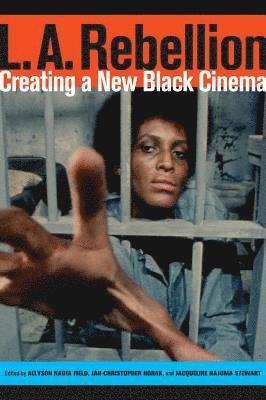
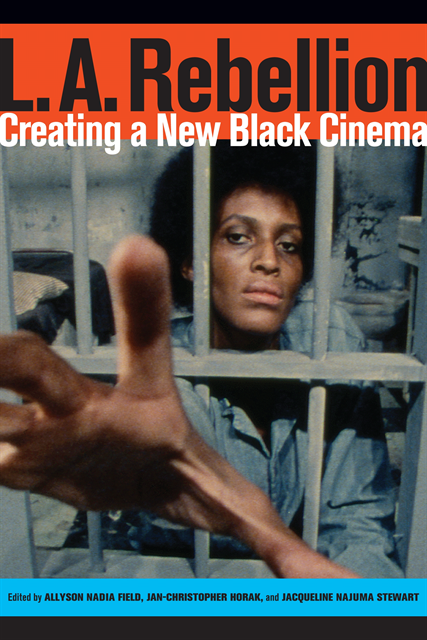
L. A. Rebellion: Creating a New Black Cinema is the first book dedicated to the films and filmmakers of the L. A. Rebellion, a group of African, Caribbean, and African American independent film and video artists that formed at the University of California, Los Angeles, in the 1970s and 1980s. The group-including Charles Burnett, Julie Dash, Haile Gerima, Billy Woodberry, Jamaa Fanaka, and Zeinabu irene Davis-shared a desire to create alternatives to the dominant modes of narrative, style, and practice in American cinema, works that reflected the full complexity of Black experiences. This landmark collection of essays and oral histories examines the creative output of the L. A. Rebellion, contextualizing the group's film practices and offering sustained analyses of the wide range of works, with particular attention to newly discovered films and lesser-known filmmakers. Based on extensive archival work and preservation, this collection includes a complete filmography of the movement, over 100 illustrations (most of which are previously unpublished), and a bibliography of primary and secondary materials.This is an indispensible source book for scholars and enthusiasts, establishing the key role played by the L. A. Rebellion within the histories of cinema, Black visual culture, and postwar art in Los Angeles.
282 kr
Skickas inom 7-10 vardagar
L. A. Rebellion: Creating a New Black Cinema is the first book dedicated to the films and filmmakers of the L. A. Rebellion, a group of African, Caribbean, and African American independent film and video artists that formed at the University of California, Los Angeles, in the 1970s and 1980s. The group-including Charles Burnett, Julie Dash, Haile Gerima, Billy Woodberry, Jamaa Fanaka, and Zeinabu irene Davis-shared a desire to create alternatives to the dominant modes of narrative, style, and practice in American cinema, works that reflected the full complexity of Black experiences. This landmark collection of essays and oral histories examines the creative output of the L. A. Rebellion, contextualizing the group's film practices and offering sustained analyses of the wide range of works, with particular attention to newly discovered films and lesser-known film-makers. Based on extensive archival work and preservation, this collection includes a complete filmography of the movement, over 100 illustrations (most of which are previously unpublished), and a bibliography of primary and secondary materials.This is an indispensible source book for scholars and enthusiasts, establishing the key role played by the L. A. Rebellion within the histories of cinema, Black visual culture, and postwar art in Los Angeles.
777 kr
Skickas inom 7-10 vardagar
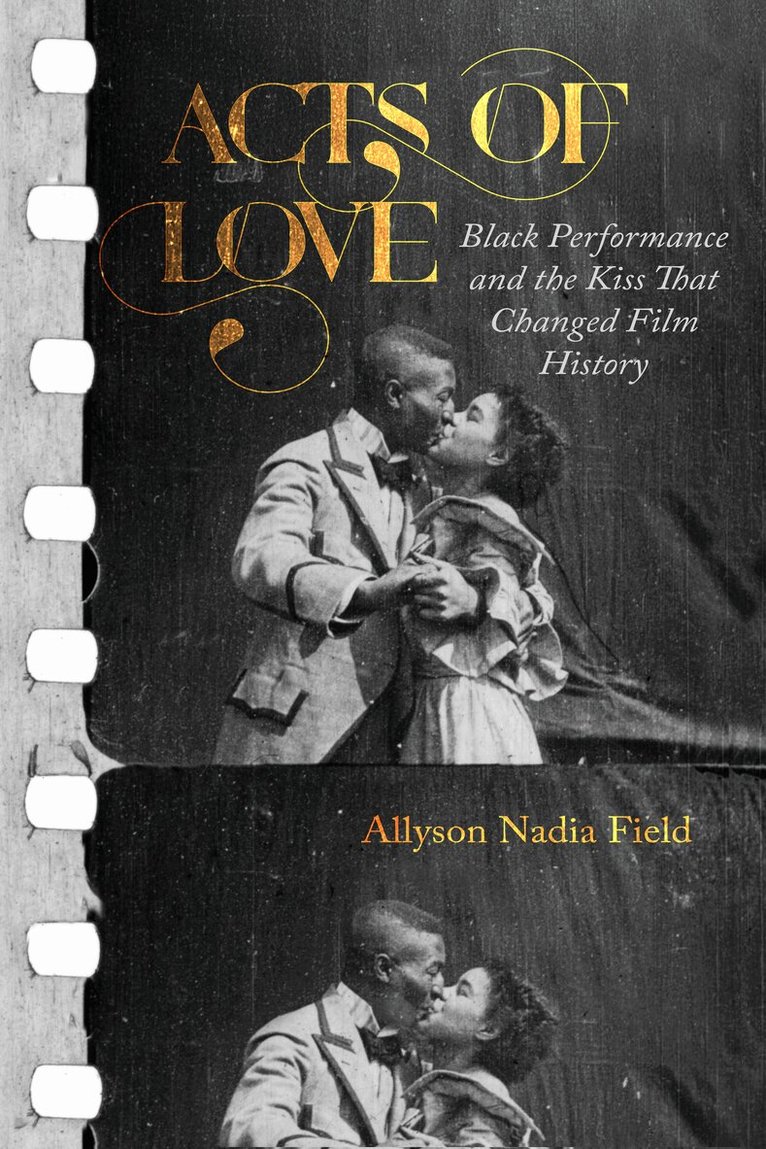
"This book doesn't just fill gaps in film history; it demands that we confront why those gaps existed in the first place. A fascinating read for lovers of film."—Ava DuVernayThe rediscovery of the first film to depict African American affection revises the history of American cinema. In 1898, vaudeville actors Saint Suttle and Gertie Brown joyously embraced in a short silent film titled Something Good—Negro Kiss. The first known film to portray African American affection, it was lost for over a century until its rediscovery inspired contemporary audiences with a powerful and enduring depiction of Black love. More than a missing piece in an untold history of Black cinematic performance, Something Good—and the magnetism of Suttle and Brown—attests to the power of Black performance on stage and screen from the nineteenth century to today. In Acts of Love, Allyson Nadia Field tells the story of Something Good and recovers the forgotten yet fascinating lives of its performers and their world. Drawing a vivid picture from sparse historical records, Acts of Love examines popular culture's negotiation of blackness to reconsider the intersections of minstrelsy, vaudeville, and cinema in ragtime America. This book not only presents the story of Something Good, its performers, and the drama of its rediscovery; it shows how the rediscovery of this short early film changes our understanding of American film history.
250 kr
Skickas inom 7-10 vardagar
"This book doesn't just fill gaps in film history; it demands that we confront why those gaps existed in the first place. A fascinating read for lovers of film."—Ava DuVernayThe rediscovery of the first film to depict African American affection revises the history of American cinema. In 1898, vaudeville actors Saint Suttle and Gertie Brown joyously embraced in a short silent film titled Something Good—Negro Kiss. The first known film to portray African American affection, it was lost for over a century until its rediscovery inspired contemporary audiences with a powerful and enduring depiction of Black love. More than a missing piece in an untold history of Black cinematic performance, Something Good—and the magnetism of Suttle and Brown—attests to the power of Black performance on stage and screen from the nineteenth century to today. In Acts of Love, Allyson Nadia Field tells the story of Something Good and recovers the forgotten yet fascinating lives of its performers and their world. Drawing a vivid picture from sparse historical records, Acts of Love examines popular culture's negotiation of blackness to reconsider the intersections of minstrelsy, vaudeville, and cinema in ragtime America. This book not only presents the story of Something Good, its performers, and the drama of its rediscovery; it shows how the rediscovery of this short early film changes our understanding of American film history.
Uplift Cinema
The Emergence of African American Film and the Possibility of Black Modernity
Häftad, Engelska, 2015
373 kr
Skickas inom 7-10 vardagar
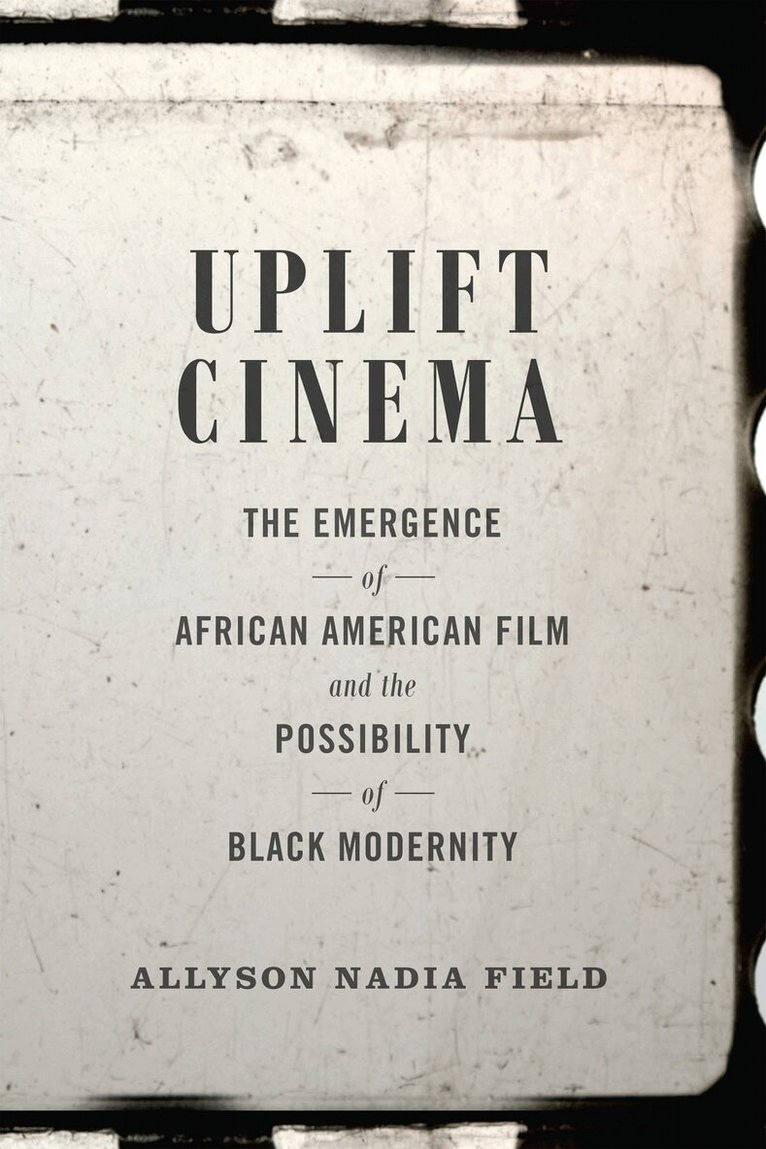
In Uplift Cinema, Allyson Nadia Field recovers the significant yet forgotten legacy of African American filmmaking in the 1910s. Like the racial uplift project, this cinema emphasized economic self-sufficiency, education, and respectability as the keys to African American progress. Field discusses films made at the Tuskegee and Hampton Institutes to promote education, as well as the controversial The New Era, which was an antiracist response to D. W. Griffith's The Birth of a Nation. She also shows how Black filmmakers in New York and Chicago engaged with uplift through the promotion of Black modernity. Uplift cinema developed not just as a response to onscreen racism, but constituted an original engagement with the new medium that has had a deep and lasting significance for African American cinema. Although none of these films survived, Field's examination of archival film ephemera presents a method for studying lost films that opens up new frontiers for exploring early film culture.
Uplift Cinema
The Emergence of African American Film and the Possibility of Black Modernity
Inbunden, Engelska, 2015
1 509 kr
Skickas inom 7-10 vardagar
In Uplift Cinema, Allyson Nadia Field recovers the significant yet forgotten legacy of African American filmmaking in the 1910s. Like the racial uplift project, this cinema emphasized economic self-sufficiency, education, and respectability as the keys to African American progress. Field discusses films made at the Tuskegee and Hampton Institutes to promote education, as well as the controversial The New Era, which was an antiracist response to D. W. Griffith's The Birth of a Nation. She also shows how Black filmmakers in New York and Chicago engaged with uplift through the promotion of Black modernity. Uplift cinema developed not just as a response to onscreen racism, but constituted an original engagement with the new medium that has had a deep and lasting significance for African American cinema. Although none of these films survived, Field's examination of archival film ephemera presents a method for studying lost films that opens up new frontiers for exploring early film culture.
1 724 kr
Skickas inom 7-10 vardagar
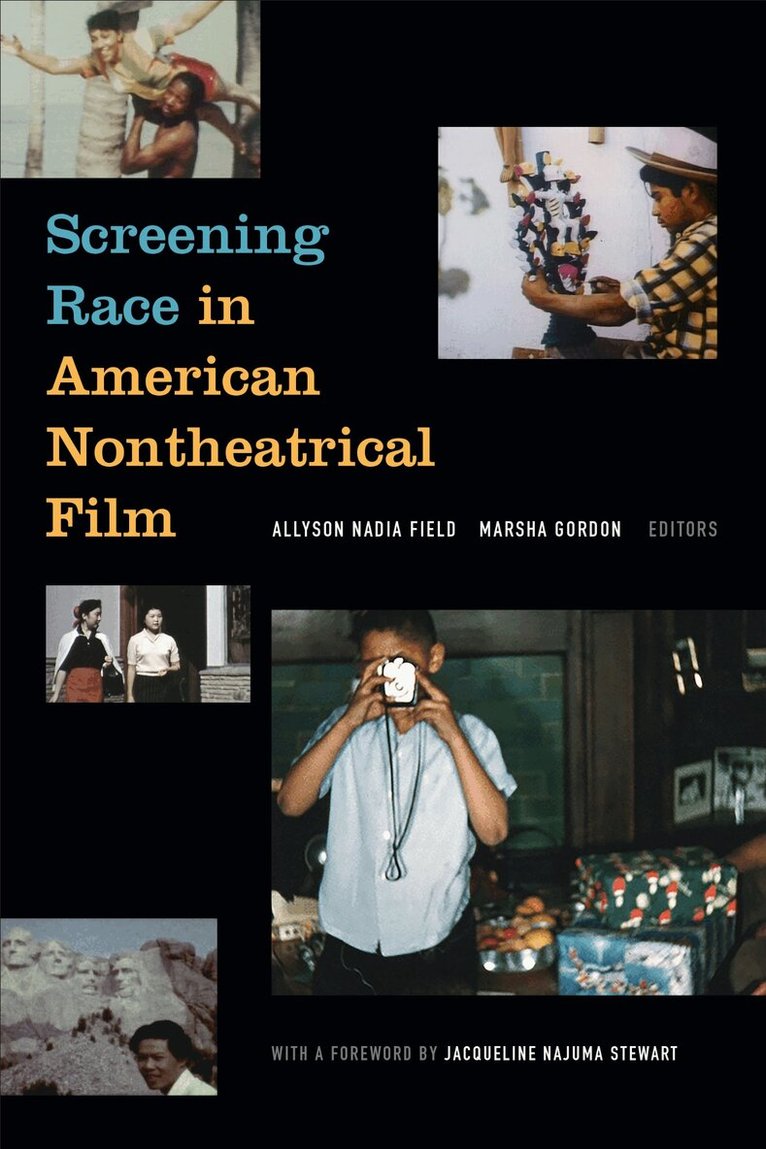
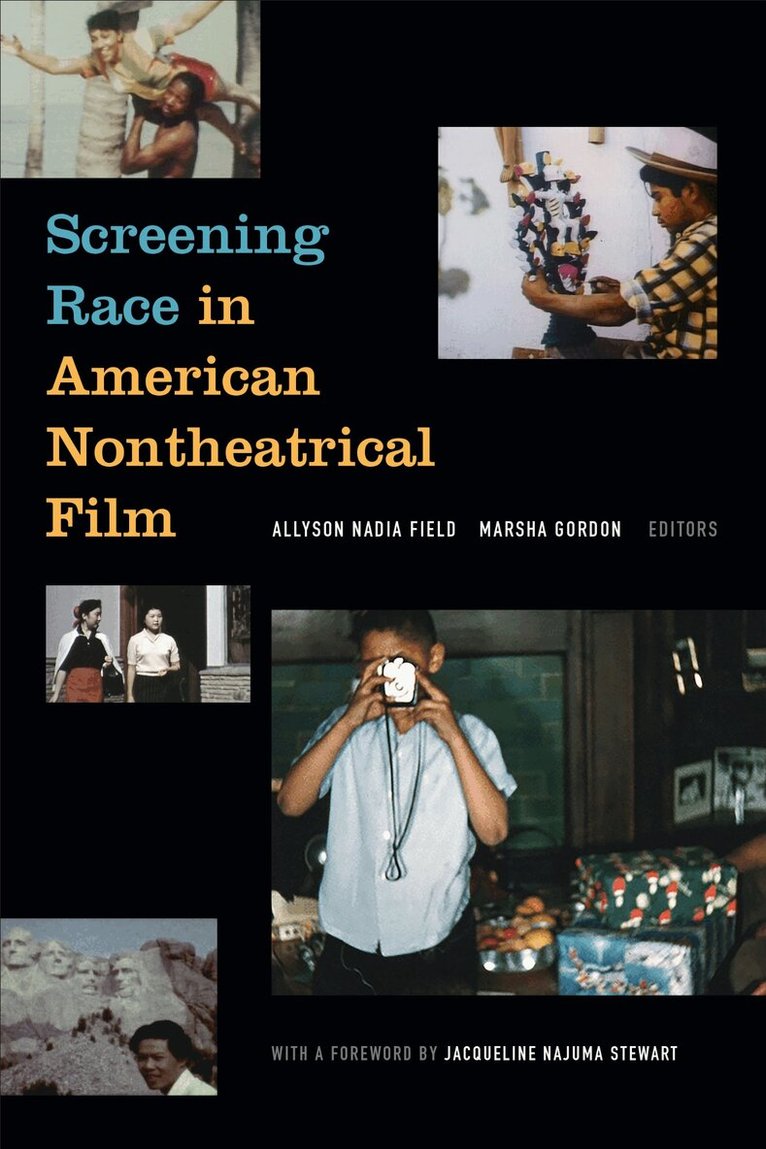
Although overlooked by most narratives of American cinema history, films made for purposes outside of theatrical entertainment dominated twentieth-century motion picture production. This volume adds to the growing study of nontheatrical films by focusing on the ways filmmakers developed and audiences encountered ideas about race, identity, politics, and community outside the borders of theatrical cinema. The contributors to Screening Race in American Nontheatrical Film examine the place and role of race in educational films, home movies, industry and government films, anthropological films, and church films as well as other forms of nontheatrical filmmaking. From filmic depictions of Native Americans and films by 1920s African American religious leaders to a government educational film about the unequal treatment of Latin American immigrants, these films portrayed-for various purposes and intentions-the lives of those who were mostly excluded from the commercial films being produced in Hollywood. This volume is more than an examination of a broad swath of neglected twentieth-century filmmaking; it is a reevaluation of basic assumptions about American film culture and the place of race within it.Contributors. Crystal Mun-hye Baik, Jasmyn R. Castro, Nadine Chan, Mark Garrett Cooper, Dino Everett, Allyson Nadia Field, Walter Forsberg, Joshua Glick, Tanya Goldman, Marsha Gordon, Noelle Griffis, Colin Gunckel, Michelle Kelley, Todd Kushigemachi, Martin L. Johnson, Caitlin McGrath, Elena Rossi-Snook, Laura Isabel Serna, Jacqueline Najuma Stewart, Dan Streible, Lauren Tilton, Noah Tsika, Travis L. Wagner, Colin Williamson
427 kr
Skickas inom 7-10 vardagar
Although overlooked by most narratives of American cinema history, films made for purposes outside of theatrical entertainment dominated twentieth-century motion picture production. This volume adds to the growing study of nontheatrical films by focusing on the ways filmmakers developed and audiences encountered ideas about race, identity, politics, and community outside the borders of theatrical cinema. The contributors to Screening Race in American Nontheatrical Film examine the place and role of race in educational films, home movies, industry and government films, anthropological films, and church films as well as other forms of nontheatrical filmmaking. From filmic depictions of Native Americans and films by 1920s African American religious leaders to a government educational film about the unequal treatment of Latin American immigrants, these films portrayed-for various purposes and intentions-the lives of those who were mostly excluded from the commercial films being produced in Hollywood. This volume is more than an examination of a broad swath of neglected twentieth-century filmmaking; it is a reevaluation of basic assumptions about American film culture and the place of race within it.Contributors. Crystal Mun-hye Baik, Jasmyn R. Castro, Nadine Chan, Mark Garrett Cooper, Dino Everett, Allyson Nadia Field, Walter Forsberg, Joshua Glick, Tanya Goldman, Marsha Gordon, Noelle Griffis, Colin Gunckel, Michelle Kelley, Todd Kushigemachi, Martin L. Johnson, Caitlin McGrath, Elena Rossi-Snook, Laura Isabel Serna, Jacqueline Najuma Stewart, Dan Streible, Lauren Tilton, Noah Tsika, Travis L. Wagner, Colin Williamson