Jan-Christopher Horak - Böcker
Visar alla böcker från författaren Jan-Christopher Horak. Handla med fri frakt och snabb leverans.
6 produkter
6 produkter
558 kr
Skickas inom 7-10 vardagar
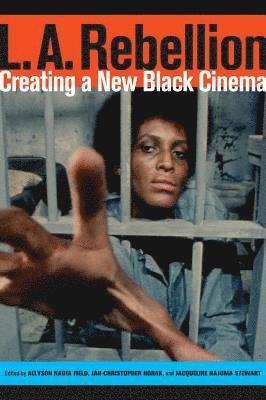
L. A. Rebellion: Creating a New Black Cinema is the first book dedicated to the films and filmmakers of the L. A. Rebellion, a group of African, Caribbean, and African American independent film and video artists that formed at the University of California, Los Angeles, in the 1970s and 1980s. The group-including Charles Burnett, Julie Dash, Haile Gerima, Billy Woodberry, Jamaa Fanaka, and Zeinabu irene Davis-shared a desire to create alternatives to the dominant modes of narrative, style, and practice in American cinema, works that reflected the full complexity of Black experiences. This landmark collection of essays and oral histories examines the creative output of the L. A. Rebellion, contextualizing the group's film practices and offering sustained analyses of the wide range of works, with particular attention to newly discovered films and lesser-known filmmakers. Based on extensive archival work and preservation, this collection includes a complete filmography of the movement, over 100 illustrations (most of which are previously unpublished), and a bibliography of primary and secondary materials.This is an indispensible source book for scholars and enthusiasts, establishing the key role played by the L. A. Rebellion within the histories of cinema, Black visual culture, and postwar art in Los Angeles.
282 kr
Skickas inom 7-10 vardagar
L. A. Rebellion: Creating a New Black Cinema is the first book dedicated to the films and filmmakers of the L. A. Rebellion, a group of African, Caribbean, and African American independent film and video artists that formed at the University of California, Los Angeles, in the 1970s and 1980s. The group-including Charles Burnett, Julie Dash, Haile Gerima, Billy Woodberry, Jamaa Fanaka, and Zeinabu irene Davis-shared a desire to create alternatives to the dominant modes of narrative, style, and practice in American cinema, works that reflected the full complexity of Black experiences. This landmark collection of essays and oral histories examines the creative output of the L. A. Rebellion, contextualizing the group's film practices and offering sustained analyses of the wide range of works, with particular attention to newly discovered films and lesser-known film-makers. Based on extensive archival work and preservation, this collection includes a complete filmography of the movement, over 100 illustrations (most of which are previously unpublished), and a bibliography of primary and secondary materials.This is an indispensible source book for scholars and enthusiasts, establishing the key role played by the L. A. Rebellion within the histories of cinema, Black visual culture, and postwar art in Los Angeles.
519 kr
Skickas inom 3-6 vardagar
Iconic graphic designer and Academy Award--winning filmmaker Saul Bass (1920--1996) defined an innovative era in cinema. His title sequences for films such as Otto Preminger's The Man with the Golden Arm (1955) and Anatomy of a Murder (1959), Alfred Hitchcock's Vertigo (1958) and North by Northwest (1959), and Billy Wilder's The Seven Year Itch (1955) introduced the idea that opening credits could tell a story, setting the mood for the movie to follow. Bass's stylistic influence can be seen in popular Hollywood franchises from the Pink Panther to James Bond, as well as in more contemporary works such as Steven Spielberg's Catch Me If You Can (2002) and television's Mad Men.The first book to examine the life and work of this fascinating figure, Saul Bass: Anatomy of Film Design explores the designer's revolutionary career and his lasting impact on the entertainment and advertising industries. Jan-Christopher Horak traces Bass from his humble beginnings as a self-taught artist to his professional peak, when auteur directors like Stanley Kubrick, Robert Aldrich, and Martin Scorsese sought him as a collaborator. He also discusses how Bass incorporated aesthetic concepts borrowed from modern art in his work, presenting them in a new way that made them easily recognizable to the public.This long-overdue book sheds light on the creative process of the undisputed master of film title design -- a man whose multidimensional talents and unique ability to blend high art and commercial imperatives profoundly influenced generations of filmmakers, designers, and advertisers.
2 164 kr
Skickas inom 3-6 vardagar
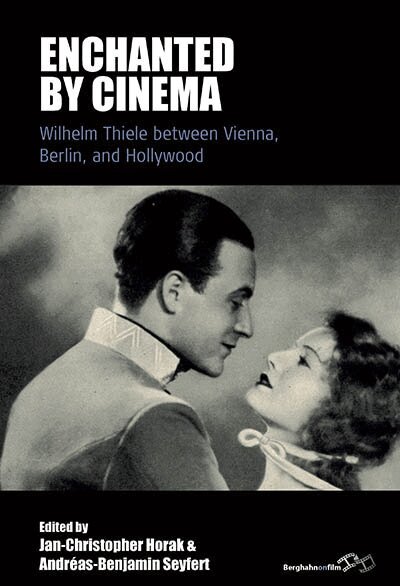
William Thiele is remembered today as the father of the sound film operetta with seminal classics such as Drei von der Tankstelle (1930). While often considered among the most accomplished directors of Late Weimar cinema, as an Austrian Jew he was vilified during the onset of the Nazi regime in 1933 and fled to the United States where he continued making films until the end of his career in 1960. Enchanted by Cinema closely examines the European musical film pioneer’s work and his cross-cultural perspective across forty years of filmography in Berlin and Hollywood to account for his popularity while discussing issues of ethnicity, exile, comedy, music, gender, and race.
400 kr
Skickas inom 7-10 vardagar
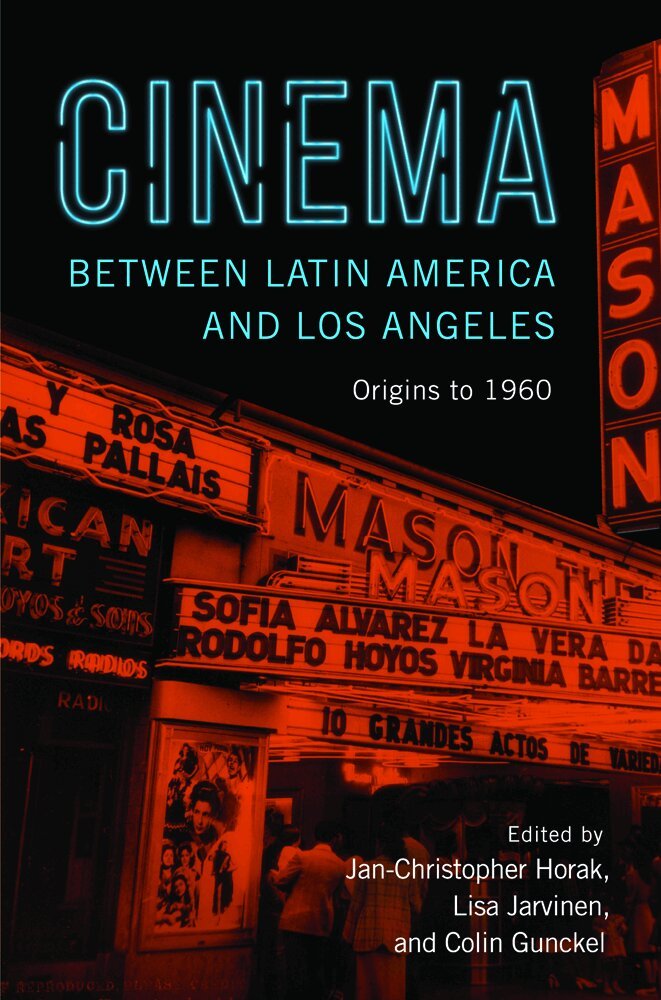
Historically, Los Angeles and its exhibition market have been central to the international success of Latin American cinema. Not only was Los Angeles a site crucial for exhibition of these films, but it became the most important hub in the western hemisphere for the distribution of Spanish language films made for Latin American audiences. Cinema between Latin America and Los Angeles builds upon this foundational insight to both examine the considerable, ongoing role that Los Angeles played in the history of Spanish-language cinema and to explore the implications of this transnational dynamic for the study and analysis of Latin American cinema before 1960. The volume editors aim to flesh out the gaps between Hollywood and Latin America, American imperialism and Latin American nationalism in order to produce a more nuanced view of transnational cultural relations in the western hemisphere.
1 682 kr
Skickas inom 11-20 vardagar
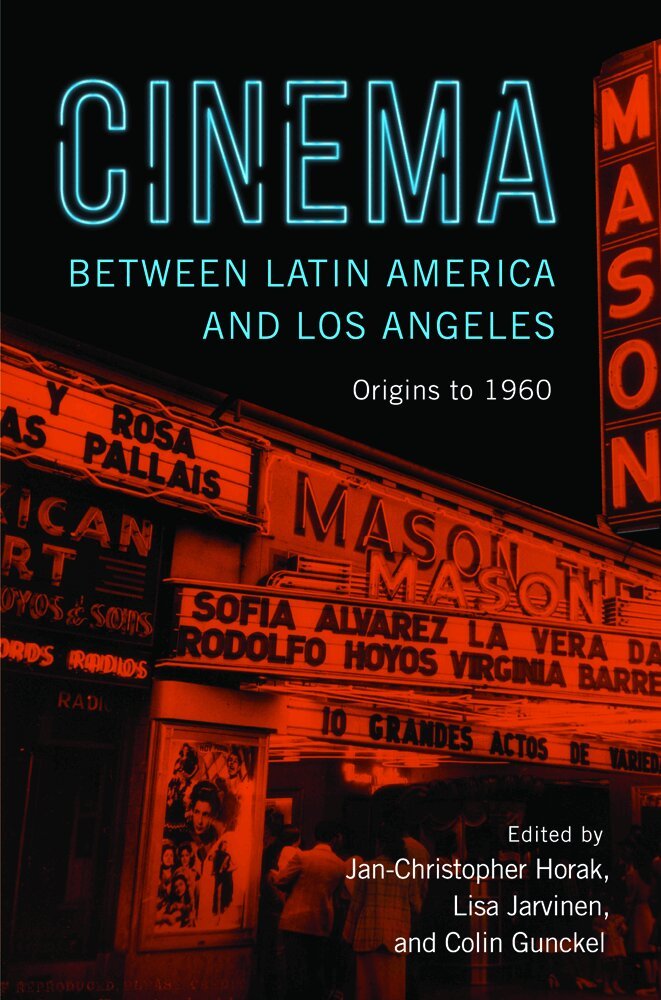
Historically, Los Angeles and its exhibition market have been central to the international success of Latin American cinema. Not only was Los Angeles a site crucial for exhibition of these films, but it became the most important hub in the western hemisphere for the distribution of Spanish language films made for Latin American audiences. Cinema between Latin America and Los Angeles builds upon this foundational insight to both examine the considerable, ongoing role that Los Angeles played in the history of Spanish-language cinema and to explore the implications of this transnational dynamic for the study and analysis of Latin American cinema before 1960. The volume editors aim to flesh out the gaps between Hollywood and Latin America, American imperialism and Latin American nationalism in order to produce a more nuanced view of transnational cultural relations in the western hemisphere.