Colin Gunckel - Böcker
Visar alla böcker från författaren Colin Gunckel. Handla med fri frakt och snabb leverans.
6 produkter
6 produkter
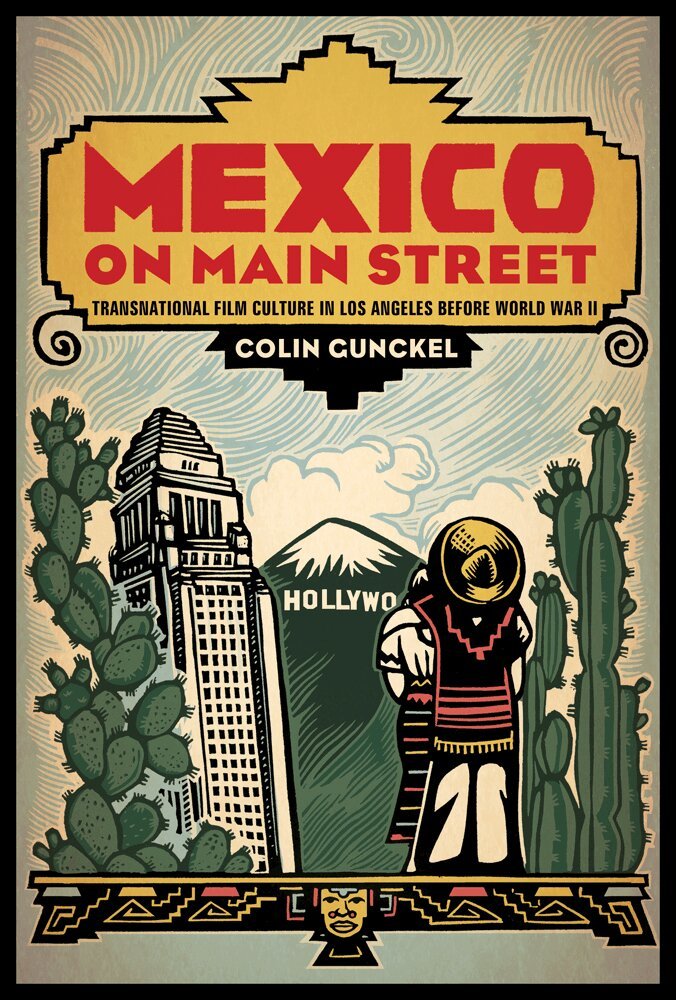
Mexico on Main Street
Transnational Film Culture in Los Angeles Before World War II
Häftad, Engelska, 2015
441 kr
Skickas inom 7-10 vardagar
In the early decades of the twentieth-century, Main Street was the heart of Los Angeles’s Mexican immigrant community. It was also the hub for an extensive, largely forgotten film culture that thrived in L.A. during the early days of Hollywood. Drawing from rare archives, including the city’s Spanish-language newspapers, Colin Gunckel vividly demonstrates how this immigrant community pioneered a practice of transnational media convergence, consuming films from Hollywood and Mexico, while also producing fan publications, fiction, criticism, music, and live theatrical events. Mexico on Main Street locates this film culture at the center of a series of key debates concerning national identity, ethnicity, class, and the role of Mexicans within Hollywood before World War II. As Gunckel shows, the immigrant community’s cultural elite tried to rally the working-class population toward the cause of Mexican nationalism, while Hollywood sought to position them as part of a lucrative transnational Latin American market. Yet ironically, both Hollywood studios and Mexican American cultural elites used the media to present negative depictions of working-class Mexicans, portraying their behaviors as a threat to middle-class respectability. Rather than simply depicting working-class immigrants as pawns of these power players, however, Gunckel reveals their active participation in the era’s film culture. Gunckel’s innovative approach combines media studies, urban history, and ethnic studies to reconstruct a distinctive, richly layered immigrant film culture. Mexico on Main Street demonstrates how a site-specific study of cultural and ethnic issues challenges our existing conceptions of U.S. film history, Mexican cinema, and the history of Los Angeles.
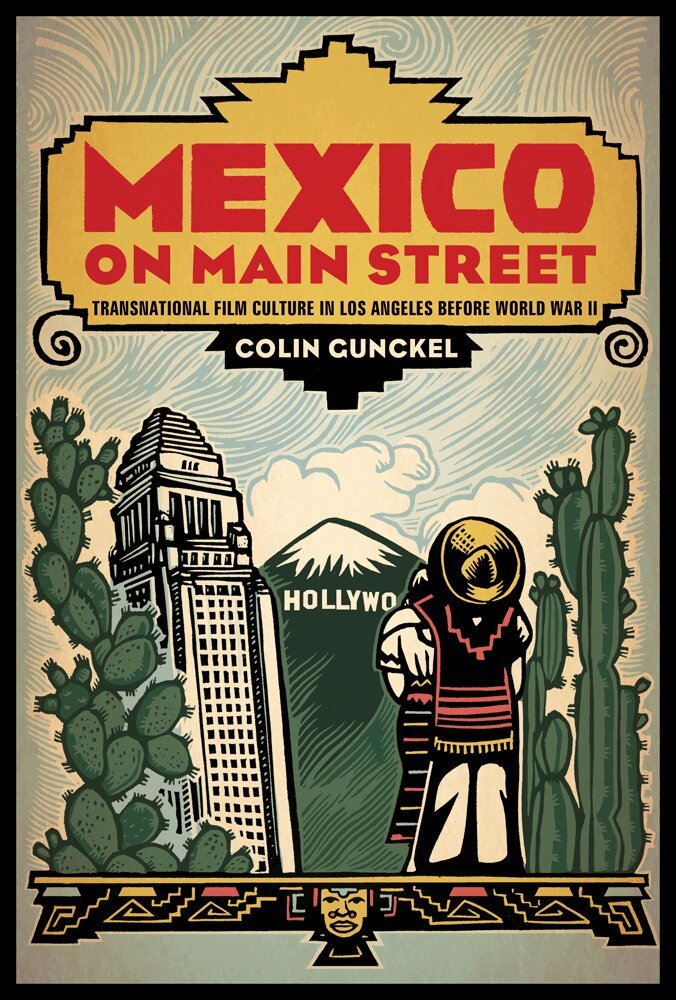
Mexico on Main Street
Transnational Film Culture in Los Angeles Before World War II
Inbunden, Engelska, 2015
1 617 kr
Skickas inom 7-10 vardagar
In the early decades of the twentieth-century, Main Street was the heart of Los Angeles’s Mexican immigrant community. It was also the hub for an extensive, largely forgotten film culture that thrived in L.A. during the early days of Hollywood. Drawing from rare archives, including the city’s Spanish-language newspapers, Colin Gunckel vividly demonstrates how this immigrant community pioneered a practice of transnational media convergence, consuming films from Hollywood and Mexico, while also producing fan publications, fiction, criticism, music, and live theatrical events. Mexico on Main Street locates this film culture at the center of a series of key debates concerning national identity, ethnicity, class, and the role of Mexicans within Hollywood before World War II. As Gunckel shows, the immigrant community’s cultural elite tried to rally the working-class population toward the cause of Mexican nationalism, while Hollywood sought to position them as part of a lucrative transnational Latin American market. Yet ironically, both Hollywood studios and Mexican American cultural elites used the media to present negative depictions of working-class Mexicans, portraying their behaviors as a threat to middle-class respectability. Rather than simply depicting working-class immigrants as pawns of these power players, however, Gunckel reveals their active participation in the era’s film culture. Gunckel’s innovative approach combines media studies, urban history, and ethnic studies to reconstruct a distinctive, richly layered immigrant film culture. Mexico on Main Street demonstrates how a site-specific study of cultural and ethnic issues challenges our existing conceptions of U.S. film history, Mexican cinema, and the history of Los Angeles.
673 kr
Skickas inom 7-10 vardagar
Winner of the 2021 ALAA-Thoma Foundation Exhibition Catalogue AwardGold Medal Recipient, U.S. History, 2020 Independent Publisher Book Awards1st Place, Best Arts Book, 2020 International Latino Book Awards1st Place, Best Academic-Themed Book, 2020 International Latino Book Awards1st Place, Best Cover Photo, 2020 International Latino Book AwardsHonorable Mention, Victor Villaseñor Best Latino Focused Nonfiction Book Award – English, 2020 International Latino Book AwardsLa Raza, launched in 1967 in the basement of an Eastside LA church, was conceived as a tool for community-based organizing during the early days of the Chicano movement. The all-volunteer staff of the newspaper—and the magazine that followed—informed readers and exhorted them to action through images and articles that showcased protests and demonstrations and documented pervasive social inequity and police abuse. La Raza’s photographers played a critical role as artists, journalists, and activists, creating an unparalleled record of the determination, resilience, and achievements of the Chicano community during a period of profound social change.This catalog presents photographs from the La Raza exhibition at the Autry Museum of the American West and the more than 25,000 images in the La Raza Photograph Collection at the UCLA Chicano Studies Research Center. The essays offer not only scholarly assessments of the role of Chicanx photographers in social movements and art history but also personal perspectives from La Raza photographers.
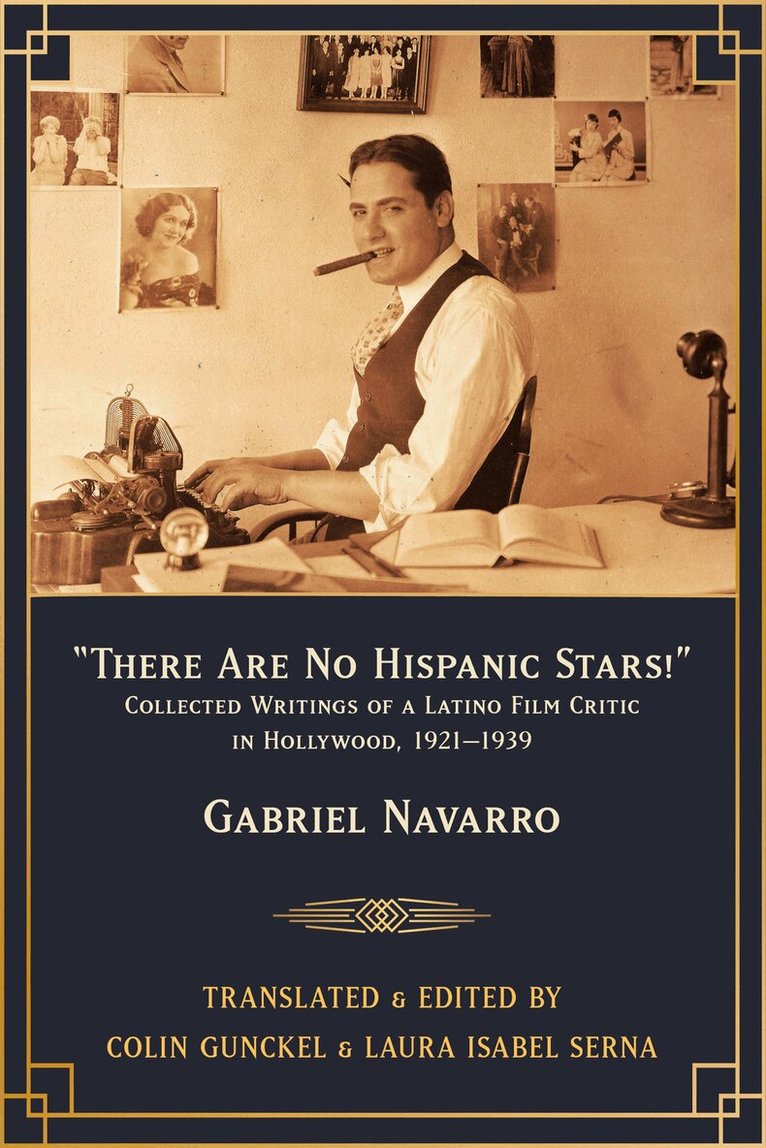
"There Are No Hispanic Stars!"
Collected Writings of a Latino Film Critic in Hollywood, 1921–1939
Häftad, Engelska, 2023
365 kr
Skickas inom 7-10 vardagar
Selected writings by early LA cultural critic Gabriel Navarro, in English for the first timeIn the 1920s and 1930s a uniquely Mexican American entertainment culture flourished across the southwestern United States. Spanish-language newspapers offered theater listings, coverage of favorite performers, cultural criticism, and serialized novels that thematized entertainment culture. Gabriel Navarro was a key figure in this milieu. "There Are No Hispanic Stars!" assembles the novellas and articles that represent his extensive body of film and cultural criticism. Covering a range of topics from the lives of Hollywood's well-known Mexican actors to the plight of Mexican extras and the formation of amateur film clubs, Navarro allowed his readers to participate in the construction of a Latina/o Hollywood. At the same time, he urged Hollywood not to overlook its Latina/o audiences. Together, these writings present a lively look at the film culture that emerged in the Southwest's Mexican immigrant community. The introduction situates Navarro's writing within the context of Mexican-oriented journalism and cultural politics of the era.
400 kr
Skickas inom 7-10 vardagar
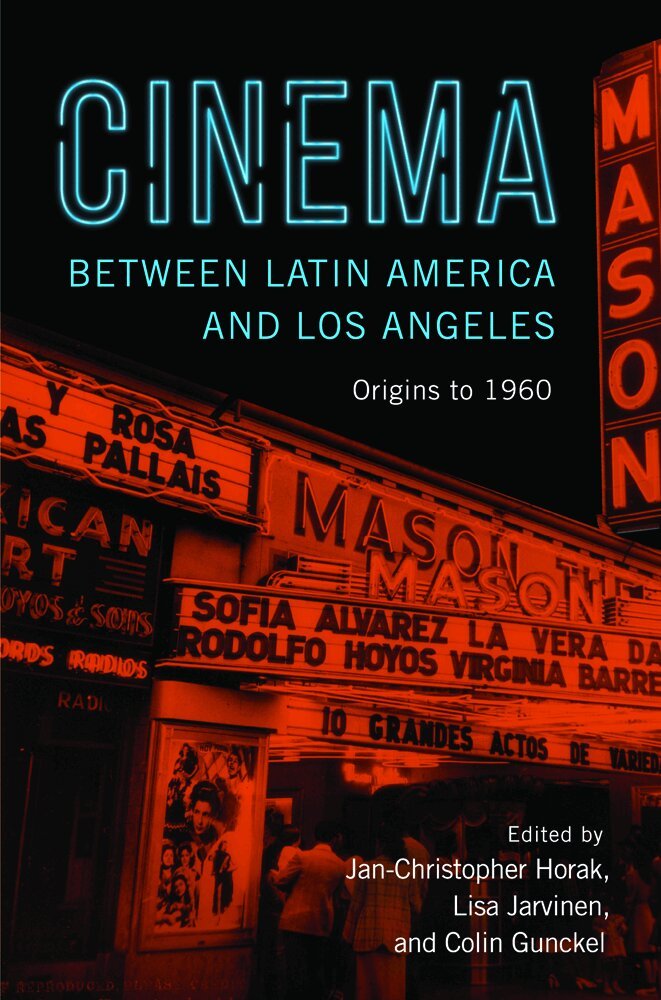
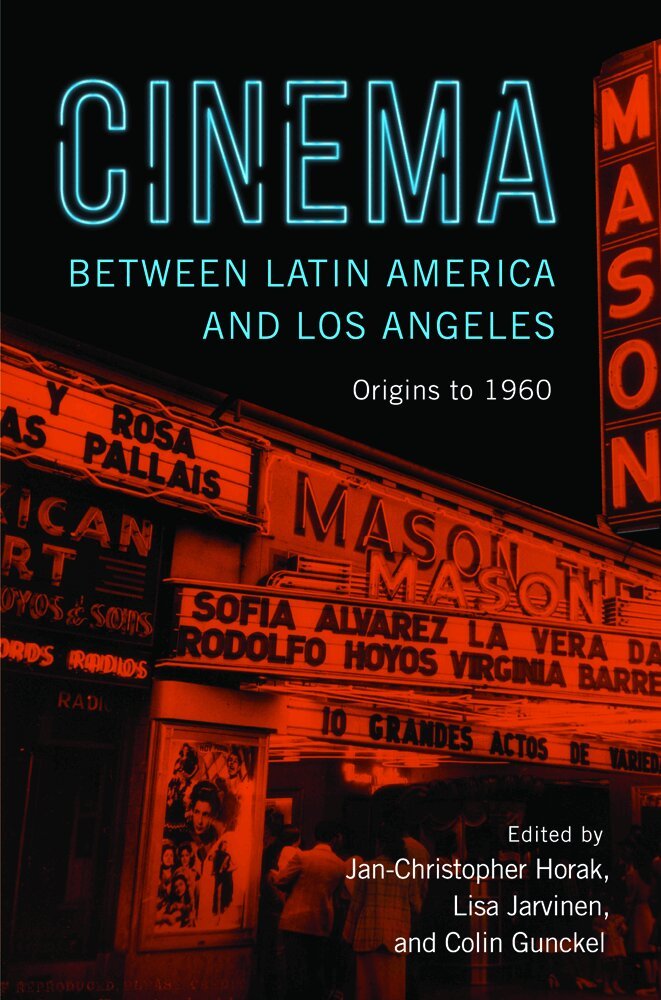
Historically, Los Angeles and its exhibition market have been central to the international success of Latin American cinema. Not only was Los Angeles a site crucial for exhibition of these films, but it became the most important hub in the western hemisphere for the distribution of Spanish language films made for Latin American audiences. Cinema between Latin America and Los Angeles builds upon this foundational insight to both examine the considerable, ongoing role that Los Angeles played in the history of Spanish-language cinema and to explore the implications of this transnational dynamic for the study and analysis of Latin American cinema before 1960. The volume editors aim to flesh out the gaps between Hollywood and Latin America, American imperialism and Latin American nationalism in order to produce a more nuanced view of transnational cultural relations in the western hemisphere.
1 682 kr
Skickas inom 11-20 vardagar
Historically, Los Angeles and its exhibition market have been central to the international success of Latin American cinema. Not only was Los Angeles a site crucial for exhibition of these films, but it became the most important hub in the western hemisphere for the distribution of Spanish language films made for Latin American audiences. Cinema between Latin America and Los Angeles builds upon this foundational insight to both examine the considerable, ongoing role that Los Angeles played in the history of Spanish-language cinema and to explore the implications of this transnational dynamic for the study and analysis of Latin American cinema before 1960. The volume editors aim to flesh out the gaps between Hollywood and Latin America, American imperialism and Latin American nationalism in order to produce a more nuanced view of transnational cultural relations in the western hemisphere.