Alma Gottlieb - Böcker
Visar alla böcker från författaren Alma Gottlieb. Handla med fri frakt och snabb leverans.
14 produkter
14 produkter
258 kr
Skickas inom 7-10 vardagar
What does a move from a village in the West African rain forest to a West African community in a European city entail? What about a shift from a Greek sheep-herding community to working with evictees and housing activists in Rome and Bangkok? In "The Restless Anthropologist", Alma Gottlieb brings together eight eminent scholars to recount the riveting personal and intellectual dynamics of uprooting one's life - and decades of work - to embrace a new fieldsite. Addressing questions of life-course, research methods, institutional support, professional networks, ethnographic models, and disciplinary paradigm shifts, the contributing writers of "The Restless Anthropologist" discuss the ways their earlier and later projects compare on both scholarly and personal levels, describing the circumstances of their choices and the motivations that have emboldened them to proceed, to become novices all over again. In doing so, they question some of the central expectations of their discipline, reimagining the space of the anthropological fieldsite at the heart of their scholarly lives.
785 kr
Skickas inom 7-10 vardagar
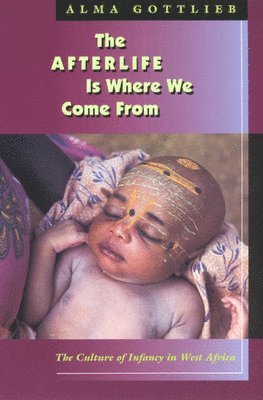
When a new baby arrives among the Beng people of West Africa, they see it not as being born, but as being reincarnated after a rich life in a previous world. Far from being a tabula rasa, a Beng infant is thought to begin its life filled with spiritual knowledge. How do these beliefs affect the way the Beng rear their children?In this unique and engaging ethnography of babies, Alma Gottlieb explores how religious ideology affects every aspect of Beng childrearing practices—from bathing infants to protecting them from disease to teaching them how to crawl and walk—and how widespread poverty limits these practices. A mother of two, Gottlieb includes moving discussions of how her experiences among the Beng changed the way she saw her own parenting. Throughout the book she also draws telling comparisons between Beng and Euro-American parenting, bringing home just how deeply culture matters to the way we all rear our children.All parents and anyone interested in the place of culture in the lives of infants, and vice versa, will enjoy The Afterlife Is Where We Come From."This wonderfully reflective text should provide the impetus for formulating research possibilities about infancy and toddlerhood for this century." — Caren J. Frost, Medical Anthropology Quarterly “Alma Gottlieb’s careful and thought-provoking account of infancy sheds spectacular light upon a much neglected topic. . . . [It] makes a strong case for the central place of babies in anthropological accounts of religion. Gottlieb’s remarkably rich account, delivered after a long and reflective period of gestation, deserves a wide audience across a range of disciplines.”—Anthony Simpson, Critique of Anthropology
298 kr
Skickas inom 7-10 vardagar
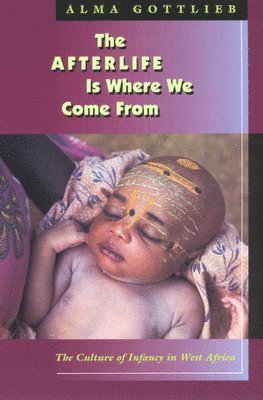
When a new baby arrives among the Beng people of West Africa, they see it not as being born, but as being reincarnated after a rich life in a previous world. Far from being a tabula rasa, a Beng infant is thought to begin its life filled with spiritual knowledge. How do these beliefs affect the way the Beng rear their children?In this unique and engaging ethnography of babies, Alma Gottlieb explores how religious ideology affects every aspect of Beng childrearing practices—from bathing infants to protecting them from disease to teaching them how to crawl and walk—and how widespread poverty limits these practices. A mother of two, Gottlieb includes moving discussions of how her experiences among the Beng changed the way she saw her own parenting. Throughout the book she also draws telling comparisons between Beng and Euro-American parenting, bringing home just how deeply culture matters to the way we all rear our children.All parents and anyone interested in the place of culture in the lives of infants, and vice versa, will enjoy The Afterlife Is Where We Come From."This wonderfully reflective text should provide the impetus for formulating research possibilities about infancy and toddlerhood for this century." — Caren J. Frost, Medical Anthropology Quarterly “Alma Gottlieb’s careful and thought-provoking account of infancy sheds spectacular light upon a much neglected topic. . . . [It] makes a strong case for the central place of babies in anthropological accounts of religion. Gottlieb’s remarkably rich account, delivered after a long and reflective period of gestation, deserves a wide audience across a range of disciplines.”—Anthony Simpson, Critique of Anthropology
274 kr
Skickas inom 7-10 vardagar
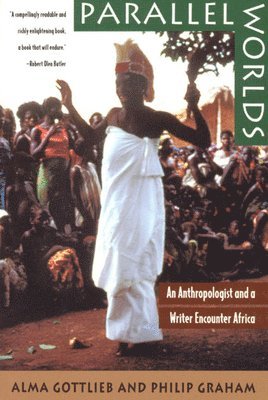
This suspenseful and moving memoir of Africa recounts the experiences of Alma Gottlieb, an anthropologist, and Philip Graham, a fiction writer, as they lived in two remote villages in the rain forest of Cote d'Ivoire. With an unusual coupling of first-person narratives, their alternate voices tell a story imbued with sweeping narrative power, humility, and gentle humor. Parallel Worlds is a unique look at Africa, anthropological fieldwork, and the artistic process.
243 kr
Skickas inom 7-10 vardagar
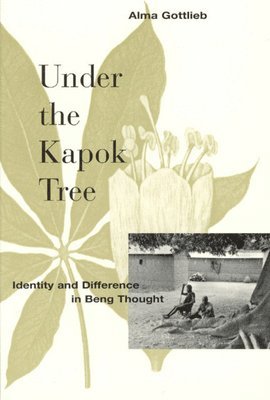
In this companion volume to "Parallel Worlds," Alma Gottlieb explores ideology and social practices among the Beng people of Cote d'Ivoire. Employing symbolic and postmodern perspectives, she highlights the dynamically paired notions of identity and difference, symbolized by the kapok tree planted at the centre of every Beng village.
685 kr
Tillfälligt slut
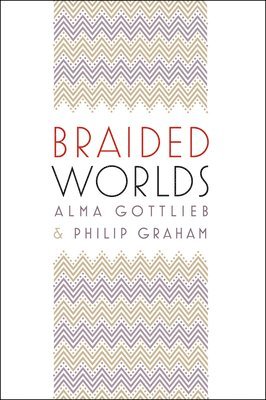
In a compelling mix of literary narrative and ethnography, anthropologist Alma Gottlieb and writer Philip Graham continue the long journey of cultural engagement with the Beng people of Cote d'Ivoire that they first recounted in their award-winning memoir Parallel Worlds. Their commitment over the span of several decades has lent them a rare insight. Braiding their own stories with those of the villagers of Asagbe and Kosangbe, Gottlieb and Graham take turns recounting a host of unexpected dramas with these West African villages, prompting serious questions about the fraught nature of cultural contact. Through events such as a religious leader's declaration that the authors' six-year-old son, Nathaniel, is the reincarnation of a revered ancestor, or Graham's late father being accepted into the Beng afterlife, or the increasing, sometimes dangerous madness of a villager, the authors are forced to reconcile their anthropological and literary gaze with the deepest parts of their personal lives. Along with these intimate dramas, they follow the Beng from times of peace through the times of tragedy that led to Cote d'Ivoire's recent civil conflicts.From these and many other interweaving narratives - and with the combined strengths of an anthropologist and a literary writer - "Braided Worlds" examines the impact of postcolonialism, race, and global inequity at the same time that it chronicles a living, breathing village community where two very different worlds meet.
227 kr
Skickas inom 7-10 vardagar
In a compelling mix of literary narrative and ethnography, anthropologist Alma Gottlieb and writer Philip Graham continue the long journey of cultural engagement with the Beng people of Cote d'Ivoire that they first recounted in their award-winning memoir Parallel Worlds. Their commitment over the span of several decades has lent them a rare insight. Braiding their own stories with those of the villagers of Asagbe and Kosangbe, Gottlieb and Graham take turns recounting a host of unexpected dramas with these West African villages, prompting serious questions about the fraught nature of cultural contact. Through events such as a religious leader's declaration that the authors' six-year-old son, Nathaniel, is the reincarnation of a revered ancestor, or Graham's late father being accepted into the Beng afterlife, or the increasing, sometimes dangerous madness of a villager, the authors are forced to reconcile their anthropological and literary gaze with the deepest parts of their personal lives. Along with these intimate dramas, they follow the Beng from times of peace through the times of tragedy that led to Cote d'Ivoire's recent civil conflicts.From these and many other interweaving narratives - and with the combined strengths of an anthropologist and a literary writer - "Braided Worlds" examines the impact of postcolonialism, race, and global inequity at the same time that it chronicles a living, breathing village community where two very different worlds meet.
254 kr
Skickas inom 7-10 vardagar
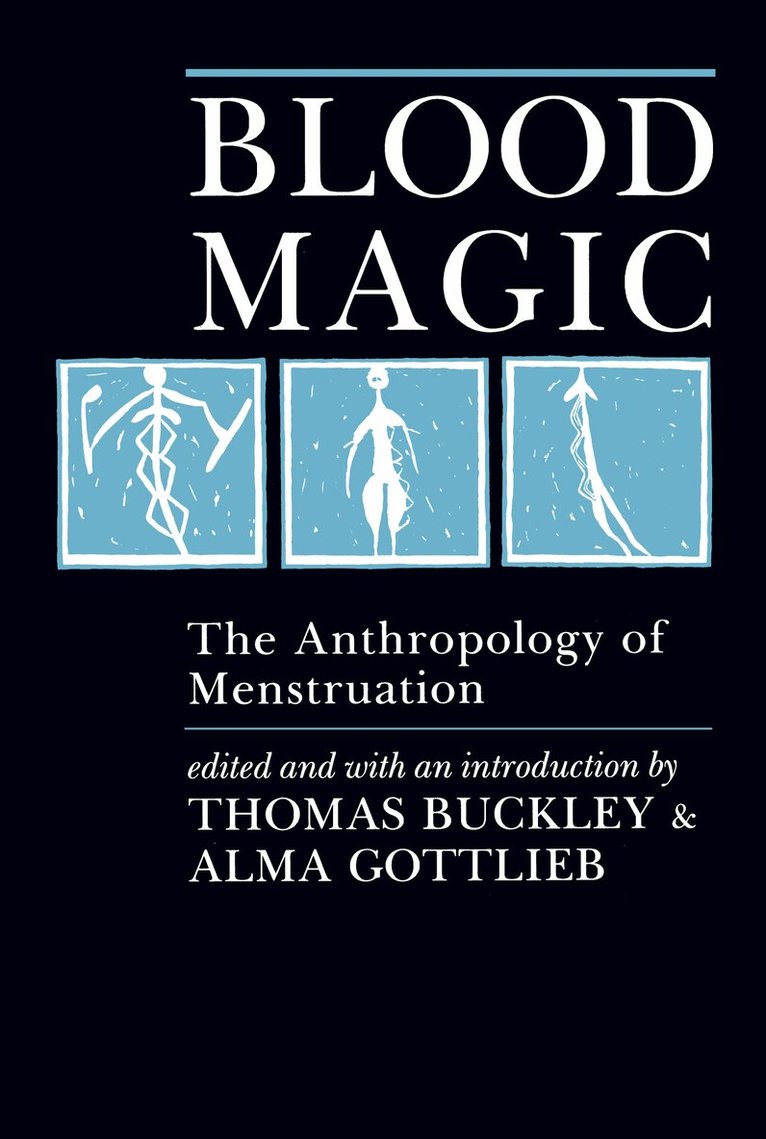
Examining cultures as diverse as long-house dwellers in North Borneo, African farmers, Welsh housewives, and postindustrial American workers, this volume dramatically redefines the anthropological study of menstrual customs. It challenges the widespread image of a universal 'menstrual taboo' as well as the common assumption of universal female subordination which underlies it. Contributing important new material and perspectives to our understanding of comparative gender politics and symbolism, it is of particular importance to those interested in anthropology, women's studies, religion, and comparative health systems.
736 kr
Skickas inom 7-10 vardagar
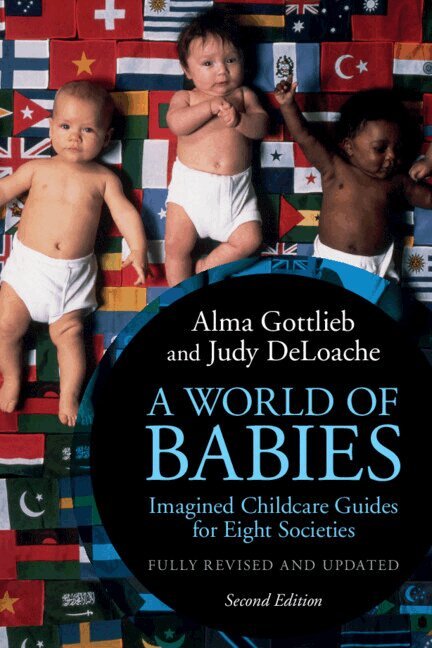
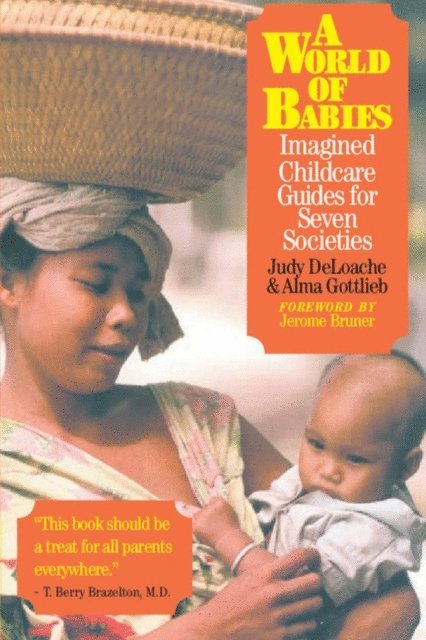
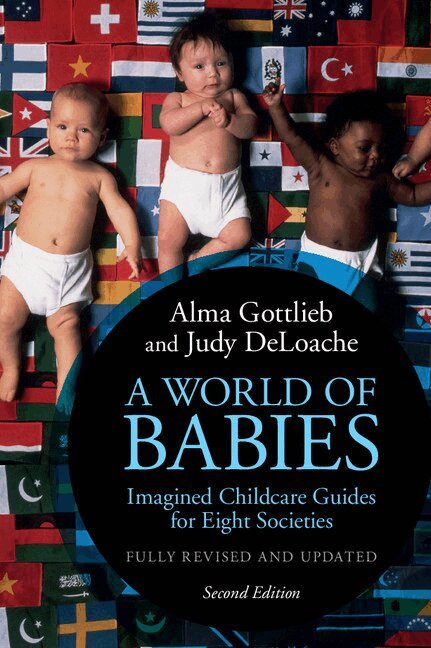
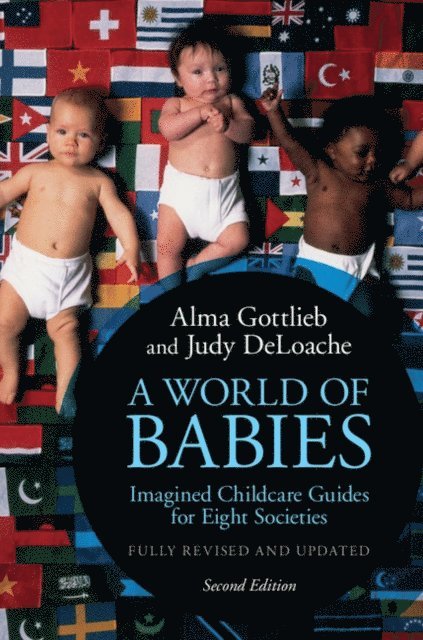
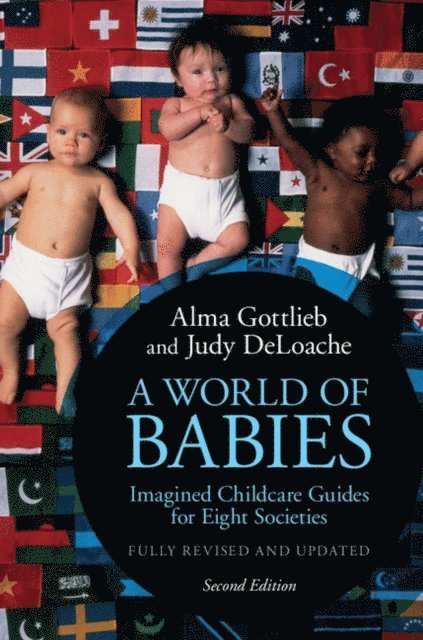
Should babies sleep alone in cribs, or in bed with parents? Is talking to babies useful, or a waste of time? A World of Babies provides different answers to these and countless other childrearing questions, precisely because diverse communities around the world hold drastically different beliefs about parenting. While celebrating that diversity, the book also explores the challenges that poverty, globalization and violence pose for parents. Fully updated for the twenty-first century, this edition features a new introduction and eight new or revised case studies that directly address contemporary parenting challenges, from China and Peru to Israel and the West Bank. Written as imagined advice manuals to parents, the creative format of this book brings alive a rich body of knowledge that highlights many models of baby-rearing - each shaped by deeply held values and widely varying cultural contexts. Parenthood may never again seem a matter of 'common sense'.
331 kr
Should babies sleep alone in cribs, or in bed with parents? Is talking to babies useful, or a waste of time? A World of Babies provides different answers to these and countless other childrearing questions, precisely because diverse communities around the world hold drastically different beliefs about parenting. While celebrating that diversity, the book also explores the challenges that poverty, globalization and violence pose for parents. Fully updated for the twenty-first century, this edition features a new introduction and eight new or revised case studies that directly address contemporary parenting challenges, from China and Peru to Israel and the West Bank. Written as imagined advice manuals to parents, the creative format of this book brings alive a rich body of knowledge that highlights many models of baby-rearing - each shaped by deeply held values and widely varying cultural contexts. Parenthood may never again seem a matter of 'common sense'.
1 348 kr
Skickas inom 7-10 vardagar
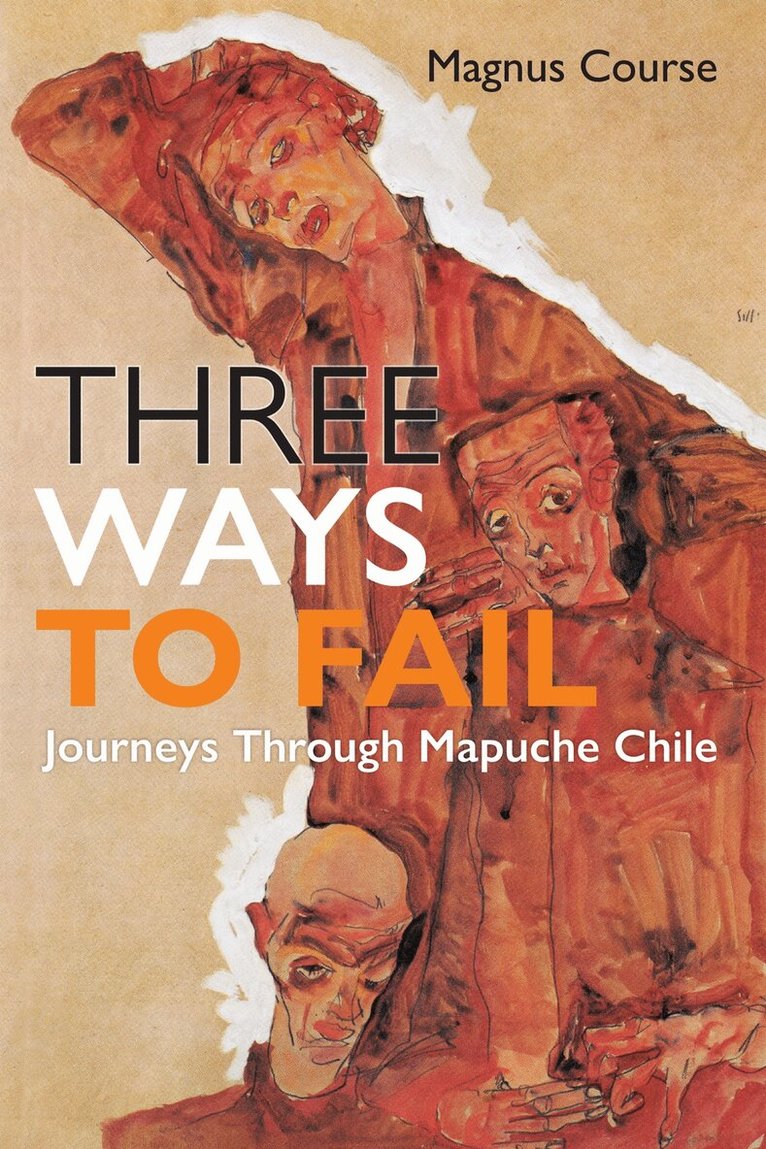
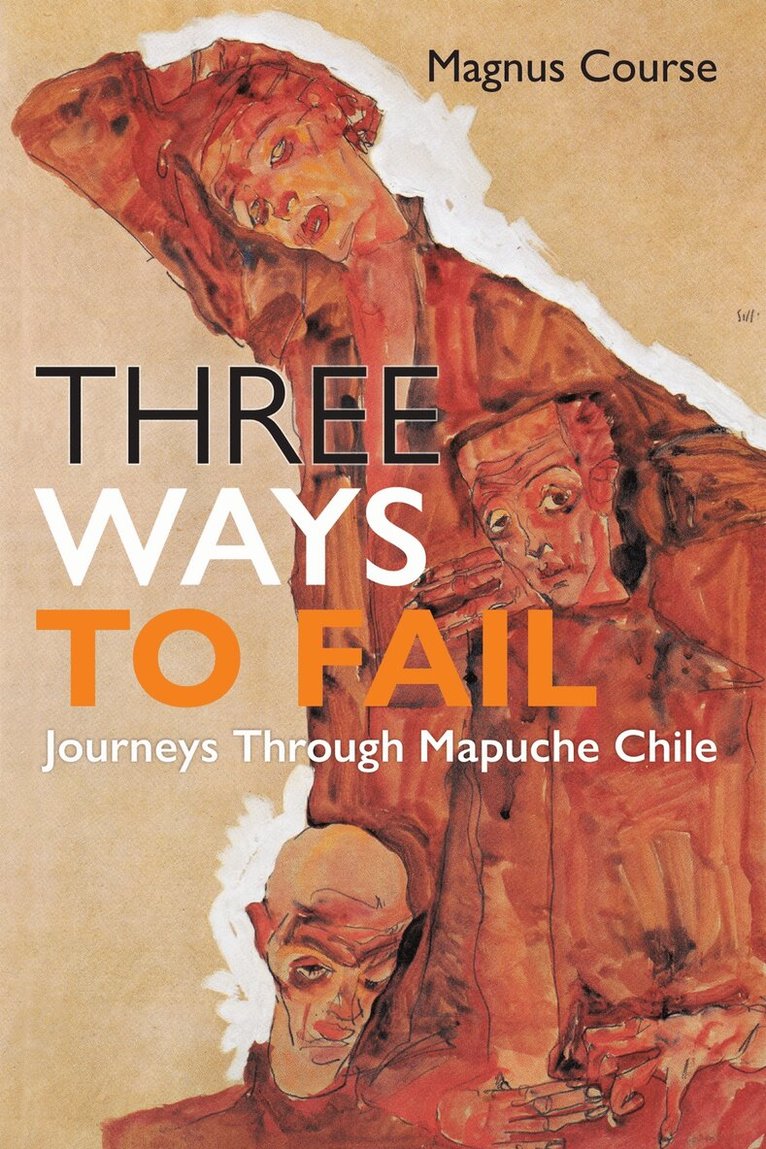
An ethnographic exploration of anthropological failure through the Mapuche archetypes of witch, clown, and usurperHow do we learn what failure looks like? During the years anthropologist Magnus Course spent living with Indigenous Mapuche people in southern Chile, he came to understand failure—both his own and those of the discipline of anthropology—through Mapuche narratives of the witch, the clown, and the usurper. In a context of enduring poverty and racism, increasing state repression, and his own disintegration, he began to realize that these figures of failure, and their insatiable appetites for destruction, greed, and property, reflected as much upon his own failings as on anybody else's, but also showed the way forward to a better way to live.Set amidst the stunning natural beauty and political tragedies of southern Chile, Three Ways to Fail is the story of what it means to become a part of other people's lives, of what it means to fail them, and of what it means to live well when everything falls apart. Grounded in three decades of work and collaboration with Mapuche people, Three Ways to Fail sheds new light on Indigenous lifeways in the Americas while grappling with broader questions about the nature of ethnographic writing and the future of anthropology.
328 kr
Skickas inom 7-10 vardagar
An ethnographic exploration of anthropological failure through the Mapuche archetypes of witch, clown, and usurperHow do we learn what failure looks like? During the years anthropologist Magnus Course spent living with Indigenous Mapuche people in southern Chile, he came to understand failure—both his own and those of the discipline of anthropology—through Mapuche narratives of the witch, the clown, and the usurper. In a context of enduring poverty and racism, increasing state repression, and his own disintegration, he began to realize that these figures of failure, and their insatiable appetites for destruction, greed, and property, reflected as much upon his own failings as on anybody else's, but also showed the way forward to a better way to live.Set amidst the stunning natural beauty and political tragedies of southern Chile, Three Ways to Fail is the story of what it means to become a part of other people's lives, of what it means to fail them, and of what it means to live well when everything falls apart. Grounded in three decades of work and collaboration with Mapuche people, Three Ways to Fail sheds new light on Indigenous lifeways in the Americas while grappling with broader questions about the nature of ethnographic writing and the future of anthropology.
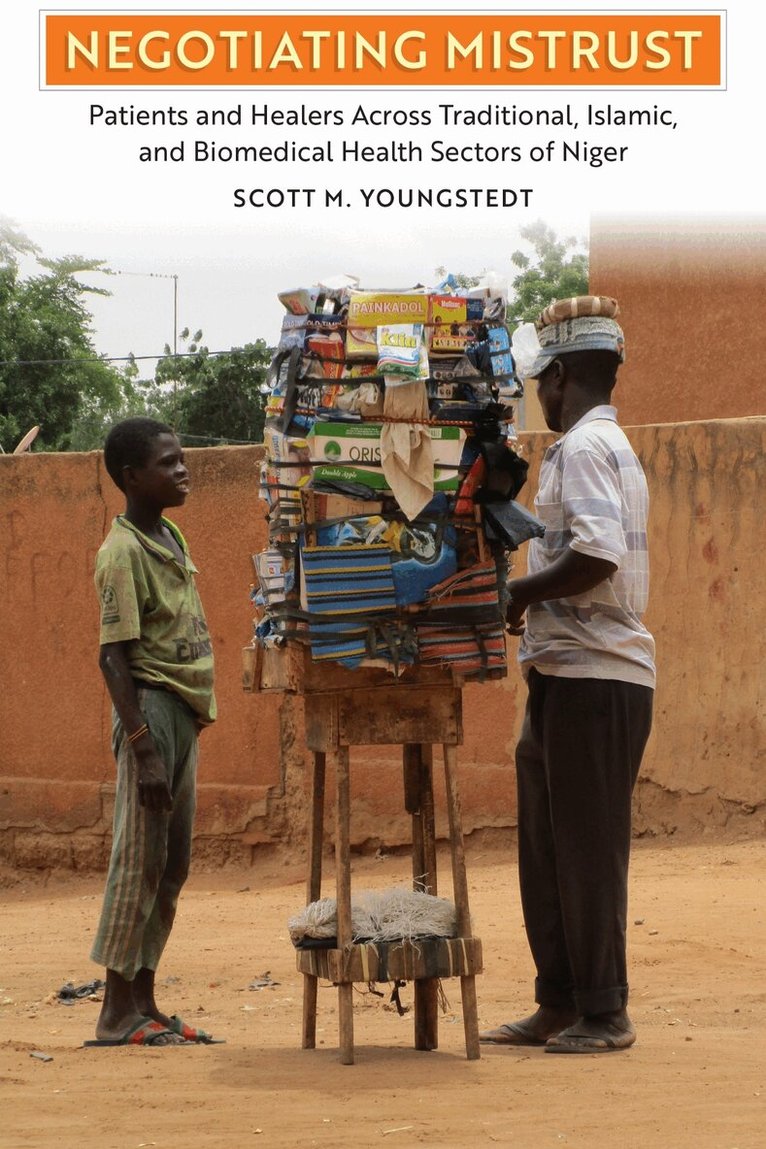
Negotiating Mistrust
Patients and Healers Across Traditional, Islamic, and Biomedical Health Sectors of Niger
Häftad, Engelska, 2026
481 kr
Skickas inom 7-10 vardagar
Unravels the complexity of pervasive mistrust across the primary medical sectors of Niger Negotiating Mistrust examines a wide diversity of patients and healers—and interactions between them—in Niamey, Niger through the analytical prism of mistrust. It offers a holistic study of the medical landscape in Niamey by focusing on the intersections between three medical sectors: traditional, Islamic, and biomedical.Scott M. Youngstedt asserts that nuanced analysis of the interplay between mistrust and trust is key to understanding the decisions that health-seeking Nigériens make among the multiple options available to them, while recognizing that in one of the world's very poorest countries, many forms of biomedical care—and some traditional and Islamic medicine—are unaffordable to most people. He demonstrates that mistrust and trust are not mutually exclusive, usually not absolute but exist on a fluid continuum, involve cognitive and affective dimensions, and are shaped by shifting historical, contemporary, and personal contexts. Medical mistrust often functions as a pragmatic, defensive attitude of engagement with uncertainty and risk. Mistrust complicates medical decision-making, but Nigériens are not paralyzed by it. Despite pervasive mistrust of medical systems and institutions, medicines, and healers of all sectors for diverse historical reasons, tens of thousands of Nigériens consult with and purchase medicines from healers daily on the streets of Niamey because their determination to get well helps them overcome their skepticism. Since people in Niamey are often mistrustful of medical care of all three sectors, practitioners must exert enormous energy earning potential patients' trust. Negotiating Mistrust focuses on the careers of generalist practitioners—healers who treat thirty or more conditions ranging from everyday annoyances to life-threatening problems—of all three sectors who work on the street and in roadside boutiques.Medical mistrust in various forms is widespread, possibly even universal. This focused study of the medical mistrust-trust dynamic in Niger yields important insights into health care interactions and medical decision-making worldwide.
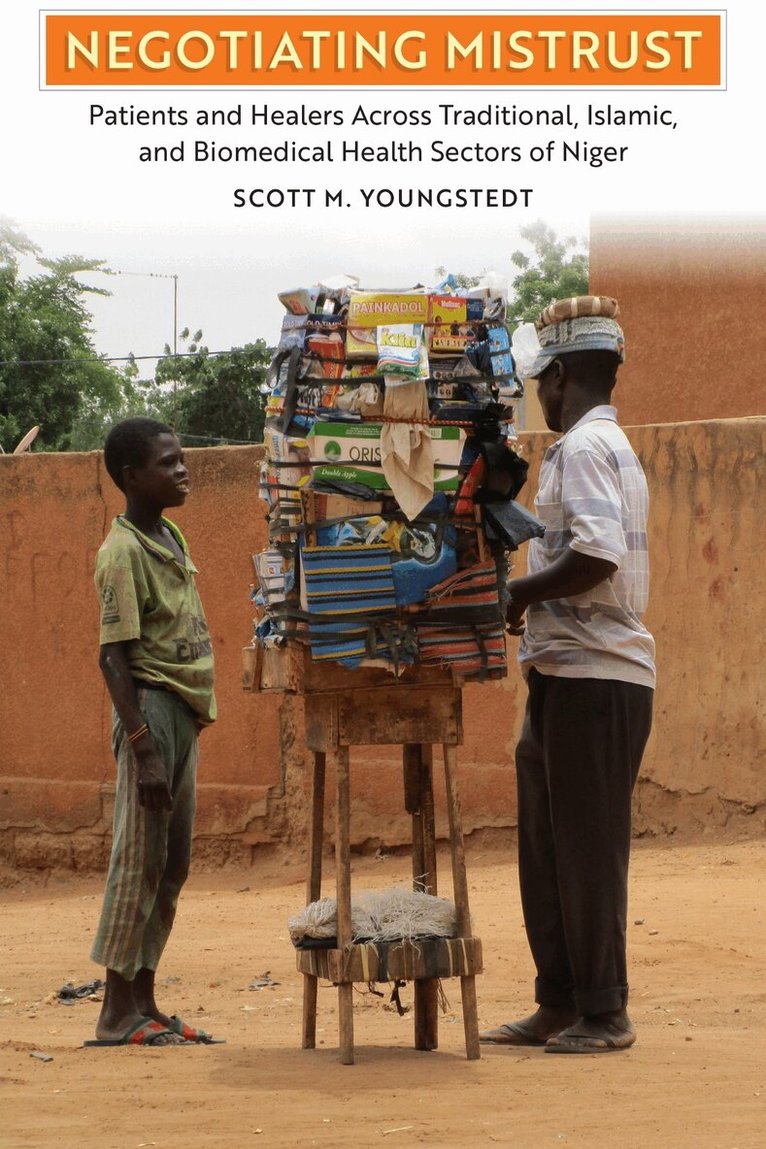
Negotiating Mistrust
Patients and Healers Across Traditional, Islamic, and Biomedical Health Sectors of Niger
Inbunden, Engelska, 2026
1 199 kr
Skickas inom 7-10 vardagar
Unravels the complexity of pervasive mistrust across the primary medical sectors of Niger Negotiating Mistrust examines a wide diversity of patients and healers—and interactions between them—in Niamey, Niger through the analytical prism of mistrust. It offers a holistic study of the medical landscape in Niamey by focusing on the intersections between three medical sectors: traditional, Islamic, and biomedical.Scott M. Youngstedt asserts that nuanced analysis of the interplay between mistrust and trust is key to understanding the decisions that health-seeking Nigériens make among the multiple options available to them, while recognizing that in one of the world's very poorest countries, many forms of biomedical care—and some traditional and Islamic medicine—are unaffordable to most people. He demonstrates that mistrust and trust are not mutually exclusive, usually not absolute but exist on a fluid continuum, involve cognitive and affective dimensions, and are shaped by shifting historical, contemporary, and personal contexts. Medical mistrust often functions as a pragmatic, defensive attitude of engagement with uncertainty and risk. Mistrust complicates medical decision-making, but Nigériens are not paralyzed by it. Despite pervasive mistrust of medical systems and institutions, medicines, and healers of all sectors for diverse historical reasons, tens of thousands of Nigériens consult with and purchase medicines from healers daily on the streets of Niamey because their determination to get well helps them overcome their skepticism. Since people in Niamey are often mistrustful of medical care of all three sectors, practitioners must exert enormous energy earning potential patients' trust. Negotiating Mistrust focuses on the careers of generalist practitioners—healers who treat thirty or more conditions ranging from everyday annoyances to life-threatening problems—of all three sectors who work on the street and in roadside boutiques.Medical mistrust in various forms is widespread, possibly even universal. This focused study of the medical mistrust-trust dynamic in Niger yields important insights into health care interactions and medical decision-making worldwide.