Altuğ Yalçıntaş – författare
Visar alla böcker från författaren Altuğ Yalçıntaş. Handla med fri frakt och snabb leverans.
7 produkter
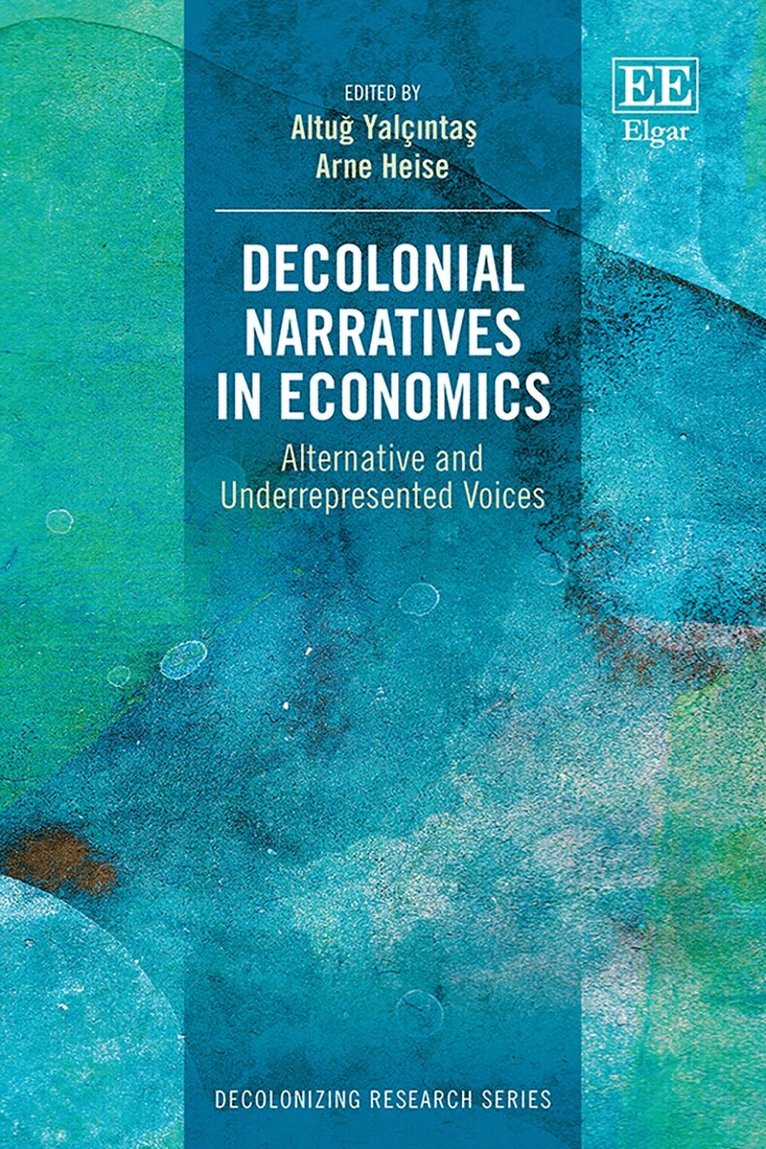
Decolonial Narratives in Economics
Alternative and Underrepresented Voices
Av Altuğ Yalçıntaş, Arne Heise
Inbunden, 2025
1903 kr
Lägg i varukorg
What narratives are underrepresented in the history of economic thought? How do economists account for freedom, justice, and democracy in non-Western cultures? How are ideas in non-English speaking countries disseminated? This book answers these critical questions with contributions by authors from …
Decolonial Narratives in Economics
Alternative and Underrepresented Voices
Av Arne Heise, Altug Yalcintas
E-bok, 2025
459 kr
Lägg i varukorg
What narratives are underrepresented in the history of economic thought? How do economists account for freedom, justice, and democracy in non-Western cultures? How are ideas in non-English speaking countries disseminated? This book answers these critical questions with contributions by authors from …
Decolonial Narratives in Economics
Alternative and Underrepresented Voices
Av Arne Heise, Altug Yalcintas
E-bok, 2025
459 kr
Lägg i varukorg
What narratives are underrepresented in the history of economic thought? How do economists account for freedom, justice, and democracy in non-Western cultures? How are ideas in non-English speaking countries disseminated? This book answers these critical questions with contributions by authors from …
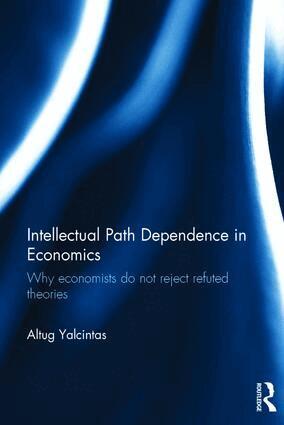
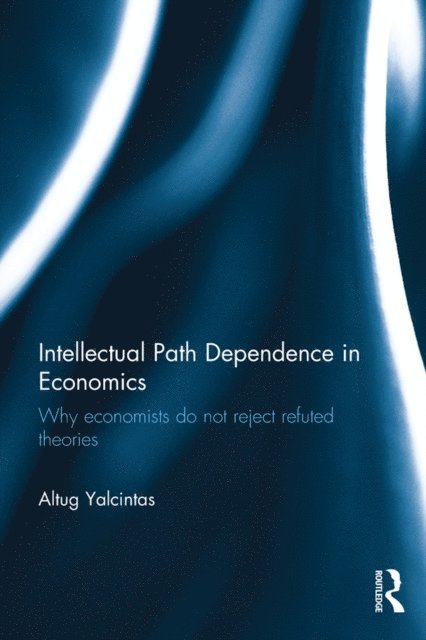
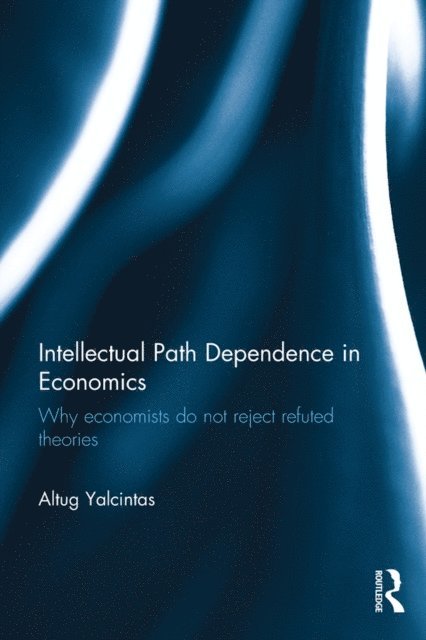
Intellectual Path Dependence in Economics
Why economists do not reject refuted theories
Inbunden, 2016
2585 kr
Lägg i varukorg
Is economics always self-corrective? Do erroneous theorems permanently disappear from the market of economic ideas? Intellectual Path Dependence in Economics argues that errors in economics are not always corrected. Although economists are often critical and open-minded, unfit explanations are …
Intellectual Path Dependence in Economics
Why economists do not reject refuted theories
Häftad, 2018
816 kr
Lägg i varukorg
Is economics always self-corrective? Do erroneous theorems permanently disappear from the market of economic ideas? Intellectual Path Dependence in Economics argues that errors in economics are not always corrected. Although economists are often critical and open-minded, unfit explanations are …
Intellectual Path Dependence in Economics
Why economists do not reject refuted theories
E-bok, 2016
935 kr
Lägg i varukorg
Is economics always self-corrective? Do erroneous theorems permanently disappear from the market of economic ideas? Intellectual Path Dependence in Economics argues that errors in economics are not always corrected. Although economists are often critical and open-minded, unfit explanations are …
Intellectual Path Dependence in Economics
Why economists do not reject refuted theories
E-bok, 2016
915 kr
Lägg i varukorg
Is economics always self-corrective? Do erroneous theorems permanently disappear from the market of economic ideas? Intellectual Path Dependence in Economics argues that errors in economics are not always corrected. Although economists are often critical and open-minded, unfit explanations are …