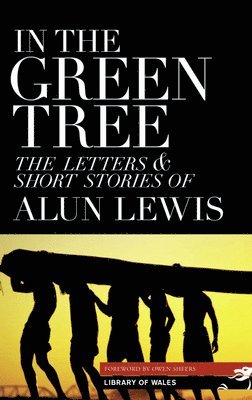
175 kr
Skickas
175 kr
Skickas
34 kr
Skickas
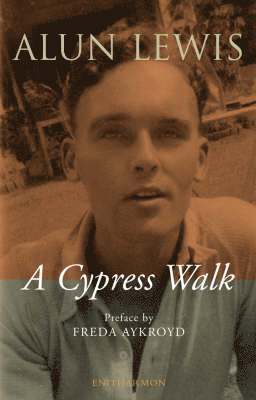
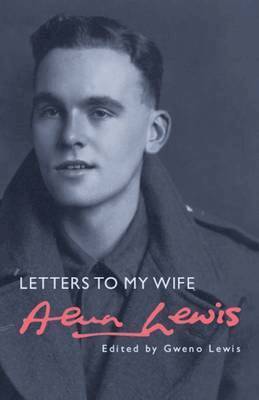
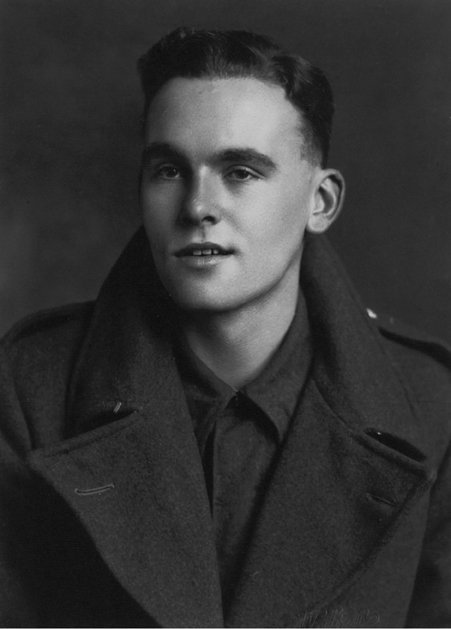
Alun Lewis was born on 1st July 1915 at Cwmaman, near Aberdare in the Cynon Valley in the South Wales Coalfield.
His parents were both school teachers at llanwern. Lewis was one of four children; a younger sister, and two brothers.
He was enthusiastic about writing from an early age. Lewis won a scholarship to attend Cowbridge Grammar School and from there went on to the University College of Wales and obtained a first in history in 1935. From there he went to the University of Manchester on a Pickles Research Fellowship and obtained his M.A in 1937.
Lewis first tried his hand at journalism but when he didn’t succeed he turned to work as a supply teacher.
In 1939, Lewis met Gweno Ellis, a teacher, whom he later married on 5th July 1941.
Lewis was committed to pacifism but with the outbreak of World War II these principles were overcome by his desire to confront and defeat the evils of fascism. Enlisting, in 1940, he joined the Royal Engineers but then for reasons unknown he sought and gained a commission in an infantry battalion.
In 1941 he collaborated with artists John Petts and Brenda Chamberlain on the ‘Caseg broadsheets’. These were inspired by chapbooks and broadside ballads and featured original woodcut artwork by Petts and poetry from prominent Welsh poets of the time including Dylan Thomas. Lewis was keen to create affordable literature for the masses. Unfortunately, sales were few and funds soon ran out.
His first published book, in 1942, was the poetry collection ‘Raider''s Dawn and Other Poems’. The same year a collection of short stories, ‘The Last Inspection’ followed. To round out the year he was dispatched to India to serve with the 6th Battalion of the South Wales Borderers.
Lewis'' poems about the war and his experiences certainly relay and explore many facets. His poetry is testament to his talents that have him rightly regarded as one of Britain’s most promising War Poets albeit on the thinnest of publications.
By 1944 he was a lieutenant in Burma fighting the Japanese. What followed next has been interpreted in several ways. On 5th March 1944 he was found, with a gun shot wound to the head, near the officer’s toilets. One account says he had been washing and shaving and then, it seems, tripped and accidentally shot himself. Indeed, that was the official version written up by the army. Another, and perhaps more plausible account classes it as a suicide, the gun was still in his hand. Fatally wounded he survived for another 6 hours.
Whatever the truth as to how or why Alun Lewis died on March 5th, 1944. He was 28.
34 kr
Läs direkt efter köp
Alun Lewis was born on 1st July 1915 at Cwmaman, near Aberdare in the Cynon Valley in the South Wales Coalfield.
His parents were both school teachers at llanwern. Lewis was one of four children; a younger sister, and two brothers.
He was enthusiastic about writing from an early age. Lewis won a scholarship to attend Cowbridge Grammar School and from there went on to the University College of Wales and obtained a first in history in 1935. From there he went to the University of Manchester on a Pickles Research Fellowship and obtained his M.A in 1937.
Lewis first tried his hand at journalism but when he didn’t succeed he turned to work as a supply teacher.
In 1939, Lewis met Gweno Ellis, a teacher, whom he later married on 5th July 1941.
Lewis was committed to pacifism but with the outbreak of World War II these principles were overcome by his desire to confront and defeat the evils of fascism. Enlisting, in 1940, he joined the Royal Engineers but then for reasons unknown he sought and gained a commission in an infantry battalion.
In 1941 he collaborated with artists John Petts and Brenda Chamberlain on the ‘Caseg broadsheets’. These were inspired by chapbooks and broadside ballads and featured original woodcut artwork by Petts and poetry from prominent Welsh poets of the time including Dylan Thomas. Lewis was keen to create affordable literature for the masses. Unfortunately, sales were few and funds soon ran out.
His first published book, in 1942, was the poetry collection ‘Raider''s Dawn and Other Poems’. The same year a collection of short stories, ‘The Last Inspection’ followed. To round out the year he was dispatched to India to serve with the 6th Battalion of the South Wales Borderers.
Lewis'' poems about the war and his experiences certainly relay and explore many facets. His poetry is testament to his talents that have him rightly regarded as one of Britain’s most promising War Poets albeit on the thinnest of publications.
By 1944 he was a lieutenant in Burma fighting the Japanese. What followed next has been interpreted in several ways. On 5th March 1944 he was found, with a gun shot wound to the head, near the officer’s toilets. One account says he had been washing and shaving and then, it seems, tripped and accidentally shot himself. Indeed, that was the official version written up by the army. Another, and perhaps more plausible account classes it as a suicide, the gun was still in his hand. Fatally wounded he survived for another 6 hours.
Whatever the truth as to how or why Alun Lewis died on March 5th, 1944. He was 28.
175 kr
Skickas
227 kr
Skickas inom 11-20 vardagar
160 kr
Tillfälligt slut
172 kr
Tillfälligt slut
184 kr
Tillfälligt slut
114 kr
Tillfälligt slut
Alun Lewis (1915-1944) is one of the most impressive and important writers of the 20th century. The leading author of World War Two, perhaps the leading poet, he is still an influential figure, particularly in his native Wales. In this new and revised edition of his biography John Pikoulis draws on unpublished material and Lewis's now extensively available work to present a portrait of the man: passionate, thoughtful, serious with an often romantic nature.From his childhood days in the depressed valleys of south Wales, Lewis felt he had a vocation to be a writer. Pikoulis traces Lewis's development from the remarkable schoolboy stories written as an unhappy boarder, through his university education at Aberystwyth and Manchester to his return to the valleys as a teacher. His extended treatment of Lewis's military service, especially in India and Burma (where he was to die aged twenty-eight), reflects his standing as a war writer.Lewis's poems and stories, authentic and moving, were popular with both readers and critics, catching the tone of the 'phoney war' years and later the disturbing but exciting experience of his war in India. His vivid letters home, which have been compared to Keats's letters, capture both the atmosphere of war and the essence of Lewis's character, and Pikoulis draws on them, and on contemporary photographs, to portray a fascinating man and writer.Dr. John Pikoulis is a lecturer in the Department of Continuing Studies at Cardiff University. His other books include a critical study of William Faulkner.
111 kr
Tillfälligt slut
175 kr
Skickas
34 kr
Skickas
Alun Lewis was born on 1st July 1915 at Cwmaman, near Aberdare in the Cynon Valley in the South Wales Coalfield.
His parents were both school teachers at llanwern. Lewis was one of four children; a younger sister, and two brothers.
He was enthusiastic about writing from an early age. Lewis won a scholarship to attend Cowbridge Grammar School and from there went on to the University College of Wales and obtained a first in history in 1935. From there he went to the University of Manchester on a Pickles Research Fellowship and obtained his M.A in 1937.
Lewis first tried his hand at journalism but when he didn’t succeed he turned to work as a supply teacher.
In 1939, Lewis met Gweno Ellis, a teacher, whom he later married on 5th July 1941.
Lewis was committed to pacifism but with the outbreak of World War II these principles were overcome by his desire to confront and defeat the evils of fascism. Enlisting, in 1940, he joined the Royal Engineers but then for reasons unknown he sought and gained a commission in an infantry battalion.
In 1941 he collaborated with artists John Petts and Brenda Chamberlain on the ‘Caseg broadsheets’. These were inspired by chapbooks and broadside ballads and featured original woodcut artwork by Petts and poetry from prominent Welsh poets of the time including Dylan Thomas. Lewis was keen to create affordable literature for the masses. Unfortunately, sales were few and funds soon ran out.
His first published book, in 1942, was the poetry collection ‘Raider''s Dawn and Other Poems’. The same year a collection of short stories, ‘The Last Inspection’ followed. To round out the year he was dispatched to India to serve with the 6th Battalion of the South Wales Borderers.
Lewis'' poems about the war and his experiences certainly relay and explore many facets. His poetry is testament to his talents that have him rightly regarded as one of Britain’s most promising War Poets albeit on the thinnest of publications.
By 1944 he was a lieutenant in Burma fighting the Japanese. What followed next has been interpreted in several ways. On 5th March 1944 he was found, with a gun shot wound to the head, near the officer’s toilets. One account says he had been washing and shaving and then, it seems, tripped and accidentally shot himself. Indeed, that was the official version written up by the army. Another, and perhaps more plausible account classes it as a suicide, the gun was still in his hand. Fatally wounded he survived for another 6 hours.
Whatever the truth as to how or why Alun Lewis died on March 5th, 1944. He was 28.
34 kr
Läs direkt efter köp
Alun Lewis was born on 1st July 1915 at Cwmaman, near Aberdare in the Cynon Valley in the South Wales Coalfield.
His parents were both school teachers at llanwern. Lewis was one of four children; a younger sister, and two brothers.
He was enthusiastic about writing from an early age. Lewis won a scholarship to attend Cowbridge Grammar School and from there went on to the University College of Wales and obtained a first in history in 1935. From there he went to the University of Manchester on a Pickles Research Fellowship and obtained his M.A in 1937.
Lewis first tried his hand at journalism but when he didn’t succeed he turned to work as a supply teacher.
In 1939, Lewis met Gweno Ellis, a teacher, whom he later married on 5th July 1941.
Lewis was committed to pacifism but with the outbreak of World War II these principles were overcome by his desire to confront and defeat the evils of fascism. Enlisting, in 1940, he joined the Royal Engineers but then for reasons unknown he sought and gained a commission in an infantry battalion.
In 1941 he collaborated with artists John Petts and Brenda Chamberlain on the ‘Caseg broadsheets’. These were inspired by chapbooks and broadside ballads and featured original woodcut artwork by Petts and poetry from prominent Welsh poets of the time including Dylan Thomas. Lewis was keen to create affordable literature for the masses. Unfortunately, sales were few and funds soon ran out.
His first published book, in 1942, was the poetry collection ‘Raider''s Dawn and Other Poems’. The same year a collection of short stories, ‘The Last Inspection’ followed. To round out the year he was dispatched to India to serve with the 6th Battalion of the South Wales Borderers.
Lewis'' poems about the war and his experiences certainly relay and explore many facets. His poetry is testament to his talents that have him rightly regarded as one of Britain’s most promising War Poets albeit on the thinnest of publications.
By 1944 he was a lieutenant in Burma fighting the Japanese. What followed next has been interpreted in several ways. On 5th March 1944 he was found, with a gun shot wound to the head, near the officer’s toilets. One account says he had been washing and shaving and then, it seems, tripped and accidentally shot himself. Indeed, that was the official version written up by the army. Another, and perhaps more plausible account classes it as a suicide, the gun was still in his hand. Fatally wounded he survived for another 6 hours.
Whatever the truth as to how or why Alun Lewis died on March 5th, 1944. He was 28.
175 kr
Skickas
227 kr
Skickas inom 11-20 vardagar
160 kr
Tillfälligt slut
172 kr
Tillfälligt slut
184 kr
Tillfälligt slut
114 kr
Tillfälligt slut
Alun Lewis (1915-1944) is one of the most impressive and important writers of the 20th century. The leading author of World War Two, perhaps the leading poet, he is still an influential figure, particularly in his native Wales. In this new and revised edition of his biography John Pikoulis draws on unpublished material and Lewis's now extensively available work to present a portrait of the man: passionate, thoughtful, serious with an often romantic nature.From his childhood days in the depressed valleys of south Wales, Lewis felt he had a vocation to be a writer. Pikoulis traces Lewis's development from the remarkable schoolboy stories written as an unhappy boarder, through his university education at Aberystwyth and Manchester to his return to the valleys as a teacher. His extended treatment of Lewis's military service, especially in India and Burma (where he was to die aged twenty-eight), reflects his standing as a war writer.Lewis's poems and stories, authentic and moving, were popular with both readers and critics, catching the tone of the 'phoney war' years and later the disturbing but exciting experience of his war in India. His vivid letters home, which have been compared to Keats's letters, capture both the atmosphere of war and the essence of Lewis's character, and Pikoulis draws on them, and on contemporary photographs, to portray a fascinating man and writer.Dr. John Pikoulis is a lecturer in the Department of Continuing Studies at Cardiff University. His other books include a critical study of William Faulkner.
111 kr
Tillfälligt slut