Alwyn W. Turner - Böcker
Visar alla böcker från författaren Alwyn W. Turner. Handla med fri frakt och snabb leverans.
5 produkter
5 produkter
214 kr
Skickas
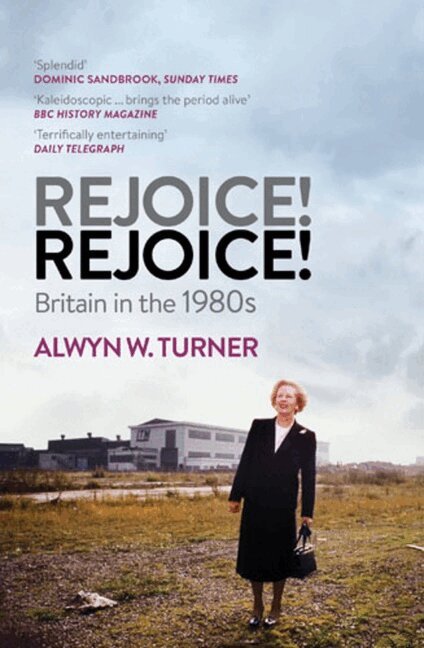
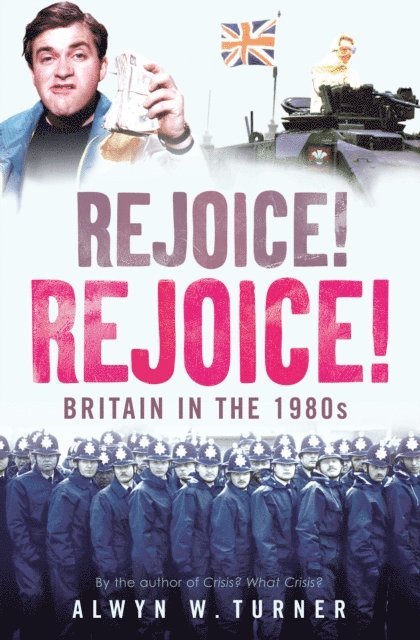
'A masterly mix of shrewd analysis, historical detail and telling quotes... Indispensable’ Mail on Sunday'Among a host of recent books on the 1980s, Turner's stands out as comfortably the most entertaining’ Sunday TimesWhen Margaret Thatcher became prime minister in 1979 she promised to bring harmony where once there had been discord. But Britain entered the 1980s bitterly divided over its future. At stake were the souls of the great population boom of the 1960s. Would they buy into the free-market, patriotic agenda of Thatcherism? Or the anti-racist, anti-sexist liberalism of the new left?From the miners’ strike, the Falklands War and the spectre of AIDS, to Yes Minister, championship snooker and Boy George, Rejoice! Rejoice! steps back in time to relive the decade when the Iron Lady sought to remake Britain. What it discovers is a thoroughly foreign country.
131 kr
Skickas
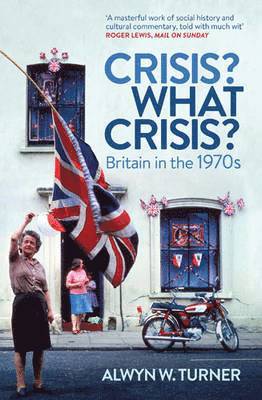
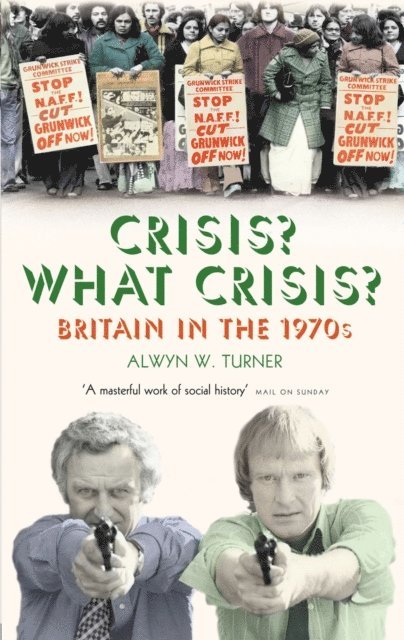
The 1970s were the most colourful and controversial decade in the history of modern Britain; they were both the best of times and the worst of times. Wealth inequality was at a record low, yet industrial strife was at a record high. These were the glory years of Doctor Who and glam rock, but the darkest days of the Northern Ireland conflict. Beset by strikes, inflation, power cuts and the rise of the far right, the cosy Britain of the post-war consensus was unravelling – in spectacularly lurid style. Fusing high politics and low culture, this historical account of a decade presents a world in which Enoch Powell, Ted Heath and Tony Benn jostle for space with David Bowie, Hilda Ogden and Margo Leadbetter, and reveals why a country exhausted by decline eventually turned to Margaret Thatcher for salvation.
214 kr
Skickas
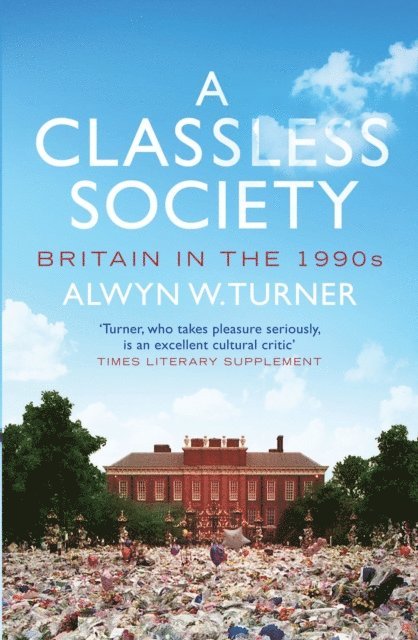
"Superb" NICK COHEN, author of What's Left?"Tremendously entertaining" DOMINIC SANDBROOK, Sunday Times"Like his previous histories of the Seventies and Eighties, A Classless Society is an extraordinarily comprehensive work. Turner writes brilliantly, creating a compelling narrative of the decade, weaving contrasting elements together with a natural storyteller’s aplomb… engaging and unique" IRVINE WELSH, Daily Telegraph"Ravenously inquisitive, darkly comical and coolly undeceived... Turner is a master of the telling detail" CRAIG BROWN, Mail on SundayOpening with a war in the Gulf and ending with the terrorist attacks of 11 September 2001, this entertaining encyclopedia of recent British history goes in search of the decade when modern Britain came of age. What it finds is a nation anxiously grappling with new technologies, tentatively embracing new lifestyles, and, above all, forging a new sense of what it means to be British.An exploration of a decade that is yet to be defined or anatomised as the 1960s or 1970s have been, this comprehensive history examines a Britain still reeling from the conflicts of the Thatcher years. When Margaret Thatcher was ousted from Downing Street in November 1990 after eleven years of bitter social and economic conflict, many hoped that the decade to come would be more 'caring'; others dared to believe that the more radical policies of her revolution might even be overturned. Across politics and culture there was an apparent yearning for something the Iron Lady had famously dismissed: society. Yet the forces that had warred over the country during the 1980s were to prevent any simple turning back of the clock. The 'New Britain' to emerge under John Major and Tony Blair would be a contradiction: economically unequal but culturally classless.While Westminster agonised over sleaze and the ERM, the country outside became the playground of the New Lad and his sister the Ladette, of Swampy and the YBAs, of Posh and Becks and Jarvis Cocker. A new era was dawning which promised to connect us via the 'information superhighway' and entertain us with 'docusoaps'. It was also a period that would see old moral certainties swept aside, and once venerable institutions descend into farce - followed, in the case of the Royal Family, by tragedy."Deserves to become a classic" EDWINA CURRIE"Rich and encyclopaedic" ROGER LEWIS, Daily Mail"Excellent" D.J. TAYLOR, Independent
235 kr
Skickas
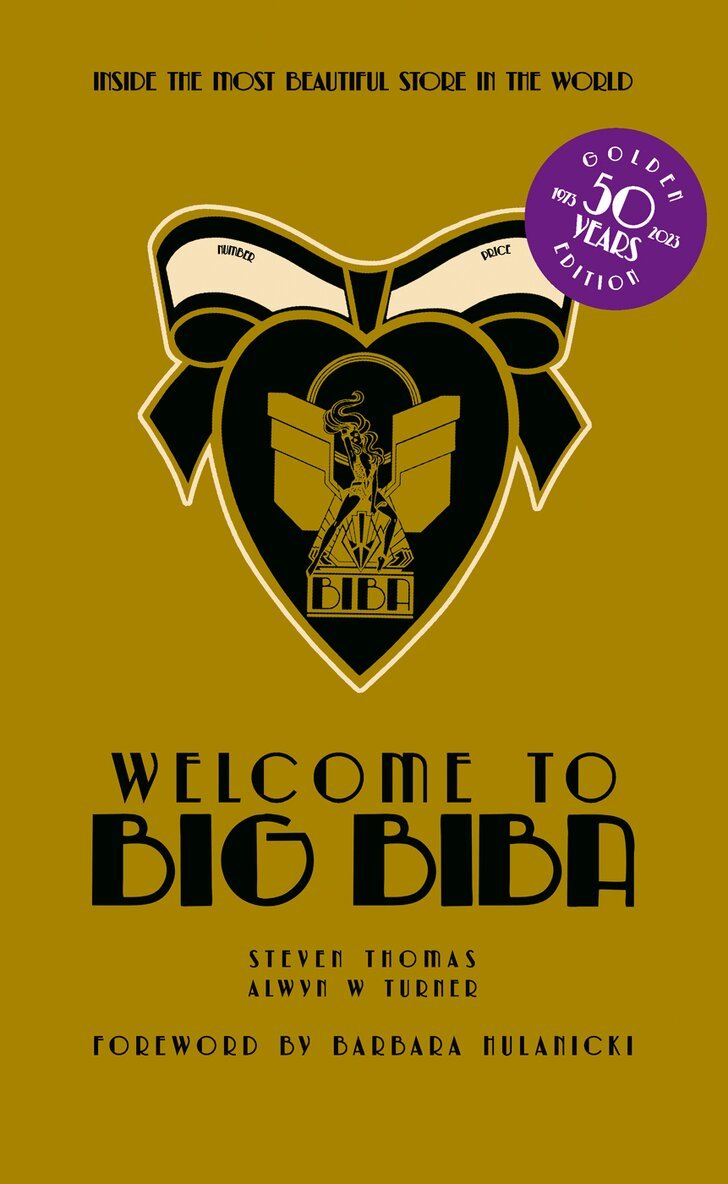
"Unseen illustrations show the genius of Biba’s Barbara Hulanicki – in pictures... " — The Guardian"This reissued book is a photographic love letter to its dark, decadent glamour." — The Lady Magazine"... “This book is a testament to creative freedom,” writes the now 87-year-old Hulanicki in the foreword, reflecting on her legacy. “You can do it all as long as you learn to wear a suit. Of course, your secret will be that the suit is lined in gold lamé." — CNNBig Biba was the final flowering of the near-mythical Biba retail brand. A shop like no other, all seven storeys stocked own-brand products packaged in the distinctive Biba style. Customers were immersed in a sensory smorgasbord – the complete shopping experience. A committed Bibaphile could buy a satin skirt, a leopard-print suitcase and a new bathroom, then spend the afternoon sipping cocktails among the flamingos in the roof garden, while the legendary Rainbow Room doubled as a live venue for some of the coolest acts in the world.In the wake of this decadent dreamland’s 50th anniversary, and in honour of the 60th anniversary of the very first Biba shop, Welcome to Big Biba is being republished, complete with over 150 photographs of the store and its products and designs. Written by the author of The Biba Experience and designed by Steven Thomas – the designer of Big Biba itself – these pages offer readers a genuine slice of the greatest pleasure palace in retail history.‘Welcome to Big Biba is an exceptional production… a perfectionistic coup’ – Phil Baker, The Art Book.
232 kr
Skickas inom 7-10 vardagar
Drawing on the collections of the V&A, Glam Rock narrates the story of glam and explores its impact on fashion, theatre and film. In the early 1970s, glam rock changed the face of popular culture in Britain and, against a backdrop of a nation racked by economical and social crises, its flamboyancy and theatricality provided an excuse for a party and an escapist dream for musicians and fans alike. British acts like David Bowie, Roxy Music, T. Rex and Mott the Hoople - together with American fellow-travellers including Lou Reed, Alice Cooper and Sparks - drew on the original blueprint of rock and roll, as well as a host of other traditions, from Hollywood to the music hall, Berlin cabaret and Broadway musicals to science fiction and pop art. The resulting music was a wild blend of camp artifice and avant-garde decadence. By 1975 the era had come to an end, but glam never truly went away. Indeed, its attitudes and aesthetics have shaped much that has followed since, from disco to punk, the new romantics to Britpop, Prince to Lady Gaga.