Amalia Pallares - Böcker
Visar alla böcker från författaren Amalia Pallares. Handla med fri frakt och snabb leverans.
5 produkter
5 produkter
322 kr
Skickas inom 7-10 vardagar
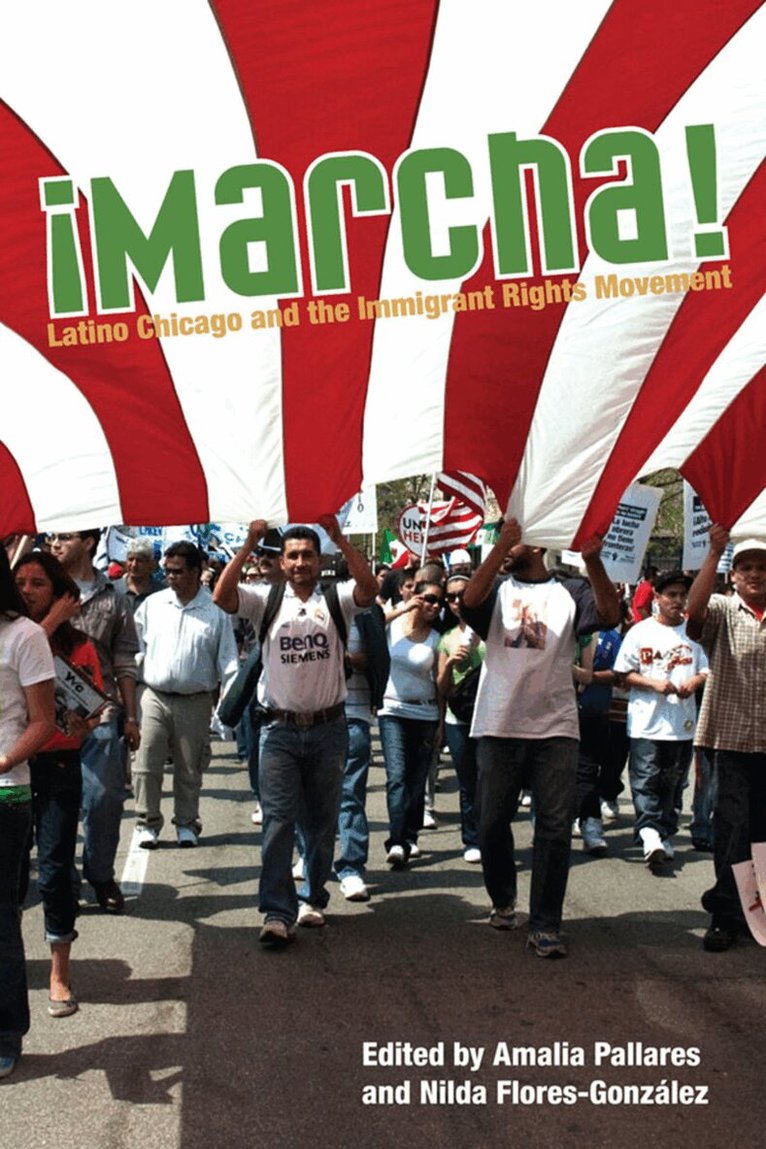
Marcha is a multidisciplinary survey of the individuals, organizations, and institutions that have given shape and power to the contemporary immigrant rights movement in Chicago. A city with longstanding historic ties to immigrant activism, Chicago has been the scene of a precedent-setting immigrant rights mobilization in 2006 and subsequent mobilizations in 2007 and 2008. Positing Chicago as a microcosm of the immigrant rights movement on national level, these essays plumb an extraordinarily rich set of data regarding recent immigrant rights activities, defining the cause as not just a local quest for citizenship rights, but a panethnic, transnational movement. The result is a timely volume likely to provoke debate and advance the national conversation about immigration in innovative ways.
From Peasant Struggles to Indian Resistance
The Ecuadorian Andes in the Late Twentieth Century
Inbunden, Engelska, 2002
281 kr
Skickas inom 10-15 vardagar
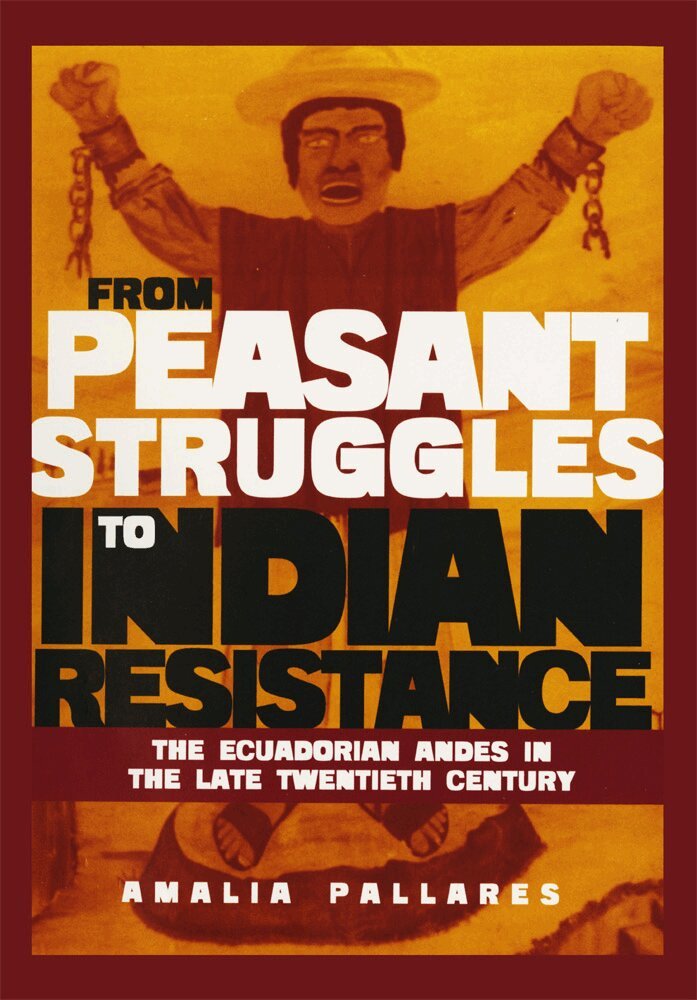
Drawing on extensive research in her native Ecuador, Amalia Pallares examines the South American Indian movement in the Ecuadorian Andes and explains its shift from class politics to racial politics in the late twentieth century. Pallares uses an interdisciplinary approach to explore the reasons why indigenous Ecuadorians have bypassed their shared class status with other peasant groups and movements in favor of a political identity based on their unique ethnicity as Indians.In the 1960s and 1970s, land reform and the modernization of economic and political structures in Ecuador led to changes in the sense of self and community held by South American Indian activists. Pallares recounts how a campesinista (peasant-based) identification developed into an indianista (Indian-based) form of personal and communal self-definition. Ethnic identity was no longer conceived as a subset of class identity--a change that shifted the Indians' ideological focus from local struggles to pan-ethnic resistance. In the process, indigenous peoples created a positive Indian self-definition and a pan-ethnic Indian movement. They also reconceived their political identity, their cultural structures, and the relationship between their social movement and the state. Through this new sense of themselves, they sought to confront racism and obtain political autonomy.
From Peasant Struggles to Indian Resistance
The Ecuadorian Andes in the Late Twentieth Century
Häftad, Engelska, 2024
213 kr
Skickas inom 10-15 vardagar
Drawing on extensive research in her native Ecuador, Amalia Pallares examines the South American Indian movement in the Ecuadorian Andes and explains its shift from class politics to racial politics in the late twentieth century. Pallares uses an interdisciplinary approach to explore the reasons why indigenous Ecuadorians have bypassed their shared class status with other peasant groups and movements in favor of a political identity based on their unique ethnicity as Indians.In the 1960s and 1970s, land reform and the modernization of economic and political structures in Ecuador led to changes in the sense of self and community held by South American Indian activists. Pallares recounts how a campesinista (peasant-based) identification developed into an indianista (Indian-based) form of personal and communal self-definition. Ethnic identity was no longer conceived as a subset of class identity--a change that shifted the Indians' ideological focus from local struggles to pan-ethnic resistance. In the process, indigenous peoples created a positive Indian self-definition and a pan-ethnic Indian movement. They also reconceived their political identity, their cultural structures, and the relationship between their social movement and the state. Through this new sense of themselves, they sought to confront racism and obtain political autonomy.
433 kr
Skickas inom 10-15 vardagar
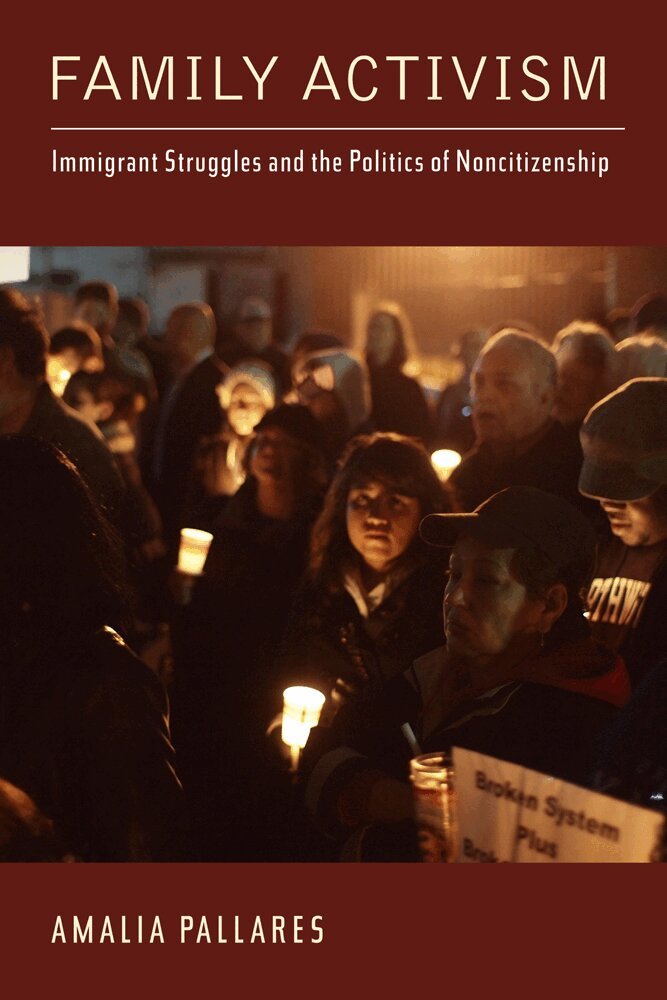
During the past ten years, legal and political changes in the United States have dramatically altered the legalization process for millions of undocumented immigrants and their families. Faced with fewer legalization options, immigrants without legal status and their supporters have organized around the concept of the family as a political subject-a political subject with its rights violated by immigration laws. Drawing upon the idea of the “impossible activism” of undocumented immigrants, Amalia Pallares argues that those without legal status defy this “impossible” context by relying on the politicization of the family to challenge justice within contemporary immigration law. The culmination of a seven-year-long ethnography of undocumented immigrants and their families in Chicago, as well as national immigrant politics,Family Activism examines the three ways in which the family has become politically significant: as a political subject, as a frame for immigrant rights activism, and as a symbol of racial subordination and resistance. By analyzing grassroots campaigns, churches and interfaith coalitions, immigrant rights movements, and immigration legislation, Pallares challenges the traditional familial idea, ultimately reframing the family as a site of political struggle and as a basis for mobilization in immigrant communities.
1 604 kr
Skickas inom 10-15 vardagar
During the past ten years, legal and political changes in the United States have dramatically altered the legalization process for millions of undocumented immigrants and their families. Faced with fewer legalization options, immigrants without legal status and their supporters have organized around the concept of the family as a political subject-a political subject with its rights violated by immigration laws. Drawing upon the idea of the “impossible activism” of undocumented immigrants, Amalia Pallares argues that those without legal status defy this “impossible” context by relying on the politicization of the family to challenge justice within contemporary immigration law. The culmination of a seven-year-long ethnography of undocumented immigrants and their families in Chicago, as well as national immigrant politics,Family Activism examines the three ways in which the family has become politically significant: as a political subject, as a frame for immigrant rights activism, and as a symbol of racial subordination and resistance. By analyzing grassroots campaigns, churches and interfaith coalitions, immigrant rights movements, and immigration legislation, Pallares challenges the traditional familial idea, ultimately reframing the family as a site of political struggle and as a basis for mobilization in immigrant communities.