
Amanda C. Pipkin – författare
Visar alla böcker från författaren . Handla med fri frakt och snabb leverans.
5 produkter
5 produkter
E-bok
PDF, Engelska, 20221 335 kr
Läs direkt efter köp
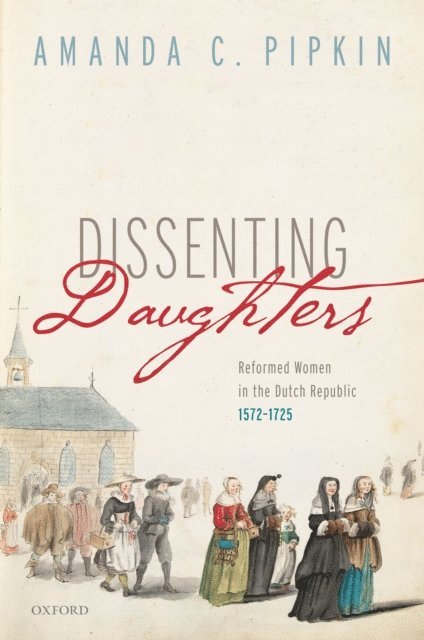
Dissenting Daughters reveals that devout women made vital contributions to the spread and practice of the Reformed faith in the Dutch Republic in the sixteenth and seventeenth centuries. The six women at the heart of this study: Cornelia Teellinck, Susanna Teellinck, Anna Maria van Schurman, Sara Nevius, Cornelia Leydekker, and Henrica van Hoolwerff, were influential members of networks known for supporting a religious revival known as the Further Reformation. These women earned the support and appreciation of their religious leaders, friends, and relatives by seizing the tools offered by domestic religious study and worship and forming alliances with prominent ministers including Willem Teellinck, Gijsbertus Voetius, Wilhelmus à Brakel, and Melchior Leydekker as well as with other well-connected, well-educated women. They deployed their talents to bolster the Dutch Reformed Church from 1572, the first year its members could publicly organize, to the death of this book''s last surviving subject Cornelia Leydekker in 1725. In return for their adoption of religious teachings that constricted them in many ways, they gained the authority to minister to their family members, their female friends, and a broader audience of men and women during domestic worship as well as through their written works. These "dissenting daughters" vehemently defended their faith - against Spanish and French Catholics, as well as their neighbors, politicians, and ministers within the Dutch Republic whom they judged to be lax and overly tolerant of sinful behavior, finding ways to flourish among the strictest orthodox believers within the Dutch Reformed Church.
E-bok
Engelska, 20221 335 kr
Läs direkt efter köp
Dissenting Daughters reveals that devout women made vital contributions to the spread and practice of the Reformed faith in the Dutch Republic in the sixteenth and seventeenth centuries. The six women at the heart of this study: Cornelia Teellinck, Susanna Teellinck, Anna Maria van Schurman, Sara Nevius, Cornelia Leydekker, and Henrica van Hoolwerff, were influential members of networks known for supporting a religious revival known as the Further Reformation. These women earned the support and appreciation of their religious leaders, friends, and relatives by seizing the tools offered by domestic religious study and worship and forming alliances with prominent ministers including Willem Teellinck, Gijsbertus Voetius, Wilhelmus à Brakel, and Melchior Leydekker as well as with other well-connected, well-educated women. They deployed their talents to bolster the Dutch Reformed Church from 1572, the first year its members could publicly organize, to the death of this book''s last surviving subject Cornelia Leydekker in 1725. In return for their adoption of religious teachings that constricted them in many ways, they gained the authority to minister to their family members, their female friends, and a broader audience of men and women during domestic worship as well as through their written works. These "dissenting daughters" vehemently defended their faith - against Spanish and French Catholics, as well as their neighbors, politicians, and ministers within the Dutch Republic whom they judged to be lax and overly tolerant of sinful behavior, finding ways to flourish among the strictest orthodox believers within the Dutch Reformed Church.
Inbunden, Engelska, 2022
1 495 kr
Skickas inom 5-8 vardagar
Dissenting Daughters reveals that devout women made vital contributions to the spread and practice of the Reformed faith in the Dutch Republic in the sixteenth and seventeenth centuries. The six women at the heart of this study: Cornelia Teellinck, Susanna Teellinck, Anna Maria van Schurman, Sara Nevius, Cornelia Leydekker, and Henrica van Hoolwerff, were influential members of networks known for supporting a religious revival known as the Further Reformation. These women earned the support and appreciation of their religious leaders, friends, and relatives by seizing the tools offered by domestic religious study and worship and forming alliances with prominent ministers including Willem Teellinck, Gijsbertus Voetius, Wilhelmus à Brakel, and Melchior Leydekker as well as with other well-connected, well-educated women. They deployed their talents to bolster the Dutch Reformed Church from 1572, the first year its members could publicly organize, to the death of this book's last surviving subject Cornelia Leydekker in 1725. In return for their adoption of religious teachings that constricted them in many ways, they gained the authority to minister to their family members, their female friends, and a broader audience of men and women during domestic worship as well as through their written works. These "dissenting daughters" vehemently defended their faith - against Spanish and French Catholics, as well as their neighbors, politicians, and ministers within the Dutch Republic whom they judged to be lax and overly tolerant of sinful behavior, finding ways to flourish among the strictest orthodox believers within the Dutch Reformed Church.
Del 172 - Studies in Medieval and Reformation Traditions
Rape in the Republic, 1609-1725: Formulating Dutch Identity
Inbunden, Engelska, 2013
2 635 kr
Skickas inom 5-8 vardagar
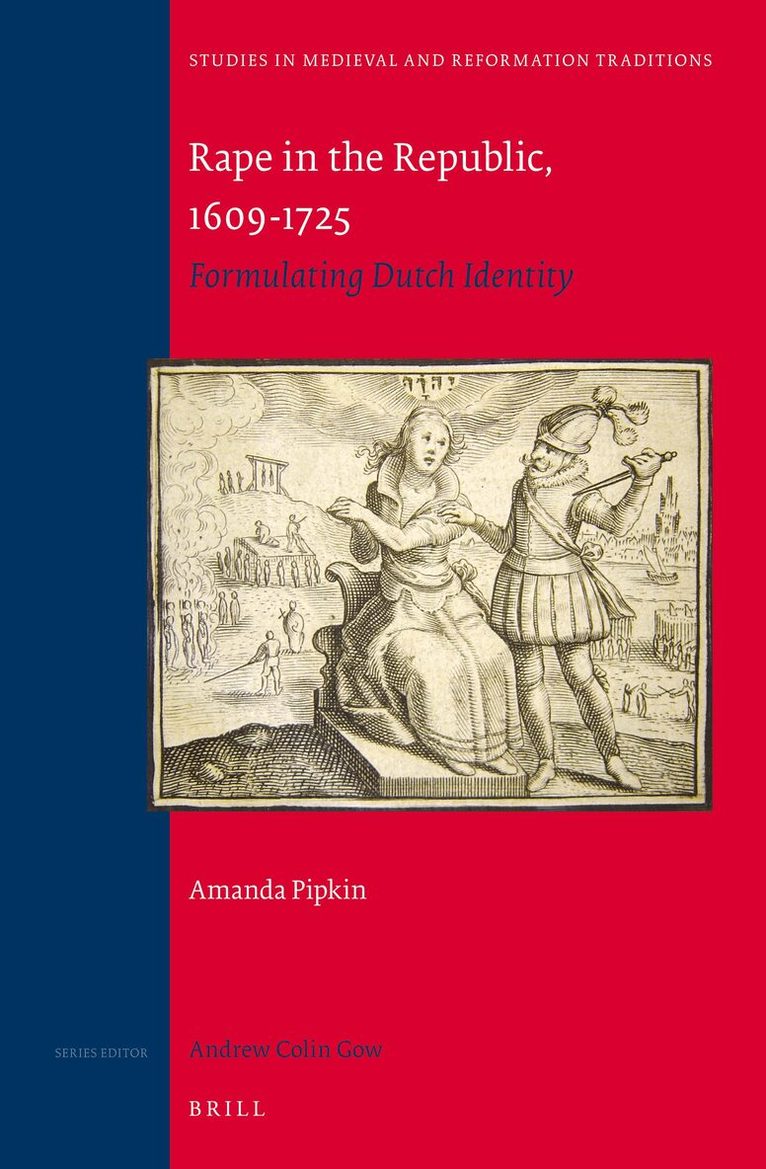
This book reveals the fundamental role rape played in promoting Dutch solidarity from 1609-1725. Through the identification of particular enemies, it directed attention away from competing regional, religious, and political loyalties. Patriotic Protestant authors highlighted atrocities committed by the Spanish and lower-class criminals. They conversely cast Dutch men as protectors of their wives and daughters – an appealing characterization that allowed the Dutch to take pride in a sense of moral superiority and justify the Dutch Revolt. After the conclusion of peace with Spain in 1648, marginalized authors, including Catholic priests and literary women, employed depictions of rape to subtly advance their own agendas without undermining political stability. Rape was thus essential in the development and preservation of a common identity that paved the way for the Dutch defeat of the mighty Spanish empire and their rise to economic pre-eminence in Europe.
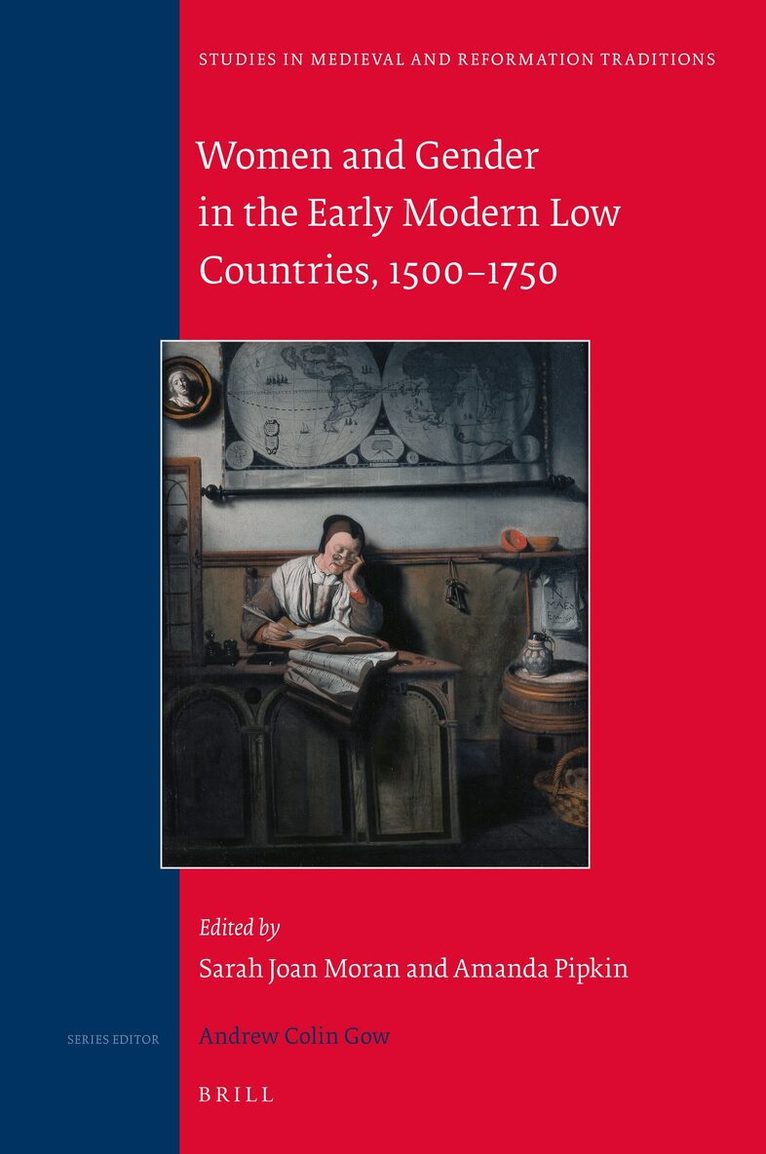
Del 217 - Studies in Medieval and Reformation Traditions
Women and Gender in the Early Modern Low Countries, 1500 - 1750
Inbunden, Engelska, 2019
2 075 kr
Skickas inom 5-8 vardagar
Women and Gender in the Early Modern Low Countries, 1500-1750 brings together research on women and gender across the Low Countries, a culturally contiguous region that was split by the Eighty Years' War into the Protestant Dutch Republic in the North and the Spanish-controlled, Catholic Hapsburg Netherlands in the South.The authors of this interdisciplinary volume highlight women’s experiences of social class, as family members, before the law, and as authors, artists, and patrons, as well as the workings of gender in art and literature. In studies ranging from microhistories to surveys, the book reveals the Low Countries as a remarkable historical laboratory for its topic and points to the opportunities the region holds for future scholarly investigations.Contributors: Martine van Elk, Martha Howell, Martha Moffitt Peacock, Sarah Joan Moran, Amanda Pipkin, Katlijne Van der Stighelen, Margit Thøfner, and Diane Wolfthal.