Amanda Flather - Böcker
Visar alla böcker från författaren Amanda Flather. Handla med fri frakt och snabb leverans.
6 produkter
6 produkter
Del 55 - Royal Historical Society Studies in History New Series
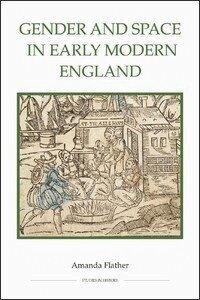
Gender and Space in Early Modern England
Inbunden, Engelska, 2007
1 093 kr
Skickas inom 10-15 vardagar
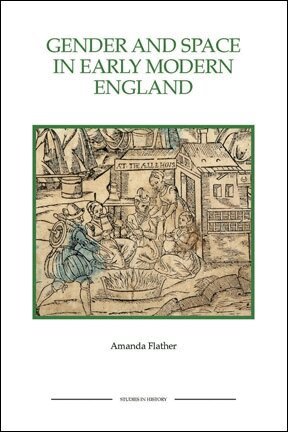
A nuanced re-evaluation of the ways in which gender affected the use of physical space in early modern England.Space was not simply a passive backdrop to a social system that had structural origins elsewhere; it was vitally important for marking out and maintaining the hierarchy that sustained social and gender order in sixteenth- and seventeenth-century England. Gender had a considerable influence on its use and organization; status and gender were displayed physically and spatially every moment of the day, from a person's place at table to the bed on which he orshe slept, in places of work and recreation, in dress, gesture and modes of address.Space was also the basis for the formation of gender identities which were constantly contested and restructured, as this book shows.Examining in turn domestic, social and sacred spaces and the spatial division of labour in gender construction, the author demonstrates how these could shift, and with them the position and power of women. She shows that the ideological assumption that all women are subject to all men is flawed, and exposes the limitations of interpretations which rely on the model and binary opposition of public/private, male/female, to describe gender relations and theirchanges across the period, thus offering a much more complex and picture than has hitherto been perceived. The book will be essential reading not just for historians of the family and of women, but for all those studying early modern social history. AMANDA FLATHER is a lecturer in the Department of History at the University of Essex.
375 kr
Skickas inom 7-10 vardagar
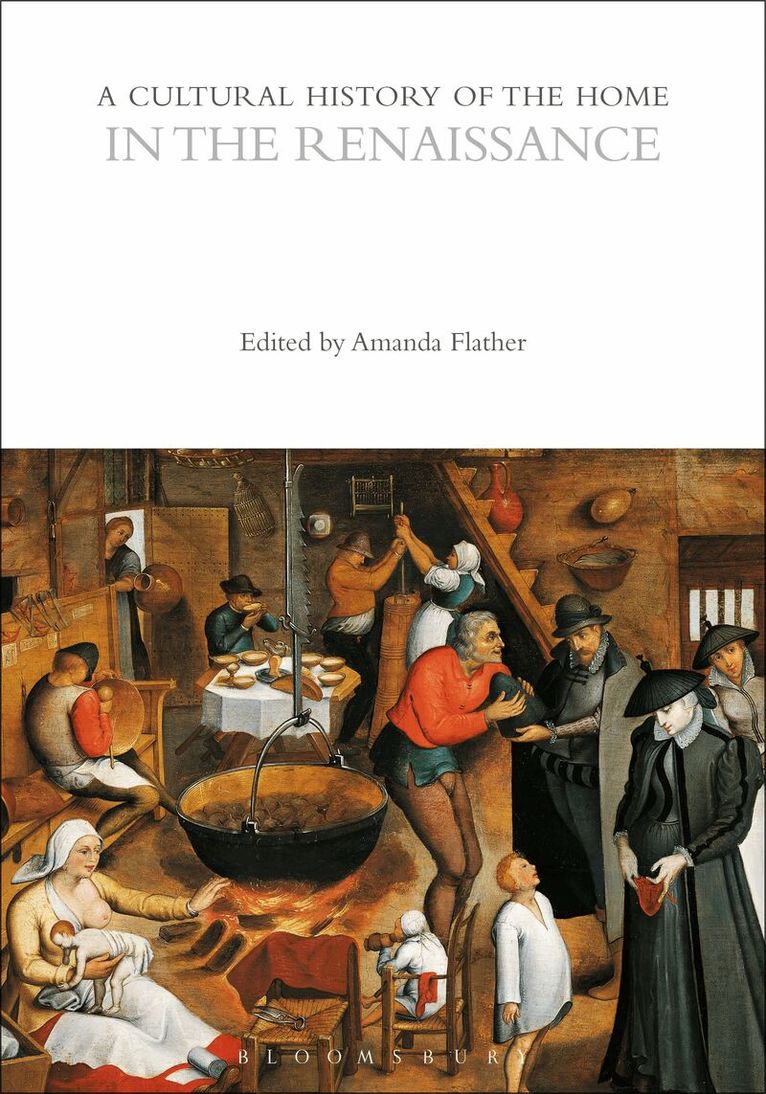
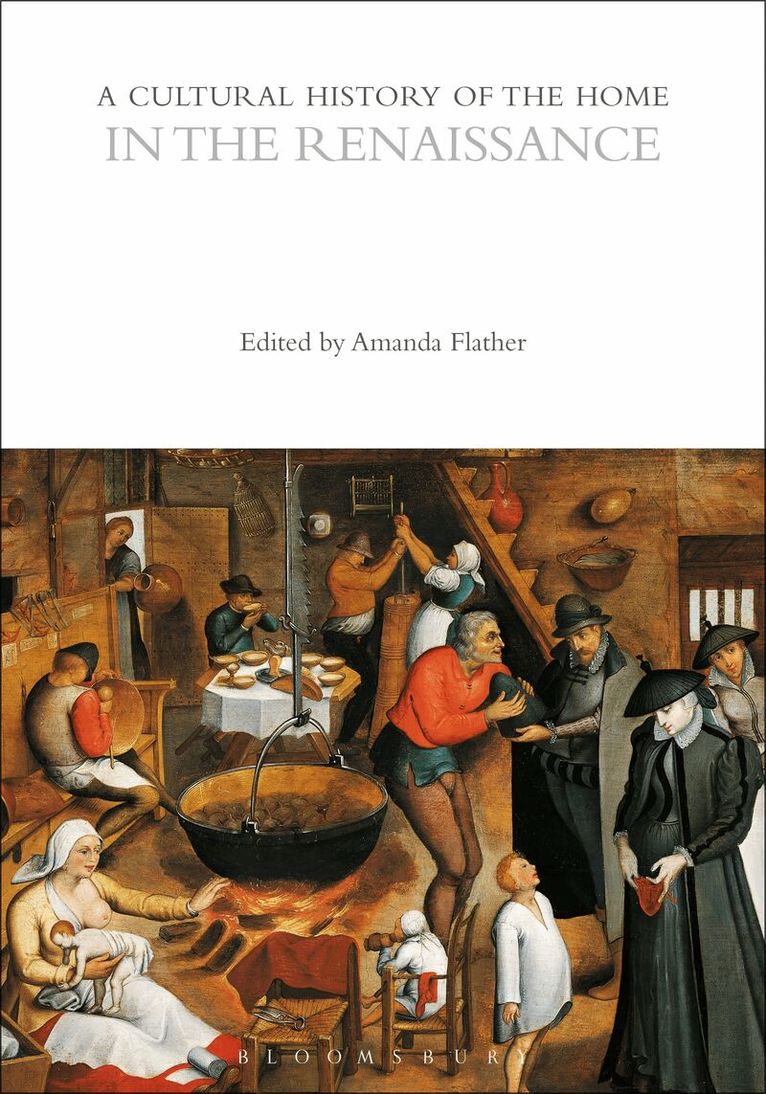
This volume addresses the relationship between people and their homes in Christian areas of Western Europe in the Renaissance, traced from the late fourteenth century to around 1650. The two centuries after 1450 were characterised by a cluster of interrelated forces that led to significant changes in the material, social, cultural, economic and political landscape. The essays in the volume vary in their geographical focus of study and disciplinary approach but taken together they try to uncover the impact of these changes on how people used, thought and felt about their homes in the sixteenth and seventeenth centuries. They try to understand what home meant – or if home even existed as a concept– for the people and the places they discuss. They also consider ways in which gender, status, age and geography contributed to different meanings of home, both as an idea and as a place to live.
2 239 kr
Skickas inom 7-10 vardagar
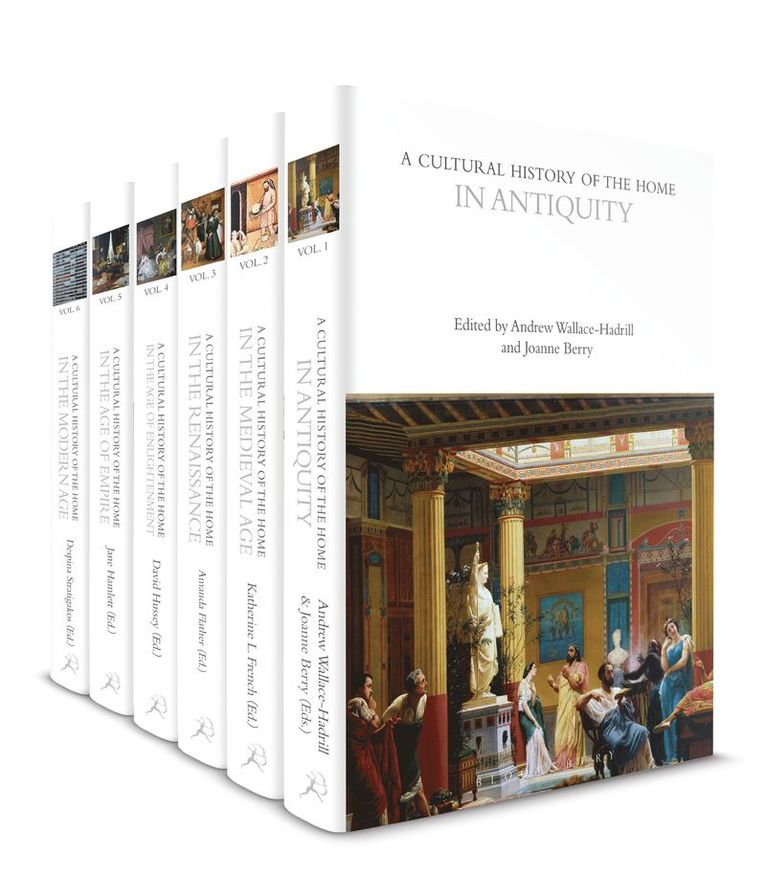
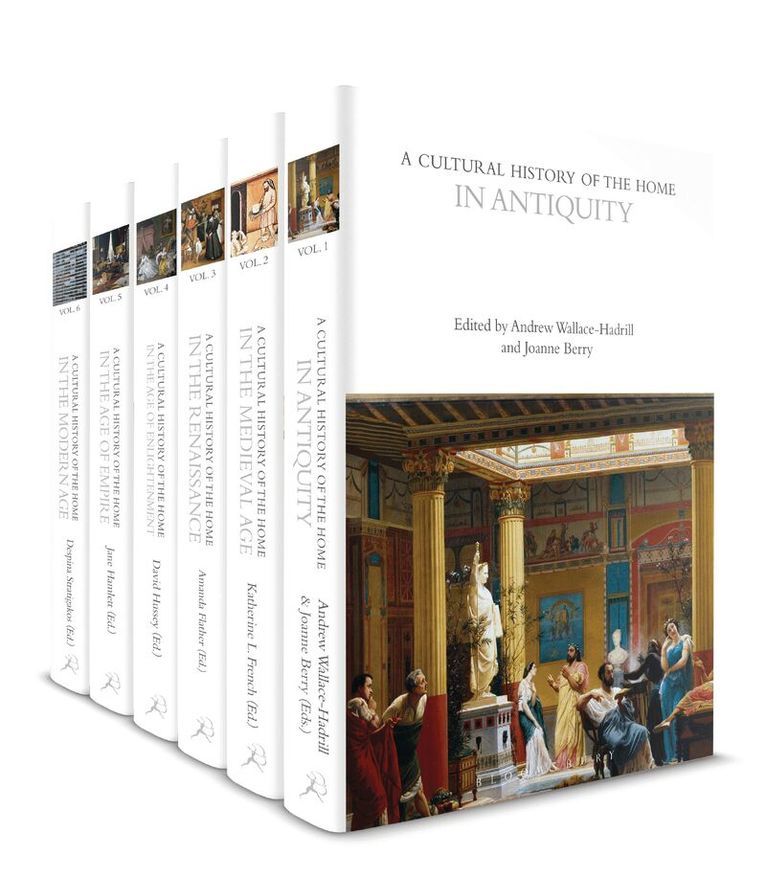
A Cultural History of the Home provides a comprehensive survey of the domestic space from ancient times to the present. Spanning 2800 years, the six volumes explore how different cultures and societies have established, developed and used the home. It reveals a great deal about how people have lived day-to-day in a range of regions and epochs by providing a historical focus on the location in which they will have spent much of their time: the domestic space.1. A Cultural History of the Home in Antiquity (800 BCE - 800 CE)2. A Cultural History of the Home in the Medieval Age (800 - 1450)3. A Cultural History of the Home in the Renaissance (1450 - 1648)4. A Cultural History of the Home in the Age of Enlightenment (1648 - 1815)5. A Cultural History of the Home in the Age of Empire (1815 - 1920)6. A Cultural History of the Home in the Modern Age (1920 - present)Each volume discusses the same themes in its chapters:1. The Meaning of the Home2. Family and Household3. The House4. Furniture and Furnishings5. Home and Work6. Gender and Home7. Hospitality and Home8. Religion and HomeThis structure offers readers a broad overview of a period within each volume or the opportunity to follow a theme through history by reading the relevant chapter across volumes.Generously illustrated, the full six-volume set combines to present the most detailed survey available on the home in history.
1 167 kr
Skickas inom 7-10 vardagar
This volume addresses the relationship between people and their homes in Christian areas of Western Europe in the Renaissance, traced from the late fourteenth century to around 1650. The two centuries after 1450 were characterised by a cluster of interrelated forces that led to significant changes in the material, social, cultural, economic and political landscape. The essays in the volume vary in their geographical focus of study and disciplinary approach but taken together they try to uncover the impact of these changes on how people used, thought and felt about their homes in the sixteenth and seventeenth centuries. They try to understand what home meant – or if home even existed as a concept– for the people and the places they discuss. They also consider ways in which gender, status, age and geography contributed to different meanings of home, both as an idea and as a place to live.
7 503 kr
Skickas inom 7-10 vardagar
A Cultural History of the Home provides a comprehensive survey of the domestic space from ancient times to the present. Spanning 2800 years, the six volumes explore how different cultures and societies have established, developed and used the home. It reveals a great deal about how people have lived day-to-day in a range of regions and epochs by providing a historical focus on the location in which they will have spent much of their time: the domestic space.1. A Cultural History of the Home in Antiquity (800 BCE - 800 CE)2. A Cultural History of the Home in the Medieval Age (800 - 1450)3. A Cultural History of the Home in the Renaissance (1450 - 1648)4. A Cultural History of the Home in the Age of Enlightenment (1648 - 1815)5. A Cultural History of the Home in the Age of Empire (1815 - 1920)6. A Cultural History of the Home in the Modern Age (1920 - present)Each volume discusses the same themes in its chapters:1. The Meaning of the Home2. Family and Household3. The House4. Furniture and Furnishings5. Home and Work6. Gender and Home7. Hospitality and Home8. Religion and HomeThis structure offers readers a broad overview of a period within each volume or the opportunity to follow a theme through history by reading the relevant chapter across volumes.Generously illustrated, the full six-volume set combines to present the most detailed survey available on the home in history.
Del 55 - Royal Historical Society Studies in History New Series
Gender and Space in Early Modern England
Häftad, Engelska, 2011
287 kr
Skickas inom 7-10 vardagar
A nuanced re-evaluation of the ways in which gender affected the use of physical space in early modern England.Space was not simply a passive backdrop to a social system that had structural origins elsewhere; it was vitally important for marking out and maintaining the hierarchy that sustained social and gender order in sixteenth- and seventeenth-century England. Gender had a considerable influence on its use and organization; status and gender were displayed physically and spatially every moment of the day, from a person's place at table to the bed on which he orshe slept, in places of work and recreation, in dress, gesture and modes of address.Space was also the basis for the formation of gender identities which were constantly contested and restructured, as this book shows. Examining in turn domestic, social and sacred spaces and the spatial division of labour in gender construction, the author demonstrates how these could shift, and with them the position and power of women. She shows that the ideologicalassumption that all women are subject to all men is flawed, and exposes the limitations of interpretations which rely on the model and binary opposition of public/private, male/female, to describe gender relations and their changes across the period, thus offering a much more complex and picture than has hitherto been perceived. The book will be essential reading not just for historians of the family and of women, but for all those studying early modern social history.AMANDA FLATHER is a lecturer in the Department of History at the University of Essex.