Amanda J. Cobb-Greetham – författare
Visar alla böcker från författaren Amanda J. Cobb-Greetham. Handla med fri frakt och snabb leverans.
3 produkter
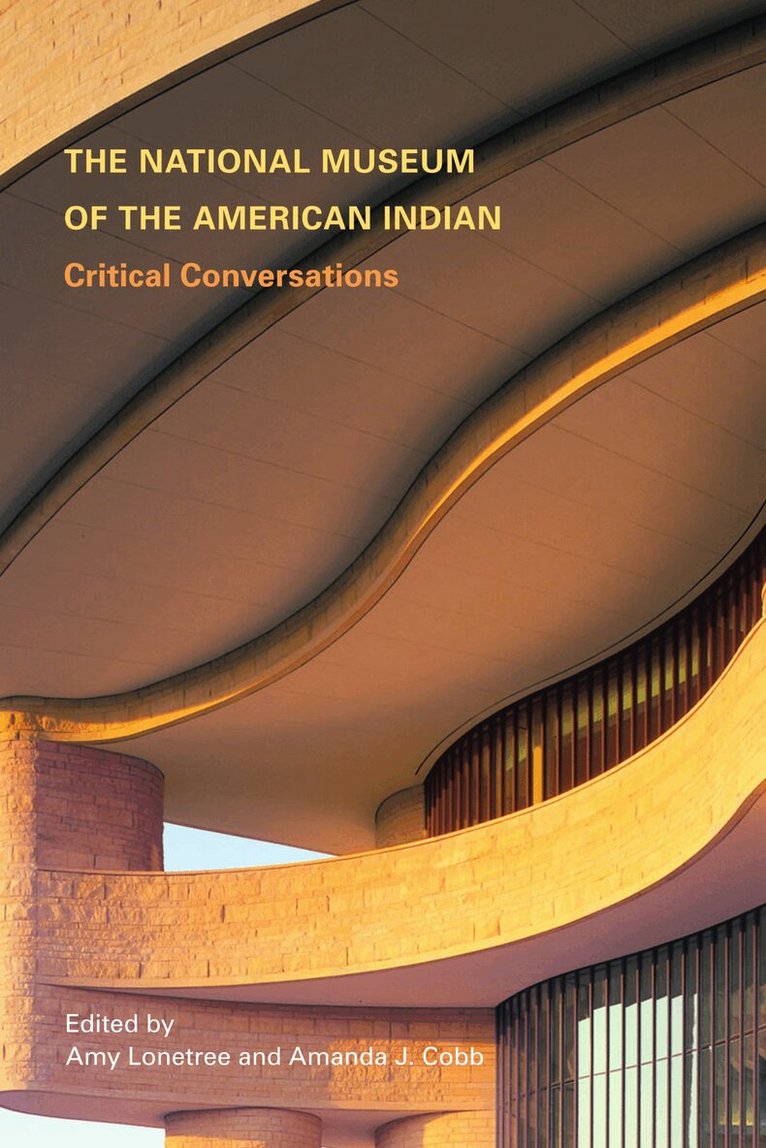
National Museum of the American Indian
Critical Conversations
Av Amy Lonetree, Amanda J. Cobb-Greetham
Häftad, 2008
341 kr
Lägg i varukorg
The first American national museum designed and run by indigenous peoples, the Smithsonian Institution's National Museum of the American Indian in Washington DC opened in 2004. It represents both the United States as a singular nation and the myriad indigenous nations within its borders. …
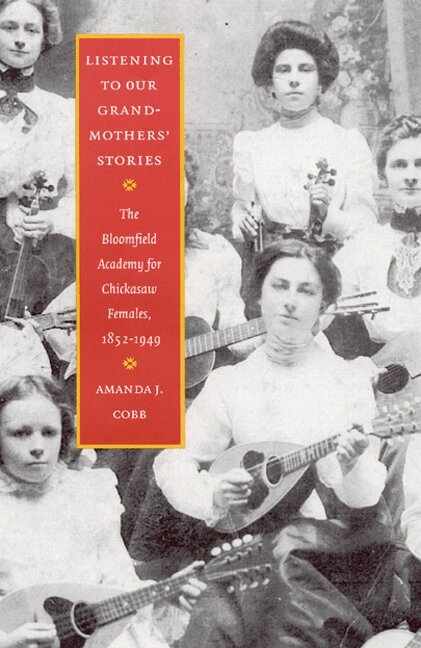
Listening to Our Grandmothers' Stories
The Bloomfield Academy for Chickasaw Females, 1852-1949
Häftad, 2007
167 kr
Lägg i varukorg
Bloomfield Academy was founded in 1852 by the Chickasaw Nation in conjunction with missionaries. It remained open for nearly a century, offering Chickasaw girls one of the finest educations in the West. After being forcibly relocated to Indian Territory, the Chickasaws viewed education as …
Listening to Our Grandmothers′ Stories
Inbunden, 2000
524 kr
Tillfälligt slut
Bloomfield Academy was founded in 1852 by the Chickasaw Nation in conjunction with missionaries. It remained open for nearly a century, offering Chickasaw girls one of the finest educations in the West. After being forcibly relocated to Indian Territory, the Chickasaws viewed education as …